



Storm Damage Emergency Response in Baton Rouge, LA
Big Easy Roofing responds to storm damaged buildings across Baton Rouge and East Baton Rouge Parish. The instinct after a storm is to get the roof covered. The right order is to check the building is safe to be in, deal with power and water, photograph what happened, and only then put anything on the roof.
Baton Rouge storm emergency response at a glance
This page is about the first few hours after a storm, before any decision about roofing gets made. The order things happen in matters more than the speed, because two of the steps cannot be undone once they have been skipped: nobody should be on an unsafe roof, and nothing should be covered before it is photographed.
First thing checked
Structural movement, ceilings holding water, and anything that has shifted are looked at before anyone gets on the roof. Call Big Easy Roofing on (504) 800-8196 and we will come and look.
Who permits a reroof
Emergency make safe work is not the reroofing the 2025 rule names. Where the storm takes the roof to a full replacement it becomes a permitted, inspected reroof through Permits and Inspections, or through St. George, Baker, Zachary or Central if the address sits there.
The order that matters
A tarp hides exactly the evidence somebody will later want to see. Photographing first costs minutes and cannot be recreated afterwards.
Emergency line
The line is answered around the clock. After a widespread storm the whole region calls at once, so we will give you a position in the queue rather than promise a time we cannot hold.
What we will not do
Louisiana law restricts what a roofing contractor may tell you about your own insurance cover. We describe the damage and price the work. Coverage is a question for your insurer.
What you keep
Time and location stamped, taken before anything was moved, and yours whether or not you use us for the repair.
Emergency response is a different job from roofing, and treating it as the first step of a roof repair is how people get hurt. What has actually happened is that a building has been hit, and the first question is whether it is safe to be in and safe to work on. That is answered from the ground and from inside before anybody puts a ladder against it.
The second thing is that the situation is evidence, and evidence has a short life. Water stops running, debris gets cleared, a tarp goes over the hole, and within a day the only record of what the storm did is whatever somebody photographed. That is why the photographs come before the tarp rather than after it, even though every instinct says cover it first. It costs minutes and it is the part nobody can go back and do again.
The order we work in and why it is that order
Five steps, and the sequence is the point rather than the speed. Each one is on the list because doing it later, or not at all, costs something that cannot be recovered afterwards, and the two people most want to skip are the hardest to undo.
| Step | What happens | Why it is here | What skipping it costs |
|---|---|---|---|
| 1. Is the building safe | Structure and ceilings assessed from ground and inside | Nobody should be working on or under a compromised structure | A person on an unsafe roof, which is the one unrecoverable outcome |
| 2. Power and water | Live electrics, standing water and gas checked or isolated | Water and electricity together are the hazard people underestimate | A hazard nobody looked for because everyone was looking up |
| 3. Photograph everything | Time and location stamped, before anything is moved | It is the only record of what the storm actually did | The evidence, permanently. A tarp hides exactly what mattered |
| 4. Make safe and cover | Tarp fitted, loose material secured, openings closed | Stops the second wave of damage from the next rain | Interior damage that keeps growing after the storm has passed |
| 5. Assess and price | Damage categorised and the repair scoped in writing | A considered decision, made once the pressure is off | Signing something on a doorstep under pressure |
Steps 1 and 3 are the ones people want to skip and the two that cannot be done later. Prices for the tarp and the make safe work are on our Baton Rouge emergency roofing page, and the damage assessment is on the storm damage page, so there is one set of figures rather than three. Call (504) 800-8196 and we will work it in this order.
What not to touch until somebody has looked
Four things people reasonably do straight after a storm that quietly make the situation worse. None of them is obvious and none is careless, which is exactly why they are worth saying plainly rather than assuming everyone already knows. Two are safety, and two are about not destroying the record of what happened.
Do not go into standing water indoors
Water on a floor under a damaged ceiling can be in contact with wiring or a fallen fitting. If the power cannot be isolated safely from outside the affected area, that is a reason to stay out and call, not a reason to be careful.
Do not push a bulging ceiling
A ceiling sagging under trapped water can release the whole load at once. It is dealt with deliberately, from the right position, with the room cleared, rather than poked to see how bad it is.
Do not clear up before photographing
Sweeping debris, moving furniture and covering openings all happen eventually. Doing them before anything is photographed removes the only evidence of what the storm did, and it cannot be reconstructed.
Do not climb up to look
A roof that has lost fixings can look intact and give way under weight, and a wet roof after a storm is the worst combination of conditions. Whatever is up there will still be there when somebody with the right equipment arrives.
Be careful about who arrives at the door
A storm brings people to the door, and some of them were not in Baton Rouge the week before. Check the contractor is licensed by the Louisiana State Licensing Board for Contractors, get any price in writing with the date on it, and do not sign anything that assigns your claim or your benefits to the contractor.
Emergency pressure is exactly the condition under which people sign things they would not otherwise sign. A contractor who is willing to make the roof safe and talk about the repair afterwards is behaving normally; one who needs a signature before starting is telling you something.
Price gouging is regulated during a declared emergency
La. R.S. 29:732 restricts prices during a declared state of emergency. The part worth knowing is that the restriction runs for a limited period and is renewed only by specific reference, so whether it is in force on any given day depends on the declaration in effect at the time.
That is not a reason to accept a price you are unhappy with, and it is not legal advice. It is a reason to get the figure in writing with a date on it, which is the thing that lets anyone assess it later.
What a named storm does to how fast anyone can reach you
Being honest about response times after a widespread event is more useful than a promise nobody can keep. Three things about a regional storm change the picture, they are the same for every contractor working in this market, and knowing them makes it easier to judge whoever turns up at your door offering a firm time.
The whole region calls in the same hour
A single damaged house is a scheduling question. A named storm crossing the parish means every roofer in the area has the same queue on the same morning, and no honest answer involves a specific hour.
What we will do is tell you where you are in that queue and what to do in the meantime, which is more useful than a time that then moves. An active leak into a living space is triaged differently from damage that is contained.
The damage keeps growing until it is covered
The storm is the first event. The rain that follows it is the second, and on a roof with an opening in it that second event does most of the interior damage. That is the reason covering matters even when the repair is weeks away.
It is also why a temporary cover is a real piece of work rather than a sheet thrown over a hole. Our emergency roofing page sets out what that involves and what it costs.
Older housing stock takes wind differently
Baton Rouge has a lot of older housing, and an older covering that has lost its seal strip in a previous storm can lift in a wind that a newer roof shrugs off. The damage often does not look dramatic from the ground.
That is a reason to have someone look after a storm even when nothing is obviously wrong, rather than a reason to assume the worst. A broken seal strip lies back down looking untouched and leaks the following season.
Big Easy Roofing Process
Four steps, and the first two happen before anybody gets on the roof, because that is what makes the rest of it safe to do.
Make the building safe
Structure, ceilings holding water, live electrics and standing water assessed from the ground and from inside. If it is not safe to be in, that is the first thing you are told rather than the last.
Photograph before anything moves
Every damaged element recorded with time and location stamps, inside and out, before any clearing or covering starts. The pack is yours whether or not you use us.
Cover and secure
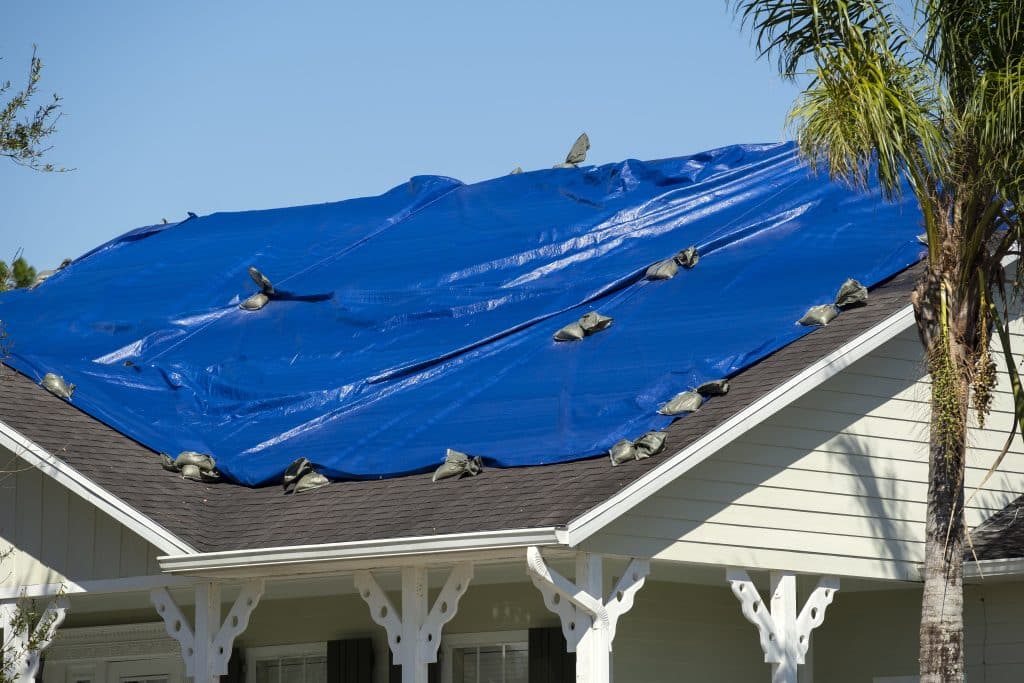
Weatherproof tarp fitted, loose material secured and openings closed, so the rain that follows the storm does not do more damage than the storm did.
Then talk about the repair
The damage categorised and the work scoped in writing once the pressure is off, with no signature needed on a doorstep. Call (504) 800-8196.
Everything else we do in Baton Rouge
The rest of the Big Easy Roofing services available in Baton Rouge, each with its own page and written estimate. This page covers the first few hours. The emergency roofing page covers the tarp and the make safe work, and the storm damage page covers how the repair itself is assessed and priced.
Roof Replacement in Baton Rouge
Read More
Roof Repairs in Baton Rouge
Read More
Roof Inspection in Baton Rouge
Read More
Hail Damage Roof Repair in Baton Rouge
Read MoreStorm Damage Roof Repair in Baton Rouge
Read More
Emergency Roofing in Baton Rouge
Read More
Roof Leak Detection in Baton Rouge
Read More
Roof Maintenance in Baton Rouge
Read More
Roof Coating in Baton Rouge
Read More
Roof Ventilation in Baton Rouge
Read More
Roof Weatherproofing in Baton Rouge
Read More
Roof Restoration in Baton Rouge
Read More
Roof Flashing Repair in Baton Rouge
Read More
Fascia Board Installation and Repair in Baton Rouge
Read More
Gutters and Downspouts Installation in Baton Rouge
Read More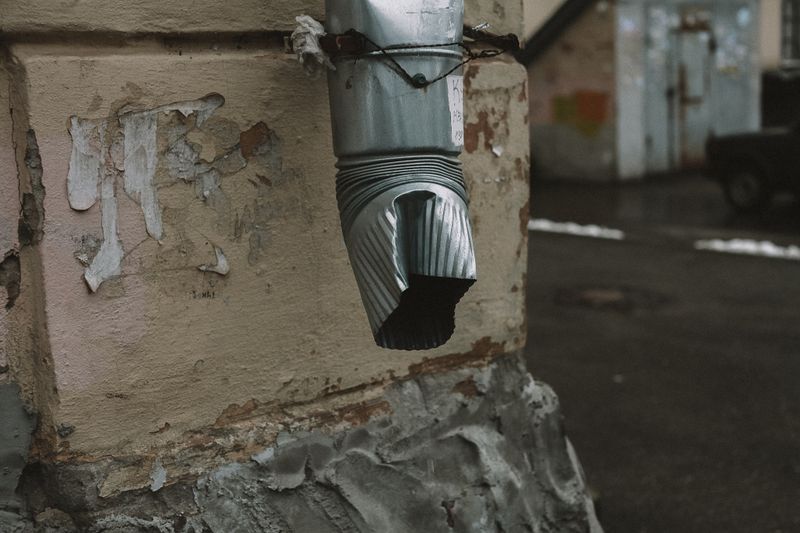
Gutters and Downspouts Repair in Baton Rouge
Read More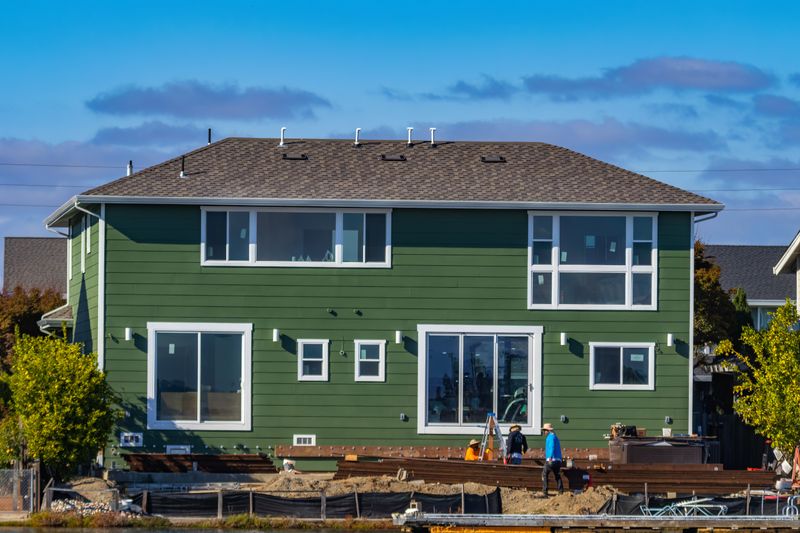
Siding Installation in Baton Rouge
Read More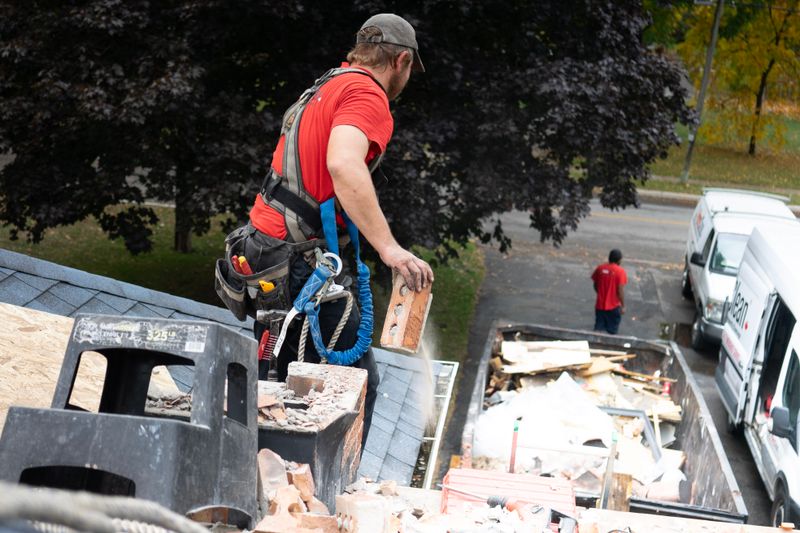
Asbestos Roof Removal in Baton Rouge
Read More
Roof Insurance Claims in Baton Rouge
Read More
Soffit Installation in Baton Rouge
Read More
Soffit Repair in Baton Rouge
Read More
Commercial Roof Replacement in Baton Rouge
Read More
Commercial Roof Repairs in Baton Rouge
Read More
Commercial Roof Inspections in Baton Rouge
Read More
Commercial Hail Damage Repair in Baton Rouge
Read More
Commercial Re-Roofing in Baton Rouge
Read More
Commercial Roof Coating in Baton Rouge
Read More
Commercial Elastomeric Coatings in Baton Rouge
Read More
Commercial Roof Ventilation in Baton Rouge
Read More
Commercial Roof Leak Detection in Baton Rouge
Read More
Commercial Siding Installation in Baton Rouge
Read MoreBaton Rouge Storm Emergency Response FAQs
The questions worth asking in the first hours after a storm in Baton Rouge, answered plainly.
Topic
Question not here?
Ask us anything about a storm damaged building in Baton Rouge. No charge, no obligation, and the line is answered around the clock.
Call (504) 800-8196What should I do first after a storm damages my roof
Establish whether the building is safe to be in, before anything else. Stay out of standing water indoors until the power can be isolated safely, do not push a bulging ceiling because it is holding water, and do not climb up to look. Then photograph everything before anyone clears up or covers anything.
Can I just put a tarp on it myself
We would rather you did not, and the reason is not liability. A roof that has lost fixings can look intact and give way under weight, and it is wet, which is the worst combination of conditions there is. Whatever is up there will still be there when someone with the right equipment arrives.
Why photograph before covering the damage
Because a tarp hides exactly the thing somebody will later want to see, and it cannot be recreated. Photographing takes minutes and it is the only record of what the storm actually did. Everything else on the list can be done in a different order; this one cannot.
What is the difference between this and emergency roofing
This page is the first few hours: is the building safe, what must not be touched, and what to record. The emergency roofing page is the work itself, the tarp and the make safe, with its own prices. The storm damage page is the repair assessment afterwards. Three stages, three pages, one set of figures.
How quickly can you get to me
A single damaged house we aim to reach quickly. After a named storm the whole region is calling in the same hour, and no honest answer involves a specific time, so we will tell you where you are in the queue and what to do meanwhile. An active leak into a living space is triaged ahead of contained damage.
Is the emergency line really answered at night
Yes, the line is answered around the clock. What happens next depends on what you describe: some situations need somebody that hour, and some are better handled at first light, when it is safe to be on a roof and possible to see what is actually wrong.
Should I sign anything before work starts
Not on a doorstep, and not anything that assigns your claim or your benefits to a contractor. Emergency pressure is exactly when people sign things they would not otherwise sign. Get any price in writing with the date on it and check the contractor is licensed by the Louisiana State Licensing Board for Contractors.
Are prices allowed to go up after a storm
La. R.S. 29:732 restricts prices during a declared state of emergency, and the part worth knowing is that it runs for a limited period and is renewed only by specific reference, so whether it applies on a given day depends on the declaration in force. That is not legal advice. Get the figure in writing with a date on it either way.
Will you deal with my insurance company
No, and be wary of a roofer who says they will. Louisiana law restricts what a roofing contractor may tell you about your own cover. What we do is photograph and describe the damage and price the work, and hand that to you to use with your insurer.
Does emergency work need a permit in East Baton Rouge
Make safe work does not. A full reroof does, and it is inspected, under La. R.S. 37:3737(I). Which body issues it depends on the address, because St. George, Baker, Zachary and Central permit their own.
Get the building checked before anyone climbs and the damage recorded before it is covered
We assess whether the building is safe to be in, deal with the hazards, photograph every damaged element with time and location stamps, and only then put anything on the roof. If you would rather start in writing, tell us what the job involves and we will come back with an estimate.
Call (504) 800-8196