




Commercial Hail Damage Repair in Baton Rouge, LA
Big Easy Roofing surveys and repairs hail damaged commercial roofs across Baton Rouge and East Baton Rouge Parish. On a membrane roof the hail damage is usually not the part you can see, which is why this page is about how the extent gets established rather than about what the surface looks like.
Baton Rouge commercial hail damage at a glance
Hail on a membrane roof does its damage to the insulation and the reinforcement under the surface, so a walk over establishes very little. Extent is established by cutting cores and mapping moisture, and both of those have consequences worth settling before anybody starts.
How extent is established
A core shows the build up and the condition of the insulation at the point it is taken. A moisture survey identifies the areas reading consistently with retained moisture, which cores then confirm. Neither is visible from the surface, and neither on its own settles what caused it. Call Big Easy Roofing on (504) 800-8196.
Who permits the work
Roof construction and reroofing on a commercial building are permitted and inspected through Permits and Inspections, or by St. George, Baker, Zachary or Central if the address sits there. Whether a limited repair is caught depends on the scope, so we confirm it rather than assume it.
Which code applies
A commercial building is not a dwelling, so the roofing provisions that apply are those of the International Building Code rather than the residential code. That matters on a repair because it decides what the replacement assembly has to achieve.
How the fee is set
The parish sets the permit fee from the declared value of the work rather than from a roofing rate, so the fee follows the scope. We itemise it separately on the quote rather than absorbing it into a square foot price.
The infrared window
Wet insulation holds heat longer than dry insulation, so the contrast develops once the roof surface has cooled. The ASTM standard practice for this survey is a night time method, and whether a given night works depends on cloud, wind and surface conditions.
The part that gets left out
Cutting a core means cutting through a membrane that is often still under warranty. The warranty position is settled first, and every opening is closed by a documented, compatible repair that satisfies whatever that warranty requires. A survey that skips both is not free, it is deferred.
On a shingle roof hail leaves a mark you can find, count and photograph. On many membrane assemblies it does not. The stone strikes the surface, the membrane flexes, and the energy goes into the insulation underneath, which crushes. The membrane can look almost untouched while the board below it has lost its compressive strength, and the reinforcement inside the sheet can be fractured without splitting through. Profiled and standing seam metal is the exception, because there the surface does tell you something.
That is why a commercial hail assessment is a different job from a residential one rather than a bigger version of it. What is being looked for is under the surface, so the survey has to go under the surface: cores to see the layers, and moisture mapping to find where water has already travelled. A report built from a walk over and a set of photographs of the top surface describes the one layer the hail did least to.
What hail does to each commercial assembly
Hail behaves differently on each of these, and how severely depends on the stone size, the age and thickness of the covering and what sits under it. The column that matters is the third one, because on several of these the surface can read as sound while the assembly underneath has taken the impact.
| Assembly | What hail can do to it | What a walk over shows | How extent is established |
|---|---|---|---|
| Single ply, TPO or PVC | Fracture the reinforcement, or crush the insulation below, and sometimes puncture | Sometimes very little | Cores read with a moisture survey |
| EPDM | Bruise or cut the sheet, and crush the board under it | Sometimes a visible bruise, sometimes nothing | Cores read with a moisture survey |
| Modified bitumen | Displace granules and fracture the cap sheet | Granule loss, which is real evidence but not the extent | Cores at the impacts |
| Built up with aggregate | Drive aggregate into the bitumen, though the aggregate can also absorb the impact | Little until the aggregate is swept back | Aggregate cleared, then cores |
| Standing seam or profiled metal | Dent the pans, and in some cases affect the fixings | The dents, which is the one assembly the surface does tell you about | Measured against the panel manufacturer criteria |
No work prices are quoted on this page. A commercial hail repair is priced from the assembly, the area actually affected and what the cores find, and the parish fee is set on the declared value of the work. Call (504) 800-8196 and we will survey it and price the scope that comes out of the survey.
Code, permit and the warranty on the membrane
Three things have to line up before a commercial hail repair starts, and the third one is the one that gets discovered too late. The building code decides the assembly, the parish decides the permit, and the membrane manufacturer decides who may touch the roof.
The code that applies
Louisiana Act 239 of 2025 introduced the requirement, now carried at La. R.S. 37:3737(I), requiring parishes that issue construction permits to permit and inspect roof construction and reroofing. A commercial building sits under the International Building Code rather than the residential one, so that is where the roofing provisions come from.
How the parish charges for it
East Baton Rouge sets the fee from the value of the work rather than from a roofing rate. A hail repair scope that grows after the cores are read moves the declared value, so the fee is confirmed against the final scope rather than the first estimate.
Before any core is cut
A core cut is a deliberate hole in a membrane that may still be under a manufacturer warranty. Who is authorised to cut it, what closing it properly requires and whether the manufacturer has to be notified vary between warranties, and the answers are in your own warranty document. They get read before the knife comes out.
What we will not do
Louisiana law restricts a roofing contractor from interpreting cover or adjusting a claim for the insured. We survey the roof, describe what we find and price the work, and those findings are yours to give anybody. What they mean for a claim is a question for your insurer and your own adviser.
What a commercial hail survey report should contain
The location of every core on a marked plan, a photograph of each core face showing the layers, the moisture survey output with the method and the conditions it was taken in, and a statement of what was patched and to which manufacturer detail.
It should also say plainly what it did NOT establish. A survey that reads as though it found everything is less useful than one that names the areas it could not reach and the questions still open, because the second one tells you what to do next.
Why a free surface inspection is worth what it costs
A walk over and a set of photographs of the top surface is quick and usually free, and on several of the assemblies above it describes the layer that can show the least. It is not dishonest and it is not worthless. It is just not an extent survey.
The moment it matters is when somebody has to agree how much of the roof is affected. A marked plan, core photographs and a moisture map answer that with evidence. A set of surface photographs leaves it open to argument, and an open question on a commercial roof is rarely resolved in favour of the building owner.
What happens next on a Baton Rouge flat roof
Crushed insulation does not announce itself, and this climate is unusually good at turning it into something worse before anybody notices it has happened. Three things decide how long a hail damaged commercial roof has before the damage stops being a roofing question and becomes a building one.
Water finds the crushed area and stays there
Insulation that has lost compressive strength under an impact sits slightly lower than the board around it, and on a low slope roof that is where water collects. The membrane over a low spot works harder than the membrane anywhere else on the roof.
That is why a moisture survey is worth more than a photograph of the surface. It shows where the assembly reads wet now, which is a different and more useful question than what the top of the roof looks like. What put the water there is then argued from the cores, the roof history and the surface evidence together.
Heat drives a bruise toward a split
A membrane with fractured reinforcement is still watertight until it is not. Daily heat cycling works on it, and a bruise that would sit quietly in a temperate climate has more movement to survive here.
The practical consequence is that a decision to defer is a decision with a clock on it. That is a reason to establish the extent while it can still be attributed to the storm, not a reason to panic.
Wet insulation is a thermal problem before it is a leak
Insulation that has taken water stops doing the job it was bought for long before anything appears on a ceiling. The building gets more expensive to run while the roof still looks like it is working.
For an owner or a facilities manager that is the argument for surveying properly: the loss has already started, it is simply not visible from inside yet.
Big Easy Roofing Process
Three steps, and the first one is paperwork rather than roofing, because it decides who is allowed to cut into your membrane at all.

Settle the warranty position first
What membrane is on the building, whether it is still under a manufacturer warranty, who that warranty permits to work on it, and what it requires when an opening is closed. That is established before anything is cut, and it is written down.
Survey after sunset, then core
The moisture survey once the roof surface has cooled, so wet insulation reads against dry, then cores taken at the anomalies and at control points away from them. Each core is photographed at its face and closed by a method the warranty accepts.
Write the scope from what the cores found
The affected area marked on a plan, the assembly documented layer by layer, the repair scope written against it, and the parish permit taken out on the declared value. Call (504) 800-8196 to arrange the survey.
Everything else we do in Baton Rouge
The rest of the Big Easy Roofing services available in Baton Rouge, each with its own page and written scope. Residential hail is a different job with a different method and has its own page, and routine commercial survey work sits under roof inspections.
Roof Replacement in Baton Rouge
Read More
Roof Repairs in Baton Rouge
Read More
Roof Inspection in Baton Rouge
Read More
Hail Damage Roof Repair in Baton Rouge
Read More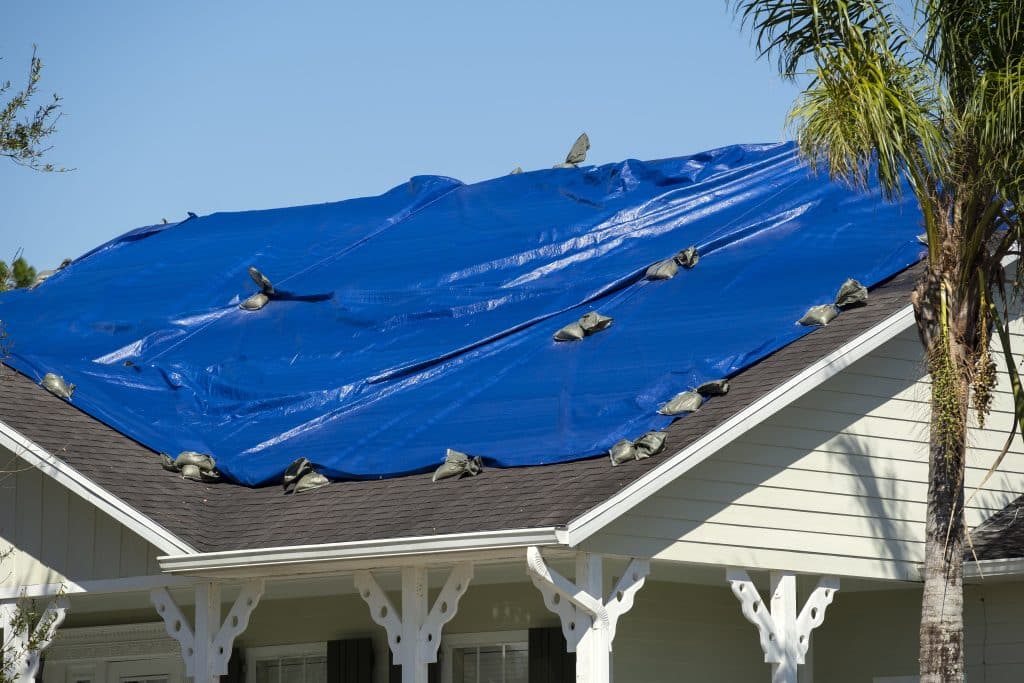
Storm Damage Roof Repair in Baton Rouge
Read More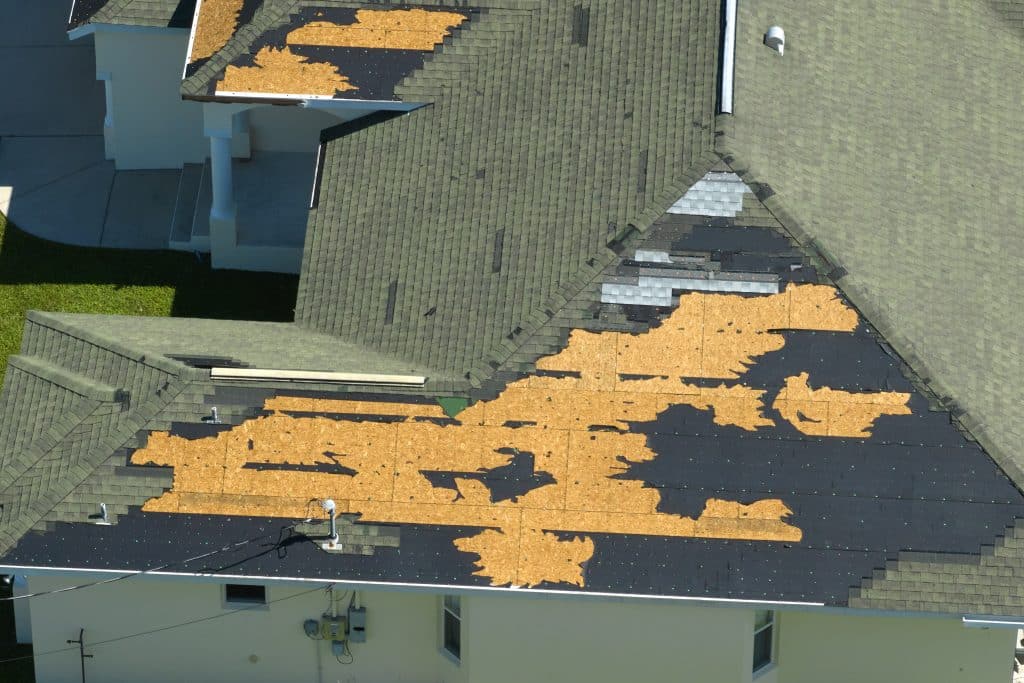
Storm Damage Emergency Response in Baton Rouge
Read More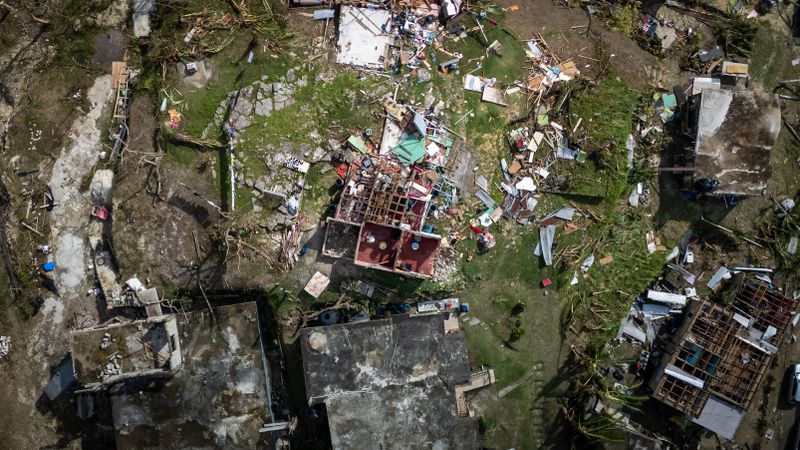
Emergency Roofing in Baton Rouge
Read More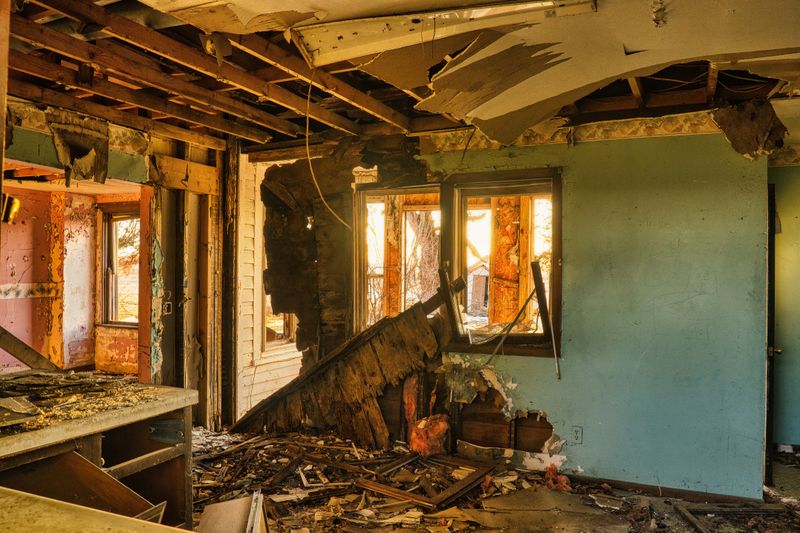
Roof Leak Detection in Baton Rouge
Read More
Roof Maintenance in Baton Rouge
Read More
Roof Coating in Baton Rouge
Read More
Roof Ventilation in Baton Rouge
Read More
Roof Weatherproofing in Baton Rouge
Read More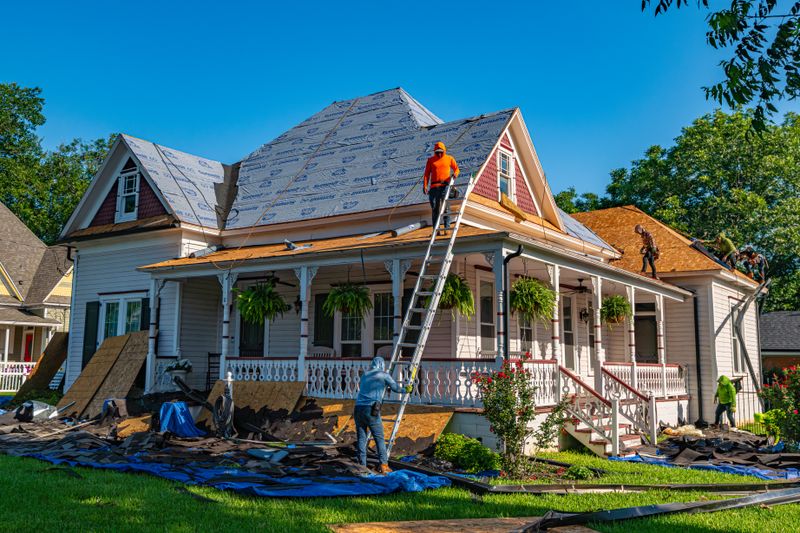
Roof Restoration in Baton Rouge
Read More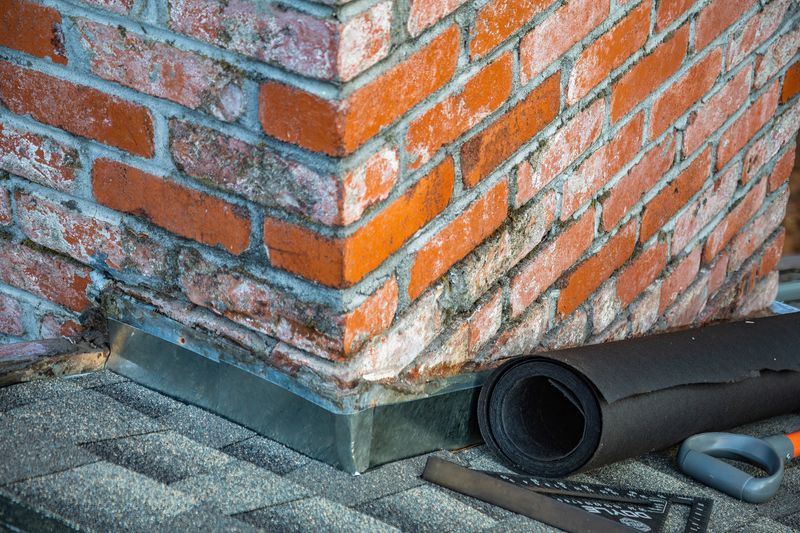
Roof Flashing Repair in Baton Rouge
Read More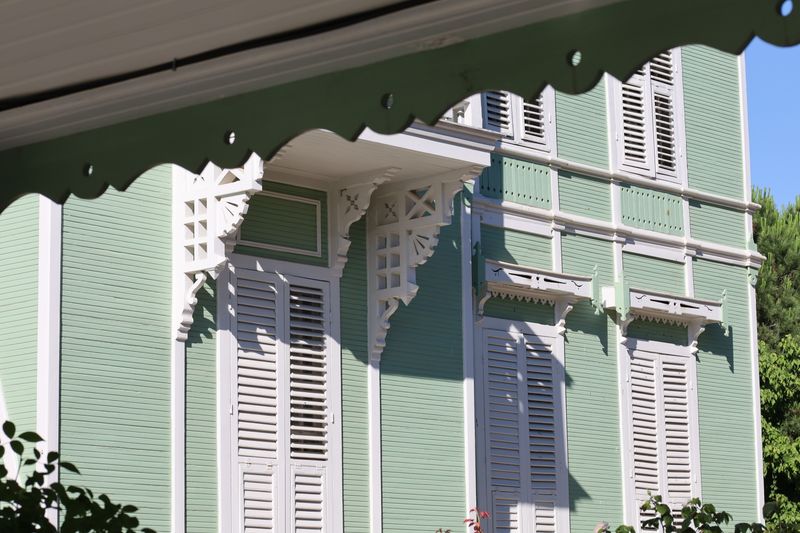
Fascia Board Installation and Repair in Baton Rouge
Read More
Gutters and Downspouts Installation in Baton Rouge
Read More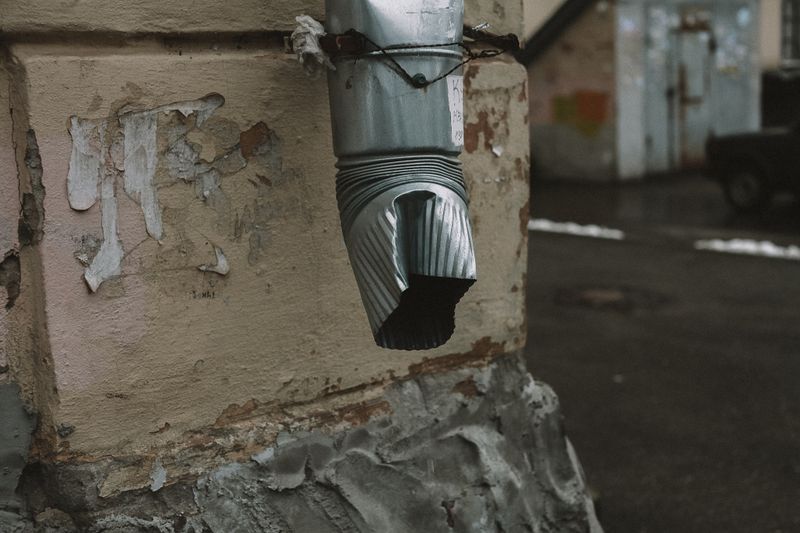
Gutters and Downspouts Repair in Baton Rouge
Read More
Siding Installation in Baton Rouge
Read More
Asbestos Roof Removal in Baton Rouge
Read More
Roof Insurance Claims in Baton Rouge
Read More
Soffit Installation in Baton Rouge
Read More
Soffit Repair in Baton Rouge
Read More
Commercial Roof Replacement in Baton Rouge
Read More
Commercial Roof Repairs in Baton Rouge
Read More
Commercial Roof Inspections in Baton Rouge
Read More
Commercial Re-Roofing in Baton Rouge
Read More
Commercial Roof Coating in Baton Rouge
Read More
Commercial Elastomeric Coatings in Baton Rouge
Read More
Commercial Roof Ventilation in Baton Rouge
Read More
Commercial Roof Leak Detection in Baton Rouge
Read More
Commercial Siding Installation in Baton Rouge
Read MoreBaton Rouge Commercial Hail Damage FAQs
The q