




Emergency Roof Repair in Baton Rouge, LA
Big Easy Roofing answers emergency roof calls across Baton Rouge and East Baton Rouge Parish. The first visit is about stopping the water and documenting the damage, not about the finished repair. If water is coming in now, call rather than read on: move what you can clear, put a container under the drip, and stay out of any room where the ceiling is bulging.
Baton Rouge emergency roof repair at a glance
An emergency visit is mitigation, not the finished repair. A weatherproof tarp is estimated at $250 to $500, and active leak work from $350, a single entry point usually landing under $1,200 and a complex or multi entry leak up to $1,500. Placed the same visit, with photographs time stamped for a claim before anything is moved.
Estimated emergency tarp
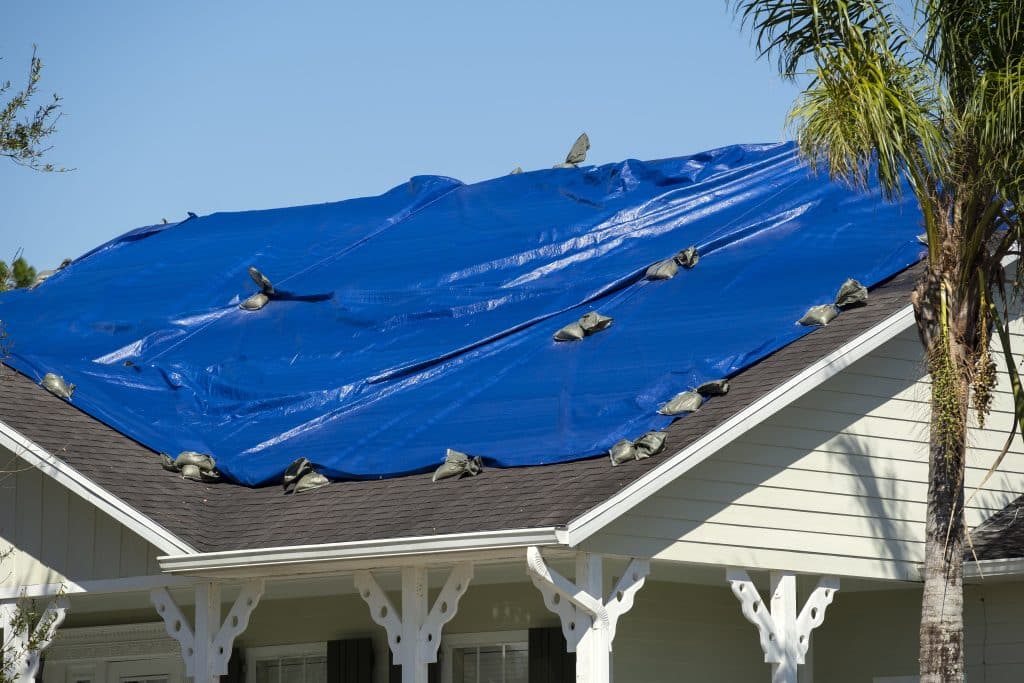
A same visit weatherproof tarp over the damaged section, mechanically fastened rather than weighted, so it is built to hold through the weather that follows. Call (504) 800-8196.
Active leak mitigation
Stopping the water where it is coming in, re shingling the entry point and replacing failed flashing where it can be done safely in the conditions on the day.
Who issues the permit
The parish is the permitting authority for Baton Rouge addresses. Emergency mitigation such as tarping is not a roof covering change, so it is not the re roofing work the 2025 rule covers. The permanent repair or replacement that follows is, and we confirm the position for that scope before it starts.
Emergency line
A person picks up rather than a message service, including through nights, weekends and the aftermath of a storm when the queue is longest.
Documentation
Every emergency visit is photographed with time and location stamps before anything is moved or covered, and the pack is yours whether or not you use us for the permanent work. What your insurer does with it is between you and them.
Tarp duration
A correctly fastened tarp is a temporary measure meant to last while the claim and the permanent repair are arranged, though how long it really lasts depends on the weather it takes. It is not a repair and it is not a roof, and we will say when it is reaching the end of what it can do.
Every figure on this page is an estimate, not a quote, and is subject to Big Easy Roofing sign off. Cost and timescale depend on size, pitch, access, weather, materials and whatever is found once work starts, so call Big Easy Roofing on (504) 800-8196 and we will come out and give you an estimate for your own roof.
An emergency roof call is a different job from a roof repair, and the difference matters when you are looking at the price. The first visit is not there to finish the roof. It is there to stop water entering the building, to make it safe to leave overnight, and to record what the damage looked like before anyone touched it, even where that means some shingle or flashing work on the day. The permanent repair comes afterwards, when the roof is dry and can actually be assessed.
That is why the emergency band and the repair band are separate numbers rather than one total. A tarp is estimated at $250 to $500 and stopping an active leak at $350 to $1,500, and neither includes the permanent work. Anyone quoting a full replacement while water is still coming through the ceiling is quoting a roof they have not been able to inspect.
The photographs are the part people underestimate. Once a tarp goes on, the evidence of what happened is underneath it, and once the permanent repair is done the evidence is gone altogether. Time and location stamped photographs taken before anything moves are the record of the event, and they are yours to use however you need to.
What we do on the first visit and what it is estimated at
Six call out types account for the common shapes of emergency roof work on a house. The table gives the same visit response for each, the estimated band for that response alone, and the time on site. None of these figures includes the permanent repair, which is quoted separately afterwards.
| Emergency | Same visit response | Estimated band | Time on site |
|---|---|---|---|
| Active leak, single entry point | Tarp over, find the entry, re shingle and re flash | $350 to $1,200 | 2 to 4 hours |
| Storm tarp only | Weatherproof tarp mechanically fastened over the damaged section | $250 to $500 | 1 to 2 hours |
| Wind torn shingles, courses lifted | Tarp the section, re nail the surround, replace tabs | $400 to $1,100 | 2 to 4 hours |
| Tree limb impact, no structural damage | Clear the debris, tarp the strike zone, document it | $500 to $1,500 | 3 to 5 hours |
| Blown flashing after wind | Re seat and re seal the flashing, replace step tins | $400 to $900 | 2 to 4 hours |
| Gutter torn from the fascia | Re hang the run, replace hangers, secure the downspout | $250 to $700 | 2 to 3 hours |
Estimated ranges for the emergency visit only, not quotes, and not the permanent repair. Where a limb has gone through the deck or the structure is in question, the visit becomes making the building safe and the assessment is a separate job. Call (504) 800-8196 and a person will answer.
What Louisiana law says about storm pricing
After a declared emergency the roofing market fills with people who were not here the week before. Louisiana has a specific law about what can be charged in that window, and the part worth knowing is how narrow the window actually is.
Price gouging is prohibited
During a declared state of emergency, prices charged for goods and services in the designated emergency area may not exceed those ordinarily charged for comparable goods and services in the same market area at or immediately before the emergency. The statute is R.S. 29:732 and the penalties sit in R.S. 29:734.
But it runs for thirty days
This is the part almost nobody knows. The prohibition is effective for an initial period not to exceed thirty days, and it is renewed only by specific reference in a later proclamation. A long emergency does not automatically keep the protection running, so the date on your quote matters.
The law allows some increases
The statute carves out rises attributable to commodity market movements, regional or national market trends, and the reasonable expenses and business risk of procuring or selling during the emergency. Materials and labour genuinely do cost more after a storm, so a higher price is not proof of anything on its own.
What to do about it in practice
Get the price in writing with the date on it, keep it, and check the contractor is licensed by the Louisiana State Licensing Board for Contractors before work starts. The estimated bands on this page are published so you have something to compare against. This is general information about a public statute rather than legal advice, and the Louisiana Attorney General is where a suspected overcharge is reported.
Why an emergency visit is priced separately from the repair
A tarp and a permanent repair are two different jobs done at two different times, and bundling them into one number before the roof has been inspected is how people end up committed to work nobody has properly seen. The roof is wet, the damage is partly hidden, and the full extent often is not visible until it dries.
So the emergency visit is quoted as the emergency visit. The permanent work is quoted afterwards against what is actually found, and if that turns out to be a full replacement, that is priced as its own job with its own scope rather than added to a total agreed in the middle of a storm.
The photographs are taken before anything is moved
The first thing that happens on site, before a tarp comes out of the truck, is that the damage is photographed with time and location stamps. Once the tarp is on, what is underneath it cannot be seen, and once the permanent repair is finished the evidence of the original event no longer exists anywhere.
That pack is yours. We hand it over whether or not you use us for the permanent work, and what you do with it, including whether you make a claim at all, is entirely your decision and your insurer's. We document; we do not advise on cover.
The emergencies this climate actually produces
Gulf coast roof emergencies cluster into three shapes, and each needs a different first response. Knowing which one you have changes what you should do in the hour before anyone arrives, and it changes whether a tarp is the right answer at all.
Wind lifting courses rather than removing them
The dramatic version of storm damage is shingles in the garden. The version that costs more is shingles that lifted, broke their seal and laid back down. From the ground the roof can look untouched while the seal strip that holds each course is gone, and the next ordinary rain drives water under it.
The tell is usually inside rather than out: a stain appearing after a storm on a roof that looks fine. That needs a proper look rather than a tarp, because there may be nothing visibly wrong to tarp over.
Sudden volume rather than sustained rain
Baton Rouge rain arrives in bursts, and a roof that copes with steady weather can be overwhelmed in twenty minutes. Water backs up at a valley or a blocked outlet, finds a lap it would never normally reach, and appears inside while the roof itself is sound.
That distinction matters on an emergency call, because the fix is clearing and diverting rather than covering. A tarp over a roof that is not actually damaged solves nothing and still has to be paid for.
Impact damage, where the priority is the structure
A limb through the roof is the one case where the roof itself is the second question. The first is whether the deck and the framing under it are holding, and whether the building is safe to be in at all.
On those calls the visit is about making it safe and getting it covered, and the assessment is booked separately once it can be done properly. Anyone pricing a full repair on the night, in the dark, in the rain, is guessing.
Big Easy Roofing Process
Four steps on an emergency call, and the first two happen before any price for permanent work is discussed. Stop the water, record what happened, then quote what is actually there.
A person answers
The emergency line is answered rather than routed to a message service. We will tell you honestly where you sit in the queue after a widespread storm rather than giving you an arrival time nobody can keep.
Photograph before anything moves
The damage is recorded with time and location stamped photographs before a tarp comes out. The pack is yours to keep and to use however you need, whoever does the permanent work.
Make it weatherproof and safe
A mechanically fastened tarp over the damaged section, debris cleared where it is safe to do so, and the building left able to take the next rain. This is mitigation, and it is priced as mitigation.
Quote the permanent work separately
Once the roof is dry and can be inspected, the permanent repair or replacement is scoped and priced as its own job, with the date on the quote. Call (504) 800-8196 to get a crew moving.
Everything else we do in Baton Rouge
The rest of the Big Easy Roofing services available in Baton Rouge, each with its own page, crew and written scope. An emergency visit stops the water; the permanent repair or replacement is quoted separately once the roof is dry and can be seen properly.
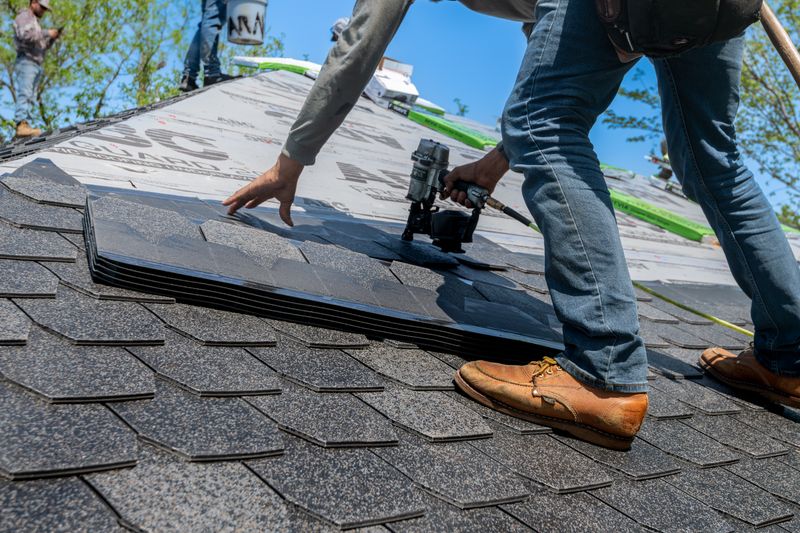
Roof Replacement in Baton Rouge
Read More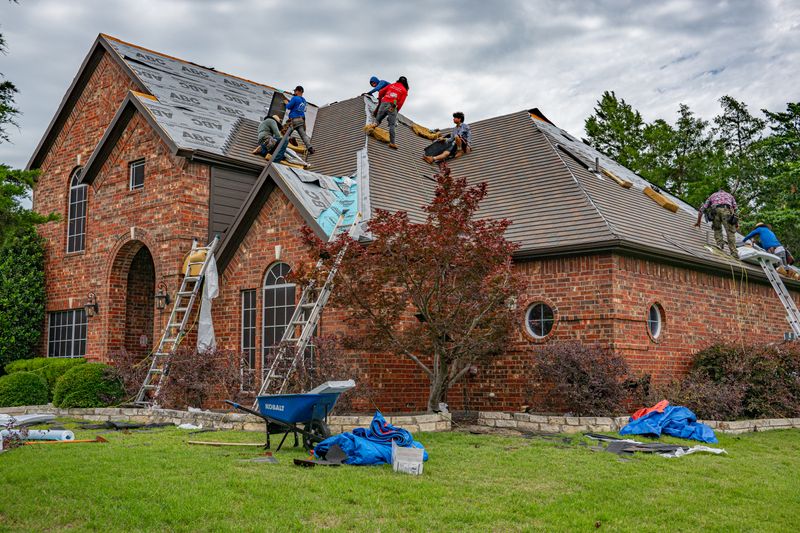
Roof Repairs in Baton Rouge
Read More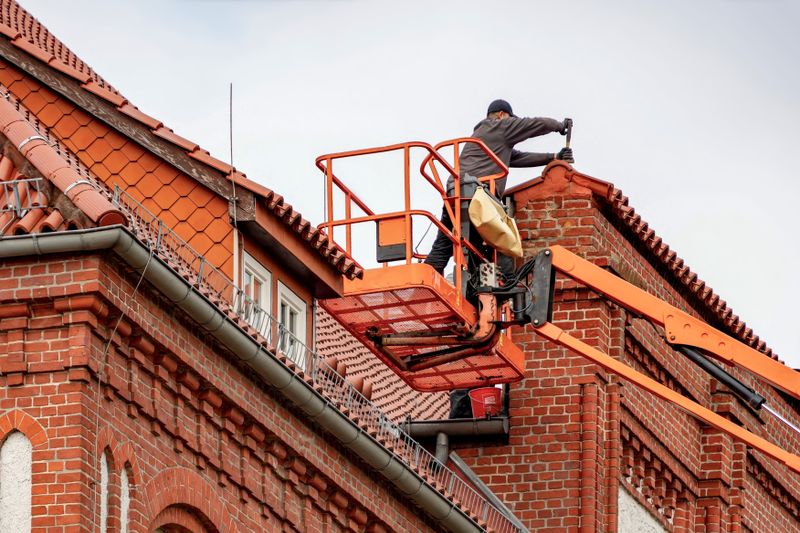
Roof Inspection in Baton Rouge
Read More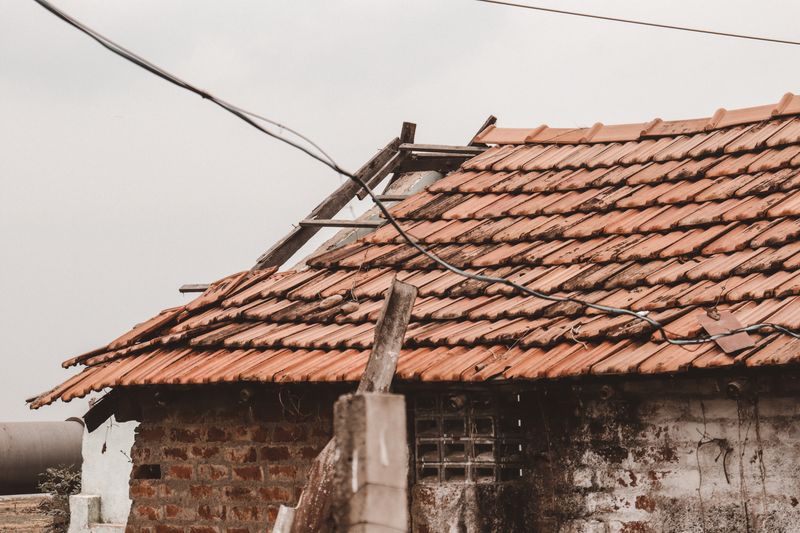
Hail Damage Roof Repair in Baton Rouge
Read MoreStorm Damage Roof Repair in Baton Rouge
Read More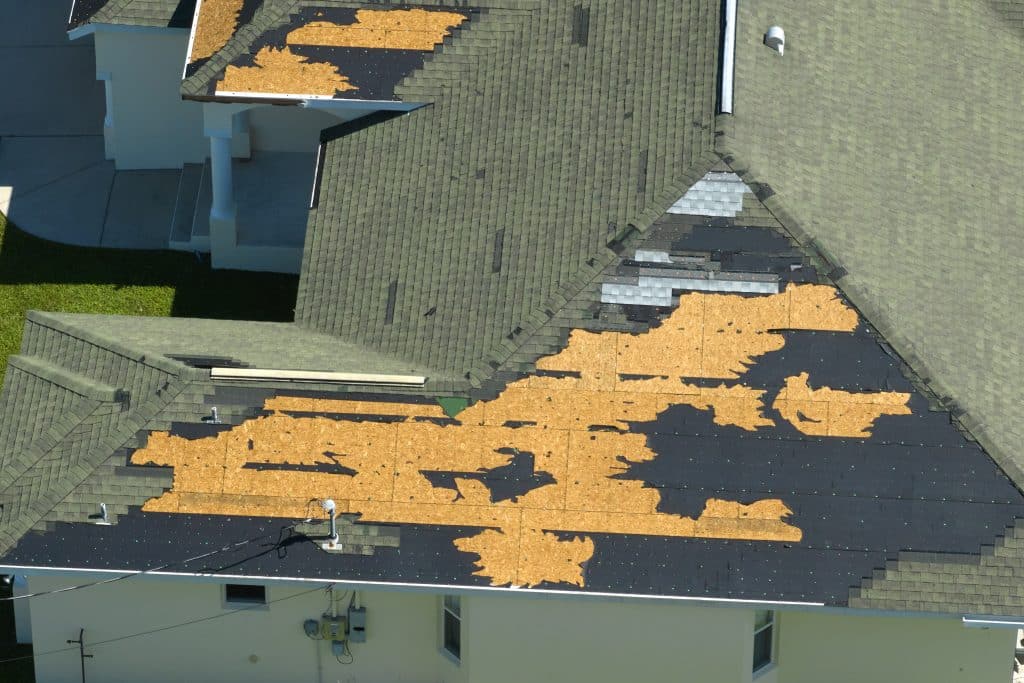
Storm Damage Emergency Response in Baton Rouge
Read More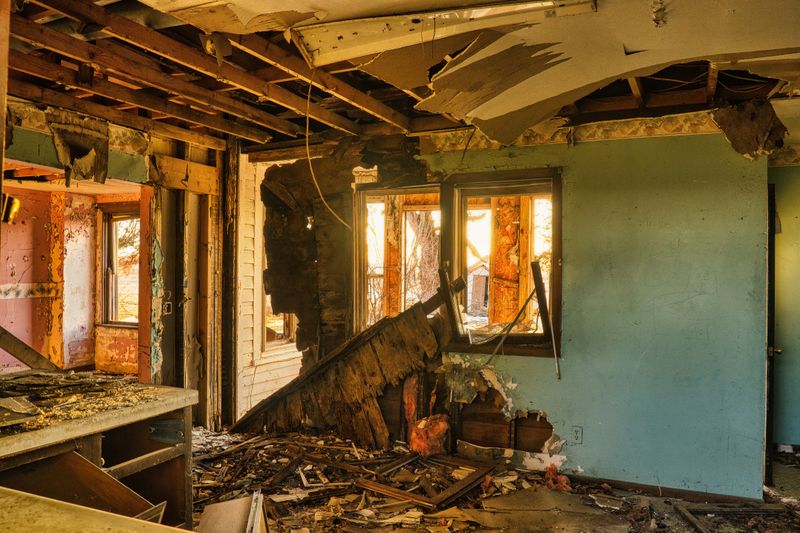
Roof Leak Detection in Baton Rouge
Read More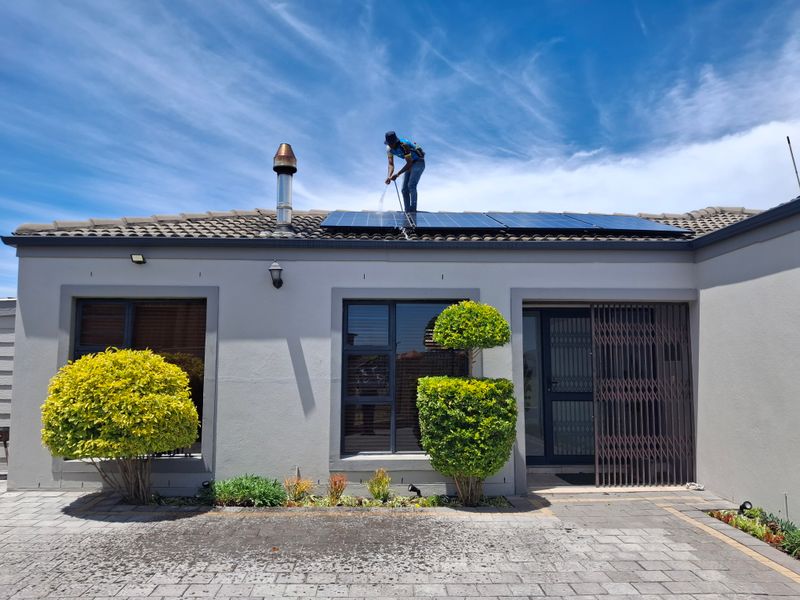
Roof Maintenance in Baton Rouge
Read More
Roof Coating in Baton Rouge
Read More
Roof Ventilation in Baton Rouge
Read More
Roof Weatherproofing in Baton Rouge
Read More
Roof Restoration in Baton Rouge
Read More
Roof Flashing Repair in Baton Rouge
Read More
Fascia Board Installation and Repair in Baton Rouge
Read More
Gutters and Downspouts Installation in Baton Rouge
Read More
Gutters and Downspouts Repair in Baton Rouge
Read More
Siding Installation in Baton Rouge
Read More
Asbestos Roof Removal in Baton Rouge
Read More
Roof Insurance Claims in Baton Rouge
Read More
Soffit Installation in Baton Rouge
Read More
Soffit Repair in Baton Rouge
Read More
Commercial Roof Replacement in Baton Rouge
Read More
Commercial Roof Repairs in Baton Rouge
Read More
Commercial Roof Inspections in Baton Rouge
Read More
Commercial Hail Damage Repair in Baton Rouge
Read More
Commercial Re-Roofing in Baton Rouge
Read More
Commercial Roof Coating in Baton Rouge
Read More
Commercial Elastomeric Coatings in Baton Rouge
Read More
Commercial Roof Ventilation in Baton Rouge
Read More
Commercial Roof Leak Detection in Baton Rouge
Read More
Commercial Siding Installation in Baton Rouge
Read MoreBaton Rouge Emergency Roof Repair FAQs
The questions that come up during a roof emergency in Baton Rouge, answered plainly.