




Commercial Roof Inspections in Baton Rouge, LA
Big Easy Roofing inspects commercial roofs across Baton Rouge and East Baton Rouge Parish. On a low slope roof the expensive problem is under the membrane rather than on it, so an inspection that only reports what can be seen from the surface has looked at the cheapest part of the roof.
Baton Rouge commercial roof inspection at a glance
A commercial inspection has one job that a residential one does not: establishing whether the insulation under the membrane is wet. That single question decides whether the next intervention is a repair, a recover or a full tear off, and it cannot be answered by looking at the roof.
What is inspected
Membrane and seams, every flashing and penetration, drainage and ponding, perimeter and edge detail, and the moisture condition of the insulation below. Call Big Easy Roofing on (504) 800-8196 to book it.
Who permits new work
An inspection needs no permit; it is not construction. Where it leads to a reroof, that is permitted and inspected through Permits and Inspections, or through St. George, Baker, Zachary or Central if the address sits there.
The parish inspection is a different thing
The inspection that follows an Act 239 permit checks new work against the code. It is not a condition survey of your existing roof and it does not tell you how much life is left in one. Those are two separate exercises with two separate purposes.
What confirms wet insulation
Infrared and capacitance surveys find candidate areas. A core cut is the only method that is conclusive, because it is the only one where somebody physically looks at the insulation. It is destructive, so it confirms rather than searches.
What you get
Photographed findings, defects ranked by whether they are letting water in now or will do, moisture areas marked on a roof plan, and a recommendation with reasoning rather than a verdict.
What it is worth over time
One inspection is a snapshot. A series of them is a record of how the roof is changing, which is what turns a roof from an unpredictable expense into a planned one.
The reason commercial roof inspection is a distinct service rather than a look round is that the failure that matters most is invisible. Water that gets past a membrane does not usually run straight through to the ceiling. It soaks into the insulation and spreads sideways, and a small breach can wet an area many times its own size before anybody inside the building notices anything at all.
Wet insulation has three consequences and all of them cost money. It stops insulating, so the building costs more to condition. It gets heavy, which adds load the roof was not designed to carry. And it holds water against the deck, which is where corrosion of a steel deck or rot in a timber one begins. By the time it announces itself inside, the area to be replaced is rarely small, which is why the point of a survey is to find it while it still is.
How wet insulation is found and where each method falls down
There are three practical ways to find water under a membrane and none of them is right on its own. Knowing what each one cannot do is what stops a survey being sold as more certain than it is, and it is also what decides when the survey can be run at all.
| Method | How it works | What it is good at | Where it falls down |
|---|---|---|---|
| Infrared thermography | Wet insulation holds heat longer, so it shows after sunset | Covering a large roof quickly and mapping the shape of an area | Needs a dry surface and a real temperature differential, so the window is narrow here |
| Capacitance or impedance meter | Reads electrical properties through the assembly | Spot checking, and working in conditions infrared cannot | Reads a depth rather than a certainty, and surface moisture skews it |
| Core cut | A small section is physically removed and examined | The only conclusive answer, and it shows the full build up as well | Destructive and local, so it confirms a suspicion rather than finding one |
| Visual inspection alone | Looking at the membrane and the flashings | Finding open seams, split flashings, blocked outlets and impact damage | Cannot see moisture at all, which is the finding that decides the cost |
Used together they answer the question properly: infrared or a meter to find the candidate areas, cores to confirm them, and the confirmed areas marked on a roof plan so the quantity is known rather than guessed. In south Louisiana the infrared window is the binding constraint, because it needs a dry surface and a clear evening, which is a real scheduling limit rather than a preference. Call (504) 800-8196 and we will set the survey up around it.
What goes in the report and why the warranty depends on it
A commercial inspection report is a document other people have to be able to act on: a facilities manager, a finance director approving a budget, a buyer during a sale, and in some cases the membrane manufacturer. That shapes what has to be in it.
Findings ranked by urgency
Defects separated into what is admitting water now, what carries an elevated risk of doing so within the planning horizon, and what is a note for the file. A flat list of everything wrong with a roof is not a document anybody can budget against.
Moisture marked on a plan
Candidate areas from the survey, the core cut locations, and what each core actually showed. That is what converts a survey into a quantity somebody can price, rather than a statement that there is water somewhere.
Warranties usually carry conditions
A manufacturer system warranty commonly requires periodic inspection and maintenance, and requires that repairs are done in a particular way. Conditions vary by manufacturer and by the warranty issued, so the document itself is the authority. Losing cover you have already paid for is an avoidable way to lose money.
A recommendation with the reasoning
Repair, recover or replace, with what led there set out so it can be argued with. An inspection that arrives at replacement without showing the evidence for it is a quote wearing a report as a disguise.
Ponding is a symptom, not automatically a defect
Water sitting on a low slope roof after rain is normal for a period. Water still sitting there long afterwards is telling you something about the falls or about the outlets, and the two have different fixes. Reporting every puddle as a defect is as unhelpful as reporting none of them.
What matters is where the standing water is relative to seams and penetrations, whether it is over an area the moisture survey has flagged, and whether the outlets serving it are clear. Those three together turn a puddle into a finding.
The edge is where wind takes a roof
Perimeter and edge metal do more structural work on a low slope roof than their cost suggests. Wind uplift concentrates at the edges and corners, and a membrane that is sound in the field can be let go by an edge detail that has loosened.
It is a small part of the roof and a large part of the risk, so it gets recorded specifically rather than as part of a general note about the membrane. Fixing loose edge metal is cheap. Replacing a roof that left in a storm is not.
How often a commercial roof here is worth looking at
Cadence is a judgement rather than a rule, and it depends on the assembly, the age and what the building does. What is not a judgement is that inspecting only after something has gone wrong makes the roof more expensive than it needed to be.
Twice a year is the common commercial pattern
One survey before the summer storm season and one after it is the pattern most commercial roof programmes settle on, because it puts an inspection either side of the period that does the damage. Debris clearance and outlet checks belong to the same visits.
That is a starting point rather than a prescription. A new roof under warranty, an old roof being nursed to a planned replacement, and a roof carrying heavy plant traffic are three different cases with three different answers.
And after any event that could have moved something
A named storm, hail, or work by another trade on the roof are all reasons to look, and the last of those is the one that gets forgotten. A mechanical contractor fitting a new unit creates penetrations somebody has to flash and record.
Looking soon afterwards matters because a breach that is found early is a repair, and the same breach found after a season of rain has soaked the insulation around it is a replacement of an area rather than a patch.
The value is in the series, not the visit
A single inspection tells you the condition today. Three years of them tell you the rate of change, which is the number a budget actually needs. It also puts the building in a position to answer questions during a sale or a refinance without scrambling.
That is the argument for keeping the reports in one place with the permit files, the warranty documents and the record of every repair. It costs nothing to keep and it is not reconstructable later.
Big Easy Roofing Process
Four steps, and the moisture survey is scheduled around the weather rather than around the diary, because that is what the method requires.

Walk the roof and record it
Membrane and seams, every flashing and penetration, edge and perimeter metal, drainage and ponding, and any evidence of work by other trades. Photographed and located on a plan rather than described.
Survey for moisture
Infrared after sunset on a dry clear evening where conditions allow it, a capacitance meter where they do not, and the candidate areas marked up. Booked around the weather because the method depends on it.
Confirm with cores where it matters
Core cuts taken in the flagged areas and made good, so the report states what was actually found rather than what the survey suggested. The build up gets recorded at the same time.
Report, ranked and priced
Findings separated by urgency, moisture areas marked on the plan, and a recommendation with the reasoning behind it. Call (504) 800-8196 to book the inspection.
Everything else we do in Baton Rouge
The rest of the Big Easy Roofing services available in Baton Rouge, each with its own page and scope of work. An inspection ends in a report and a recommendation; where that recommendation is repair or replacement, those pages set out how each is priced and permitted.
Roof Replacement in Baton Rouge
Read More
Roof Repairs in Baton Rouge
Read More
Roof Inspection in Baton Rouge
Read More
Hail Damage Roof Repair in Baton Rouge
Read More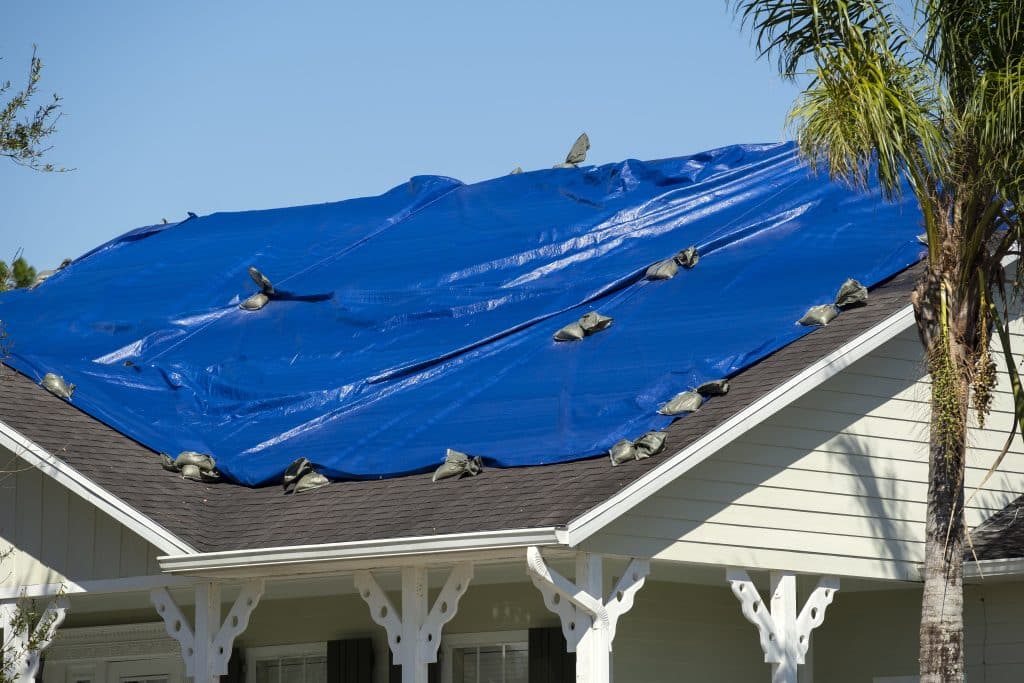
Storm Damage Roof Repair in Baton Rouge
Read More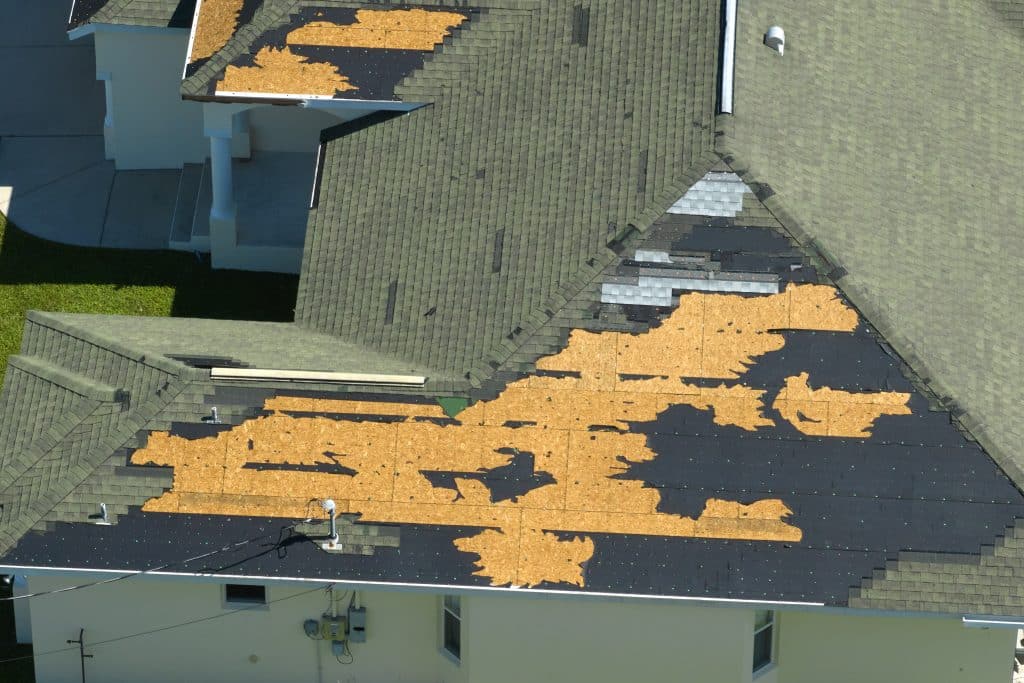
Storm Damage Emergency Response in Baton Rouge
Read More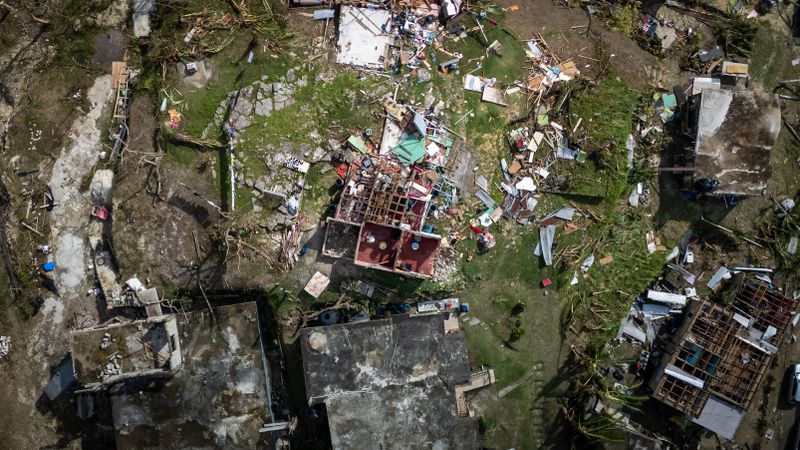
Emergency Roofing in Baton Rouge
Read More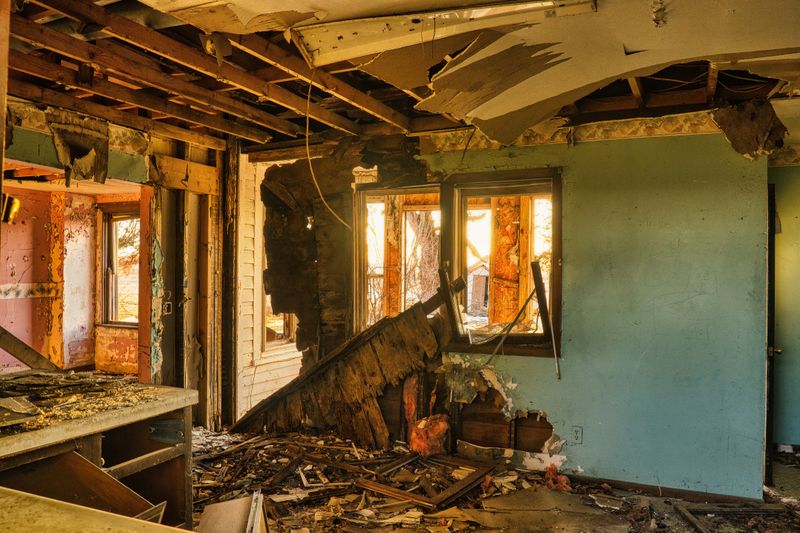
Roof Leak Detection in Baton Rouge
Read More
Roof Maintenance in Baton Rouge
Read More
Roof Coating in Baton Rouge
Read More
Roof Ventilation in Baton Rouge
Read More
Roof Weatherproofing in Baton Rouge
Read More
Roof Restoration in Baton Rouge
Read More
Roof Flashing Repair in Baton Rouge
Read More
Fascia Board Installation and Repair in Baton Rouge
Read More
Gutters and Downspouts Installation in Baton Rouge
Read More
Gutters and Downspouts Repair in Baton Rouge
Read More
Siding Installation in Baton Rouge
Read More
Asbestos Roof Removal in Baton Rouge
Read More
Roof Insurance Claims in Baton Rouge
Read More
Soffit Installation in Baton Rouge
Read More
Soffit Repair in Baton Rouge
Read More
Commercial Roof Replacement in Baton Rouge
Read More
Commercial Roof Repairs in Baton Rouge
Read More
Commercial Hail Damage Repair in Baton Rouge
Read More
Commercial Re-Roofing in Baton Rouge
Read More
Commercial Roof Coating in Baton Rouge
Read More
Commercial Elastomeric Coatings in Baton Rouge
Read More
Commercial Roof Ventilation in Baton Rouge
Read More
Commercial Roof Leak Detection in Baton Rouge
Read More
Commercial Siding Installation in Baton Rouge
Read MoreBaton Rouge Commercial Roof Inspections FAQs
The questions worth asking before commissioning a commercial roof inspection in Baton Rouge, whether you own the building or run it.