



Commercial Elastomeric Coatings in Baton Rouge, LA
Big Easy Roofing applies elastomeric coating systems to commercial roofs across Baton Rouge and East Baton Rouge Parish. A coating tends to give way at the seams, the curbs, the drains and the parapet long before it does in the middle of the roof, so those are the lines in the scope worth reading first.
Baton Rouge elastomeric coatings at a glance
An elastomeric coating is a liquid applied film that stretches and recovers as the roof moves. The acrylic type is the subject of an ASTM standard. Service life depends on several things, and the one easiest to leave out of a quote is whether the details were reinforced with fabric.
Where coatings tend to fail
Rather than the open field. Seams, curbs, drains, parapet junctions and penetrations are where the roof moves most and where the film sits thinnest over an edge, so those are the places a specification has to name.
Who issues the permit
For Baton Rouge and the unincorporated parish. The City of St. George took applications filed on or after 16 October 2024, and Baker, Zachary and Central run their own. A coating over a sound covering is maintenance rather than the re roofing the 2025 rule covers.
The standard
The standard specification for liquid applied acrylic roof coating. It is published in revised editions, so a datasheet that names the standard without naming the edition has told you less than it appears to.
What it does not cover
The standard is written for water dispersed acrylic. IIBEC records that it explicitly excludes styrenated, urethane, silicone, butyl and vinyl acetate polymers, so elastomeric printed on a silicone pail is not a claim against it.
The reinforcement
Embedded into the coating at every detail rather than laid over the top. It is a small share of the material cost and a large share of how long the system holds together.
The scheduling constraint
A water dispersed coating needs a dry spell to cure to the properties the standard describes, and Baton Rouge weather narrows that window, so the roof is staged in sections around the forecast.
Elastomeric is a description of behaviour rather than a brand: the cured film stretches and recovers instead of cracking when the roof underneath it expands and contracts. That matters because a rigid film on a moving roof splits at the points of greatest movement, and the points of greatest movement are the seams, the curbs and the parapet junctions, which are exactly the places a coating is there to protect.
For the acrylic type there is an ASTM standard behind the word, currently published as D6083/D6083M, which sets minimum properties for the cured film including elongation, tensile strength, adhesion, permeance and low temperature flexibility after weathering. Two things are worth knowing about it. It has been revised more than once, so the edition claimed is part of the claim. And it covers water dispersed acrylic only, so a silicone or urethane product described as elastomeric is not making the same statement. Big Easy Roofing names the product and the edition of the standard it is stated to meet, and where the right answer for a roof is a different chemistry we say so rather than stretching the word to fit.
A map of where the film gives way
A coating fails at the places the roof moves and the film is thinnest, which are almost never in the open field. This is what a specification should require at each of them, and the reinforcement column is the one that separates a real elastomeric scope from a price per square foot.
| Where on the roof | Why the film gives way there | Fabric reinforcement | What the scope should say |
|---|---|---|---|
| The open field | Least movement and a continuous surface, so the film is doing the easy part | Not usually needed | The specified dry film carried across the whole area |
| Laps and seams | The two sides move against each other, so the film is worked back and forth | Required | Fabric embedded in a base coat along the full run of every seam |
| Curbs and equipment kerbs | Rooftop plant transmits vibration and the corners concentrate it | Required | Fabric carried up the vertical and back onto the deck, corners cut in |
| Drains and scuppers | Water stands longest here and the film thins over the edge | Required | A fabric collar, with the drain clamp reinstated rather than coated over |
| Parapet junction | Two planes at right angles moving independently of one another | Required | Fabric at the angle change, carried onto both the deck and the wall |
| Pipes and penetrations | A round shape pulls the film thin on the radius as it is worked | Required | A fabric collar cut to the shape and terminated at the top |
Reinforcement is a small share of the material on a roof and a large share of how long the system lasts, which is why it is a named line in a Big Easy Roofing scope rather than something assumed. How the thickness itself is specified and costed is set out on the commercial roof coating page. Call (504) 800-8196 for a scope with the details written into it.
Reading the standard, and who permits the work
The standard tells you how a cured film behaves in a laboratory. It does not tell you the roof is a candidate, that the substrate will hold the coating, or that acrylic suits your drainage. Those are survey questions, and the permit position is separate again.
The standard
The standard specification for liquid applied acrylic roof coating. Ask which edition a datasheet claims, because it has been revised more than once and the current edition is the 2024 one. The numeric minimums live in the standard itself, which is a paid document.
The limit of it
Compliance describes the cured film under laboratory conditions. It says nothing about whether your roof is a candidate, how the coating will adhere to your particular substrate or whether the drainage suits an acrylic at all. It is a floor for the product, not a verdict on the installation.
Who issues the permit
Through Permits and Inspections for most of the city parish. Four municipalities inside it run their own offices, so the address is what decides the route: St. George from 16 October 2024, and Baker, Zachary and Central. We establish which one covers the building before anything is filed.
How the fee is set
There is no roofing line in the East Baton Rouge schedule. A commercial permit runs at $5 per thousand dollars of construction valuation up to $100,000, with a $100 minimum and a separate plan review fee. The full band table is on the commercial roof repairs page. Read from the parish fee page on 3 September 2026.
Elastomeric is not one thing
The word describes how a film behaves, not what it is made of, and only one chemistry has this particular standard behind it. IIBEC records that D6083 is written for water dispersed acrylic and explicitly excludes styrenated, urethane, silicone, butyl and vinyl acetate polymers.
So a silicone coating can be perfectly elastomeric in behaviour and perfectly right for a roof that holds water, while not being a D6083 product at all. Which chemistry suits a given roof is a drainage and exposure question, set out on the roof coating page. What matters here is that the two claims do not get treated as the same claim.
What to ask a bidder for
Three lines, and they cost a bidder nothing to supply. The product name. The edition of the standard the datasheet claims. And where reinforcing fabric is being installed, listed by location rather than described as included.
The third is the one that separates two quotes that otherwise read alike. A bid with no reinforcement at the seams, curbs and drains is usually cheaper because it is a smaller job, and the details are where that difference would tell rather than on the day it is finished.
What a Baton Rouge roof does to an elastomeric film
Two local conditions decide how an elastomeric system performs here, and they pull against each other. The roof moves every day, which is the argument for a film that stretches. And the weather is wet, which narrows the window in which a water dispersed film can cure to the properties it is specified for.
Daily movement
A low slope commercial roof in this climate warms hard under summer sun and gives that heat back overnight, and the assembly expands and contracts with it every day of its life. A film that cannot follow that movement does not fail evenly. It opens at the seams and the angle changes first, which is the argument for both the elastomeric behaviour and the fabric at the details.
The cure window
A water dispersed coating cures by losing water to the air, so it needs a dry spell after application to reach the properties the standard describes. The National Weather Service 1991 to 2020 normal for Baton Rouge Ryan Field is 61.94 inches of rain a year, with June the wettest month at 6.45 inches, and it tends to arrive in short heavy bursts rather than steadily.
That does not stop the work, it schedules it. The roof is staged in sections sized to what can be applied and left to cure inside the forecast, rather than opened up wholesale. A film rained on before it has cured has not simply been delayed, it may not reach the specification it was written to.
Standing water
Acrylic based films are generally the less tolerant of water that sits, and ponding resistance varies between products, so on a roof that holds water we read the documents for that particular system rather than relying on the standard, and check what its warranty says about ponding. Where the answer is a different chemistry we say so. Drainage that can be corrected is better corrected than coated around.
Big Easy Roofing Process
Four steps, and the reinforcement is a stage of its own rather than a line inside the coating stage, because that is the part a fast job leaves out.

Survey and choose the chemistry
The roof is walked, the drainage assessed and the substrate checked before a product is named. Where the roof holds water, an acrylic elastomeric is the wrong answer and we say so at this stage.
Specify the product and the edition
The scope names the product, the edition of the standard it is stated to meet, and the thickness the finished system has to reach. The commercial roof coating page sets out how that thickness is arrived at.
Prepare, then reinforce the details
Cleaning and repairs first, then fabric embedded in a base coat at every seam, curb, drain, parapet junction and penetration, before any field coat goes on.
Coat the field in stages
The field applied in sections sized to the forecast, so each one has the dry spell it needs to cure rather than being caught by an afternoon storm.
Everything else we do in Baton Rouge
The rest of the Big Easy Roofing services available in Baton Rouge, each with its own page and written estimate. This page covers the standard and the reinforced details. How a coating is specified and costed is on the commercial roof coating page, and whether a roof is a candidate at all is on the roof coating page.
Roof Replacement in Baton Rouge
Read More
Roof Repairs in Baton Rouge
Read More
Roof Inspection in Baton Rouge
Read More
Hail Damage Roof Repair in Baton Rouge
Read More
Storm Damage Roof Repair in Baton Rouge
Read More
Storm Damage Emergency Response in Baton Rouge
Read More
Emergency Roofing in Baton Rouge
Read More
Roof Leak Detection in Baton Rouge
Read More
Roof Maintenance in Baton Rouge
Read More
Roof Coating in Baton Rouge
Read More
Roof Ventilation in Baton Rouge
Read More
Roof Weatherproofing in Baton Rouge
Read More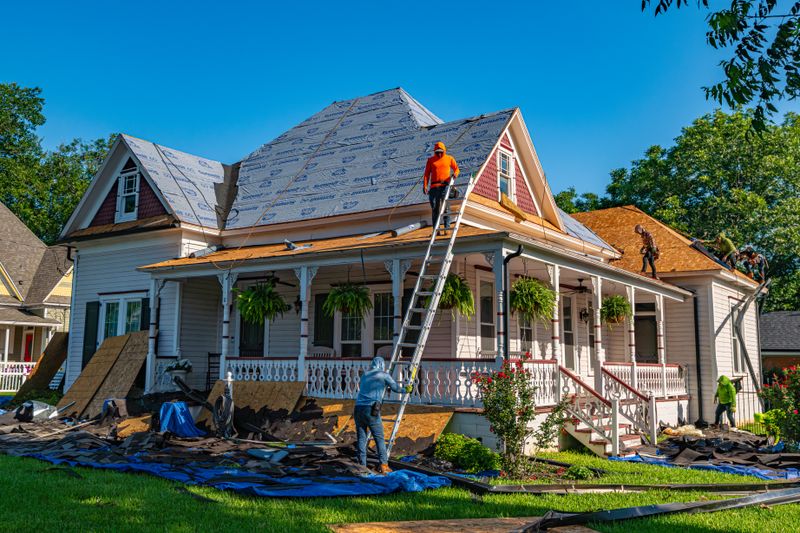
Roof Restoration in Baton Rouge
Read More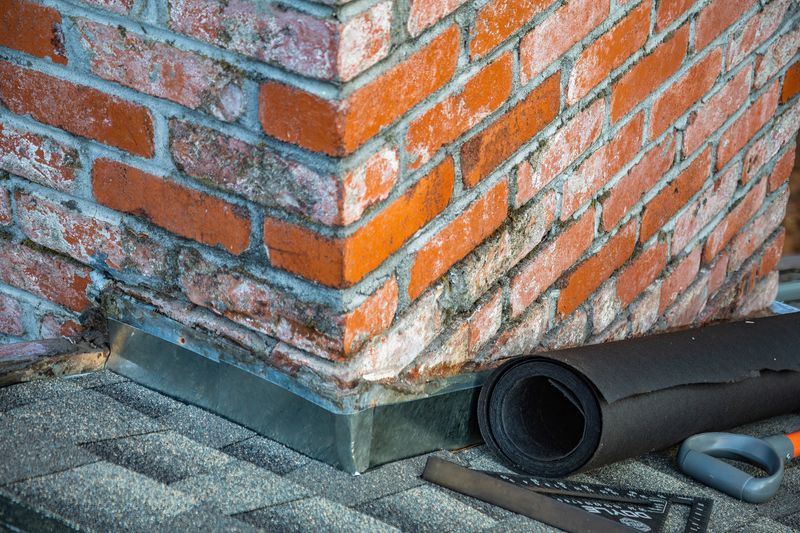
Roof Flashing Repair in Baton Rouge
Read More
Fascia Board Installation and Repair in Baton Rouge
Read More
Gutters and Downspouts Installation in Baton Rouge
Read More
Gutters and Downspouts Repair in Baton Rouge
Read More
Siding Installation in Baton Rouge
Read More
Asbestos Roof Removal in Baton Rouge
Read More
Roof Insurance Claims in Baton Rouge
Read More
Soffit Installation in Baton Rouge
Read More
Soffit Repair in Baton Rouge
Read More
Commercial Roof Replacement in Baton Rouge
Read More
Commercial Roof Repairs in Baton Rouge
Read More
Commercial Roof Inspections in Baton Rouge
Read More
Commercial Hail Damage Repair in Baton Rouge
Read More
Commercial Re-Roofing in Baton Rouge
Read More
Commercial Roof Coating in Baton Rouge
Read More
Commercial Roof Ventilation in Baton Rouge
Read More