




Commercial Roof Ventilation in Baton Rouge, LA
Big Easy Roofing works on commercial roof ventilation across Baton Rouge and East Baton Rouge Parish. Almost everything written about roof ventilation is written about houses, and on a flat commercial roof almost none of it applies. There is no attic in the assembly to ventilate.
Baton Rouge commercial roof ventilation at a glance
Commercial ventilation splits by building type. A pitched or metal building with a real roof space can be ventilated with rooftop units. A low slope membrane roof has no cavity to ventilate at all, and there the useful work is finding out what is wetting the insulation rather than adding vents to it.
What a low slope roof has
A conventional low slope commercial roof is a compact stack: deck, insulation, membrane, and sometimes an air or vapour control layer chosen for that assembly. There is no ventilated space in it by design, so there is nothing for a vent to ventilate.
Who issues the permit
For Baton Rouge and the unincorporated parish. St. George took applications filed on or after 16 October 2024, and Baker, Zachary and Central run their own. A rooftop unit cut into a membrane is roof work and the scope is confirmed before it starts.
The climate zone
The Louisiana energy code places every parish in the state in climate zone 2A, hot and humid. That single fact is why residential ventilation advice does not transfer to a sealed roof here.
Which way the vapour runs
For most of the year the humid outside air carries more moisture than the conditioned inside air, so the drive is inward. Cold climate ventilation guidance assumes the opposite, which is why it does not transfer here without checking.
The first useful step
Wet insulation has a cause, and vents are not it. Finding whether the water is arriving through a breach, through the air, or from inside the building is what decides the work, and it is a survey rather than an installation.
Where vents still earn their place
A pitched or metal building with an actual space above the ceiling, and rooftop exhaust on a warehouse or production building, are genuine ventilation jobs. The category is not useless, it is just misapplied to flat roofs.
The residential rule, one square foot of net free vent area for every three hundred square feet of attic floor, describes an attic: a cavity between a ceiling and a sloping roof, with intake low at the eave and exhaust high at the ridge. That rule is real, it is on the roof ventilation page for houses, and it has nothing to describe on a flat commercial roof, because the cavity it depends on does not exist there.
What follows from that is the part worth reading twice. When a building owner finds damp insulation, the instinct is to ask for vents. In a climate zone whose vapour drive runs inward for most of the year, opening a sealed assembly to outside air tends to bring moisture in rather than let it out, and breather vents or one way edge vents rarely move enough air to matter either way. So Big Easy Roofing diagnoses the source first and says plainly when the answer is not a vent, which on a low slope roof it usually is not.
What actually helps, building type by building type
Ventilation is not one question, it is several. What helps depends entirely on whether the building actually has a space above the ceiling, and on a low slope commercial roof the honest answer is very often that adding vents is not the fix at all.
| Building type | What is above the ceiling | What actually helps | What gets sold instead |
|---|---|---|---|
| Low slope membrane roof | A compact stack with no cavity in it | A moisture survey, then repair or replace the wet area | Breather vents and one way edge vents |
| Pitched building with a roof space | A real ventilated space | Balanced intake and exhaust sized to that space | Exhaust added with no matching intake |
| Metal building with a roof space | A space, often with the liner as the ceiling | Ridge or rooftop ventilators, detailed back into the panel system | Units cut in without reworking the flashing |
| Warehouse or production building | Heat and process moisture inside, not in the roof | Powered rooftop exhaust, treated as a building services question | Roof vents asked to solve a process problem |
| Any roof with wet insulation | Water that arrived from somewhere | Find the source before anything is installed | Vents, which seal the question rather than answer it |
The highlighted row is the assembly this page is mainly about, and the one where adding vents does not address the cause, which is why it is marked. Nothing here is a price: what a given building needs is established at survey. Call (504) 800-8196 and we will look at what is actually wetting the roof before quoting anything to install.
Code, the permit, and the limit of what a roofer should touch
Cutting a unit into a membrane is roof work and it is done to the roof manufacturer published detail, because a curb detailed badly is a new leak and can put an existing membrane warranty at risk. The electrical side is a different trade.
Who issues the permit
For Baton Rouge and the unincorporated parish, through Permits and Inspections, or through St. George, Baker, Zachary or Central where the address sits there. Whether a given scope is caught depends on the work, so it is confirmed rather than assumed.
The curb and the flashing
Every unit set into a membrane roof is a penetration, and it is detailed back into the system to the roof manufacturer own published detail. That is what keeps a new opening from becoming the next leak.
The electrical work
A powered exhaust fan needs a connection, and that is an electrical scope with its own permit and its own licensed trade. We do not price it and we do not carry it out.
How the fee is set
There is no roofing line in the East Baton Rouge schedule. A commercial permit runs at $5 per thousand dollars of construction valuation up to $100,000, with a $100 minimum and a separate plan review fee. The commercial roof repairs page carries the full fee bands. Read from the parish fee page on 3 September 2026.
Why a vapour drive matters more than a vent count
The Louisiana energy code places every parish in the state in climate zone 2A, which is the hot and humid classification. For most of the year the outside air here holds more moisture than the conditioned air inside a building, so the pressure to move water runs inward through the assembly rather than outward.
Ventilation guidance written for a cold climate assumes the reverse, that warm damp inside air is trying to escape into a cold roof space and must be given somewhere to go. Applying that logic to a sealed low slope roof in Louisiana is how a dry assembly gets opened to humid air. The assembly type and the climate zone decide the answer, not the number of vents on the roof.
Three places the water usually comes from
A breach in the membrane or a detail, which is what commercial roof leak detection is for. Air carrying moisture into the assembly through gaps at the deck, the perimeter or the penetrations, which is an air sealing question rather than a venting one. Or moisture generated inside the building itself and never extracted, which is a building services question.
Those three have completely different fixes and only the first is a roofing repair. Establishing which one is happening is why the survey comes before any purchase, and it is the reason this page does not open with a product.
Why added vents often make it worse here
Two things are true at once in this climate, and holding both is what separates a useful answer from a sale. The roof genuinely does get wet, sometimes badly. And the remedy that gets sold for it, more vents, genuinely does not fix it and can make it worse.
Humid air is the supply
In a hot humid zone the outside air is the wetter side for most of the year. A vent is an opening, and an opening into a sealed assembly works in whichever direction the pressure runs. Where that runs inward, the vent is a supply rather than a relief. This is why a roof can be vented and still get wetter.
Rain here arrives in bursts
The National Weather Service 1991 to 2020 normal for Baton Rouge Ryan Field is 61.94 inches of rain a year, with June the wettest month at 6.45 inches, and it tends to fall in short heavy bursts rather than steadily. Any opening cut into a roof surface in this market is tested hard and often, which is why the curb detail matters more than the unit specification does.
What we will say no to
If a low slope roof has wet insulation, we will not sell vents for it. The insulation is wet because water is arriving from somewhere, and until that is established anything installed on top is a cost without an outcome. Where the honest answer is a survey, a repair or a replacement rather than a ventilation job, that is what we will tell you.
Big Easy Roofing Process
Four steps, and the first two are diagnosis rather than installation, because on a low slope commercial roof the correct outcome is often that no vent gets fitted.

Establish what the roof actually is
Whether there is a cavity above the ceiling at all decides everything that follows. A compact low slope assembly and a pitched building with a roof space are different questions with different answers.
Find out where the moisture comes from
A breach, air movement into the assembly, or moisture generated inside the building. Those have different fixes and only one of them is a roof repair, so it is worth knowing before anything is bought.
Recommend the work that matches the cause
Which on a wet low slope roof is usually repair or replacement of the wet area, and on a building with a real roof space is balanced intake and exhaust sized to that space.
Detail every penetration back into the system
Any unit set into a membrane is flashed and curbed to the roof manufacturer published detail, so the opening does not become the next leak and an existing membrane warranty is not put at risk.
Everything else we do in Baton Rouge
The rest of the Big Easy Roofing services available in Baton Rouge, each with its own page and written estimate. Attic ventilation on a house is the roof ventilation page. Finding out how much insulation is wet is the commercial roof inspections page, and finding the breach itself is commercial roof leak detection.
Roof Replacement in Baton Rouge
Read More
Roof Repairs in Baton Rouge
Read More
Roof Inspection in Baton Rouge
Read More
Hail Damage Roof Repair in Baton Rouge
Read More
Storm Damage Roof Repair in Baton Rouge
Read More
Storm Damage Emergency Response in Baton Rouge
Read More
Emergency Roofing in Baton Rouge
Read More
Roof Leak Detection in Baton Rouge
Read More
Roof Maintenance in Baton Rouge
Read More
Roof Coating in Baton Rouge
Read More
Roof Ventilation in Baton Rouge
Read More
Roof Weatherproofing in Baton Rouge
Read More
Roof Restoration in Baton Rouge
Read More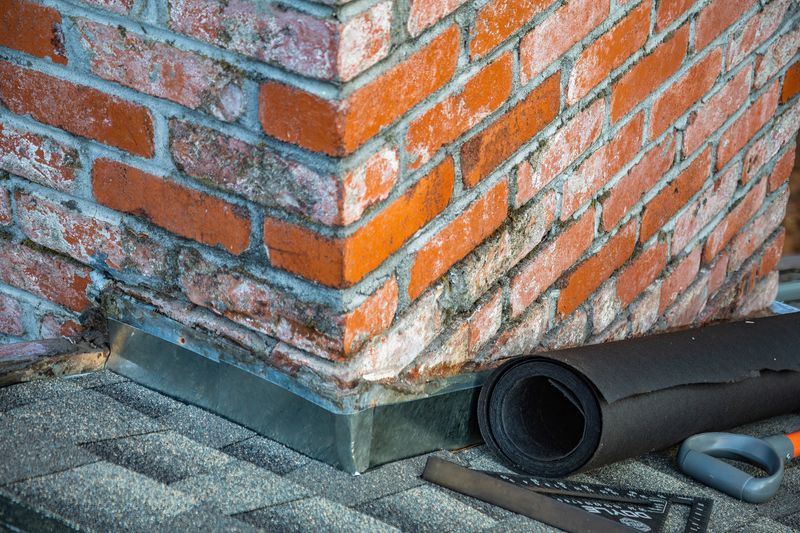
Roof Flashing Repair in Baton Rouge
Read More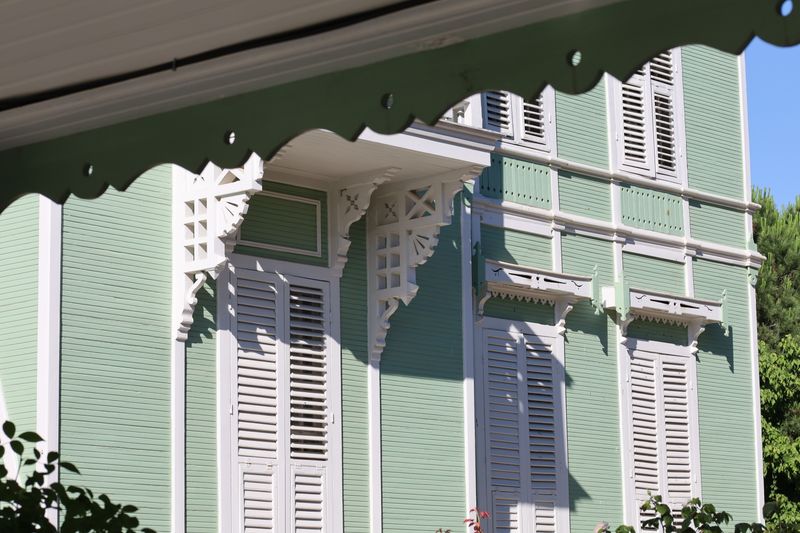
Fascia Board Installation and Repair in Baton Rouge
Read More
Gutters and Downspouts Installation in Baton Rouge
Read More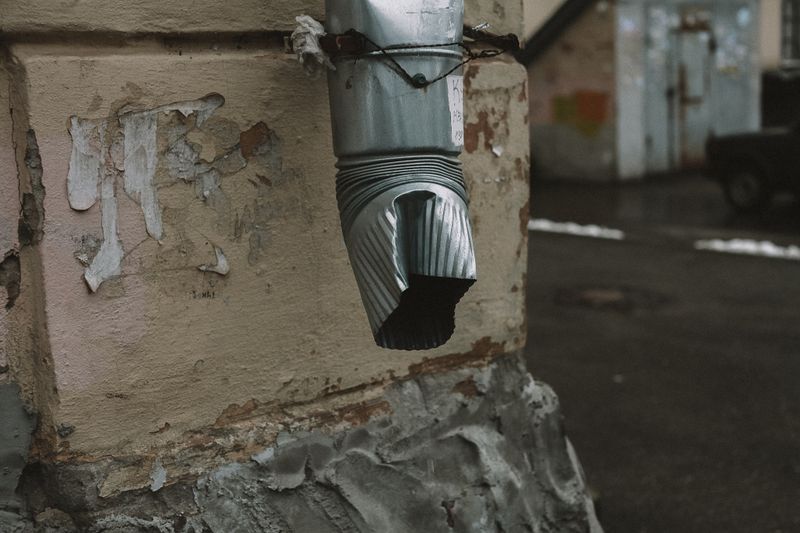
Gutters and Downspouts Repair in Baton Rouge
Read More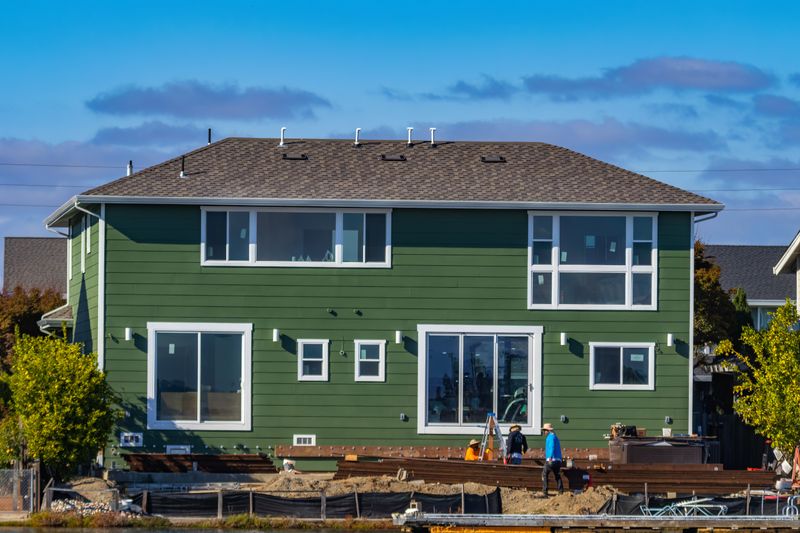
Siding Installation in Baton Rouge
Read More
Asbestos Roof Removal in Baton Rouge
Read More
Roof Insurance Claims in Baton Rouge
Read More
Soffit Installation in Baton Rouge
Read More
Soffit Repair in Baton Rouge
Read More
Commercial Roof Replacement in Baton Rouge
Read More
Commercial Roof Repairs in Baton Rouge
Read More
Commercial Roof Inspections in Baton Rouge
Read More
Commercial Hail Damage Repair in Baton Rouge
Read More
Commercial Re-Roofing in Baton Rouge
Read More
Commercial Roof Coating in Baton Rouge
Read More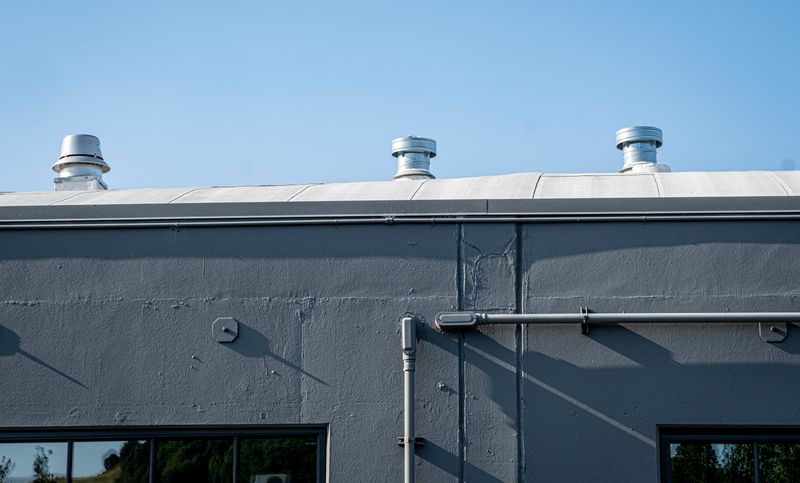
Commercial Elastomeric Coatings in Baton Rouge
Read More
Commercial Roof Leak Detection in Baton Rouge
Read More
Commercial Siding Installation in Baton Rouge
Read MoreBaton Rouge Commercial Roof Ventilation FAQs
Why the residential ventilation answer does not transfer to a flat commercial roof in this climate, and what to do instead.