



Siding Installation in Baton Rouge, LA
Big Easy Roofing fits siding across Baton Rouge and East Baton Rouge Parish. In this climate the material matters less than what sits behind it, so the wall is opened, checked and detailed before any cladding goes back on.
Baton Rouge siding installation at a glance
Siding is estimated at $3 to $18 a square foot fitted, which is a wide band because the material choice covers vinyl at one end and fibre cement or engineered wood at the other. A whole home job normally runs five to ten days on site.
Estimated installed cost
Vinyl at the bottom of the band, fibre cement and engineered wood at the top. Call Big Easy Roofing on (504) 800-8196 and we will measure the elevations and quote the material you actually want.
Who issues the permit
The parish is the permitting authority for Baton Rouge addresses. A like for like siding replacement that touches no structure normally needs no permit, though structural repair found behind the cladding can change that, and we confirm the position with Permits and Inspections if it does.
Typical duration
A whole home, depending on elevations, access, how much trim work there is and what the wall behind the old cladding turns out to need.
What decides the price
Two houses of the same size can differ substantially, because the cladding is the visible half and the wall build behind it is the half that decides how long the job lasts.
Materials fitted
Fibre cement, engineered wood, insulated and standard vinyl, and metal where the look suits. Each behaves differently in sustained damp, which is set out in the table below.
Warranty
Our workmanship warranty on the installation, alongside whatever the manufacturer offers on the product itself. The product terms are theirs, so we confirm what they require before starting.
Every figure on this page is an estimate, not a quote, and is subject to Big Easy Roofing sign off. Cost and timescale depend on size, pitch, access, weather, materials and whatever is found once work starts, so call Big Easy Roofing on (504) 800-8196 and we will come out and give you an estimate for your own roof.
Siding gets chosen on appearance and priced by the square foot, and both of those are reasonable. What decides whether it is still doing its job in fifteen years is neither. It is whether water that gets behind the cladding, which it always eventually does, has a way back out.
That is the drainage plane: the housewrap, the flashing at every opening, and the gap that lets a wall dry. In a climate this humid a wall that cannot dry will fail behind cladding that still looks new, and the cost of putting that right is far higher than the cost of detailing it properly the first time. So the wall gets opened and checked before anything goes back on, and anything found is priced as its own line rather than absorbed quietly.
How each material behaves in this climate
The materials differ more here than they do in a dry state, because sustained humidity and wind driven rain test them in ways a catalogue does not. The table gives the estimated installed cost and how each one actually behaves on the Gulf coast.
| Material | Estimated installed | How it behaves here | Worth knowing |
|---|---|---|---|
| Fibre cement | $8 to $14 /sq ft | Stable in damp and heat, does not feed insects | Heavy, so the wall and fixings matter. Cutting needs dust control |
| Engineered wood | $6 to $12 /sq ft | Lighter than fibre cement, warmer look | Depends entirely on the coating staying intact at cut edges |
| Insulated vinyl | $5 to $9 /sq ft | Better against heat than standard vinyl | The foam backing adds rigidity, which helps in wind |
| Standard vinyl | $3 to $7 /sq ft | Cheapest to fit, least tolerant of sustained heat | Can become brittle over time in this climate, so fixing detail matters |
| Metal cladding | $9 to $18 /sq ft | Sheds water well and takes wind | Fastener and coating choice decide how it ages near the coast |
Estimated ranges, not quotes, and all of them assume a sound wall behind the cladding. Anything found once the old siding is off is priced as its own line and agreed before the crew carries on. Call (504) 800-8196 for a measured quote.
What sits behind the cladding and whether you need a permit
Two questions decide a siding job in Baton Rouge, and neither is which colour. What the wall behind the old cladding is doing, and whether the work needs permitting once anyone has actually looked at it. The colour is the easy part and the part you already know.
Cladding sheds water, it does not seal
No siding system is watertight and none is meant to be. Water gets behind it at openings and in wind driven rain, and the assembly behind is what carries it back out. That is the part that decides the life of the job.
Which matters more in sustained damp
A wall that gets wet and dries is fine. A wall that gets wet and stays wet is not, and this climate supplies far more of the first condition than most. Housewrap laps, flashing at every opening and a drainage gap are what separate the two.
A like for like replacement
Replacing cladding without touching structure normally sits outside permitting. Structural repair found behind it does not, and neither does changing openings, so the position is confirmed with the parish once the wall has been seen rather than assumed beforehand.
Nothing here about roofing rules
The 2025 Louisiana roofing law covers roof construction and re roofing. Siding is neither, so it sits outside that regime altogether, and any roofer telling you otherwise has not read it.
What to ask any siding quote in this market
Ask what happens to the housewrap and the flashing, not just which cladding is going on. A quote that prices only the visible material is pricing half the job, and it is the half that does not decide whether the wall lasts.
Ask, too, what happens if rot is found once the old siding comes off. It is common on an older house, it changes the price, and it belongs on the quote as a named contingency rather than as a conversation on the day.
Why the fixing detail matters more here than the material
Wind loading on a wall is highest at corners and openings, which is exactly where cladding is most often under fixed and where installers rush. A material rated for high wind fitted at the wrong spacing is not rated for anything.
So the fastener type, the spacing and the detail at corners and around windows are worth more attention than the choice between two products that both look fine on a sample board.
What shortens siding on a Gulf coast house
Three things account for siding failing early here, and none of them is the cladding wearing out. They are all about water getting somewhere it cannot easily leave again, which is why the detail work at openings and edges matters more than the product choice.
Openings, which is where nearly all of it starts
Windows and doors are holes in a wall made watertight by flashing rather than by cladding. Head flashing that is missing, short, or lapped the wrong way sends water into the wall instead of over it, and the cladding above looks perfect while it happens.
It is the first thing checked when the old siding comes off, and it is cheap to put right at that moment and expensive at any other.
Ground contact and splash at the bottom course
The bottom of a wall takes splash from every storm and, on a low house, sits close to soil and planting. Cladding held too near the ground wicks moisture upward and never dries properly, so failure starts at the bottom course and works up.
The fix is clearance and a proper starter detail rather than a different material, and it costs almost nothing to get right during an installation.
Cut edges that were never sealed
Fibre cement and engineered wood are protected by their factory coating, and every cut on site creates an edge that has none. Sealing those cut ends is a small, dull, easily skipped step, and skipping it is one of the commoner reasons a good product ages badly.
It is invisible once the board is up, which is exactly why it is worth asking about before the work starts rather than after.
Big Easy Roofing Process
Three steps, and the wall gets looked at between the first and the second, because a siding quote written without seeing the wall is a quote for half the job.
Measure and specify
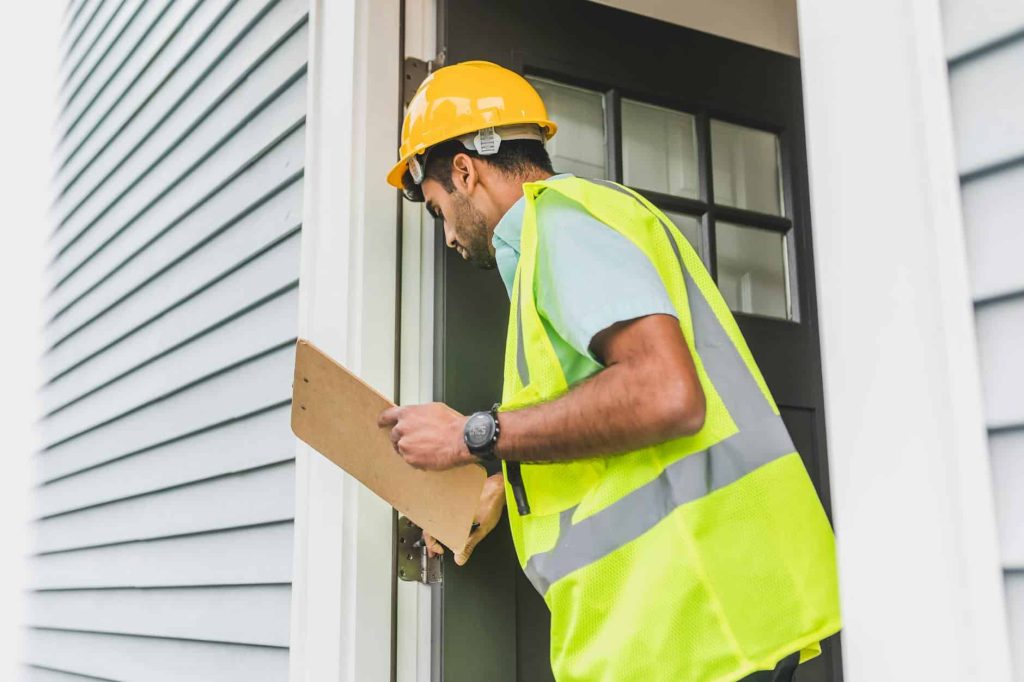
Elevations measured, material and trim agreed, and the existing cladding checked at openings and at the bottom course for what it is likely to be hiding.
Strip, check and detail the wall
Old cladding off, the wall assembly inspected, housewrap and flashing put right, and anything structural found priced as its own line and agreed before we carry on.
Clad, trim and finish
New cladding fitted to the manufacturer detail with the fixing spacing the wind loading needs, trim and corners finished, cut edges sealed, and the site left clear. Call (504) 800-8196 to book the measure.
Everything else we do in Baton Rouge
The rest of the Big Easy Roofing services available in Baton Rouge, each with its own page, scope of work and written estimate. Siding work often uncovers gutter or fascia issues at the same elevation, and those are priced as their own lines.
Roof Replacement in Baton Rouge
Read More
Roof Repairs in Baton Rouge
Read More
Roof Inspection in Baton Rouge
Read More
Hail Damage Roof Repair in Baton Rouge
Read More
Storm Damage Roof Repair in Baton Rouge
Read More
Storm Damage Emergency Response in Baton Rouge
Read More
Emergency Roofing in Baton Rouge
Read More
Roof Leak Detection in Baton Rouge
Read More
Roof Maintenance in Baton Rouge
Read More
Roof Coating in Baton Rouge
Read More
Roof Ventilation in Baton Rouge
Read More
Roof Weatherproofing in Baton Rouge
Read More
Roof Restoration in Baton Rouge
Read More
Roof Flashing Repair in Baton Rouge
Read More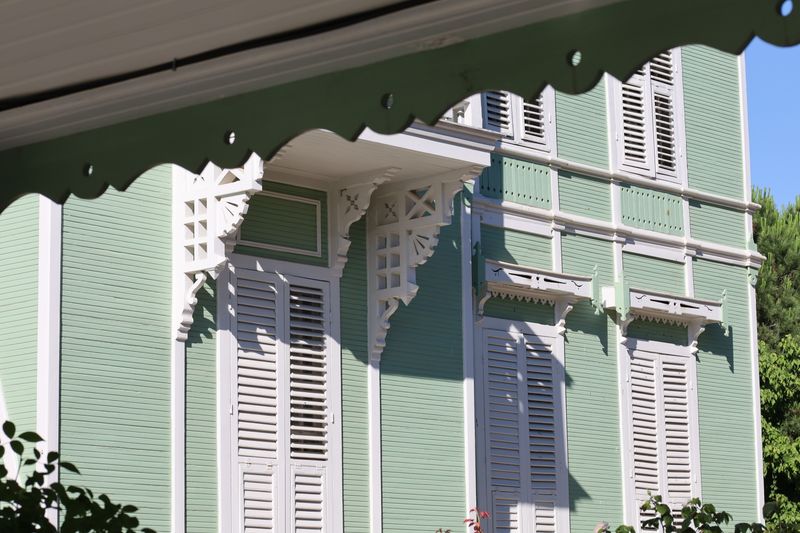
Fascia Board Installation and Repair in Baton Rouge
Read More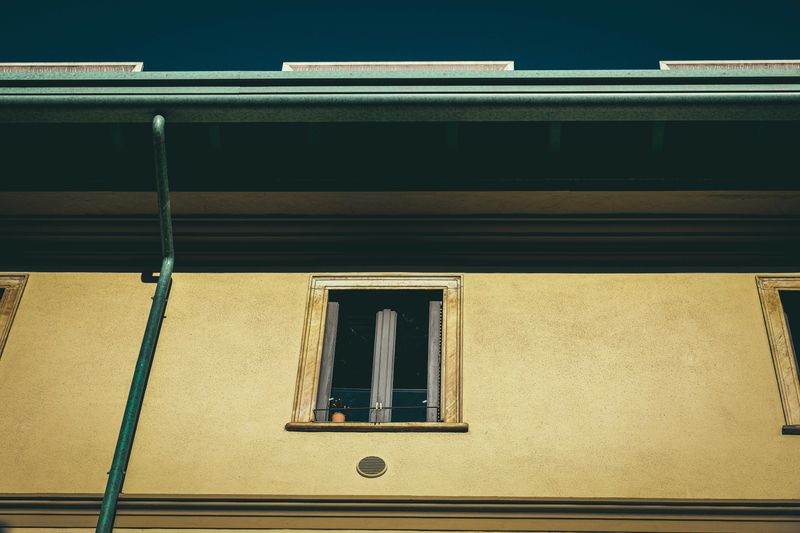
Gutters and Downspouts Installation in Baton Rouge
Read More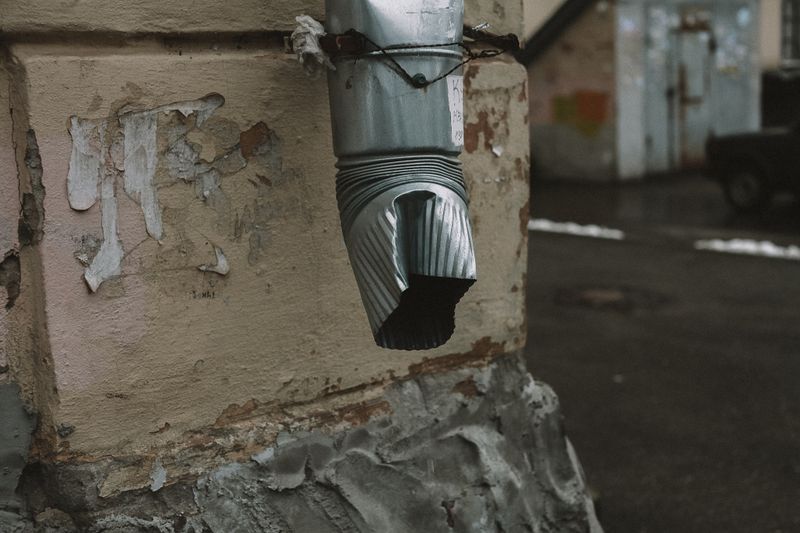
Gutters and Downspouts Repair in Baton Rouge
Read More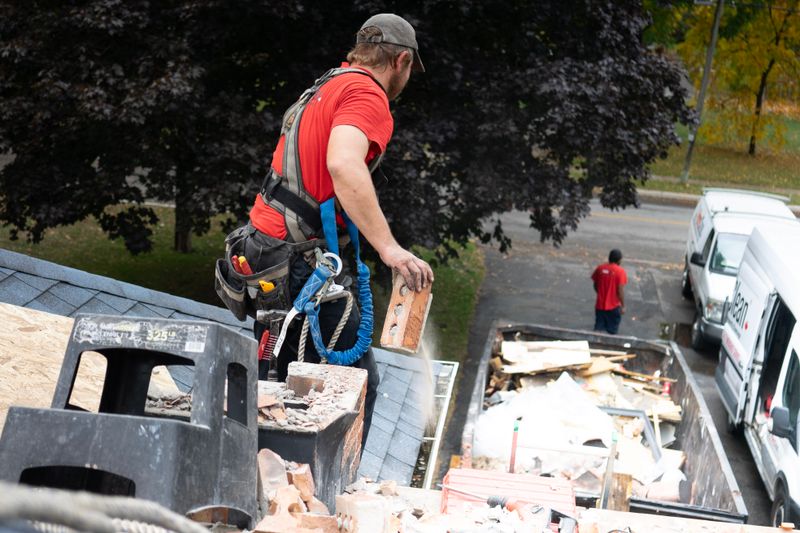
Asbestos Roof Removal in Baton Rouge
Read MoreRoof Insurance Claims in Baton Rouge
Read More
Soffit Installation in Baton Rouge
Read More
Soffit Repair in Baton Rouge
Read More
Commercial Roof Replacement in Baton Rouge
Read More
Commercial Roof Repairs in Baton Rouge
Read More
Commercial Roof Inspections in Baton Rouge
Read More
Commercial Hail Damage Repair in Baton Rouge
Read More
Commercial Re-Roofing in Baton Rouge
Read More
Commercial Roof Coating in Baton Rouge
Read More
Commercial Elastomeric Coatings in Baton Rouge
Read More
Commercial Roof Ventilation in Baton Rouge
Read More
Commercial Roof Leak Detection in Baton Rouge
Read More
Commercial Siding Installation in Baton Rouge
Read MoreBaton Rouge Siding Installation FAQs
The questions that come up before a siding job in Baton Rouge, answered before you have to pick up the phone.
Topic
Question not here?
Ask us anything about siding for your Baton Rouge home. No charge, no obligation, and we aim to answer the same day.
Call (504) 800-8196How much does siding cost in Baton Rouge
Estimated at $3 to $18 a square foot fitted. Standard vinyl sits at the bottom of that, insulated vinyl and engineered wood in the middle, fibre cement and metal at the top. A whole home job normally runs five to ten days on site.