




Roof Insurance Claims in LaPlace, LA
Big Easy Roofing helps homeowners across LaPlace and the east bank of St. John the Baptist Parish document a roof after a storm. The parish itself says: "Most standard homeowner's insurance policies do not cover losses from flooding." That is why this page keeps flood cover in view. What any policy pays is between you and your insurer.
LaPlace roof insurance claim documentation at a glance
A homeowner's document trail supports a claim; it does not decide it. St. John the Baptist Parish adds a second point in its own words: "Most standard homeowner's insurance policies do not cover losses from flooding." Flood insurance is available through the National Flood Insurance Program. This page sets out the records to keep, and leaves coverage to your insurers.
Folder one
A dated record of the roof before any damage: photographs of every elevation, the year the roof was installed, the material and manufacturer where you have it, and any known existing damage. The parish Hurricanes page adds a record of household possessions with model and serial numbers, with a copy stored away from home.
Folder two
The date of the storm, ideally with a National Weather Service or NOAA storm report; dated photographs of visible conditions, taken when safe and without delaying urgent protection; and itemized receipts for any immediate mitigation such as tarping. Where a state of emergency has been declared, La. R.S. 29:732 addresses price gouging within the designated area and applicable period.
Folder three
The claim number and insurer contact, the adjuster inspection date and any notes provided, and a written scope of loss from a roofing contractor. Louisiana payment deadlines depend on the statutory category: La. R.S. 22:1892 generally provides 30 days after receipt of satisfactory proofs of loss, and La. R.S. 22:1892.2(A)(2) provides 60 days for catastrophic residential-property losses. Ask your insurer which applies.
The parish on flood cover
St. John the Baptist Parish says "Most standard homeowner's insurance policies do not cover losses from flooding." It also says the parish participates in the National Flood Insurance Program, administered by FEMA, and that there is a 30-day waiting period before an NFIP-backed policy becomes effective.
What we do not do
La. R.S. 37:2159.1 prohibits a contractor from interpreting insurance policy provisions regarding coverage or duties, or adjusting a property insurance claim on behalf of an insured as a public adjuster. What a policy pays, which policy answers which damage, what a deductible should be and how a settlement is calculated are matters for you and your insurers.
The permit is separate
Where the outcome of a claim is a reroof, the permit position follows the work rather than the funding. Louisiana requires any municipality or parish that issues construction permits to permit and inspect roof construction and reroofing, at La. R.S. 37:3737(I). In LaPlace that is the St. John the Baptist Parish Permit Division on (985) 651-5565.
A roof insurance claim is decided by an insurer against a policy the homeowner holds. The document trail on this page is the part the homeowner CAN control: dated records of the roof and the house from different points in time, organized so each insurer can see what was where and when. A photograph of an intact roof taken a year before the storm takes minutes to file and cannot be reconstructed once the storm has passed.
The roofer's part of the trail is defined and limited: survey the roof, photograph what the survey finds, write a scope of loss against it, and, where a declared emergency is in force, deliver mitigation work at a documented price. What that scope means for a claim is a matter between the homeowner and the insurer, and La. R.S. 37:2159.1 keeps a contractor out of that conversation for good reasons.
Three folders and what each one records
Every folder collects a different class of information at a different time. Because the parish says "Most standard homeowner's insurance policies do not cover losses from flooding", we suggest keeping each folder with any flood policy in mind as well. Our practice, not a parish rule. None of the three interprets a policy.
| Folder | When it is built | What it contains | What it records |
|---|---|---|---|
| Folder one: pre-storm baseline | Before any damage, ideally when the roof is installed and updated once a year | Photographs of every elevation, roof install date and material, warranty documents, a record of household possessions with model and serial numbers, the policies themselves | The condition visible on the recorded dates |
| Folder two: storm-day record | As soon as practical after a storm, without delaying urgent protection | Storm date (NOAA or NWS report), dated photographs of visible conditions before any tarping or repair when safe to take them, itemized receipts for any mitigation work | The reported weather event, the visible conditions and the mitigation, with dates and charges |
| Folder three: claim file | From the day a claim is filed onward | Claim number and insurer contact for each policy, adjuster inspection date and any notes provided, written contractor scope of loss, submission dates and correspondence | What was communicated and when, from every party to each claim |
The three folders are not a substitute for a policy review, an adjuster inspection or a coverage determination. They are the record that sits alongside those things. Call (504) 800-8196 to book a roof survey and receive dated photographs and a written repair scope.
The statutes and the permit route
Several Louisiana statutes shape what a roofing contractor can and cannot do around an insurance claim, and the permit position for a reroof follows the work rather than the funding. All references here are to public statute; none of them interprets any policy.
Contractor scope
Prohibits a contractor from interpreting insurance policy provisions regarding coverage or duties, or adjusting a property insurance claim on behalf of an insured as a public adjuster. Our services include a roof survey, dated photographs, a written repair scope, and mitigation when needed. We do not interpret your policy and we do not settle your claim.
Payment deadlines
La. R.S. 22:1892 generally provides a 30-day insurer payment obligation after receipt of satisfactory proofs of loss, subject to the statutory conditions. La. R.S. 22:1892.2(A)(2) provides a 60-day rule for catastrophic residential-property losses. Which deadline applies to a specific claim is for the insurer to determine against the claim record.
Permit route on a claim-funded reroof
Louisiana requires any municipality or parish that issues construction permits to permit and inspect roof construction and reroofing. St. John the Baptist Parish issues permits through its Permit Division at 1811 W. Airline Highway in LaPlace, (985) 651-5565, with applications online through MyGovernmentOnline or in person. Whether a smaller repair needs one is a question for the Permit Division.
Emergency pricing
Prohibits price gouging during a declared state of emergency, within the designated emergency area and the applicable emergency period. Keep an itemized invoice recording the work, address, date and amount charged. The invoice documents the transaction; it does not by itself establish compliance with the statute.
How the storm-day record actually gets built
Photograph visible conditions when it is safe to do so and without delaying urgent protection. Where mitigation is needed immediately, install it and have the contractor photograph the roof before and after where possible. The record does not require perfect ordering; it requires dated evidence of what the roof looked like at each stage.
Retain any itemized invoice for mitigation work alongside the photographs and any weather report. Whether the mitigation cost is reimbursable under a specific policy is a matter between the homeowner and the insurer; the record exists either way.
What a written scope of loss contains
A scope of loss identifies the damaged roof material, its extent, and the work required to restore it. It names quantities, materials and any code-required work that follows from the damage. It does not name what a policy pays, and it does not say which policy should answer it.
Our scope describes the roof. Water that rose into the house from outside is not roof damage, and we do not write it up as roof damage. Our practice, not a parish rule.
What St. John the Baptist Parish says about insurance
The parish publishes insurance guidance on its Flood Protection page and a records list on its Hurricanes page. Neither is about roofs as such, and neither interprets a policy. Both bear on what a LaPlace homeowner keeps before and after a storm, which is why they are quoted here.
What the parish says about flood cover
The parish Flood Protection page says: "Most standard homeowner's insurance policies do not cover losses from flooding. You are eligible for flood insurance because St. John the Baptist Parish participates in the National Flood Insurance Program (NFIP), administered by FEMA." It adds that property in the Special Flood Hazard Area, which includes all AE and VE Flood Zones in St. John Parish, must carry flood insurance to secure a federally backed mortgage.
It also says "There is a 30-day waiting period before an NFIP-backed policy becomes effective", and that "For homeowners and business owners, building coverage and contents coverage are purchased separately from one another." Our reading, not the parish's: a roof opened by wind and a floor reached by rising water in the same storm may fall under different policies. Which policy answers which damage is for your insurers.
Keep the records somewhere safe
The same page says: "Once you have purchased flood insurance, keep your policy and an itemized list of your furnishings, clothing, and valuables in a safe place." It asks policyholders to remember the name and address of the agent or broker who wrote the policy, and says: "Call your agent or broker immediately if you suffer flood damage."
The parish Hurricanes page asks residents to "Make a visual or written record of all of your household possessions. Record model and serial numbers. This list could help you prove the value of what you owned if those possessions are damaged or destroyed and can assist you to claim deductions on taxes. Store a copy of the record somewhere away from home, such as in a safe deposit box." That belongs in folder one.
The parish Community Rating System sheet
The parish's Community Rating System sheet, which is undated, says: "St. John Parish entered the CRS in 1994 and is currently rated as a Class 8 community." It says residents in the Special Flood Hazard Area receive a 10% discount on NFIP premiums and policyholders outside it a 5% discount.
Because the sheet carries no date, ask your agent what applies to your flood policy today. The parish substantial damage rule and the flood zone lookup sit on the LaPlace storm damage roof repair page, and the FORTIFIED grant on the LaPlace roof weatherproofing page.
Big Easy Roofing Process
The roofer's side of the trail is small and defined. Four steps, and none of them interprets what any policy pays.

Mitigation before the paperwork, where the roof is actively leaking
If water is entering the building, the immediate protection is a make-safe visit, and its scope and pricing sit on the LaPlace emergency roof repair page. Once the roof is stable, the documentation work on this page begins.
Survey the roof and photograph what is found
Every elevation is documented, walked where safe or from the ground where it is not, and any damage is photographed with the date on the photograph. What the survey finds becomes the basis of a written scope of loss.
Deliver a written scope of loss
The scope names the affected roof materials, the extent, and the work required to restore the roof, including any code-required work and the permit route. It does not name what a policy pays.
File with St. John the Baptist Parish where the claim funds a reroof
The application goes to the Permit Division through MyGovernmentOnline or at the counter at 1811 W. Airline Highway in LaPlace, and the work starts once the permit is issued. Call (504) 800-8196.
Everything else we do in LaPlace
The rest of the Big Easy Roofing services available in LaPlace, each with its own page. The FORTIFIED grant sits on the LaPlace weatherproofing page, the parish substantial damage flood rule on the storm damage page, and the hours before a roofer arrives on the LaPlace storm response page.
Roof Replacement in LaPlace
Read More
Roof Repairs in LaPlace
Read More
Roof Inspection in LaPlace
Read More
Hail Damage Roof Repair in LaPlace
Read More
Storm Damage Roof Repair in LaPlace
Read More
Storm Damage Emergency Response in LaPlace
Read More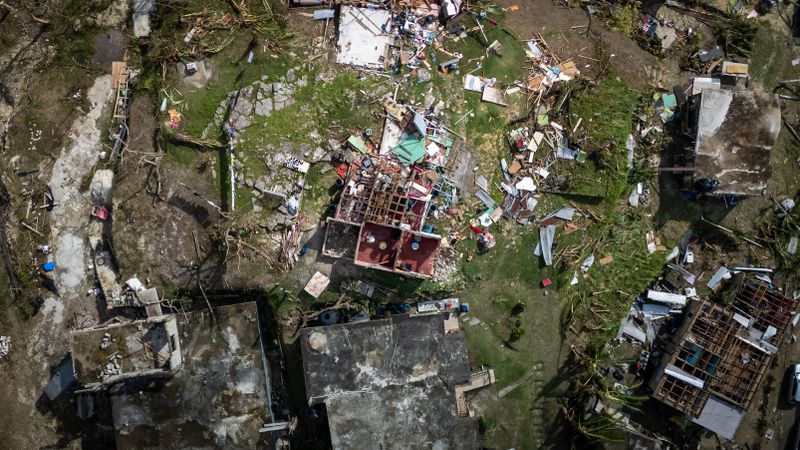
Emergency Roofing in LaPlace
Read More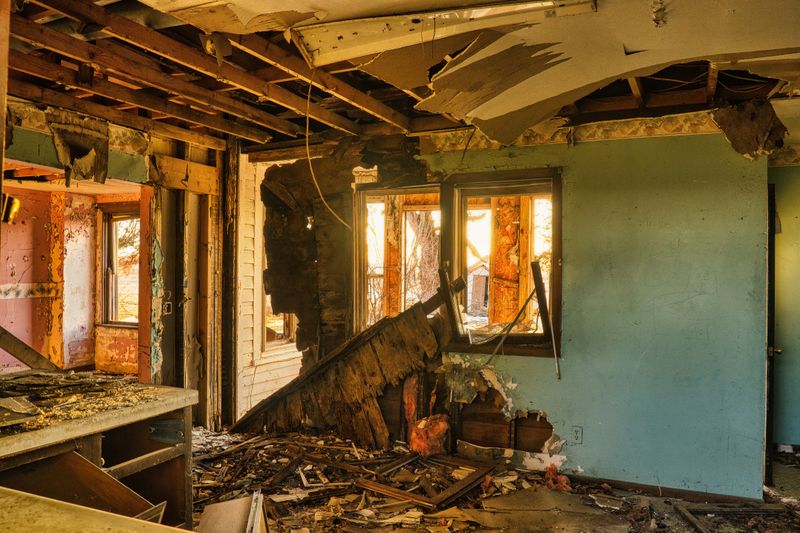
Roof Leak Detection in LaPlace
Read More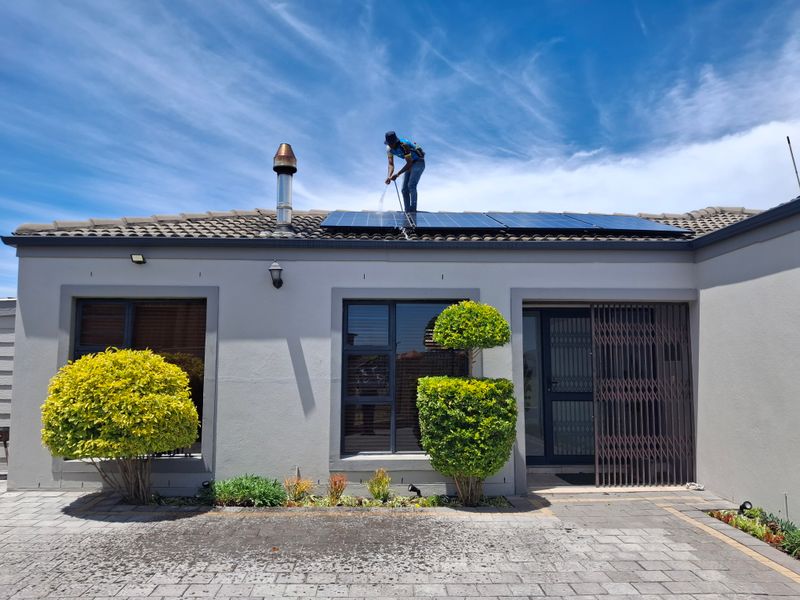
Roof Maintenance in LaPlace
Read More
Roof Coating in LaPlace
Read More
Roof Ventilation in LaPlace
Read More
Roof Weatherproofing in LaPlace
Read More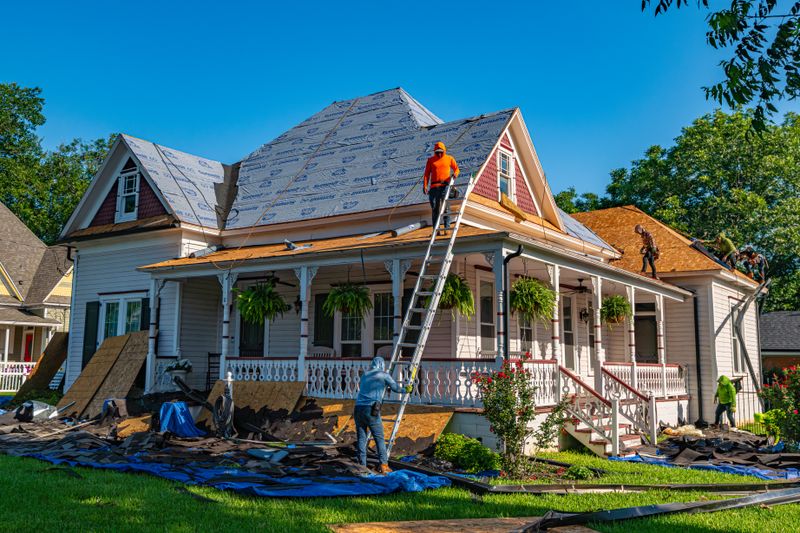
Roof Restoration in LaPlace
Read More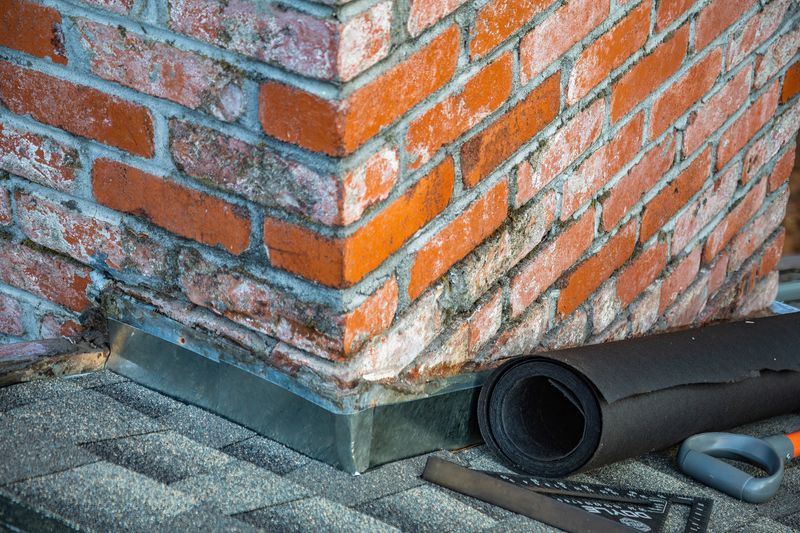
Roof Flashing Repair in LaPlace
Read More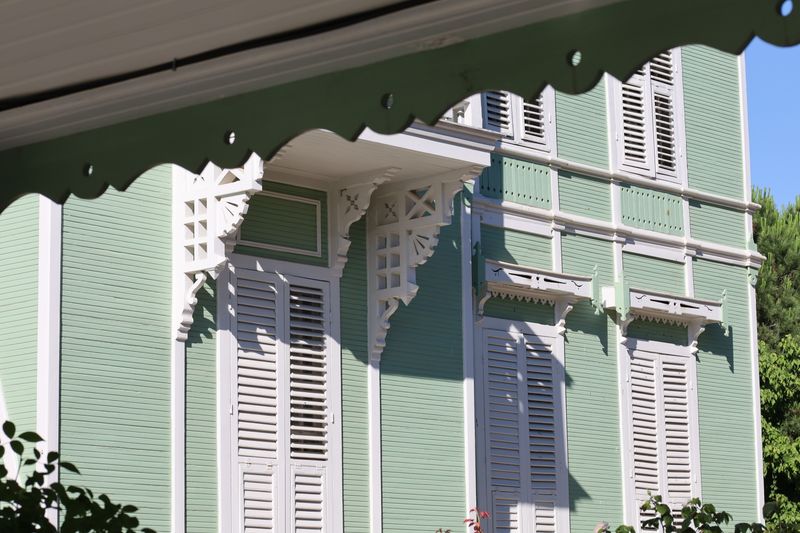
Fascia Board Installation and Repair in LaPlace
Read More
Gutters and Downspouts Installation in LaPlace
Read More
Gutters and Downspouts Repair in LaPlace
Read More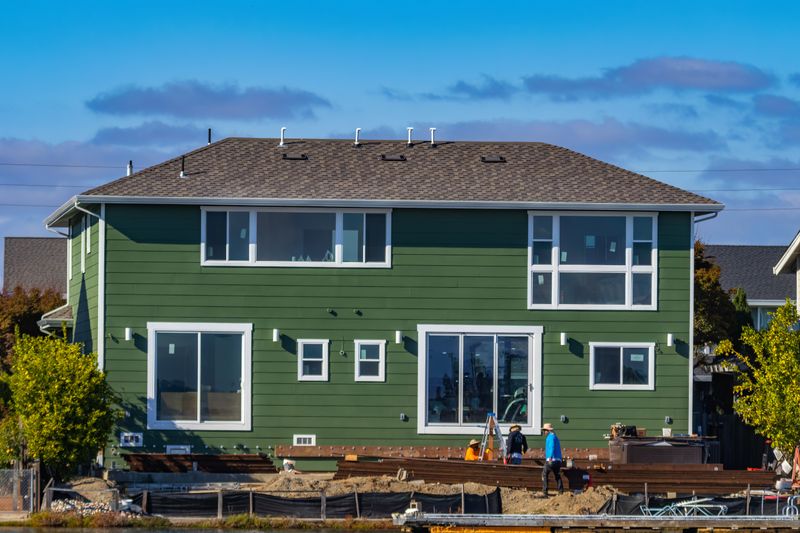
Siding Installation in LaPlace
Read More
Asbestos Roof Removal in LaPlace
Read More
Soffit Installation in LaPlace
Read More
Soffit Repair in LaPlace
Read More
Commercial Roof Replacement in LaPlace
Read More
Commercial Roof Repairs in LaPlace
Read More
Commercial Roof Inspections in LaPlace
Read More
Commercial Hail Damage Repair in LaPlace
Read More
Commercial Re-Roofing in LaPlace
Read More
Commercial Roof Coating in LaPlace
Read More
Commercial Elastomeric Coatings in LaPlace
Read More
Commercial Roof Ventilation in LaPlace
Read More