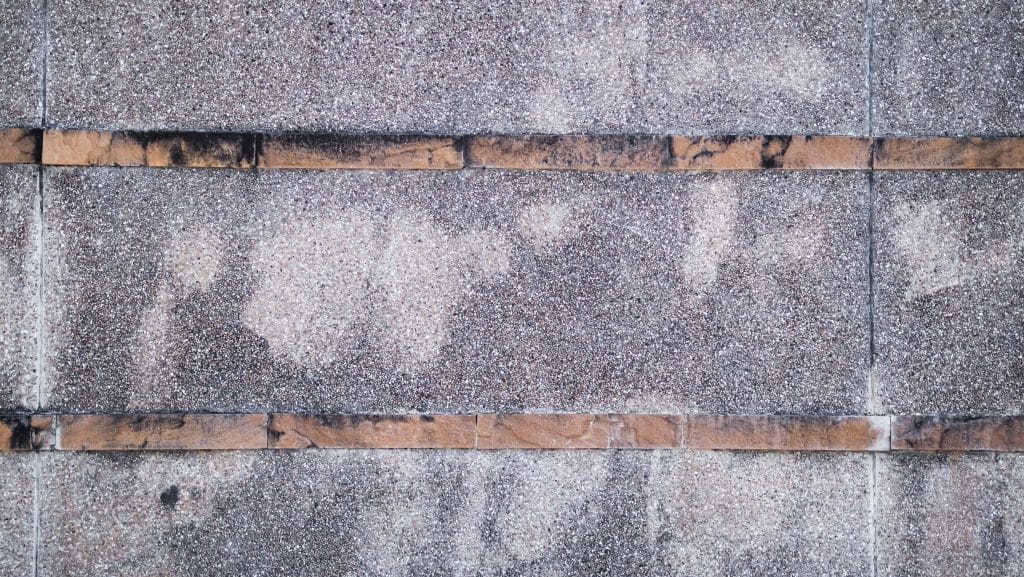




Commercial Roof Inspections in LaPlace, LA
Big Easy Roofing inspects commercial and low slope roofs across LaPlace and the east bank of St. John the Baptist Parish. A real commercial inspection measures the insulation under the membrane, and a real programme is timed around the storms this parish actually records.
LaPlace commercial roof inspections at a glance
A commercial inspection here is a moisture survey plus a walk-through, with a written report and a date for the next visit. The survey matters because the insulation under the membrane decides whether repairs hold. The programme matters because the parish plan records 19 tropical cyclone events occurring within 18 years, from 2002 to 2020.
The core deliverable
Infrared, capacitance or nuclear survey, or a combination, plus a walk-through covering membrane, drainage, penetrations and perimeter. The report names what was found, where, and the recommended action with its urgency.
The parish storm record
The parish plan estimates the annual chance of a tropical cyclone at 100%, "with 19 events occurring within 18 years (2002 to 2020)", and puts tornadoes at 30%.
Recurring programme
Our practice, not a parish rule: two scheduled visits a year on most commercial roofs, and a visit after any tropical cyclone or severe storm that reaches the building. Every visit builds on the last.
What we do not do
The report describes the condition and recommends the work. What any policy provides is a question for your insurer or your public adjuster, and we do not step into that role.
The methods
Infrared reads temperature after sunset. Capacitance reads electrical impedance and is faster on a small area. Nuclear counts hydrogen and is the most accurate. A core cut confirms a reading where it matters.
Written report
Every finding is photographed, located on a roof plan, described, and paired with a recommended action and its urgency. The report is yours and it goes into the file.
This page addresses roofing on buildings treated as nonresidential for licensing and code purposes. Mixed use buildings and residential multifamily need their own classification and code review.
Everything on this page about the parish plan is what St. John the Baptist Parish published when we read it in September 2026. The plan's storm record runs to 2020, so it describes how often storms have reached the parish, not what the next season brings. Inspections are priced on the roof and the method, so call Big Easy Roofing for a scoped price.
Three moisture survey methods and where each one fails
None of the three is authoritative on its own. Each has its own strengths and its own blind spots, and the standard practice is to pick the method that suits the roof, then confirm any important reading with a second method or a core cut through the assembly.
| Method | What it actually measures | Where it works well | Where it fails |
|---|---|---|---|
| Infrared thermography | Temperature differences at the membrane surface after sunset | Large open roofs with clear access, on a dry night that follows a sunny day | Shaded areas of the roof (no thermal contrast), and standing water above intact insulation (false positive) |
| Capacitance / electrical impedance | The response of the assembly to a small AC signal; a higher moisture content reads higher | A focused area that a walk survey has already flagged, quick confirmation over a suspected wet zone | Conductive contamination on the membrane surface can read as moisture where there is none |
| Nuclear hydrogen | Count of hydrogen atoms in the assembly below the membrane | When the readings from the other two methods disagree, or the stakes on the number are high | Requires a licensed operator, is the slowest of the three, and the equipment is not on every truck |
| Core cut | A small section of membrane and insulation removed so both can be seen directly | Confirming what an instrument reading means at one location | Destructive, so it is patched the same day, and on a roof under warranty the number and method are agreed with the manufacturer first |
None of these replaces the walk-through, which is where surface defects, drainage and penetrations are recorded. The right first pass depends on the roof: infrared on a large open roof, capacitance on a targeted area, nuclear or a core where a reading needs to be confirmed.
What an inspection is, and what it is not
A commercial inspection is a condition survey with a moisture component and a written report. It is not a code inspection, it is not an insurance judgement, and it does not alter the roof. Work scoped from it is a separate matter, and the parish plan lists reroofing among the work that needs a permit.
Not a code inspection
Louisiana requires permitting and inspection of reroofing for buildings other than one and two family dwellings in compliance with International Building Code Chapter 15, at La. R.S. 37:3737(I)(1), originated by Act 239 of 2025 and recodified by Act 881 of 2026. Our condition report is a separate document from anything the parish produces.
What the parish plan says about permits
The plan states: "Building permits are required prior to beginning any type of construction or renovation projects, installation of electrical wiring, plumbing or gas piping, moving manufactured/modular or portable buildings, and reroofing or demolitions."
Who confirms the scope
The Permit Division on (985) 651-5565 at 1811 W. Airline Highway in LaPlace, 8 am to 4:30 pm Monday to Friday excluding government holidays. Applications go through MyGovernmentOnline or in person. Whether a scoped repair needs a permit is confirmed there.
Not an insurance judgement
The report describes what we found and recommends the work. What your insurer does with it is between you, your insurer and any public adjuster you engage. We do not predict the outcome of a claim.
What the report contains
Photographs of every finding, located on a roof plan; a description of the finding and what caused it; a recommended action and its urgency; and a suggested date for the next inspection. Where the moisture survey found wet insulation, the wet zones are marked and the recommended scope is written against them.
The report is written to be readable by a facilities manager and by a roofing contractor, without either side needing the other to translate.
Why a dated file matters after a storm
A report taken before a storm season is the baseline a post-storm visit is compared against. Where a finding is new since the last dated report, the file shows it. Where it was already on the file, the file shows that too.
Our practice, not a parish rule: we date every report and keep the photographs at the same locations on the roof plan, so the next visit can be read against the last one.
What the parish storm record means for an inspection programme
The St. John the Baptist Parish Hazard Mitigation Plan, updated in 2021, estimates the annual chance of each hazard across the parish. Tropical cyclones sit at 100%, tornadoes at 30% and winter storms at 13%. Our reading, not the plan's: that record is why a post-storm visit belongs in every programme here.
Tropical cyclones
The plan says "The annual chance of occurrence for a tropical cyclone is estimated at 100% for St. John the Baptist Parish with 19 events occurring within 18 years (2002 to 2020)." A tropical cyclone in that count is not always a hurricane; the term covers tropical storms as well.
Our reading, not the plan's: a storm that recurs at roughly that rate is a scheduled event for a commercial roof, so the post-storm visit is written into the programme rather than booked after a leak. You can read the plan on the parish Hazard Mitigation Plan Update page.
Tornadoes and winter storms
For tornadoes the plan gives an "annual chance of occurrence calculated at 30% based on the records for the past 30 years (1990-2020)", and it estimates winter weather at 13% from four significant events. The plan names the NOAA Storm Events Database as its primary source.
Hail has its own profile in the same plan, set out on our commercial hail damage repair page.
How the record sets the cadence
Our practice, not a parish rule: two scheduled visits a year on most commercial roofs, and an added visit after any tropical cyclone, tornado or severe storm that reaches the building. A sensitive interior or a documented wet area moves the scheduled visits closer together.
The plan describes how often storms have reached the parish, using records through 2020. It does not forecast a season, and it says nothing about any one building.
Big Easy Roofing Process
Four steps, and the moisture survey happens before the walk-through because the reading it produces changes what the walk-through is looking for.

Book the inspection and set the method
The method is chosen against the roof and the goal. Infrared on a large open low slope roof after sunset. Capacitance where a wet area is already suspected. Nuclear or a core where a previous reading is being confirmed.
Run the moisture survey
The survey covers the whole roof for a first pass, or the specific area for a targeted one. Readings are recorded with location, so any wet zone can be found again on a later visit.
Walk the roof
Membrane and its age, drainage, penetrations, perimeter and rooftop equipment. Every defect is photographed and located on the plan, and the walk looks specifically at the areas the survey flagged.
Write the report and set the next visit
Findings, causes, recommendations, urgency, and a date for the next scheduled visit, with the post-storm visit already agreed. The report goes to you and into the file.
Everything else we do in LaPlace
The rest of the Big Easy Roofing services available in LaPlace, each with its own page and written scope. Where an inspection finds a scoped defect, the commercial repairs page is where that gets priced, and the commercial replacement page is where a whole roof decision lives.
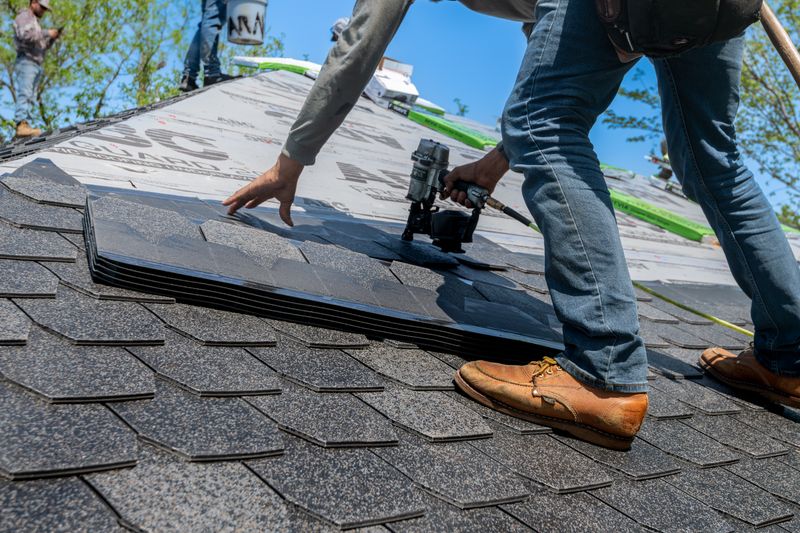
Roof Replacement in LaPlace
Read More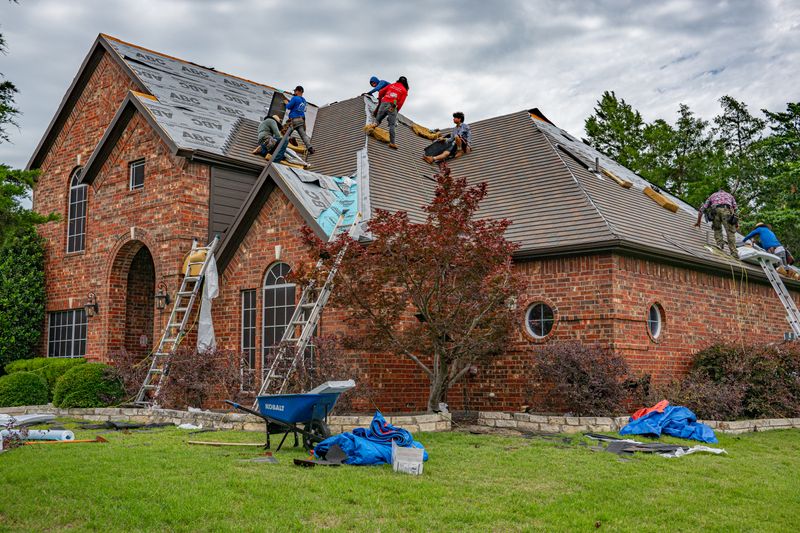
Roof Repairs in LaPlace
Read More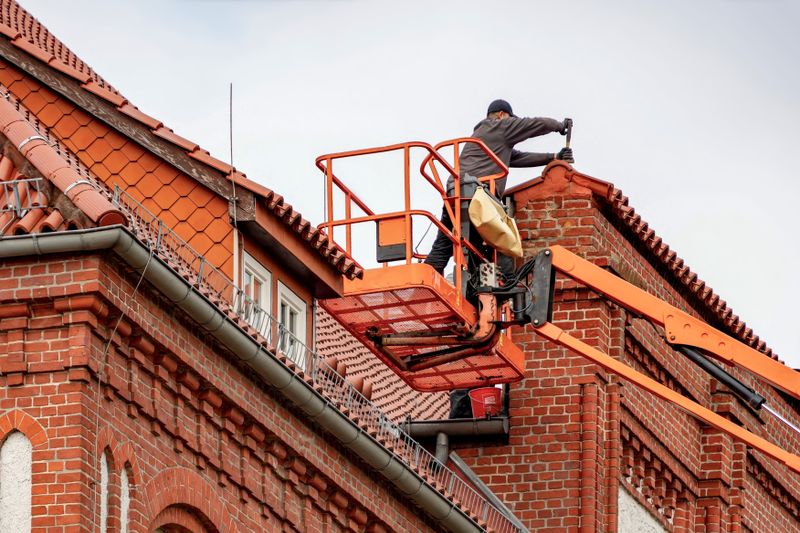
Roof Inspection in LaPlace
Read More
Hail Damage Roof Repair in LaPlace
Read More
Storm Damage Roof Repair in LaPlace
Read More
Storm Damage Emergency Response in LaPlace
Read More
Emergency Roofing in LaPlace
Read More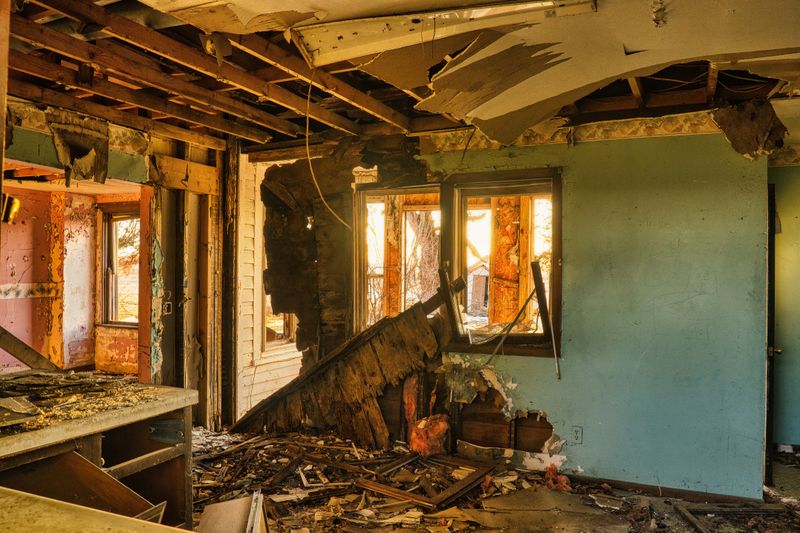
Roof Leak Detection in LaPlace
Read More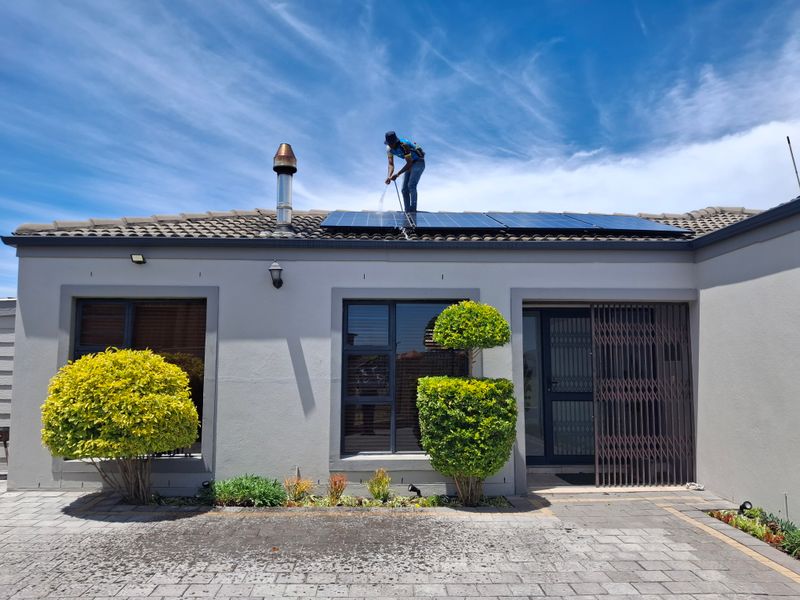
Roof Maintenance in LaPlace
Read More
Roof Coating in LaPlace
Read More
Roof Ventilation in LaPlace
Read More
Roof Weatherproofing in LaPlace
Read More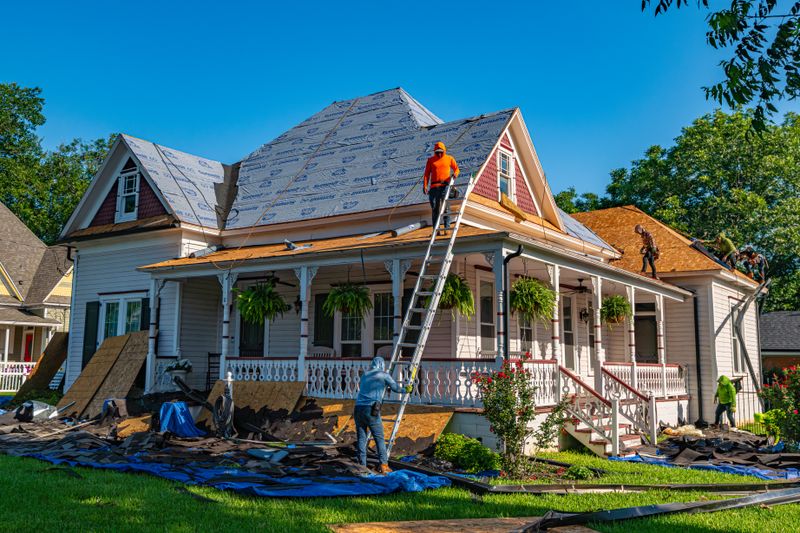
Roof Restoration in LaPlace
Read More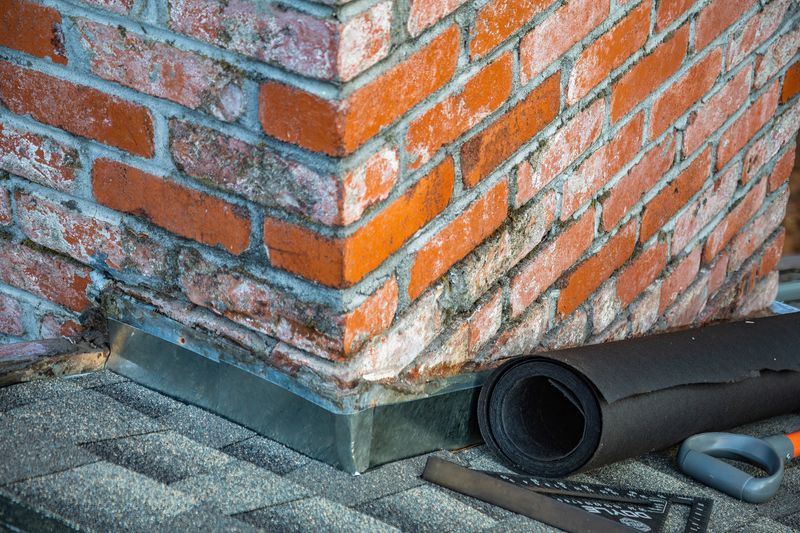
Roof Flashing Repair in LaPlace
Read More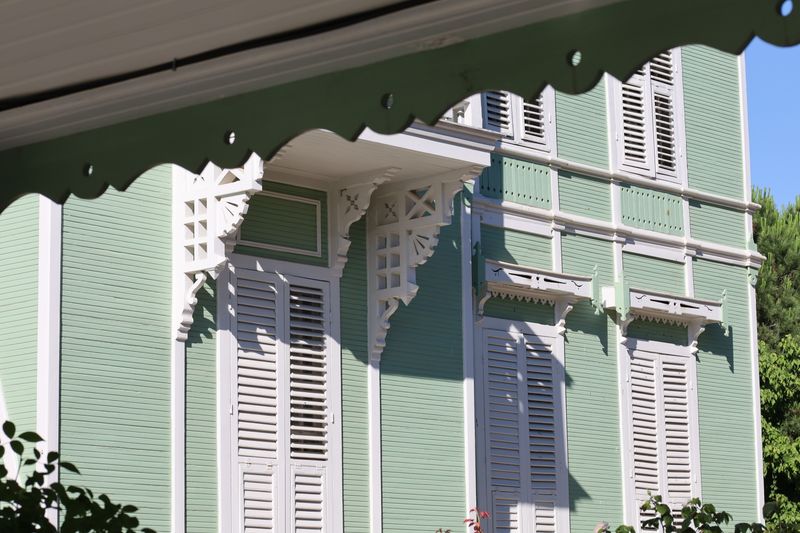
Fascia Board Installation and Repair in LaPlace
Read More
Gutters and Downspouts Installation in LaPlace
Read More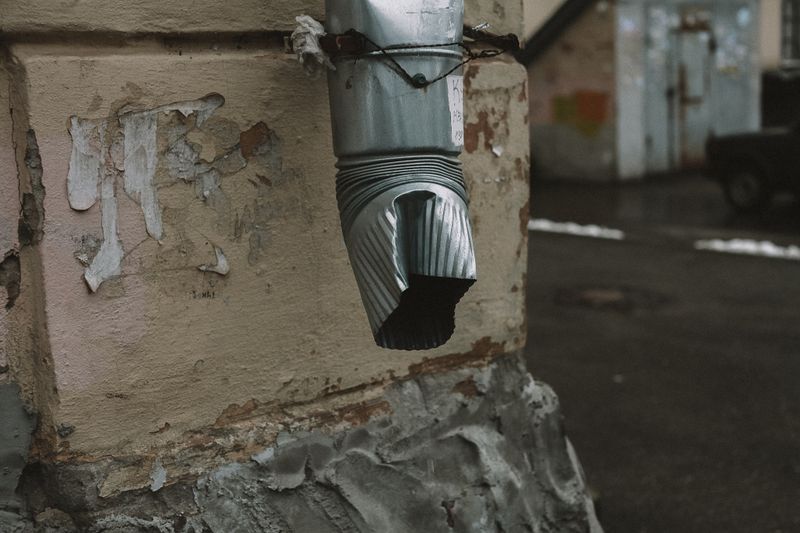
Gutters and Downspouts Repair in LaPlace
Read More
Siding Installation in LaPlace
Read More
Asbestos Roof Removal in LaPlace
Read More
Roof Insurance Claims in LaPlace
Read More
Soffit Installation in LaPlace
Read More
Soffit Repair in LaPlace
Read More
Commercial Roof Replacement in LaPlace
Read More
Commercial Roof Repairs in LaPlace
Read More
Commercial Hail Damage Repair in LaPlace
Read More
Commercial Re-Roofing in LaPlace
Read More
Commercial Roof Coating in LaPlace
Read More
Commercial Elastomeric Coatings in LaPlace
Read More
Commercial Roof Ventilation in LaPlace
Read More
Commercial Roof Leak Detection in LaPlace
Read More
Commercial Siding Installation in LaPlace
Read MoreLaPlace Commercial Roof Inspections FAQs
What a commercial inspection measures, how the survey methods differ, and why the parish storm record shapes the programme.