



Asbestos Roof Removal in LaPlace, LA
Big Easy Roofing takes homeowners through an asbestos roof across LaPlace and the east bank of St. John the Baptist Parish starting with a laboratory sample rather than a quote. That result is what separates an ordinary tear off from work handled as abatement, and it decides who may carry it out, how the material comes off, and what the abatement adds before the replacement roof is priced on its own.
LaPlace asbestos roof removal at a glance
Nobody can tell you whether a roof contains asbestos by looking at it, so this work starts with a physical sample and a laboratory result. That result decides the licence position, the removal method and the disposal route, which is why no honest quote comes before it.
Removal cost
The laboratory result, the measured area and where the waste can go set this figure, and it sits as its own line beside the replacement roof rather than inside it. Call Big Easy Roofing on (504) 800-8196.
Louisiana licence threshold
The state licensing board lists asbestos abatement and removal under hazardous materials at a value of $1 or more, against $50,000 or more for commercial construction, and carries no friable exception in that threshold. Its subclassification for asbestos removal and abatement additionally requires Louisiana Department of Environmental Quality asbestos certification and is written about friable asbestos, so which classification a given roof calls for is settled with the board.
Estimated bulk sample
At least one sample of every distinct material, read under polarized light microscopy, with the count set by whoever is sampling rather than by a rule. A single roof commonly holds two or three distinct materials, because the covering, whatever is under it and any mastic can each give a different answer.
Federal removal method
The construction asbestos standard requires roofing material to be removed in an intact state to the extent feasible, and wet methods where it is not intact or will not stay intact. Breaking, cutting, grinding or crumbling it is not a shortcut.
The small job limit
The exemption from wet methods and HEPA vacuuming applies only to intact roofing under 25 square feet removed by manual methods that keep the material intact, with no visible dust created, and the standard then requires all removal and repair work on the same roof on the same day to be counted together.
A separate parish demolition form
St. John the Baptist Parish publishes a Demolition Permit Application separate from its residential permit application. It asks about utilities, photographs and the levee, not asbestos. Which form a job belongs on is for the Permit Division.
Every figure on this page is an estimate, not a quote, and is subject to Big Easy Roofing sign off. Cost and timescale depend on size, pitch, access, weather, materials and whatever is found once work starts, so call Big Easy Roofing on (504) 800-8196 and we will come out and give you an estimate for your own roof.
Two asbestos products turn up on a roof. The first is asbestos cement sheet and shingle, the hard grey material often called transite. The second is asbestos containing asphalt felt and mastic in older built up and low slope sections. Neither announces itself, and a cement shingle that has weathered for fifty years looks like any other cement shingle. A laboratory result on a physical sample is the only thing that settles it.
The federal standard gets quoted loosely, so it is worth being exact. OSHA presumes asbestos in thermal system insulation and surfacing material in buildings constructed no later than 1980. Roofing is neither of those, so the law creates no presumption either way from the age of a roof. What age does do is tell you whether it is worth sampling. It does not tell you the answer, and anyone pronouncing on a roof from the driveway is guessing at your expense.
What is actually up there and how each one is handled
Four materials get sampled on a roof and each is handled differently. The fifth row is what a guess looks like. The last column is the EPA classification, which applies only where the laboratory confirms more than 1 percent asbestos, and the method used on site is what moves a material into the regulated category.
| Material | How it is confirmed | Estimated removal | EPA category if intact |
|---|---|---|---|
| Cement sheet or shingle, the grey product called transite | One or more bulk samples, the count and the positions set by whoever is sampling | Priced per roof | Category II nonfriable while it stays whole |
| Roofing felt, including each layer of a built up roof | Each felt layer sampled in its own right, since a cap sheet can test differently | Priced per roof | Category I nonfriable while it stays whole |
| Mastic, flashing cement and sealant | Its own sample. An asbestos mastic can sit under a covering that tests clear | Carried with the covering | Not listed by name; its own sample and condition decide the category |
| Cement panel where the eave turns down the wall | Taken at the same visit, because one panel often runs roof to wall | Priced per roof | Category II nonfriable; the wall part falls under a separate OSHA work practice |
| Anything identified by looking at it | It is not confirmed, it is a guess | Not quoted | Unknown until sampled |
Sampling is the only figure that can be given up front. Removal is priced per roof rather than off a rate card, because the laboratory result, the area and the disposal route move it. Call (504) 800-8196 and we will sample it before anyone talks about price.
Who may do the work, and how it has to come off
Three separate sets of rules meet on an asbestos roof: who is allowed to do the work, how the material has to come off, and who permits the roof that goes back on. They are administered by different bodies and a contractor needs all three answers before a start date is promised.
Who may do the work, and who will
Louisiana licenses asbestos abatement and removal under hazardous materials at a value of $1 or more, and carries no friable exception in that threshold. The board subclassification for it additionally requires Louisiana Department of Environmental Quality asbestos certification and is written about friable asbestos. What the laboratory result, the condition of the material and the method change is which classification and which work practices apply, and that is settled with the board and named in writing on your quote rather than decided on a doorstep.
How it has to come off
The construction asbestos standard at 29 CFR 1926.1101 requires roofing material to be removed in an intact state to the extent feasible, and wet methods where it is not intact or will be rendered not intact during removal.
The sentence after the 25 square feet
The small job provision exempts intact roofing under 25 square feet from wet methods and HEPA vacuuming, but only where manual methods keep the material intact and create no visible dust. It then requires all removal and repair work on the same roof on the same day to be added together, so a roof cannot be cut into several small jobs in one day to stay under the figure.
The eave changes the rulebook
Cementitious siding, shingles and transite panels on building exteriors other than roofs sit under a separate set of work practices. So the same panel can be governed by one paragraph on the roof and another where it turns down the wall.
What a compliant quote looks like
It names the laboratory and the analysis method, it lists how many samples are being taken and of what, and it separates the abatement from the replacement roof rather than folding them into one number. It also names where the waste is going, and who holds the classification for the abatement itself.
You should end up holding three documents: the laboratory report, the waste record, and photographs of the roof before and after. Those are the record of what was found and where it went, and they are worth keeping with the deeds rather than in a drawer.
What turns a contained job into a regulated one
Method, and the classification is the EPA's rather than OSHA's. Intact, both families are nonfriable and the work is contained. An asphalt roofing product that has been sanded, ground, cut or abraded, or a cement product with a high probability of being crumbled or reduced to powder by the forces expected to act on it, is caught by the definition of regulated asbestos containing material at 40 CFR 61.141. Two rulebooks meet here: the EPA sets the classification, OSHA sets the work practices on the roof.
That is not a technicality. A crew arriving with a circular saw and a skip can move a roof from one category to the other in an afternoon, and it is the homeowner who is left with the site and with the disposal problem, not the crew.
The parish demolition form, and what it does not ask
Asbestos is an age question rather than a LaPlace question. What is local is the paperwork around it. St. John the Baptist Parish runs demolition on its own application, separate from the residential permit application, and that form asks about utilities, photographs and the levee without asking anything about asbestos.
What the demolition form asks
The parish Demolition Permit Application asks for photographs of the building or structure to be demolished, the proposed use after demolition, the value and the gross square footage. The applicant also acknowledges being responsible for ensuring all utilities are disconnected and capped before demolition begins, with Louisiana One Call on 811.
It asks for a Letter of No Objection from the levee district and others if the work is within 1,500 feet of the mainline Mississippi River levee, or if otherwise applicable. For a town on the river that is a real line on the form, and whether it applies to a given address is a question for the Permit Division on (985) 651-5565.
The asbestos rules do not move with the form
Which application a roof tear off belongs on is for the Permit Division, and we ask rather than decide it for them. Whichever it is, the abatement answers to the Louisiana State Licensing Board for Contractors and to Louisiana Department of Environmental Quality certification, and the removal method answers to the federal construction standard.
The parish Building Permits page links both applications, and neither one claims to lower those rules. The sequence people get wrong is filing something first and sampling afterwards. Sampling first is cheaper, and it is the only order in which the rest of the decisions can be made.
Age of the house, not age of the street
Asbestos went into roofing products for decades and stopped being used in them gradually rather than on a date, so the year the house was built is the first reason to sample. Product records, an earlier survey and whatever is known about previous roof work all count as well. Because roofing carries no federal presumption either way, an old roof is not automatically asbestos and a newer one is not automatically clear.
The cheap and correct move is to sample before anyone quotes a tear off. Where the covering is already failing in several places, a roof inspection puts its condition on record at the same time.
Big Easy Roofing Process
Three steps, and the first one is the whole point. Beyond the controlled sampling itself, nothing is disturbed and no removal is priced until a laboratory has said what the material is.
Sample every distinct material
The covering, the felt or underlayment, and any mastic sampled separately and sent for polarized light microscopy. Sampling every distinct material is what stops a clean result on the covering hiding an asbestos mastic underneath it.
Set the licence, method and paperwork route in writing
What the result means for who may do the work and who will be doing it, whether removal is intact or wet, how the waste is contained and where it goes, and which parish application the Permit Division wants the job on.
Remove, document, then reroof
Removal carried out to the federal method by whoever holds the credentials the result calls for, photographs before and after, the laboratory report and the waste record handed to you, and the replacement roof permitted in its own right.
Everything else we do in LaPlace
The rest of the Big Easy Roofing services available in LaPlace, each with its own page and written estimate. An asbestos removal is quoted as a line on top of the replacement roof that follows it, rather than as a job on its own.
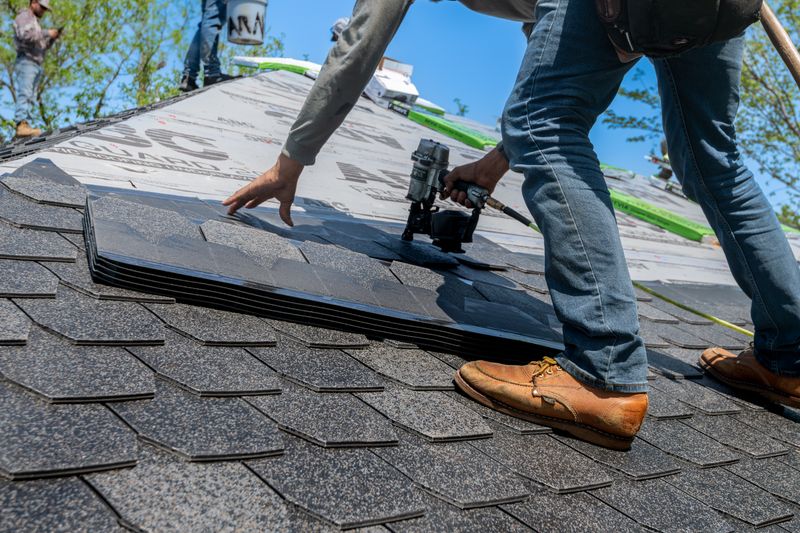
Roof Replacement in LaPlace
Read More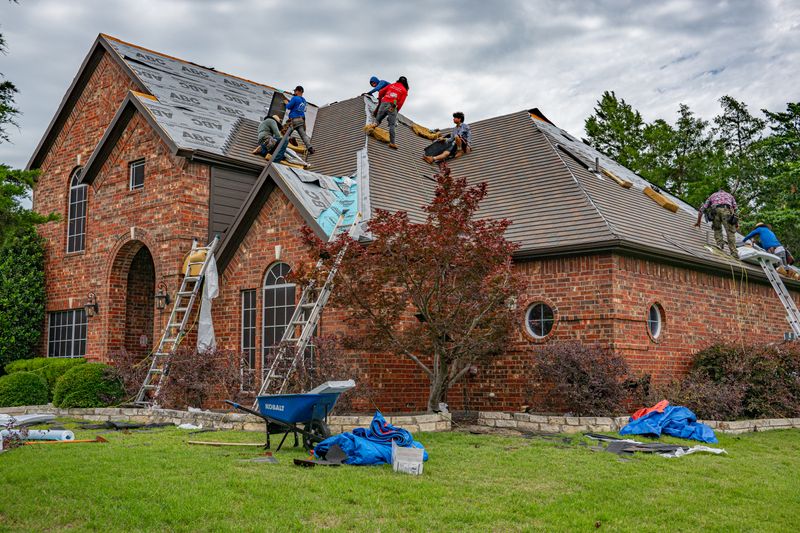
Roof Repairs in LaPlace
Read More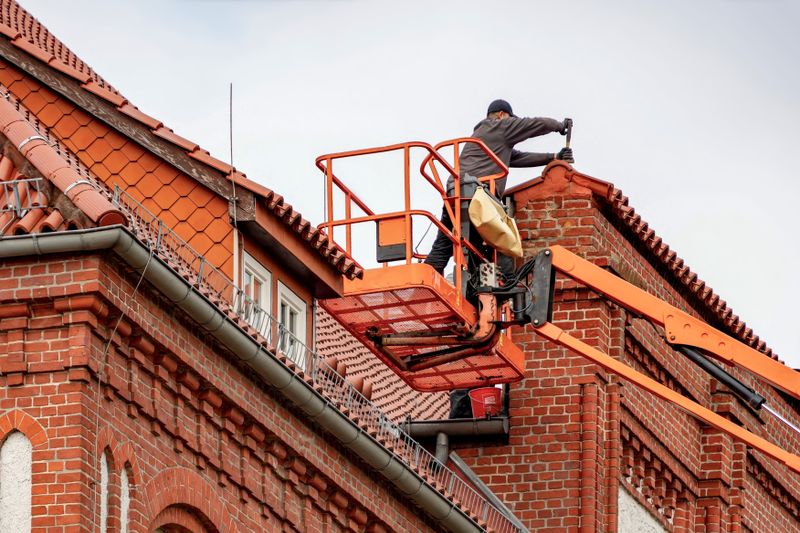
Roof Inspection in LaPlace
Read More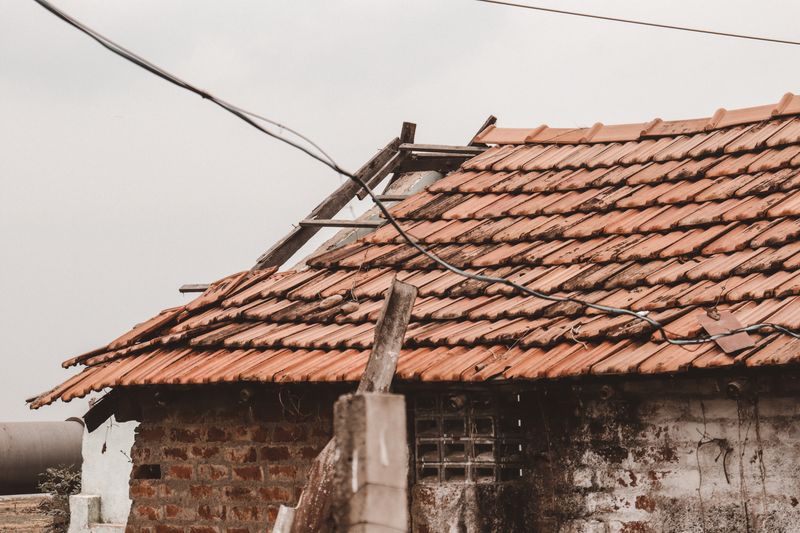
Hail Damage Roof Repair in LaPlace
Read More
Storm Damage Roof Repair in LaPlace
Read More
Storm Damage Emergency Response in LaPlace
Read More
Emergency Roofing in LaPlace
Read More
Roof Leak Detection in LaPlace
Read More
Roof Maintenance in LaPlace
Read More
Roof Coating in LaPlace
Read More
Roof Ventilation in LaPlace
Read More
Roof Weatherproofing in LaPlace
Read More
Roof Restoration in LaPlace
Read More
Roof Flashing Repair in LaPlace
Read More
Fascia Board Installation and Repair in LaPlace
Read More
Gutters and Downspouts Installation in LaPlace
Read More
Gutters and Downspouts Repair in LaPlace
Read More
Siding Installation in LaPlace
Read More
Roof Insurance Claims in LaPlace
Read More
Soffit Installation in LaPlace
Read More
Soffit Repair in LaPlace
Read More
Commercial Roof Replacement in LaPlace
Read More
Commercial Roof Repairs in LaPlace
Read More
Commercial Roof Inspections in LaPlace
Read More
Commercial Hail Damage Repair in LaPlace
Read More
Commercial Re-Roofing in LaPlace
Read More
Commercial Roof Coating in LaPlace
Read More
Commercial Elastomeric Coatings in LaPlace
Read More
Commercial Roof Ventilation in LaPlace
Read More
Commercial Roof Leak Detection in LaPlace
Read More
Commercial Siding Installation in LaPlace
Read MoreLaPlace Asbestos Roof Removal FAQs
What a laboratory result decides, what the parish demolition form asks, and why those are not the same question.
Topic
Question not here?
Ask us about an older roof on your LaPlace house. No charge to ask.
Call (504) 800-8196How do I know if my roof contains asbestos
Only from a laboratory result on a physical sample. OSHA defines presumed asbestos containing material as thermal system insulation and surfacing material in buildings constructed no later than 1980, so roofing material is not presumed asbestos containing simply because of its age. The year the house was built, and any records of earlier roof work, tell you whether to sample. They do not tell you the answer.
Does an asbestos roof removal go on the parish demolition form
That is a question for the Permit Division on (985) 651-5565. St. John the Baptist Parish publishes a residential permit application and a separate Demolition Permit Application, and it does not publish where a roof covering falls between them. The Permit Division decides, and the asbestos rules are the same either way.
Does the parish demolition form ask about asbestos
No. It asks for photographs of the structure, the proposed use after demolition, the value and the square footage, confirmation that utilities will be disconnected and capped, and a levee Letter of No Objection where the work is within 1,500 feet of the mainline Mississippi River levee or otherwise applicable. The asbestos rules come from the state and federal regulators.
What does asbestos roof removal cost in LaPlace
The sample is estimated at $50 to $150 for each distinct material. The removal itself is priced per roof from the laboratory result, the measured area and the disposal route, as a line on top of the replacement roof that follows it, so it is not something anyone can quote off a rate card.
Does a small asbestos job still need a licensed contractor
There is no dollar threshold to hide behind. Louisiana licenses asbestos abatement and removal under hazardous materials at a value of $1 or more, against $50,000 or more for ordinary commercial construction, and carries no friable exception in that threshold. The board subclassification also requires Louisiana Department of Environmental Quality asbestos certification and is written about friable asbestos, so which classification a given roof calls for is a question for the board, settled once the result is in and named on your quote.
What is the 25 square feet rule
It is a work practice exemption, not a licence exemption. Intact roofing under 25 square feet can be removed without wet methods or HEPA vacuuming, as long as manual methods are used that keep the material intact and no visible dust is created. The standard then requires all removal and repair work on the same roof on the same day to be counted together.
Can the old roof just be broken up and thrown in a skip
No, and doing it changes the problem. The OSHA construction standard requires roofing material to be removed in an intact state to the extent feasible. Separately, sanding, grinding, cutting or abrading an asphalt product, or crumbling a cement one, brings it inside the EPA definition of regulated asbestos containing material at 40 CFR 61.141, with the disposal obligations that go with that.
What about the cement panels round the eave
They are sampled with the roof, because the same panel often runs round the eave and down the wall. Cementitious siding, shingles and transite panels on building exteriors other than roofs sit under a different set of OSHA work practices from the roof itself. The EPA definitions do not change at the roof line; it is the OSHA work practices that do.
What should I be holding at the end
Three things: the laboratory report naming the analysis method, the waste record showing where the material went, and photographs of the roof before and after. Those are what demonstrate the job was done correctly, and they matter at survey and at sale.
Get the roof sampled first and priced from the result
Nobody can read asbestos off a roof from the driveway, and no parish form changes the answer. A laboratory result on a physical sample decides the licence position, the removal method and the disposal route, and the abatement is quoted as its own line beside the replacement roof rather than buried inside it. We take the paperwork question to the St. John the Baptist Parish Permit Division rather than deciding it for them. If you would rather start in writing, tell us what the job involves and we will come back with an estimate.
Call (504) 800-8196