




Commercial Elastomeric Coatings in LaPlace, LA
Big Easy Roofing specifies elastomeric coatings across LaPlace and the east bank of St. John the Baptist Parish. A coating has to bond to the roof that is already there, so the substrate narrows the choice before ponding water, sun and foot traffic rank what is left.
LaPlace commercial elastomeric coatings at a glance
An elastomeric coating is a flexible film that has to bond to the roof already there. Three chemistries dominate commercial work, and the building code text lists a material standard for acrylic (ASTM D6083), silicone (D6694) and moisture-cured polyurethane (D6947). The substrate is the first filter.
The parish form asks the roof type
The parish Commercial Permit Application carries a page for the Assessor's Office. Its roof line reads "Type of Roof (circle one): Composite Galvanize Painted Metal Aluminum Shingle Slate".
Half the list is metal
Our reading, not the parish's: three of the six choices are metal, and metal is one of the substrates coatings are proposed for. The list names no single ply membrane, no built up roof and no coating.
A standard in the code table
Section 1509.2 says roof coating materials shall comply with the standards in Table 1509.2. The table lists ASTM D6083 for acrylic coating, ASTM D6694 for silicone coating and ASTM D6947 for moisture-cured polyurethane coating.
Failure mode one
Silicone cures by moisture and tolerates standing water once cured. Acrylic coatings are water dispersed and rehydrate under ponding, so an acrylic film under standing water softens. Where ponding is present, silicone is normally the shortlist.
Failure modes two and three
Weathering, dirt pickup and reflectance retention vary by chemistry and by product, and polyurethane systems are commonly specified where abrasion resistance leads, including traffic surfaces on spray polyurethane foam.
The trap
Silicone's low surface energy is difficult to prime over, so silicone over silicone is the reliable re-coat path. Choosing silicone today usually decides the chemistry family of every future re-coat.
This page addresses roofing on buildings treated as nonresidential for licensing and code purposes. Mixed use buildings and residential multifamily need their own classification and code review.
The parish form on this page is the Commercial Permit Application revised 6/13/25, as St. John the Baptist Parish published it when we read it in September 2026. The code table is from the model International Building Code Chapter 15 text we read the same month. Elastomeric coatings are priced on substrate condition, chemistry and specified dry film rather than a published range, so call Big Easy Roofing for a scoped price.
The three chemistries against the three failure modes
Once the substrate has filtered the shortlist, three failure modes rank what is left: ponding water, sun and dirt pickup, and foot traffic. A chemistry that is a poor fit for the leading failure mode on the roof will underperform whatever the datasheet says, so the survey ranks the modes first.
| Chemistry | Ponding tolerance | UV and dirt pickup | Foot traffic and abrasion |
|---|---|---|---|
| Silicone | Strong. Cures by moisture and tolerates standing water once cured. | Fair. Starts reflective and can drop noticeably as dirt picks up on the low surface energy film. | Fair. Can be slippery when wet, so traffic lanes are specified separately. |
| Acrylic | Poor. Water dispersed, so the film rehydrates and softens under ponding water. | Good. Tends to hold its reflectance longer than silicone on a field roof, though white acrylic still discolours over time. | Poor. Softer than the other two on a traffic path. |
| Polyurethane | Varies by product and cure type. The product datasheet governs. | Aliphatic types hold up under UV; aromatic types need a UV stable top coat. | Commonly specified where abrasion resistance leads, including traffic surfaces on spray polyurethane foam. |
The three performance columns rank the field chemistry against the leading failure modes. Traffic lanes on a silicone or acrylic field roof are often specified as the manufacturer's approved walkway system rather than a whole roof chemistry change, and re-coat compatibility follows in its own section below.
Re-coat compatibility, and why silicone narrows the future
When an elastomeric coating reaches the end of its film life, the next coat has to bond to what is left of the first one. Re-coat compatibility is a chemistry question decided by the coating going on today, and adhesion is always confirmed with the manufacturer of the incoming system.
Silicone
Low surface energy makes silicone hold up under ponding water and also makes it difficult to prime over. Silicone over silicone with the correct preparation is the standard re-coat path. Other chemistries over silicone need specific manufacturer approval and adhesion testing.
Acrylic
A sound acrylic film usually accepts silicone, polyurethane or another acrylic on re-coat, subject to product specific adhesion checks, primer requirements and the correct cleaning. The trade off is on the ponding and traffic columns.
Polyurethane
Polyurethane usually accepts most re-coats with the correct primer. Aromatic polyurethane is normally top coated with a UV stable finish within a defined window, because the base itself is not UV stable.
The code position
Where a coating sits in the building code's reroofing section is set out on our commercial roof coating page. The compatibility question here is a chemistry decision rather than a code one.
Where a chemistry choice comes back to cost you
A silicone roof that has reached the end of its film life presents two options, and both are chemistry decided. Silicone over silicone with the correct wash is the standard answer. A full removal to bare substrate is possible and expensive, and it is the route back to acrylic or polyurethane over that roof.
So the silicone choice today is usually a commitment to silicone for the life of the roof. On a low slope roof that ponds, that is normally the right commitment, and it is worth being direct about at the specification stage.
How the survey ranks the failure modes
Every roof gets three questions: where water stands after rain, how much traffic the roof sees, and how much sun the unshaded field takes. The answers rank the failure modes on that roof before a manufacturer or a price is named.
Where ponding leads, silicone often tops the shortlist. On a metal building that drains fully, the ranking often runs sun first and traffic second, and acrylic on the field with an approved walkway system on the access lanes can be the better answer.
The parish roof types and the substrate question
The parish Commercial Permit Application carries a page for the Assessor's Office, and its roof line offers six choices: Composite, Galvanize, Painted Metal, Aluminum, Shingle and Slate. Our reading, not the parish's: on a coating job the question that list raises is the substrate, because the film has to bond to it.
What the Assessor page says
Under its heading, the page reads: "By order of the Regular Session of the Louisiana Legislature, R.S. 47:1957(B) was amended by Act 829, St. John the Baptist Parish Assessor's Office is now required to have the following information on all commercial construction located in the parish". Its roof line reads "Type of Roof (circle one): Composite Galvanize Painted Metal Aluminum Shingle Slate".
The form's as needed list includes "Completed Information For Assessor's Office Form (required for renovations only)." The form is on the parish Building Permits page.
What the list does not tell you
The form does not say whether a coating job needs this page, and it does not say which box a coated roof belongs in. It does not define Composite either. We do not guess at any of the three.
Our practice, not a parish rule: where a coating scope goes to the Permit Division, we ask on (985) 651-5565 which pages of the form it wants and how the roof should be described.
Why the substrate comes first
Not every chemistry adheres to every substrate. Silicone bonds to most existing coatings including its own with the correct wash; acrylic needs a sound, clean substrate and a primer over metal; polyurethane is standard on spray polyurethane foam and needs the correct primer over most single ply membranes.
On galvanized, painted or aluminum metal, fastener condition, laps and any rust decide the preparation before a chemistry is named. The substrate filters the shortlist, then the failure modes rank what remains.
Big Easy Roofing Process
The chemistry is chosen against the substrate and then the failure modes on the specific roof. Four steps, and the shortlist is drawn in step two.

Survey the substrate and the failure modes
The existing covering or metal is identified and its condition recorded: seams, laps, fasteners, rust and any old coating. Ponding zones and traffic lanes are mapped, after rain where possible.
Draw the shortlist
The substrate filters the chemistries first. The leading failure mode then ranks what is left: ponding usually shortlists silicone, sun on a draining roof often acrylic, and heavy traffic polyurethane.
Written specification and price
The scope names the chemistry and its material standard, the specified dry film, the preparation and primer, and any walkway system. Re-coat compatibility is noted on the file.
Apply, measure, hand over the paperwork
Wet film readings taken as the coating goes on, the finished dry film documented, and the coating manufacturer warranty handed over with a note of the chemistry for the next re-coat.
Everything else we do in LaPlace
The rest of the Big Easy Roofing services available in LaPlace, each with its own page and scope of work. The code position of a coating sits on the commercial roof coating page, and the moisture survey behind any coating check is on the commercial inspections page.
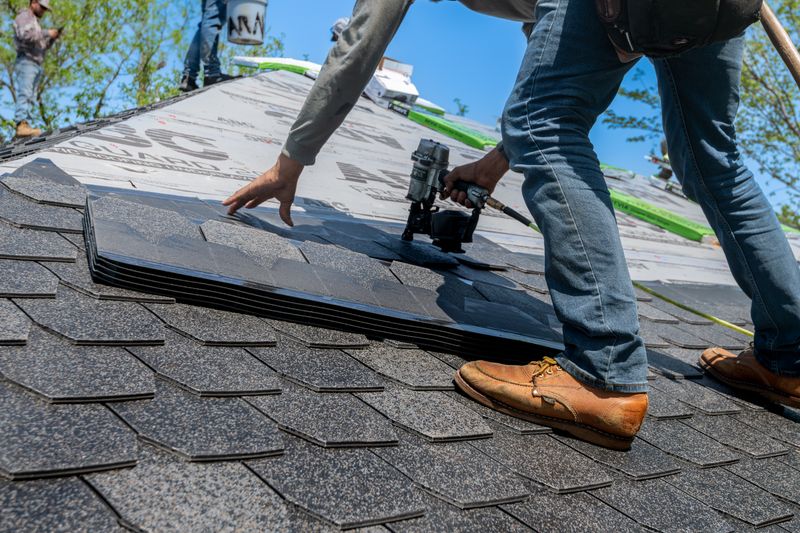
Roof Replacement in LaPlace
Read More
Roof Repairs in LaPlace
Read More
Roof Inspection in LaPlace
Read More
Hail Damage Roof Repair in LaPlace
Read More
Storm Damage Roof Repair in LaPlace
Read More
Storm Damage Emergency Response in LaPlace
Read More
Emergency Roofing in LaPlace
Read More
Roof Leak Detection in LaPlace
Read More
Roof Maintenance in LaPlace
Read More
Roof Coating in LaPlace
Read More
Roof Ventilation in LaPlace
Read More
Roof Weatherproofing in LaPlace
Read More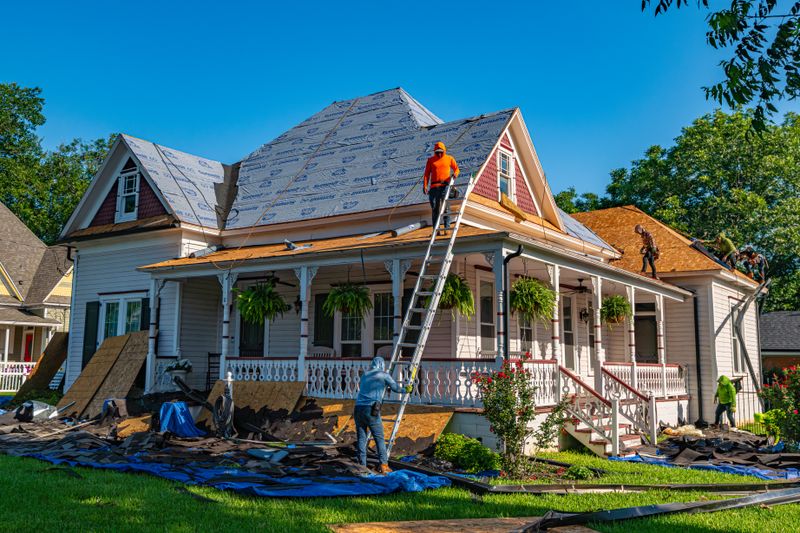
Roof Restoration in LaPlace
Read More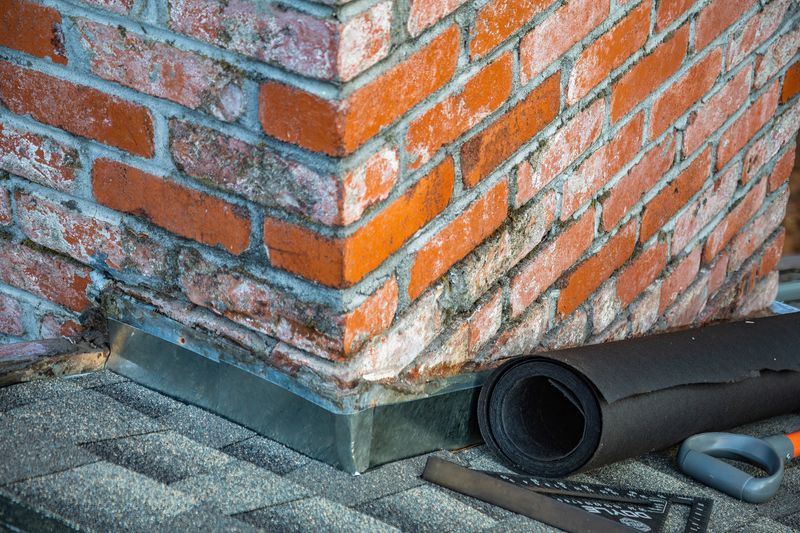
Roof Flashing Repair in LaPlace
Read More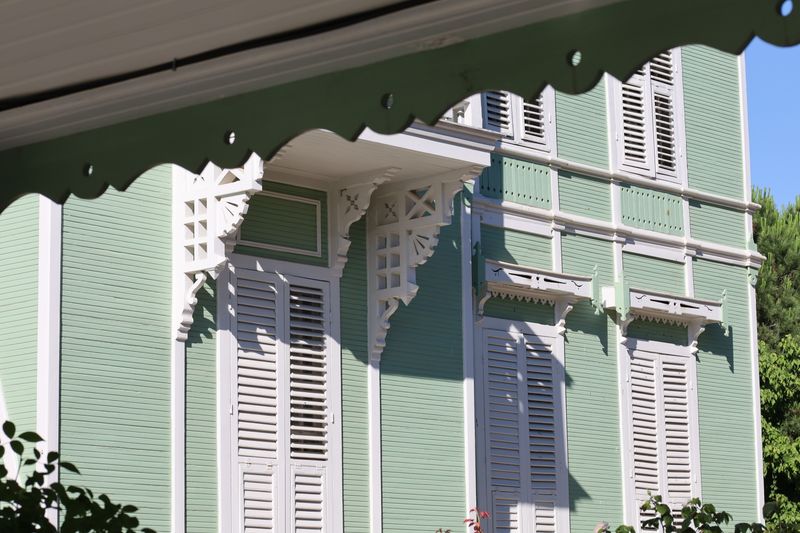
Fascia Board Installation and Repair in LaPlace
Read More
Gutters and Downspouts Installation in LaPlace
Read More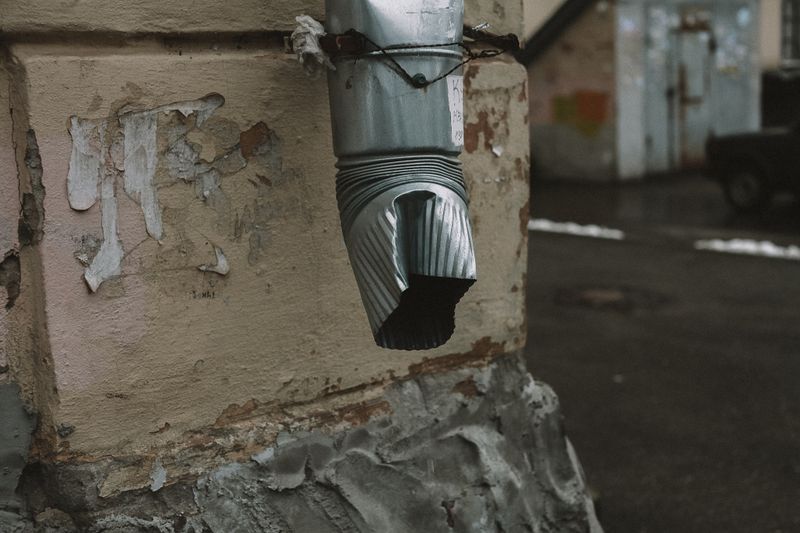
Gutters and Downspouts Repair in LaPlace
Read More
Siding Installation in LaPlace
Read More
Asbestos Roof Removal in LaPlace
Read More
Roof Insurance Claims in LaPlace
Read More
Soffit Installation in LaPlace
Read More
Soffit Repair in LaPlace
Read More
Commercial Roof Replacement in LaPlace
Read More
Commercial Roof Repairs in LaPlace
Read More
Commercial Roof Inspections in LaPlace
Read More
Commercial Hail Damage Repair in LaPlace
Read More
Commercial Re-Roofing in LaPlace
Read More
Commercial Roof Coating in LaPlace
Read More
Commercial Roof Ventilation in LaPlace
Read More
Commercial Roof Leak Detection in LaPlace
Read More
Commercial Siding Installation in LaPlace
Read MoreLaPlace Commercial Elastomeric Coatings FAQs
The substrate and chemistry questions that pick between silicone, acrylic and polyurethane on a specific LaPlace roof.
Topic
Question not here?
Tell us the address, what the roof is made of and whether it holds water after rain, and we will survey it and specify the chemistry against it