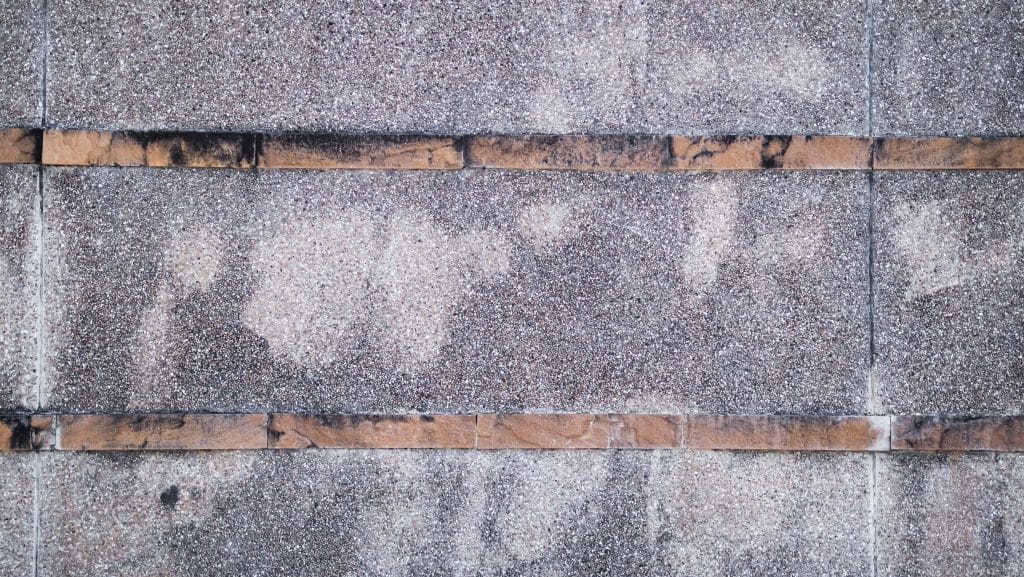




Commercial Hail Damage Repair in LaPlace, LA
Big Easy Roofing assesses and repairs commercial hail damage across LaPlace and the east bank of St. John the Baptist Parish. A commercial hail claim needs two documented halves: the physical damage to the membrane, and the storm event that caused it. In this parish the second half deserves particular care.
LaPlace commercial hail damage repair at a glance
A commercial hail claim needs two halves documented and tied together: the physical damage to the membrane and its components, and the record of the storm that caused it. The parish plan says there have historically been five hail incidents here, most often 0.75 inch. Our reading, not the plan's: the storm half should name the specific event.
The two halves of a claim
Physical damage is documented on the roof and matched to a specific storm event, and that event has to be one that could have caused it. A file missing either half is where claims run into trouble.
The parish hail record
The plan says there have historically been five hail incidents in St. John the Baptist Parish, with diameters from 0.75 inches to 1.75 inches since 1990, most often 0.75 inch.
Which office covers you
Any reroof scoped from a hail claim is filed with the Permit Division on (985) 651-5565 at 1811 W. Airline Highway in LaPlace, through MyGovernmentOnline or in person.
Which code applies
Louisiana R.S. 37:3737(I)(1), originated by Act 239 of 2025 and recodified by Act 881 of 2026, routes reroofing of buildings other than one and two family dwellings to International Building Code Chapter 15.
What we describe
The roofer describes damage and prices work. Your insurer, working with you and any public adjuster you engage, decides what happens with the claim. We do not step into that role.
What decides scope
Whether the insulation took damage is assessed by the moisture survey and, where needed, a core cut. Both are set out on our commercial roof inspections page.
This page addresses roofing on buildings treated as nonresidential for licensing and code purposes. Mixed use buildings and residential multifamily need their own classification and code review.
Everything on this page about the parish plan is what St. John the Baptist Parish published when we read it in September 2026. Its 17% hail frequency figure uses records from 1990 to 2020, and its diameter range is reported since 1990. Commercial hail repairs are priced on the assembly and the access rather than a published range, so call Big Easy Roofing for a scoped price.
How hail marks each commercial roofing system
Hail damage looks different on every commercial roofing system, and some of those signatures are visible from the ground while others are not. What is consistent across all of them is that the visible surface is a starting point and the condition below the membrane is what decides scope.
| System | What hail leaves visible | What is hidden below | What documents the damage |
|---|---|---|---|
| TPO single ply | Circular fractures in the membrane surface, punctures at points of impact on unballasted areas | Whether the reinforcement scrim beneath the surface has fractured, and whether water is now sitting in the insulation | Chalk-marked impact map plus core cuts where the survey suggests they are worth doing |
| EPDM rubber | Punctures on unballasted membrane, tears at seams under impact | Whether the impact reached the substrate, and whether wet insulation is progressing beneath a puncture | Impact map, seam probe, and a core cut through any suspect impact site |
| Modified bitumen | Surface fracture, cratering of the top ply, granule loss where the top sheet is granulated | Whether the fracture penetrated to the base ply, and whether water is tracking laterally under the top sheet | Visible inspection is often enough for surface damage; core cut through any penetration |
| Standing seam metal | Dents in the panel, dents in flashings and gutters, coating fracture at impact points | Whether the coating fracture will progress to corrosion at the impact site | Photographic damage map with measured dent counts and diameters, plus a coating condition assessment |
| Aggregate surfaced built-up | Aggregate displacement and puncture at exposed sheet where aggregate has moved | Whether the built-up membrane below took impact through the aggregate | Aggregate depth measurement, plus a core cut where displacement suggests the membrane took a hit |
On any of the five systems, the visible surface is the start of the survey, not the end. Whether the scrim, the base ply or the insulation below took damage is a separate question that a walk survey alone cannot answer.
What a hail claim file needs, and where the roofer stops
The insurer handles the claim; we describe damage. A useful commercial hail claim file puts four things together in one document. The line between the two roles matters more than it looks, because blurring it is where commercial hail claims most often go wrong.
Physical damage documentation
Impact map with location and count, photographs at close range and in context, measurements where damage size is relevant, and a written description of each finding, all dated and located on a roof plan.
The storm match
The file identifies a specific storm event: date, approximate time and hail size. The NOAA Storm Events Database is searchable by parish and date, and it is the primary source the parish plan itself names.
Below-membrane condition
Whether the insulation below the membrane took damage is a separate question, and it decides scope. The moisture survey and any core cut become part of the hail file.
What the roofer does not do
The roofer does not tell you what your policy provides, whether a peril applies, or how a deductible works. What we hand you is the damage documentation and the repair scope.
Why the storm record matters as much as the damage
A claim that describes visible damage with no matching storm, or a bad storm with no visible damage, is a file with a gap in it. The two halves have to agree with each other.
So the storm record is pulled at the survey rather than at the invoice, and the event is named on the file next to the damage it is said to have caused.
Why we do not decide cover
The roles are separate: your insurer handles the claim, and the roofer describes damage and prices work. A roofer who promises what a policy will do is making a promise it is not their role to make.
On a substantial commercial claim a public adjuster is a separately licensed professional who represents the building owner rather than the insurer. That is a different role from ours, and we work alongside one rather than in place of one.
The parish hail record and what it means for a claim file
The St. John the Baptist Parish Hazard Mitigation Plan, updated in 2021, profiles hail separately. It counts five hail incidents, sizes from 0.75 inches to 1.75 inches, and a 17% annual chance. Five recorded incidents, most often 0.75 inches across, shape how the storm half of a file is built.
What the plan records
The plan says "Historically, there have been five hail incidents in St. John the Baptist Parish. Hailstorm diameters have ranged from 0.75 inches to 1.75 inches per the National Climatic Data Center since 1990. The most frequently recorded hail sizes have been 0.75-inch in diameter."
It adds that "There have been no significant hailstorm events in St. John the Baptist Parish since the 2016 St. John the Baptist Parish HMP update," gives the "annual chance of occurrence calculated at 17% based on the records for the past 30 years (1990-2020)", and puts the worst case at hail up to 1.75 inches in diameter. You can read it on the parish Hazard Mitigation Plan Update page.
The one inch mark
The same plan notes that NOAA characterizes a thunderstorm as severe when it produces "Hail of 1 inch in diameter or larger". The size recorded most often in the parish, 0.75 inches, sits under that mark.
Our reading, not the plan's: where five incidents are on record and the size recorded most often is under that mark, the storm half of a claim file has to name the specific event, its date and its recorded size, rather than rely on the general point that hail happens here.
What the record does not tell you
A count of five incidents is a count of recorded events. It does not prove that a given building was or was not hit, and it stops at 2020.
Our reading, not the plan's: for a loss after that, the date and the parish are searched in the NOAA Storm Events Database directly, and where a storm is not in the record, that is stated on the file rather than left for the insurer to find.
Big Easy Roofing Process
Four steps, and the storm record is pulled in parallel with the damage survey rather than after it, because a file missing either half is a file with a gap.

Damage survey on the roof
Membrane, flashings, penetrations, gutters and edge metal all inspected and impact mapped. Photographs at close range and in context, dated and located on the roof plan. Where the visible damage suggests the insulation needs checking, the moisture survey follows.
Storm record pulled in parallel
The NOAA Storm Events Database searched for hail events in St. John the Baptist Parish in the loss window. The specific event and its recorded hail size are named on the file next to the damage.
Written damage report and repair scope
Findings, the matched storm event where there is one, the recommended repair scope, and the permit route for the repair. What the roofer will and will not do inside the claim process is stated plainly.
Repair to IBC Chapter 15 and the manufacturer detail
Once you have decided how to proceed, the repair is carried out to the code and to the manufacturer detail where the roof still carries a system warranty, with any permit filed with the parish Permit Division.
Everything else we do in LaPlace
The rest of the Big Easy Roofing services available in LaPlace, each with its own page and scope of work. The recover or tear off decision is on the commercial replacement page, and the low slope defect repair table is on the commercial repairs page.
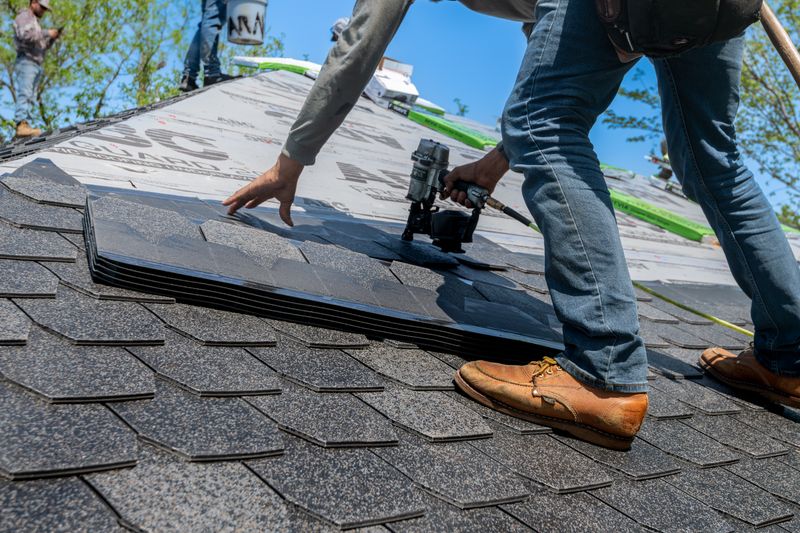
Roof Replacement in LaPlace
Read More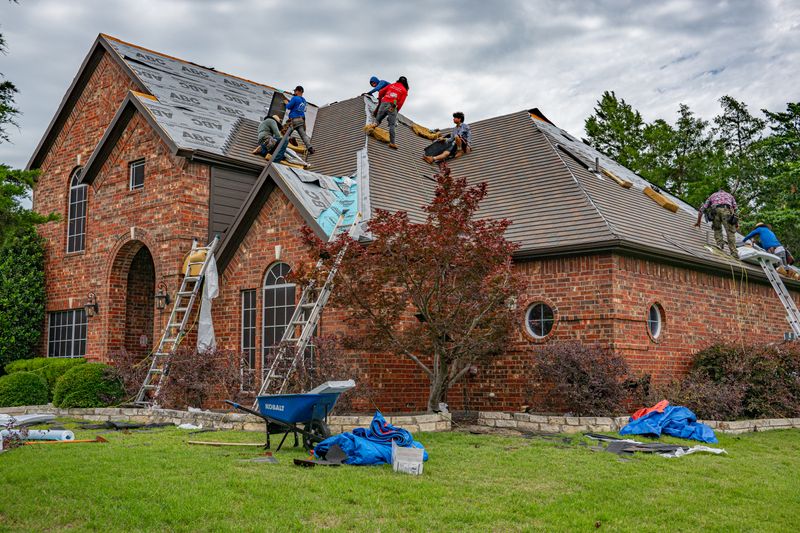
Roof Repairs in LaPlace
Read More
Roof Inspection in LaPlace
Read More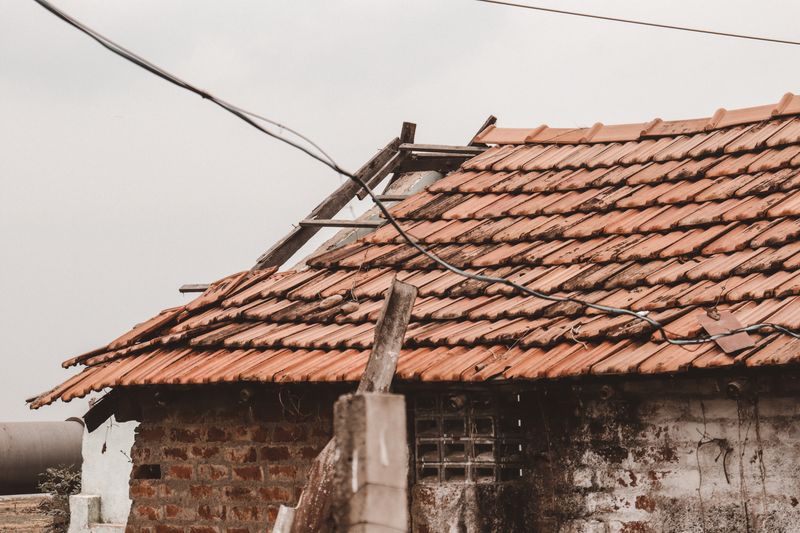
Hail Damage Roof Repair in LaPlace
Read More
Storm Damage Roof Repair in LaPlace
Read More
Storm Damage Emergency Response in LaPlace
Read More
Emergency Roofing in LaPlace
Read More
Roof Leak Detection in LaPlace
Read More
Roof Maintenance in LaPlace
Read More
Roof Coating in LaPlace
Read More
Roof Ventilation in LaPlace
Read More
Roof Weatherproofing in LaPlace
Read More
Roof Restoration in LaPlace
Read More
Roof Flashing Repair in LaPlace
Read More
Fascia Board Installation and Repair in LaPlace
Read More
Gutters and Downspouts Installation in LaPlace
Read More
Gutters and Downspouts Repair in LaPlace
Read More
Siding Installation in LaPlace
Read More
Asbestos Roof Removal in LaPlace
Read More
Roof Insurance Claims in LaPlace
Read More
Soffit Installation in LaPlace
Read More
Soffit Repair in LaPlace
Read More
Commercial Roof Replacement in LaPlace
Read More
Commercial Roof Repairs in LaPlace
Read More
Commercial Roof Inspections in LaPlace
Read More
Commercial Re-Roofing in LaPlace
Read More
Commercial Roof Coating in LaPlace
Read More
Commercial Elastomeric Coatings in LaPlace
Read More
Commercial Roof Ventilation in LaPlace
Read More
Commercial Roof Leak Detection in LaPlace
Read More
Commercial Siding Installation in LaPlace
Read MoreLaPlace Commercial Hail Damage Repair FAQs
What a commercial hail claim needs, what the parish hail record says, and where the roofer stops.