



Storm Damage Emergency Response in Harahan, LA
Big Easy Roofing responds to storm damaged buildings across Harahan and east bank Jefferson Parish. The instinct after a storm is to get the roof covered. The right order is people first, building second, roof third, and the two things people most want to skip are the two that cannot be redone once they have been missed.
Harahan storm emergency response at a glance
This page is about the hours after a storm and before a roofer arrives. The order things happen in matters more than the speed, because two of the steps cannot be undone once they have been skipped. Nobody should be near a compromised structure, and nothing should be covered before it is photographed.
First thing checked
Structural movement, ceilings holding water, walls out of plumb and anything that has shifted are looked at from the ground and from inside before anyone puts a ladder against the roof. Call Big Easy Roofing on (504) 800-8196 and we will come and look.
Second thing checked
Live electrics near standing water, gas smell, damaged service panel, sewer backups. These get checked or isolated before an interior walk-through starts, because water and electricity together are the hazard people most often underestimate.
The order that matters
A tarp hides exactly the evidence somebody will later want to see. Photographing costs minutes and cannot be recreated afterwards, so it happens before the tarp is booked rather than during the tarp visit.
Emergency line
The line is answered around the clock. After a widespread storm the whole region calls at once, and the pricing, tarp duration and full make-safe scope for those calls live on our Harahan emergency roof repair page.
What we will not do
Louisiana R.S. 37:2159.1 stops a roofing contractor from interpreting an insurance policy on a homeowner's behalf. We describe the damage and price the work, and that is what we hand you to use with your insurer. Cover is a question for them.
What you keep
Time and location stamped, taken before anything was moved, and yours whether or not you use us for the repair. That is the record of what the storm actually did and it is what an insurer will ask for later.
Emergency storm response is not roofing. Treating it as the first step of a roof repair is how people get hurt, because the first questions after a storm are whether the building is safe to be in and whether anything inside it is dangerous to be near. Those get answered from the ground and from inside before anybody puts a ladder against the wall, and neither of them is a job a roofer alone is doing.
The second thing to name plainly is that the situation is evidence, and evidence has a short life. Water stops running within hours, debris gets cleared, a tarp goes over the hole, and within a day the only record of what the storm did is whatever somebody photographed before any of that happened. That is why the photographs come before the tarp rather than during it, even though every instinct says cover it first. It costs minutes and it is the part nobody can go back and do again.
The five steps in the order they belong
Five steps, and the sequence is the point rather than the speed. Each one is on the list because doing it later, or not at all, costs something that cannot be recovered afterwards, and the two people most want to skip are the hardest to undo.
| Step | What happens | Why it is here | What skipping it costs |
|---|---|---|---|
| 1. Is the building safe | Structure and ceilings assessed from ground and inside | Nobody should be working on or under a compromised structure | A person on an unsafe roof or under a collapsing ceiling, which is the one unrecoverable outcome |
| 2. Are the utilities safe | Live electrics, standing water, gas smell and damaged service panel checked or isolated | Water and electricity together are the hazard people most often underestimate | A hazard nobody looked for because everyone was looking up |
| 3. Photograph everything | Time and location stamped, before anything is moved | It is the only record of what the storm actually did | The evidence, permanently. A tarp hides exactly what mattered |
| 4. Make safe and cover | Tarp fitted, loose material secured, openings closed | Stops the second wave of damage from the next rain | Interior damage that keeps growing after the storm has passed. The emergency roof repair page carries this work and its cost |
| 5. Assess and price | Damage categorised and the repair scoped in writing | A considered decision, made once the pressure is off | Signing something on a doorstep under pressure. The storm damage page carries the assessment |
Steps 1 and 3 are the ones people want to skip and the two that cannot be done later. Prices for the tarp and the make safe work are on our Harahan emergency roof repair page, and the damage assessment and repair pricing are on the storm damage page, so there is one set of figures rather than three. Call (504) 800-8196 and we will work through it in this order.
What not to touch, and what the law says about pricing
Four things people reasonably do straight after a storm that quietly make the situation worse, plus one thing about pricing that is worth knowing before anyone signs anything. None of the four is careless, which is exactly why they are worth naming plainly.
Do not go into standing water indoors
Water on a floor under a damaged ceiling can be in contact with wiring or a fallen fitting. If the power cannot be isolated safely from outside the affected area, that is a reason to stay out and call, not a reason to be careful.
Do not push a bulging ceiling
A ceiling sagging under trapped water can release the whole load at once. It is dealt with deliberately, from the right position, with the room cleared, rather than poked to see how bad it is.
Do not clear up before photographing
Sweeping debris, moving furniture and covering openings all happen eventually. Doing them before anything is photographed removes the only evidence of what the storm did, and it cannot be reconstructed.
Do not climb up to look
A roof that has lost fixings can look intact and give way under weight, and a wet roof after a storm is the worst combination of conditions. Whatever is up there will still be there when somebody with the right equipment arrives.
Price gouging is regulated during a declared emergency
Louisiana R.S. 29:732 restricts prices during a declared state of emergency, and whether it applies on a given day depends on the declaration in force at the time. That is worth knowing before anyone signs anything, because the two things that follow a storm are people offering help and people offering high prices.
Practical version: get any figure in writing with the date on it, from whoever is quoting it. That is what lets anyone assess it against the statute later, and it is what stops a verbal figure changing between the doorstep and the invoice.
Be careful about who arrives at the door
A storm brings people to the door, and some of them were not in the area the week before. Do not sign anything on a doorstep, and do not sign anything at all that assigns your insurance claim or its benefits to a contractor.
The Harahan storm damage page carries the full doorstep contractor guidance, including the Louisiana State Licensing Board for Contractors licence check and the assignment paperwork that should never be signed under any circumstances. This page names it in passing; that page carries it fully.
What a named storm does to how fast anyone can reach you
Being honest about response times after a widespread event is more useful than a promise nobody can keep. Three things about a regional storm change the picture, they are the same for every contractor working in this market, and knowing them makes it easier to judge whoever turns up.
The whole region calls in the same hour
A single damaged house is a scheduling question. A named storm crossing the parish means every roofer in the area has the same queue on the same morning, and no honest answer involves a specific hour.
What we will do is tell you where you are in that queue and what to do in the meantime, which is more useful than a time that then moves. An active leak into a living space is triaged differently from damage that is contained.
Safe to be in is not the same as safe to be worked on
These are two different judgements and after a regional event they run on two different clocks. A house can be perfectly safe to sleep in while the roof above it is not safe to stand on, and a house with the power still off can have a roof that is entirely workable in daylight.
Utility restoration is not something any roofer schedules, so the useful thing we can do is tell you which of the two is actually holding your job up rather than leaving you to guess. A wet roof also stays unsafe for a good while after the weather has cleared, which is the part people tend not to expect.
Know your permit boundary before the storm
The other thing worth doing while the queue is empty: know which office covers your address. A 70123 postcode is shared between the Harahan city limits, unincorporated Elmwood and River Ridge, so a homeowner in a hurry can spend hours calling the wrong permit office after a storm. Which one covers you is on the roof replacement page, and it is worth knowing before the reroof paperwork is on the timeline.
Big Easy Roofing Process
Four steps, and the first two happen before anybody gets on the roof, because that is what makes the rest of it safe to do.
Make the building safe
Structure, ceilings holding water, live electrics and standing water assessed from the ground and from inside. If it is not safe to be in, that is the first thing you are told rather than the last.
Photograph before anything moves
Every damaged element recorded with time and location stamps, inside and out, before any clearing or covering starts. The pack is yours whether or not you use us.
Cover and secure
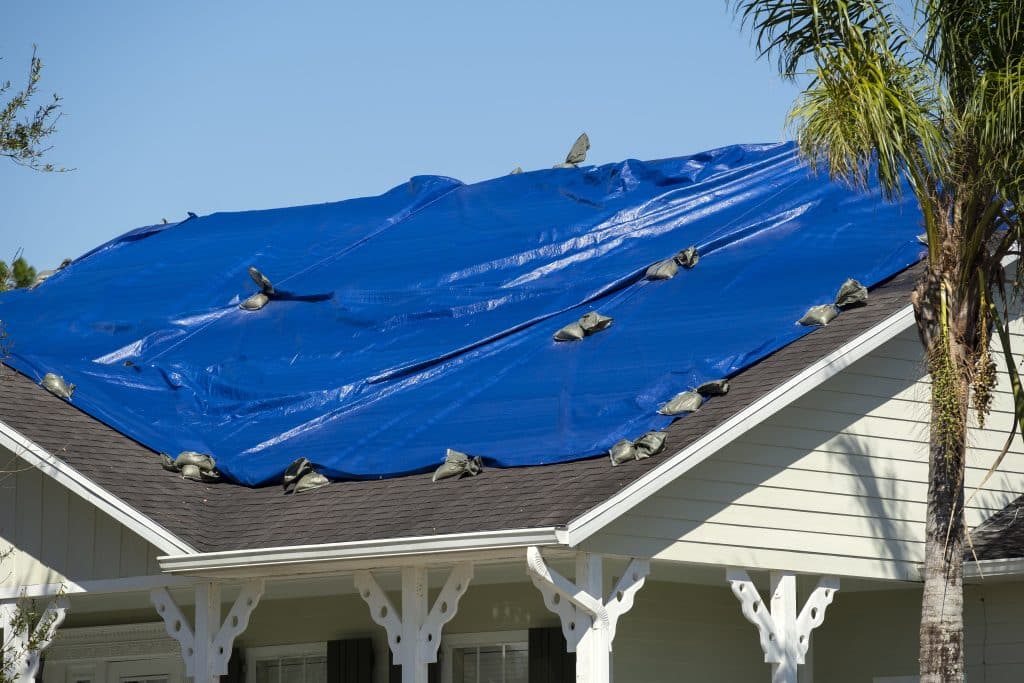
Weatherproof tarp fitted, loose material secured and openings closed, so the rain that follows the storm does not do more damage than the storm did. That work and its pricing sit on the emergency roof repair page.
Then talk about the repair
The damage categorised and the work scoped in writing once the pressure is off, with no signature needed on a doorstep. Call (504) 800-8196.
Everything else we do in Harahan
The rest of the Big Easy Roofing services available in Harahan, each with its own page and written estimate. This page covers the hours before a roofer arrives. The emergency roof repair page covers the tarp and the make safe work itself, and the storm damage page covers how the repair is assessed and priced.
Roof Replacement in Harahan
Read More
Roof Repairs in Harahan
Read More
Roof Inspection in Harahan
Read More
Hail Damage Roof Repair in Harahan
Read MoreStorm Damage Roof Repair in Harahan
Read More
Emergency Roofing in Harahan
Read More
Roof Leak Detection in Harahan
Read More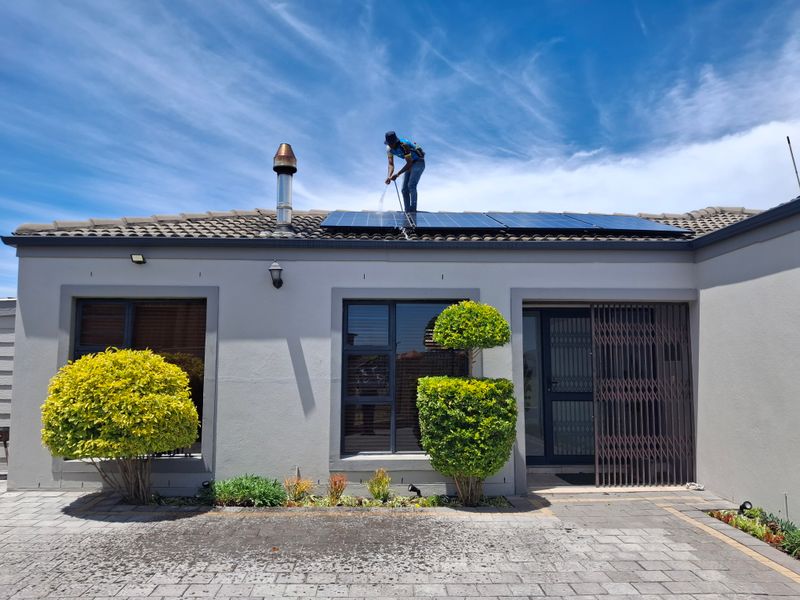
Roof Maintenance in Harahan
Read More
Roof Coating in Harahan
Read More
Roof Ventilation in Harahan
Read More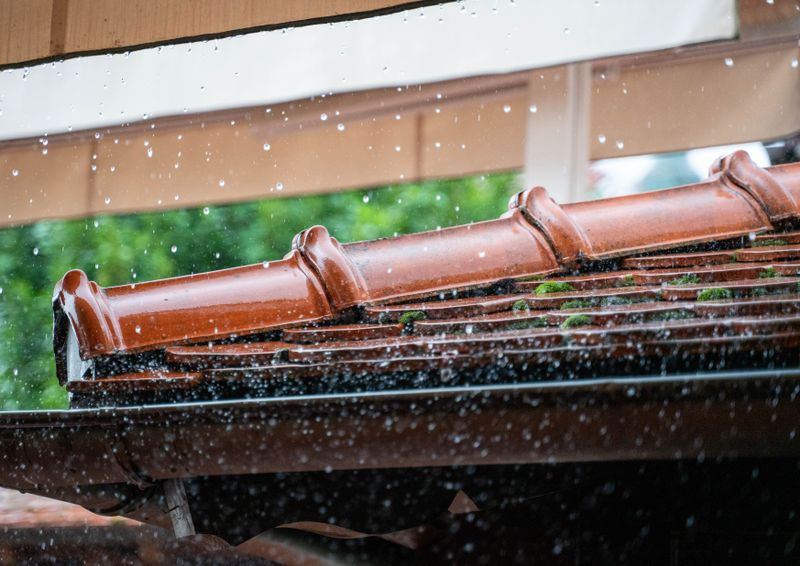
Roof Weatherproofing in Harahan
Read More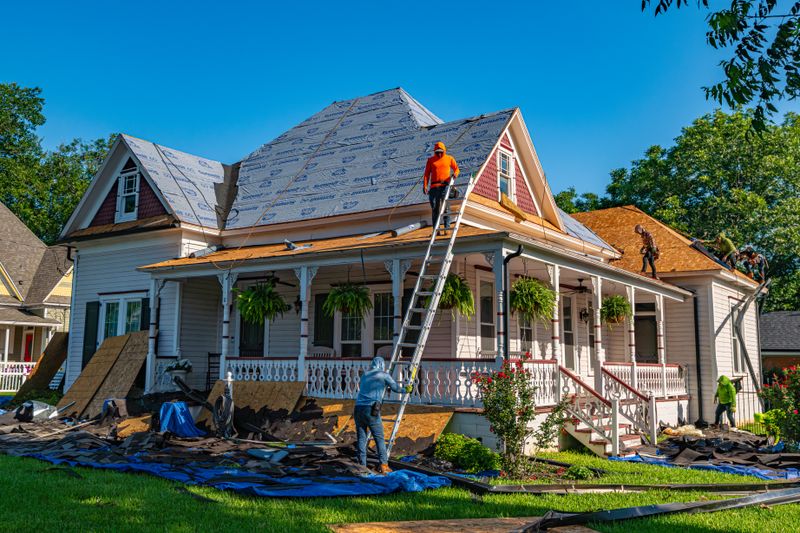
Roof Restoration in Harahan
Read More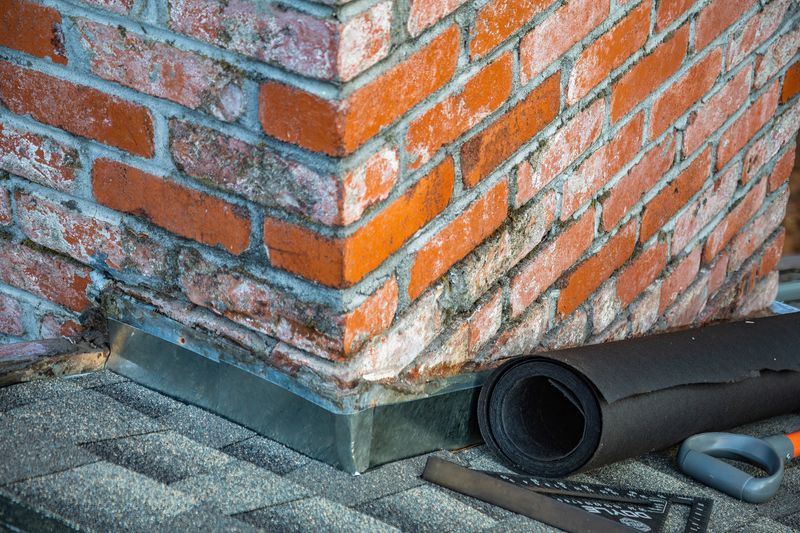
Roof Flashing Repair in Harahan
Read More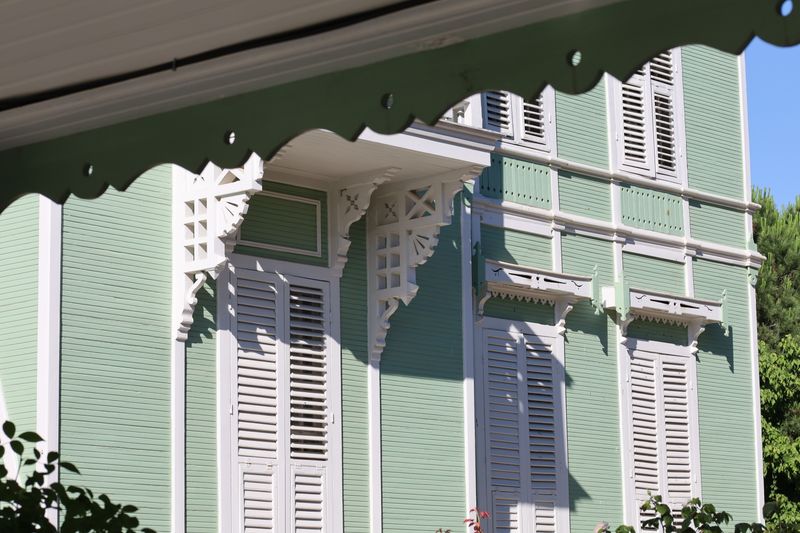
Fascia Board Installation and Repair in Harahan
Read More
Gutters and Downspouts Installation in Harahan
Read More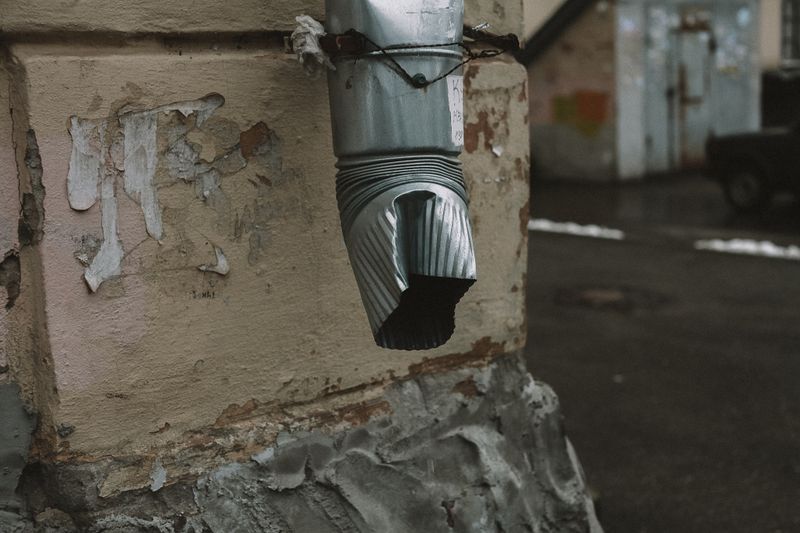
Gutters and Downspouts Repair in Harahan
Read More
Siding Installation in Harahan
Read More
Asbestos Roof Removal in Harahan
Read More
Roof Insurance Claims in Harahan
Read More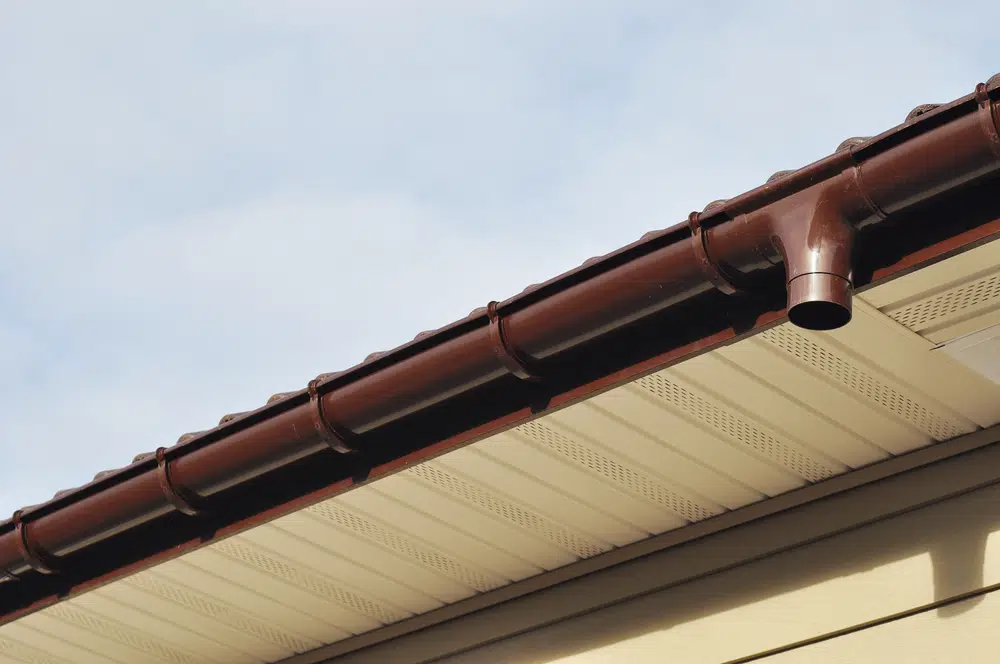
Soffit Installation in Harahan
Read More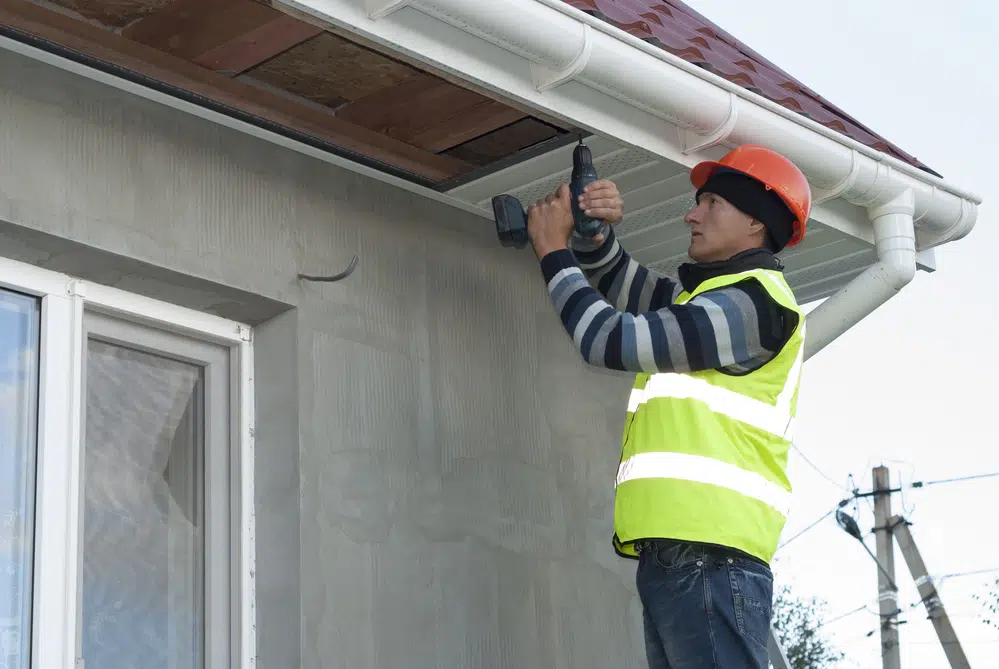
Soffit Repair in Harahan
Read More
Commercial Roof Replacement in Harahan
Read More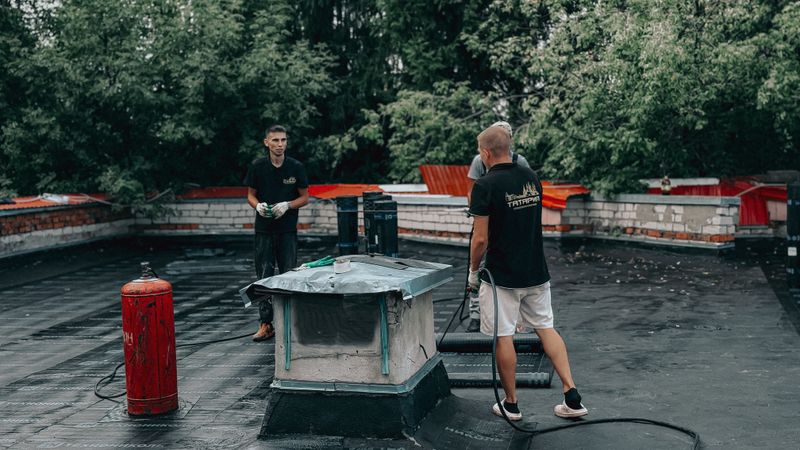
Commercial Roof Repairs in Harahan
Read More
Commercial Roof Inspections in Harahan
Read More
Commercial Hail Damage Repair in Harahan
Read More
Commercial Re-Roofing in Harahan
Read More
Commercial Roof Coating in Harahan
Read More
Commercial Elastomeric Coatings in Harahan
Read More
Commercial Roof Ventilation in Harahan
Read More
Commercial Roof Leak Detection in Harahan
Read More
Commercial Siding Installation in Harahan
Read MoreHarahan Storm Emergency Response FAQs
The questions worth asking in the first hours after a storm in Harahan, answered plainly.