



Commercial Hail Damage Repair in Harahan, LA
Big Easy Roofing assesses and repairs commercial hail damage across Harahan and east bank Jefferson Parish. A commercial hail claim usually needs two documented halves rather than one: the physical damage to the membrane, and the storm event that caused it. Missing either half is what most often loses a claim.
Harahan commercial hail damage repair at a glance
A commercial hail claim needs two halves documented and tied together: the physical damage to the membrane and its supporting components, and the meteorological record of the storm that caused it. The repair is scoped from the survey once both halves are on the file, not before.
The two halves of a claim
A claim usually needs both. Physical damage is documented on the roof and matched to a specific storm event, and the storm event has to have produced hail large enough to cause it. Either half missing is where most claims run into trouble. Call Big Easy Roofing on (504) 800-8196.
Which office covers you
Any repair or reroof scoped from a hail claim is permitted work under Louisiana R.S. 37:3737(I)(1). On a Harahan-address commercial building most of the commercial belt sits in unincorporated Jefferson Parish, so the Parish permits office handles it. Inside the Harahan city limits the City Regulatory Department on (504) 737-6765 handles it. The boundary is verified at the address.
Which code applies
Louisiana R.S. 37:3737(I)(1) routes non-dwelling buildings to International Building Code Chapter 15, as adopted with Louisiana amendments. Louisiana is on the 2021 editions.
What we describe
Louisiana R.S. 37:2159.1 stops a roofing contractor from interpreting an insurance policy or deciding what is covered. What we do is describe the damage, document it against the storm event, and price the repair. Cover is a question for your insurer.
What decides scope
On a commercial hail assessment the conclusive test for whether the insulation below the membrane took damage is a core cut. That method and the moisture survey around it live on the commercial roof inspections page rather than here, so this page does not repeat them.
Warranty note
A core cut is destructive: it removes a small area of membrane and insulation so somebody can look at both. On a roof still under manufacturer warranty the method and the number of cores are agreed with the manufacturer beforehand, so the survey does not void the warranty it is trying to preserve.
A commercial hail claim is not a description of a bad storm. It is a document file. The insurer expects two halves in that file, and each half has to reference the other: physical damage on the roof, documented against a specific storm event that produced hail large enough to cause it. A file with only the physical damage is a claim without a cause; a file with only the storm event is a claim without a loss. Either way, it usually stalls.
The survey therefore does two things in parallel. It documents the visible damage on the membrane and its supporting components (flashings, fasteners, penetrations, gutters and edge metal), and it pulls the storm record for the specific date and location. Where the two match, the file is coherent. Where they do not, that has to be answered before the claim moves forward, because an insurer will ask.
How hail marks each commercial roofing system
Hail damage looks different on every commercial roofing system, and some of those signatures are visible from the ground while others are not. What is consistent across all of them is that the visible surface is a starting point and the below-membrane condition is what actually decides scope.
| System | What hail leaves visible | What is hidden below | What documents the damage |
|---|---|---|---|
| TPO single ply | Circular fractures in the membrane surface, granule loss where reinforced, punctures at points of impact on unballasted areas | Whether the reinforcement scrim beneath the surface has fractured, and whether water is now sitting in the insulation | Chalk-marked impact map plus core cuts where the survey suggests they are worth doing |
| EPDM rubber | Punctures on unballasted membrane, tears at seams under impact | Whether the impact reached the substrate, and whether wet insulation is progressing beneath a puncture | Impact map, seam probe, and a core cut through any suspect impact site |
| Modified bitumen | Aggregate fracture, cratering of the surface ply, granule loss where the top sheet is granulated | Whether the fracture penetrated to the base ply, and whether water is tracking laterally under the top sheet | Visible inspection is often enough for surface damage; core cut through any penetration |
| Standing seam metal | Dents in the panel, dents in flashings and gutters, coating fracture at impact points | Whether the coating fracture will progress to corrosion at the impact site | Photographic damage map with measured dent counts and diameters, plus a coating condition assessment |
| Aggregate or gravel-surfaced built-up | Aggregate displacement and puncture at exposed sheet where aggregate has moved | Whether the built-up membrane below took impact through the aggregate | Aggregate depth measurement, plus a core cut where displacement suggests the membrane took a hit |
The highlighted row is the commonest low-slope system on large open commercial roofs generally, and its hail signature is one of the more ambiguous ones: circular fractures on the surface are visible, but whether the reinforcement scrim beneath fractured is a separate question that only a core cut can answer. On any of the five, the visible surface is the start of the survey, not the end. Call (504) 800-8196 and we will run the impact map and pull the storm record.
What a hail claim file needs, and where the roofer stops
The insurer decides cover; we describe damage. A useful commercial hail claim file gives the insurer four things assembled together in the same document, and Louisiana R.S. 37:2159.1 sets the line between what a roofing contractor may and may not do inside that process. That line matters more here than it looks.
Physical damage documentation
Impact map with location and count, photographs at close range and in context, measurements where damage size is relevant, and a written description of each finding. All time-stamped and location-tagged so the file cannot be argued as a different date.
Meteorological match
The claim identifies a specific storm event: date, approximate time, hail size and storm track. NOAA Storm Events and the NWS local storm reports are the primary sources. Where the storm record does not carry hail large enough to match the physical damage, that is answered before the file goes in.
Below-membrane condition
Whether the insulation below the membrane took damage is a separate question and it decides scope. The moisture survey (infrared, capacitance or nuclear) and the core cut both live on the commercial inspections page, and their findings become part of the hail file.
What the roofer does not do
Louisiana R.S. 37:2159.1 stops a roofing contractor from telling you what your policy will pay, whether a peril is covered, or how a deductible applies. What we hand you is the damage documentation and the repair scope, to use with your insurer or your public adjuster.
Why the storm record matters as much as the damage
Insurers see hail claims that describe visible damage and no matching storm, and they also see claims that describe a bad storm but no visible damage on the roof. Either version stalls, because the claim needs both halves to be internally consistent.
So the storm record is pulled at the survey rather than at the invoice. NOAA Storm Events archives Louisiana events, and the National Weather Service Slidell office is the local source for the New Orleans metro. Where the two are searched and the storm actually was where the roof says it was, the claim is coherent.
Why we do not decide cover
Louisiana R.S. 37:2159.1 restricts what a roofing contractor may tell a building owner about their own insurance cover. That restriction is there because the roles are separate: your insurer decides cover, and the roofer describes damage and prices work. Blurring the two is where commercial hail claims most often go wrong.
On a substantial commercial claim a public adjuster is a separate professional who represents the building owner rather than the insurer, and who is licensed to interpret the policy. That is a different role from ours, and we work alongside one rather than in place of one.
The Louisiana storm record and how to search it for a specific date
The two publicly searchable records for a Louisiana hail event are the NOAA Storm Events Database and the NWS Slidell forecast office local storm reports. Both are free to search, both go back years, and both are what an insurer will check against a claim.
NOAA Storm Events Database
NOAA publishes a searchable Storm Events Database that covers hail, severe wind, tornadoes and flooding by county and by date. Jefferson Parish is a searchable jurisdiction there. For a hail claim the useful fields are date, time, hail size (measured in inches diameter), and storm track. A storm event that produced 1.0 inch hail or larger is the threshold the NWS classifies as severe.
NWS Slidell local storm reports
The National Weather Service forecast office in Slidell covers the New Orleans metro including Jefferson Parish, and it publishes local storm reports on days of active weather. These reports carry the ground-truth observations that feed the Storm Events Database and often name specific communities where damage was reported. They are what tie a specific building to a documented event.
What to do if the records do not match
Where the physical damage on a roof does not match a recorded storm event, the claim usually needs a second look before it goes in. Damage that predates the earliest matching storm may be a maintenance issue rather than a covered loss, and damage without a matching storm is what most often gets refused. The survey answers this before the file is submitted.
Big Easy Roofing Process
Four steps, and the storm record is pulled in parallel with the damage survey rather than after it, because a file that is missing either half is a file the insurer will send back.

Damage survey on the roof
Membrane, flashings, penetrations, gutters and edge metal all inspected and impact-mapped. Photographs at close range and in context, with time-stamps and location tags. Where the visible damage suggests below-membrane condition needs checking, that runs through the commercial inspections page workflow.
Storm record pulled in parallel
NOAA Storm Events Database and NWS Slidell local storm reports checked for hail events at the property in the loss window. The specific storm and its hail size are named on the file so the physical damage and the cause are tied together in the record.
Written damage report and repair scope
Findings, cause where matched to the storm record, recommended repair scope, and the boundary and permit route for the repair itself. What the roofer will and will not do inside the claim process is stated plainly, per R.S. 37:2159.1.
Repair to IBC Chapter 15 and the manufacturer detail
Once the claim decision is your own, the repair is executed to the code and to the manufacturer detail where the roof still carries a system warranty. The permit is filed with the office that covers the address. Call (504) 800-8196 to book the survey.
Everything else we do in Harahan
The rest of the Big Easy Roofing services available in Harahan, each with its own page and scope of work. The moisture survey behind a hail call is on the commercial inspections page, the recover-or-tear-off decision is on the replacement page, and the electronic leak detection method is on the commercial leak detection page.
Roof Replacement in Harahan
Read More
Roof Repairs in Harahan
Read More
Roof Inspection in Harahan
Read More
Hail Damage Roof Repair in Harahan
Read More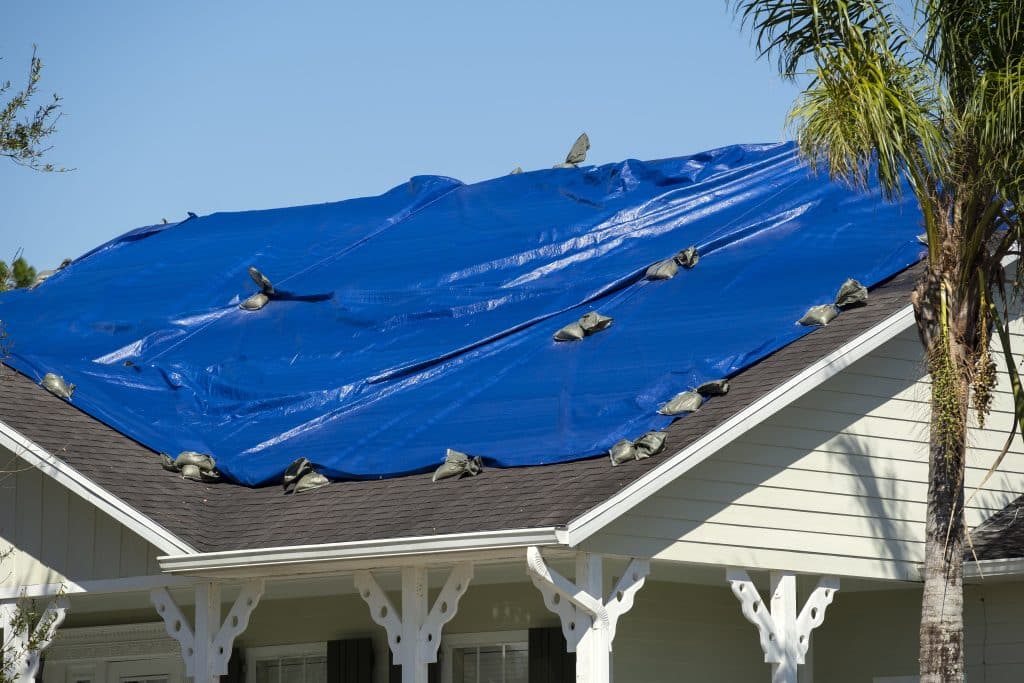
Storm Damage Roof Repair in Harahan
Read More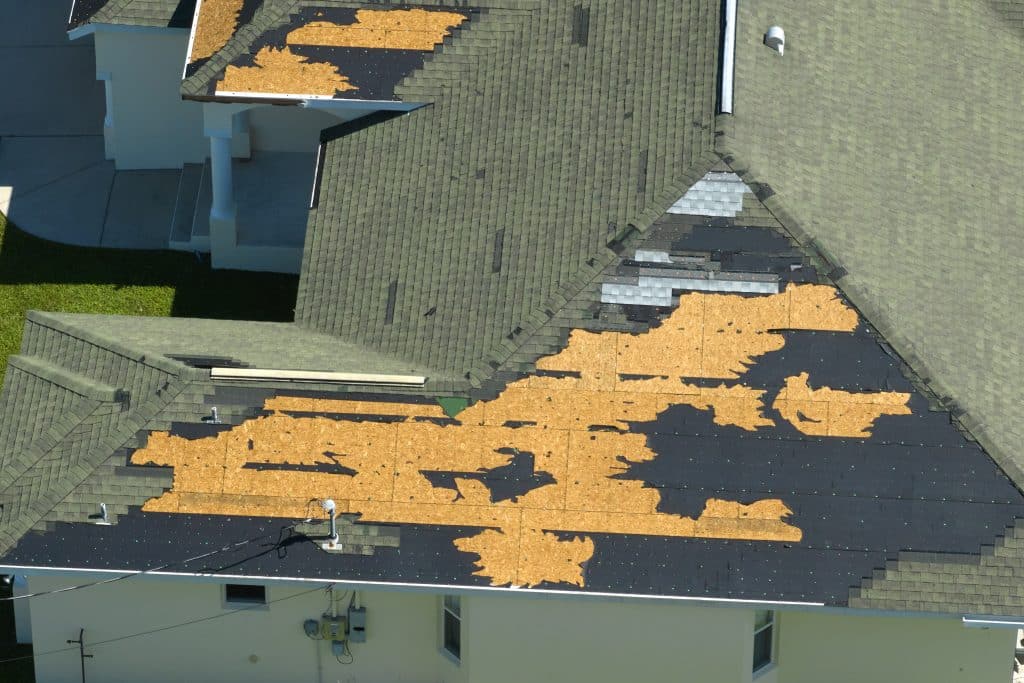
Storm Damage Emergency Response in Harahan
Read More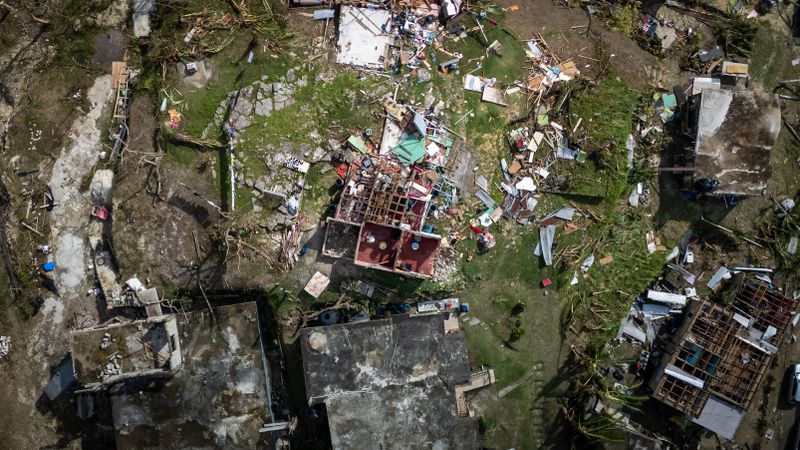
Emergency Roofing in Harahan
Read More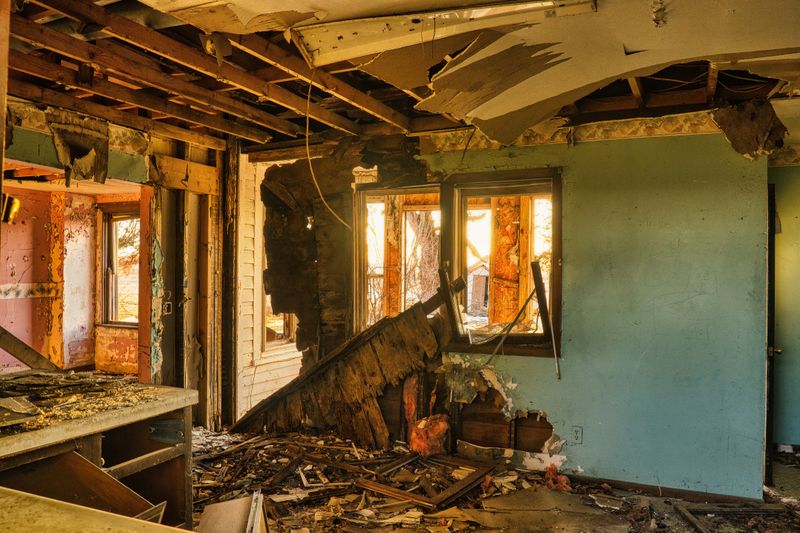
Roof Leak Detection in Harahan
Read More
Roof Maintenance in Harahan
Read More
Roof Coating in Harahan
Read More
Roof Ventilation in Harahan
Read More
Roof Weatherproofing in Harahan
Read More
Roof Restoration in Harahan
Read More
Roof Flashing Repair in Harahan
Read More
Fascia Board Installation and Repair in Harahan
Read More
Gutters and Downspouts Installation in Harahan
Read More
Gutters and Downspouts Repair in Harahan
Read More
Siding Installation in Harahan
Read More
Asbestos Roof Removal in Harahan
Read More
Roof Insurance Claims in Harahan
Read More
Soffit Installation in Harahan
Read More
Soffit Repair in Harahan
Read More
Commercial Roof Replacement in Harahan
Read More
Commercial Roof Repairs in Harahan
Read More
Commercial Roof Inspections in Harahan
Read More
Commercial Re-Roofing in Harahan
Read More
Commercial Roof Coating in Harahan
Read More
Commercial Elastomeric Coatings in Harahan
Read More
Commercial Roof Ventilation in Harahan
Read More
Commercial Roof Leak Detection in Harahan
Read More