



Fascia Board Repair in Harahan, LA
Big Easy Roofing repairs and replaces fascia boards across Harahan and east bank Jefferson Parish. A rotten fascia is rarely the original fault. Something has been wetting that board for a long time, and replacing the timber without finding out what will buy you the same repair again.
Harahan fascia board repair at a glance
Replacing a rotten section of fascia is estimated at $300 to $700 and takes two to four hours, with the gutter section taken down and rehung in the same visit. The part that decides whether it lasts is not the carpentry, it is establishing what was wetting the board.
Estimated per section
Taking the gutter section down, cutting out and replacing the rotten fascia, repainting and rehanging. Two to four hours. Call Big Easy Roofing on (504) 800-8196 and we will look before quoting.
Who permits a reroof
Fascia work is repair and joinery, not roof construction, so the 2025 reroofing rule does not name it. A full reroof is permitted and inspected through either the City of Harahan Regulatory Department on (504) 737-6765 inside the city limits or Jefferson Parish outside them. A 70123 address does not tell you which, because the same ZIP also covers River Ridge and Elmwood.
A full elevation
Where the rot runs along most of a run rather than sitting in one or two bays, the gutter comes down as a whole and the board is replaced in lengths. Priced by the foot and agreed before starting.
What it carries
The fascia closes the ends of the rafter tails and gives the roof edge a straight line to finish against. Hidden gutter hangers screw into it, so a full gutter of water in a heavy downpour is hanging off that board.
The repair to refuse
Wrapping a soft board in aluminium coil makes it look finished. It also traps the moisture against timber that now has no way of drying, and hides it from the next person to look. Rotten timber comes out before anything is wrapped.
Warranty
Our workmanship warranty on the timber we replace, the paint or finish on it, and the gutter we take down and rehang.
Every figure on this page is an estimate, not a quote, and is subject to Big Easy Roofing sign off. Cost and timescale depend on size, pitch, access, weather, materials and whatever is found once work starts, so call Big Easy Roofing on (504) 800-8196 and we will come out and give you an estimate for your own roof.
Fascia is the board running horizontally along the lower edge of a roof, closing off the ends of the rafters and giving the whole edge a straight line to finish against. It is doing three jobs at once. It closes the roof structure off from weather and wildlife, it gives the gutter something to hang from, and together with the soffit underneath it forms the boxed in eave that a great many houses here have.
It also sits in the wettest part of the entire building. Everything the roof sheds passes it, everything the gutter fails to catch runs over it, and the air around it is humid for most of the year. So fascia rot is common, and it is common precisely because it is downstream of several other things going wrong. That is why the useful part of this job is diagnosis rather than carpentry. Cutting out a soft board and fitting a new one is straightforward work. Working out why that board went soft is what determines whether you are paying for it once or every few years.
What to replace the board with and what each choice costs you later
Four realistic options, and the right answer depends on how much of the run is coming off and whether the cause has been dealt with. The table is about what each one does over time rather than what it looks like on the day.
| Material | What it is | Estimated cost | What to know |
|---|---|---|---|
| Primed and painted wood | Like for like replacement in timber | $300 to $700 per section | Matches what is already there, takes paint well, and needs the paint keeping up |
| PVC or composite board | A synthetic board that resists rot | Adds roughly a third | PVC will not rot; a composite depends on what it is made of. Moves more with temperature, so the fixing detail matters |
| Wood capped in aluminium coil | New timber with a metal wrap over it | Adds a little to new timber | Acceptable over SOUND new wood. Never over anything soft |
| Aluminium cap over the existing board | Wrapping what is already there | Cheapest today | The repair to refuse where there is any rot. It traps water and hides the evidence |
Estimated ranges, not quotes. Capping is a finish, not a repair: over sound new timber it is a reasonable way to reduce maintenance, and over a board that is already soft it converts a visible problem into an invisible one. Call (504) 800-8196 and we will show you what the board is actually doing before anything is covered up.
Three usual causes of fascia rot and why finding them is the whole job
Fascia rot has three usual causes and each one is a different fix on a different part of the roof. Replacing the timber without settling which one it was is the reason this job gets done twice on the same house.
The gutter is overflowing
Water backing up behind a gutter, or leaking between the gutter and the board, is what wets the fascia, and it sits against the top of the board where it is hardest to see. A gutter that overflows however often it is cleared is undersized rather than dirty, which our gutter installation page covers in full.
The drip edge is missing or too short
Drip edge is the metal along the eave that throws water off the roof and into the gutter rather than letting it curl back under the covering onto the fascia. When it is absent, or fitted the wrong side of the underlayment, the board is being wetted from above every time it rains.
The eave never dries out
Where insulation has been pushed out over the soffit vents, the eave cavity stops moving air. In a humid climate that means the timber in it stays damp rather than drying between rains, and damp timber in contact with nothing in particular still rots.
So the inspection covers all three
Gutter fall and capacity, drip edge presence and orientation, and soffit intake, all checked at the same visit as the board. The finding goes in writing with the repair, because the second fix is usually cheaper than the first and is what makes it last.
Why rot at the ends of a run means something different
Where the soft timber is at a corner or at the end of a run, the suspect is usually the joint or the outlet rather than the whole gutter. Corners are where seams leak and where water changes direction, and a downspout outlet concentrates everything the run has collected into one point.
Rot spread evenly along a whole elevation is a different story and points at capacity or at drip edge, because a fault at one point does not wet forty feet of board evenly. Where the rot is tells you a lot before anybody gets a ladder out.
What is behind the fascia matters more than the fascia
The board is fixed to the ends of the rafter tails. Where water has been getting behind it for years rather than running down its face, those rafter tails can be soft too, and that is structure rather than trim.
It is checked once the board is off, and if the tails are affected the job changes and so does the price, which is why that possibility is raised at the quote rather than discovered on the day. Sistering or replacing rafter tail ends is carpentry, and it is not something to find out about after the work has started.
What a Harahan climate does to timber at the eaves
Wood at the roof edge works harder here than it would in a dry climate, because the eave takes run off from the whole slope and the humidity gives it little chance to dry. Three things about this climate are worth knowing before choosing between timber and something that cannot rot.
It rarely gets a chance to dry out
Rot needs timber to stay wet rather than to get wet. In a dry climate a board that takes a soaking dries before it matters. Here the humidity is high for most of the year and the eave is often shaded, so the drying half of that cycle is slow.
That is why the ventilation question keeps coming back on a job that looks like joinery. A boxed eave with blocked soffit intake is a small enclosed space that stays damp, and the fascia and the soffit are the timber inside it.
Rain arrives faster than gutters were sized for
Heavy short bursts overwhelm a gutter that copes perfectly well with ordinary rain, and water backing up behind the gutter reaches the fascia. That is why a board can rot on a house where the gutters are cleaned every year and look fine most of the time.
Sizing is a capacity question rather than a cleanliness one, and it is set by the roof area draining into each run against the rainfall rate, which NOAA Atlas 14 puts at 5.39 inches an hour for the Harahan coordinates. Our Harahan gutter installation page sets out how that calculation works.
Which changes the case for a synthetic board
PVC and composite fascia cost more up front, roughly a third more than timber on a like for like section, and PVC does not rot, while a composite depends on what it is made of. On a run that has already been repaired once, or where the cause is awkward to eliminate, that is a reasonable trade.
They are not a substitute for fixing the cause. Water still gets behind the board, still reaches the rafter tails and still has to go somewhere. A synthetic board removes one symptom rather than the problem, and it should be sold that way.
Big Easy Roofing Process
Three steps, and the first one is about the gutter, the drip edge and the soffit rather than about the board everybody is looking at.
Find the cause before pricing the board
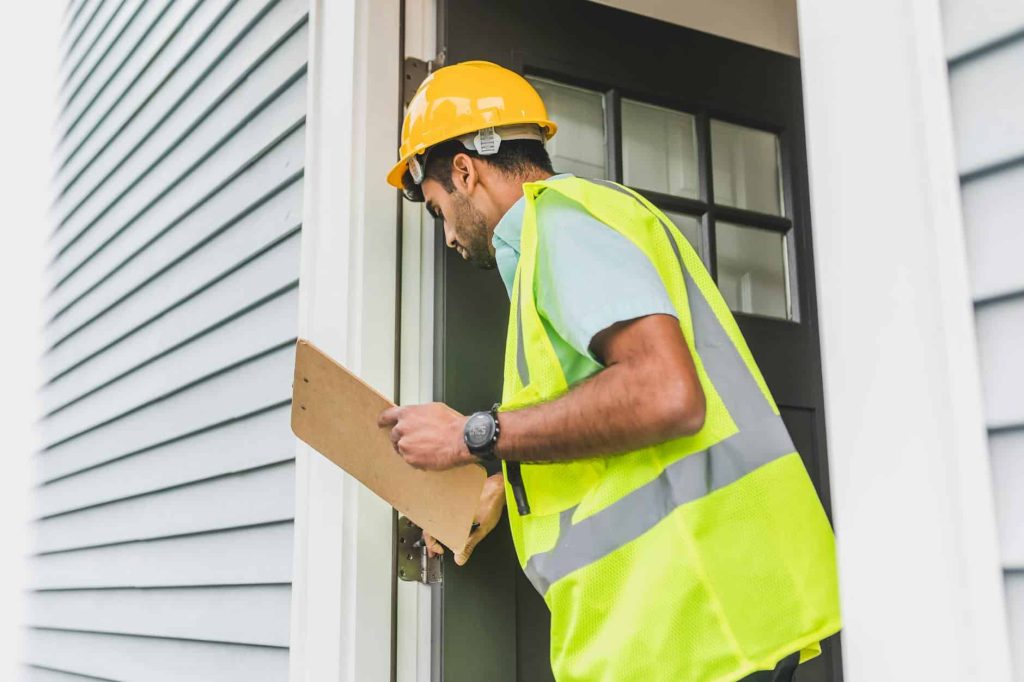
The gutter checked for fall, blockage and capacity, the drip edge checked for presence and orientation, and the soffit intake checked from inside where we can get to it. Where the rot sits along the run is recorded, because it narrows the cause.
Price the repair and the cause separately
The fascia work as one line and whatever was wetting it as another, so you can see what each costs and decide. We will say plainly if we think replacing the board alone will not last, rather than quoting it quietly.
Cut out, replace, finish and rehang
Gutter section taken down, rotten timber cut back to sound wood, rafter tails checked while the board is off, new fascia fitted and finished, and the gutter rehung on new hangers. Call (504) 800-8196 to book the look.
Everything else we do in Harahan
The rest of the Big Easy Roofing services available in Harahan, each with its own page and written estimate. Fascia sits at the junction of three of them: the gutter hangs off it, the drip edge should be directing water past it, and the soffit intake below it decides whether the eave ever dries out.
Roof Replacement in Harahan
Read More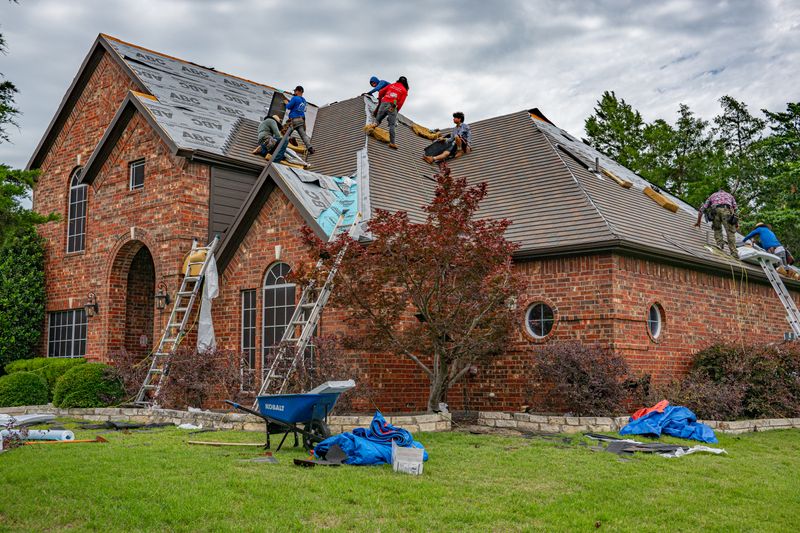
Roof Repairs in Harahan
Read More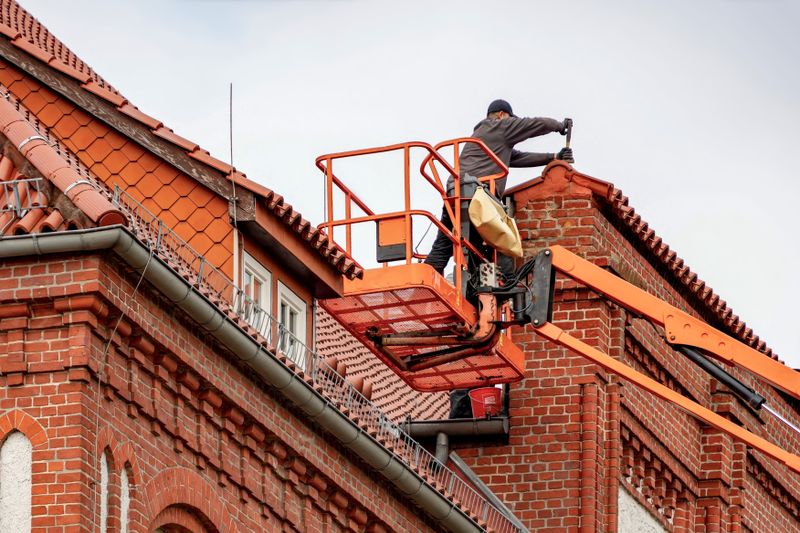
Roof Inspection in Harahan
Read More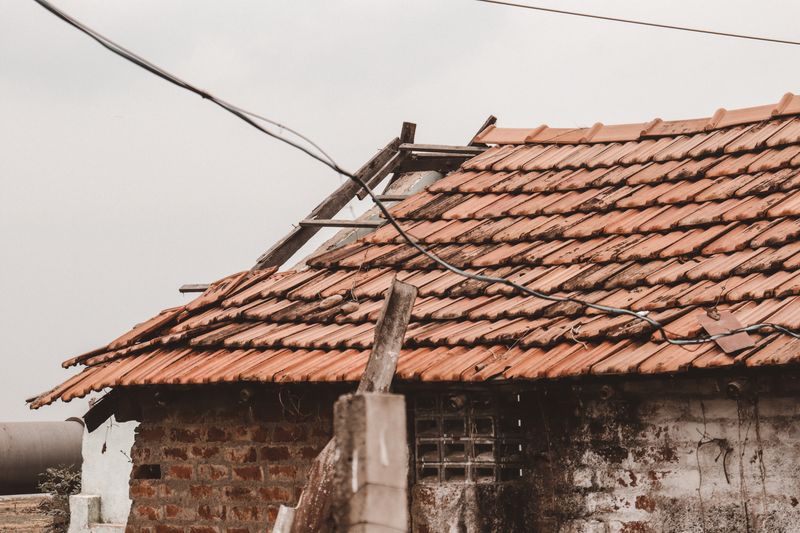
Hail Damage Roof Repair in Harahan
Read More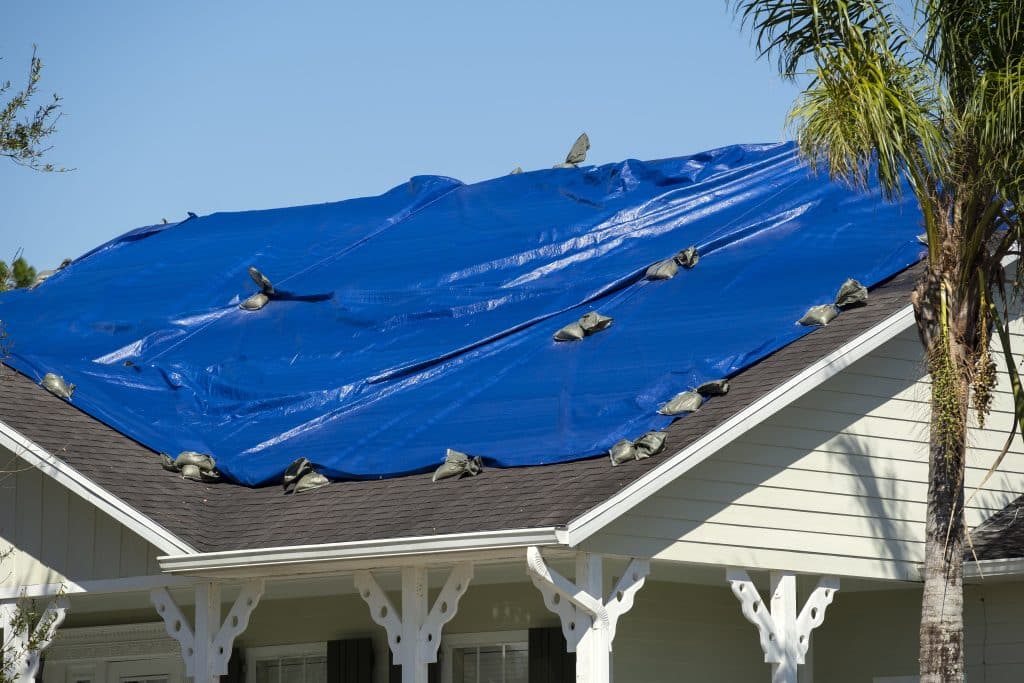
Storm Damage Roof Repair in Harahan
Read More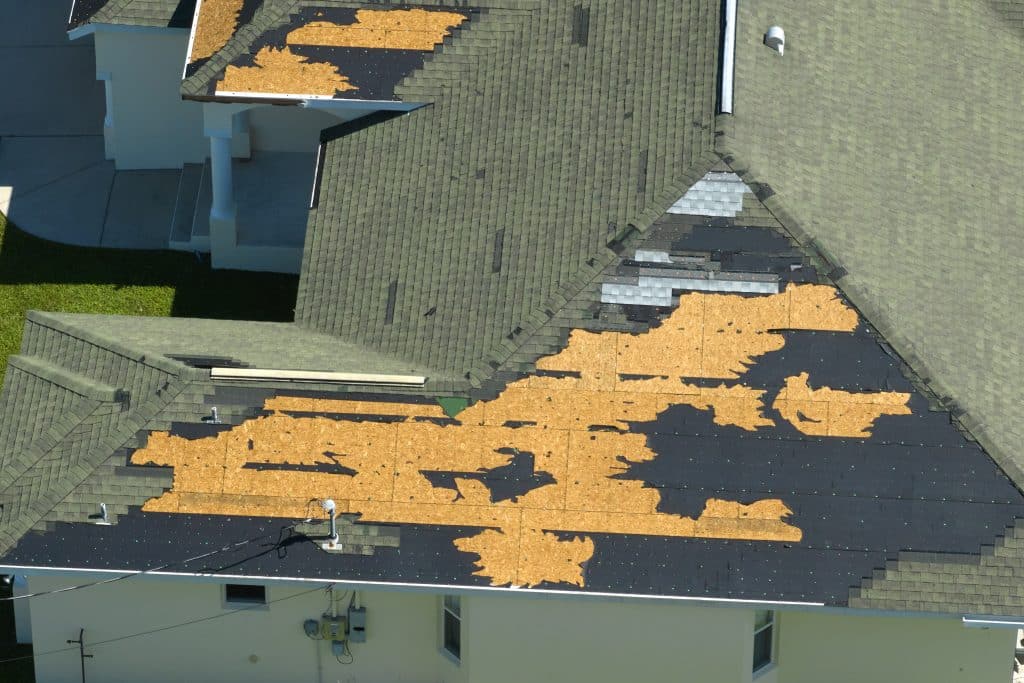
Storm Damage Emergency Response in Harahan
Read More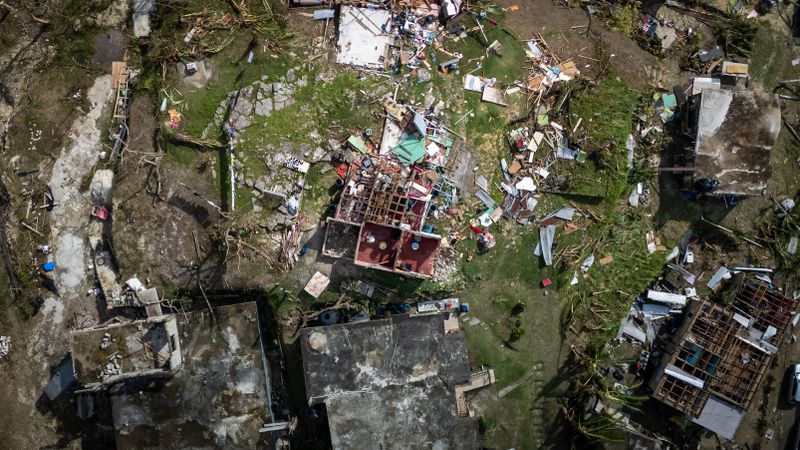
Emergency Roofing in Harahan
Read More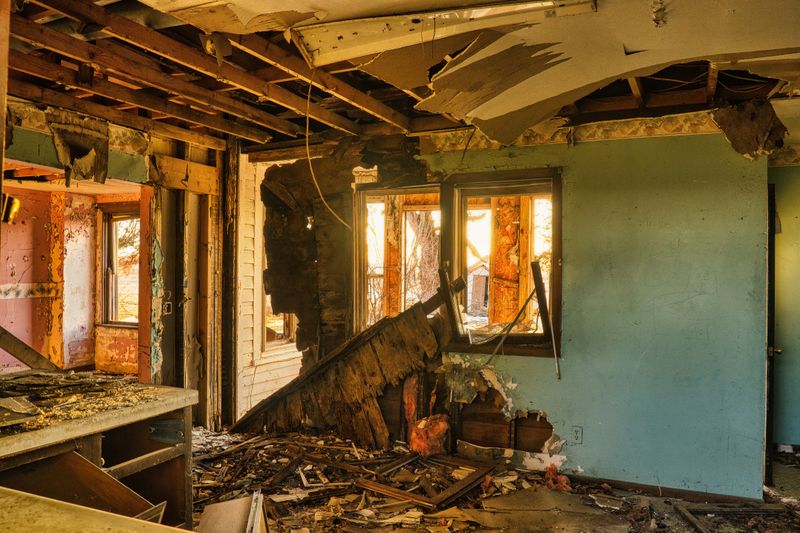
Roof Leak Detection in Harahan
Read More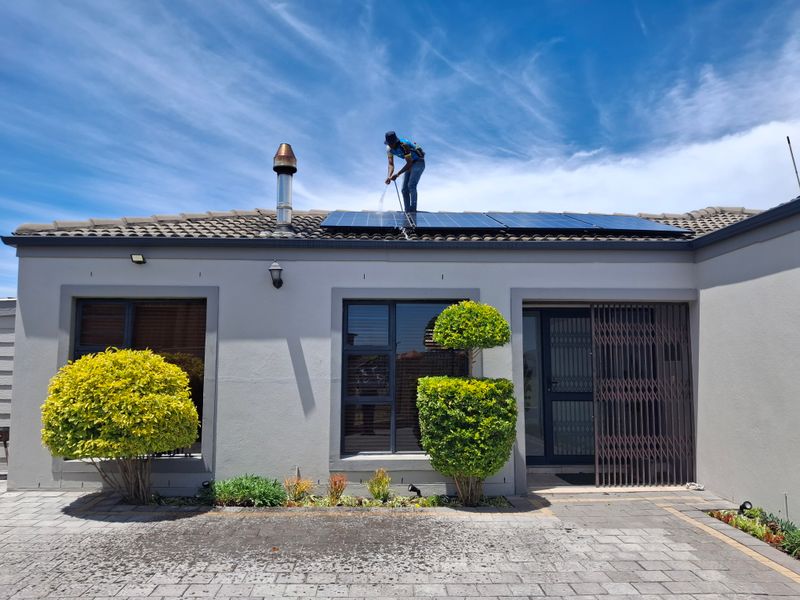
Roof Maintenance in Harahan
Read More
Roof Coating in Harahan
Read More
Roof Ventilation in Harahan
Read More
Roof Weatherproofing in Harahan
Read More
Roof Restoration in Harahan
Read More
Roof Flashing Repair in Harahan
Read More
Gutters and Downspouts Installation in Harahan
Read More
Gutters and Downspouts Repair in Harahan
Read More
Siding Installation in Harahan
Read More
Asbestos Roof Removal in Harahan
Read MoreRoof Insurance Claims in Harahan
Read More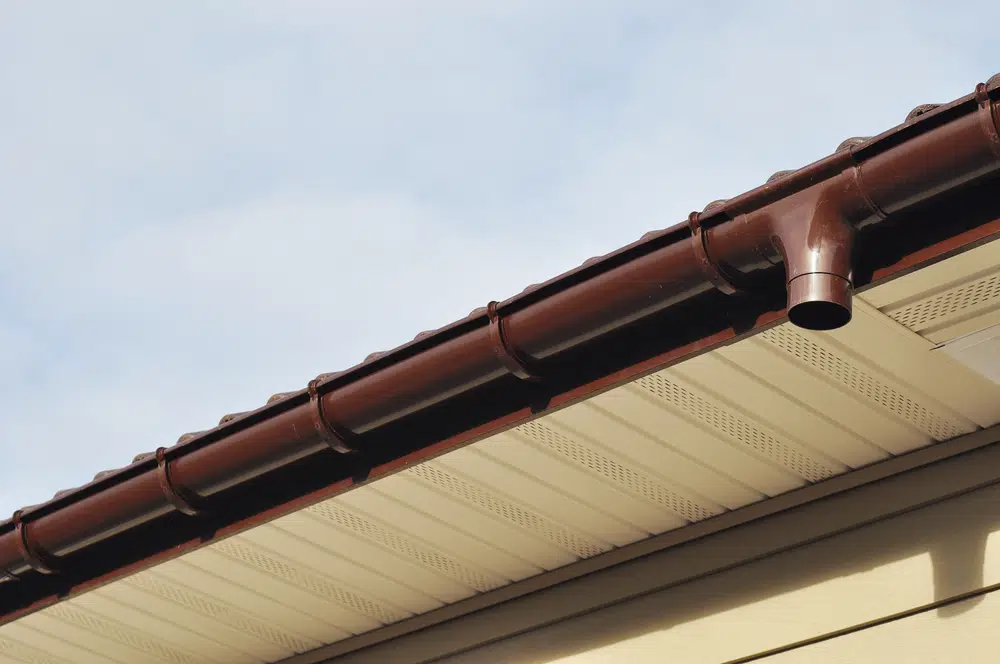
Soffit Installation in Harahan
Read More
Soffit Repair in Harahan
Read More
Commercial Roof Replacement in Harahan
Read More
Commercial Roof Repairs in Harahan
Read More
Commercial Roof Inspections in Harahan
Read More
Commercial Hail Damage Repair in Harahan
Read More
Commercial Re-Roofing in Harahan
Read More
Commercial Roof Coating in Harahan
Read More
Commercial Elastomeric Coatings in Harahan
Read More
Commercial Roof Ventilation in Harahan
Read More
Commercial Roof Leak Detection in Harahan
Read More
Commercial Siding Installation in Harahan
Read MoreHarahan Fascia Board Repair FAQs
The questions that come up when the timber behind a gutter has gone soft in Harahan, answered before you have to pick up the phone.