



Roof Restoration in Harahan, LA
Big Easy Roofing restores roofs across Harahan and east bank Jefferson Parish. Restoration is not defined anywhere, so the useful version of this page is not about the word. It is about the components: which stay, which are replaced, and the point in that list where the scope has quietly become a reroof and needs the state permit that comes with one.
Harahan roof restoration at a glance
Restoration sits between fixing single defects and replacing the covering, and it is estimated at 40 to 60 percent of what replacing the same roof would cost. What sets the price is not the word on the invoice, it is the itemised list of what stays and what gets replaced, and where that list stops.
Estimated cost
A trade rule of thumb rather than a measurement, useful for a first budget and not much else. A particular roof lands outside it in either direction depending on the component list, which is why we quote the restoration and the replacement side by side for the same roof. Call Big Easy Roofing on (504) 800-8196.
Who permits a reroof
If the restoration scope crosses into replacing the covering, it is a reroof and it is permitted through the City of Harahan Regulatory Department on (504) 737-6765 inside the city limits, or through Jefferson Parish outside them. A 70123 ZIP is shared with unincorporated Elmwood and River Ridge, so the routing is settled at the address.
The line that matters
Louisiana Act 239 of 2025, carried at R.S. 37:3737(I), makes a residential covering replacement a permitted job. A restoration whose scope replaces the covering rather than just repairing sections of it is no longer a restoration for permit purposes, whatever the estimate is headed.
Possible added service life
A possibility on a suitable roof rather than a prediction for yours, and it depends entirely on which components were replaced. Renewing flashings, boots and underlayment at every penetration buys years. Cleaning and resealing buys much less, and neither replaces granules on a covering that has lost them.
What it cannot do
Restoration renews details and components. It does not renew the covering, so a roof whose seal strips are broken well beyond the visible gap or whose covering is at the end of its life is a replacement whatever the quote is headed. The coating page covers where a surface membrane fits and where it does not.
Estimated time on site
Longer than a repair, shorter than a replacement, and driven by how many penetrations, valleys and flashing details are on the list rather than by the size of the roof. The written scope carries the figure for your own job.
There is no definition of roof restoration. It is not a code term, it does not appear in Louisiana Act 239 of 2025, and neither the City of Harahan nor Jefferson Parish names it in their permitting notices. So the word does no useful work on its own. What does useful work is the list underneath it: which components of the roof are staying, which are being replaced, and which are optional. Two restorations at the same price on the same roof can leave you with very different pieces of work.
The list is also what decides the permit. Louisiana Act 239 of 2025, carried at R.S. 37:3737(I), requires a residential reroof to be permitted and inspected, and it defines a reroof by covering replacement rather than by the word on the invoice. A restoration whose scope crosses into replacing the covering has become a reroof, and we quote it and permit it as one. That is the honest way to answer whether a scope is a restoration or a replacement: read the list, not the letterhead.
What stays and what gets replaced
Every restoration is a bundle of decisions on the components below. Some almost always stay, some almost always get replaced on a Louisiana roof, and one of them is the item that decides whether the whole job is a restoration or a permitted reroof. This is the shape of an itemised scope.
| Component | What typically happens on a restoration | What typically happens on a replacement | The scope decision |
|---|---|---|---|
| Roof deck | Stays, provided it is sound and dry | Stays unless soft or split, spot repaired where it is | Same on both. A restoration that replaces deck is doing carpentry, not a coating or a wash |
| Underlayment at penetrations | Replaced everywhere a boot, flashing or vent is worked on | Replaced across the whole deck as a matter of course | A real restoration includes this. Cleaning and resealing does not |
| Underlayment across the whole deck | Rarely replaced, because doing so requires the covering off | Always replaced | The moment this is on the list, the covering is off, and the job is a reroof |
| Drip edge and edge metal | Replaced where corroded, undersized or missing | Replaced as a matter of course | Cheap and worth doing on a restoration. It is where wind gets under the covering |
| Flashings at chimneys, walls and skylights | Replaced at every penetration on the list | Replaced everywhere | The single largest source of the leaks a restoration is supposed to prevent |
| Valley metal | Replaced where the run has failed or corroded | Replaced across the roof | Valleys carry more water than any other run, so their metal deserves the priority |
| Boots and vent flashings | Replaced at every penetration | Replaced everywhere | The rubber gasket on a boot is usually the shortest lived component on the roof |
| Ridge cap | Replaced where broken or where the seal has failed | Replaced across the ridge | Also where wind uplift starts, so worth attention on any exposed elevation |
| Covering | Stays, apart from swapped-out individual shingles or tiles | Replaced across the whole roof | THIS IS THE LINE. Once the scope replaces the covering rather than repairing sections of it, the job is a permitted reroof under Act 239 rather than a restoration |
| Insulation, ventilation and interior work | Rarely part of a restoration scope | Sometimes part of a replacement | Kept out unless it has to be, because it makes the scope much less comparable |
The highlighted row is the one worth arguing about, because it is where a real restoration earns its money. Renewing the underlayment at every penetration is what stops the leaks a restoration is being paid to prevent, and it is the line item most often quietly dropped by a cheaper quote. The covering row is the one that decides whether the paperwork route is a restoration or a permitted reroof, so read that row first. Call (504) 800-8196 and we will quote the restoration itemised and the replacement side by side.
When a restoration crosses into a reroof
Louisiana Act 239 of 2025, carried at R.S. 37:3737(I), makes a residential covering replacement a permitted and inspected job. Whether a restoration triggers that rule depends on how much of the covering is being replaced, and where that lands on the itemised scope is worth settling before anything starts.
Who issues the permit
For an address inside the Harahan city limits, the City of Harahan Regulatory Department on (504) 737-6765 at 6437 Jefferson Hwy. For an address in the unincorporated part of Jefferson Parish, the parish permits office. A 70123 ZIP is shared with unincorporated Elmwood and River Ridge, so the routing is settled at the address rather than at the ZIP.
What Act 239 catches
Act 239 of 2025, at R.S. 37:3737(I), requires the parish or municipality that issues construction permits to permit and inspect roof construction and reroofing. It defines a reroof by what is done to the covering, so a restoration whose scope crosses into replacing the covering is a reroof and it is permitted as one. The replacement page carries the full statute wording.
Where the line sits
Renewing flashings, boots, valley metal and underlayment at every penetration is detail work. Replacing the covering itself is a reroof by definition, and the paperwork changes accordingly. If a quote calls a covering-replacement job a restoration, that is worth flagging before it starts.
Cost of getting it wrong
A restoration invoiced past the covering-replacement line without a permit is a reroof done without one, and the practical exposure is a stop-work order or a follow-up inspection. The permit itself is the smaller cost. We put the scope on paper and let the office confirm before any covering comes off.
Why the itemised list has to come before the price
Because restoration is a bundle of decisions, and two contractors quoting the same word can be quoting completely different work. A restoration that renews the flashings, boots, valley metal and underlayment at every penetration is a substantial piece of work with years in it. A restoration that means a pressure wash and a tube of sealant is a cleaning bill.
The word alone does not tell you which. So the honest question is what is on the list, not what is on the top of the page. Ask for it item by item, ask which items are quoted as options rather than as scope, and ask which of them push the job toward the covering-replacement line.
Where a restoration is worth doing and where it is not
Worth doing when the covering has real life left in it and the failures are at the details rather than in the field of the covering itself. A ten year old shingle roof with failing boots and corroded valley metal is a restoration candidate. A twenty five year old shingle roof with brittle field granules is not, because restoration cannot renew the covering.
The coating page carries the case for a surface membrane on a suitable roof, and is a separate decision from this one. This page does not overlap it.
What a restoration is actually working against here
Three things about a Louisiana roof push the value of a restoration toward the detail-level items rather than the surface treatment ones. Heat and humidity age seals faster than they age granules, wind lifts at the edges before the field, and water arrives at penetrations in volume when it arrives at all.
The details fail first
Sustained heat cycling shortens the life of the rubber gaskets on plumbing boots, the seal strips holding shingles down against wind uplift, and the sealant beading the flashing to the wall. Those go before the covering does, which is why restoration on a mid life roof usually earns its keep at the boots, the flashings and the seal strip rather than in the field of the covering.
Water hits the penetrations first
A roof leaks at a boot, a flashing, a valley or an edge long before it leaks in the field. That is where restoration money should go first, because it is where the water goes first. It is also where a quote goes quiet, because those items are less visible from the ground than the field of the covering.
Wind starts at the edges
The eave, the rake and the ridge are where a coastal gust starts working on a covering, so drip edge, starter course and ridge cap are usually the items whose renewal buys the most protection on a restoration. The four Fortified upgrades on the weatherproofing page pick up from here for a scope that goes further.
Big Easy Roofing Process
Four steps, and the itemised scope is written before any figure is discussed, because the list is what decides both the price and whether the paperwork route is a restoration or a permitted reroof.

Assess and photograph the components
Every penetration, edge and detail is examined and photographed. What survives, what has failed and what is near the end of its life gets documented, so the scope is written from evidence rather than from an estimate on the ground.
Write the scope item by item
A restoration is quoted itemised, with each component listed as scope or as an option and each item priced. Where a line item pushes the scope toward the covering-replacement threshold, that is called out on paper before anyone signs.
Quote the replacement alongside
The replacement cost for the same roof is quoted on the same page, so the two are genuinely comparable. Where the restoration lands at the top of its band and the replacement at the bottom of its own, that is a decision worth taking honestly.
Execute or convert to a permitted reroof
If the scope stays a restoration, we execute it in two to four days. If discovery takes the scope past the covering-replacement line, we convert it to a permitted reroof and file for the permit rather than pretend the paperwork has not changed. Call (504) 800-8196 to book the assessment.
Everything else we do in Harahan
The rest of the Big Easy Roofing services available in Harahan, each with its own page and written estimate. Where a restoration scope crosses into replacing the covering, it is a reroof and it is quoted and permitted as one on the replacement page rather than sold under a friendlier word here.
Roof Replacement in Harahan
Read More
Roof Repairs in Harahan
Read More
Roof Inspection in Harahan
Read More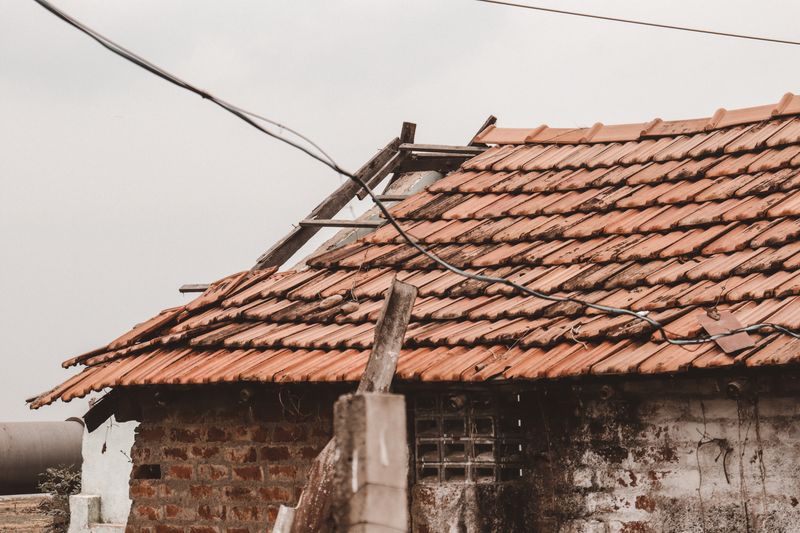
Hail Damage Roof Repair in Harahan
Read More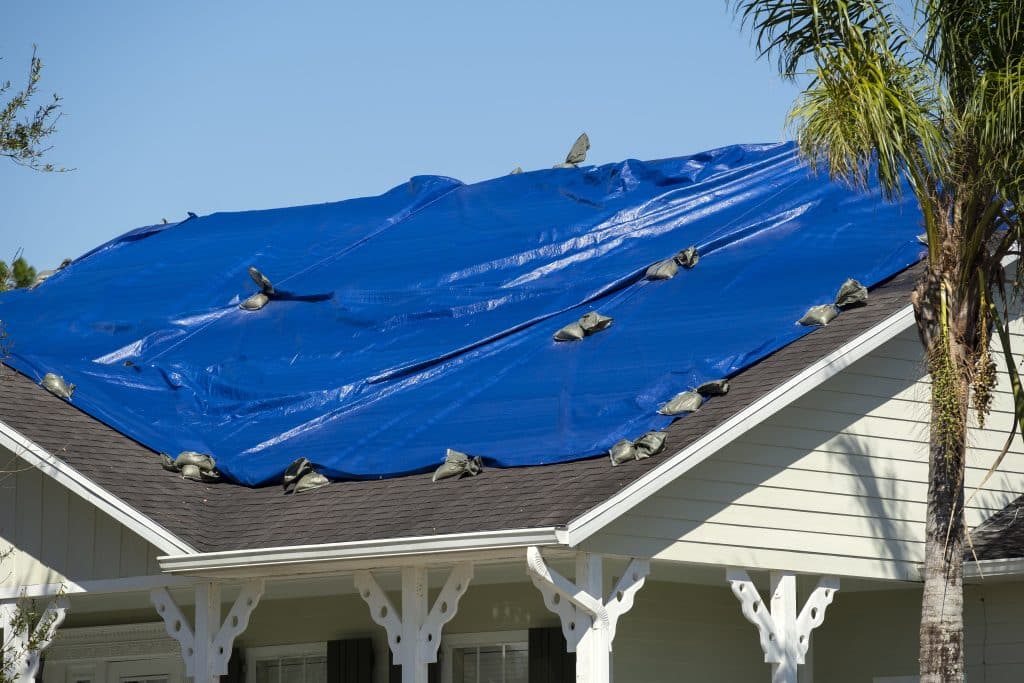
Storm Damage Roof Repair in Harahan
Read More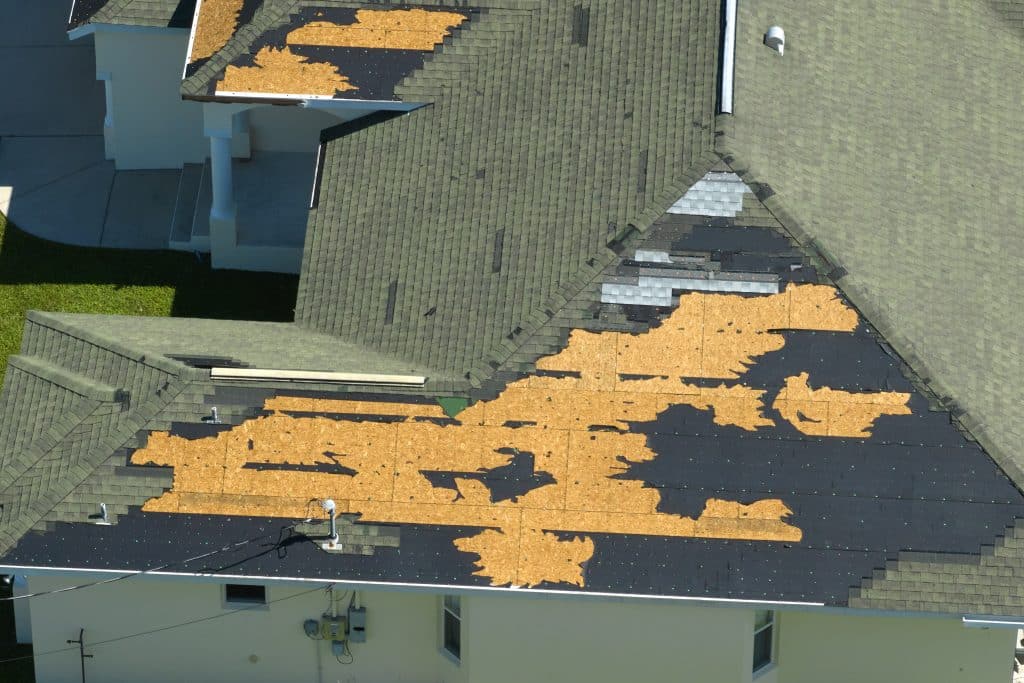
Storm Damage Emergency Response in Harahan
Read More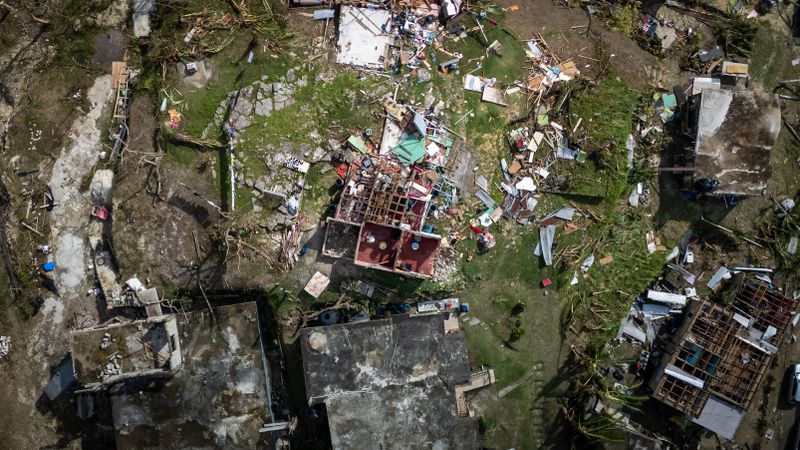
Emergency Roofing in Harahan
Read More
Roof Leak Detection in Harahan
Read More
Roof Maintenance in Harahan
Read More
Roof Coating in Harahan
Read More
Roof Ventilation in Harahan
Read More
Roof Weatherproofing in Harahan
Read More
Roof Flashing Repair in Harahan
Read More
Fascia Board Installation and Repair in Harahan
Read More
Gutters and Downspouts Installation in Harahan
Read More
Gutters and Downspouts Repair in Harahan
Read More
Siding Installation in Harahan
Read More
Asbestos Roof Removal in Harahan
Read More
Roof Insurance Claims in Harahan
Read More
Soffit Installation in Harahan
Read More
Soffit Repair in Harahan
Read More
Commercial Roof Replacement in Harahan
Read More
Commercial Roof Repairs in Harahan
Read More
Commercial Roof Inspections in Harahan
Read More
Commercial Hail Damage Repair in Harahan
Read More
Commercial Re-Roofing in Harahan
Read More
Commercial Roof Coating in Harahan
Read More
Commercial Elastomeric Coatings in Harahan
Read More