



Commercial Re-Roofing in Harahan, LA
Big Easy Roofing re-roofs commercial and low-slope buildings across Harahan and east bank Jefferson Parish. A commercial recover is not simply the cheaper option, it is a code decision. IBC Chapter 15 Section 1512 sets the test, and the same section carries the three cases where a recover is not permitted at all.
Harahan commercial re-roofing at a glance
Commercial re-roofing is not a synonym for replacement. In the code sense it is a specific decision under International Building Code Chapter 15 Section 1512 about whether a new covering can be laid over an existing one, and Section 1512 also names three cases where that is not permitted at all whatever the survey says.
The code section that decides it
Section 1512 governs re-roofing. It sets out the qualifying routes for a recover, the three cases where a recover is not permitted, and what a full replacement requires when a recover is refused. Louisiana is on the 2021 editions of the code with state amendments.
Which office covers you
On a Harahan-address commercial building most of the commercial belt sits in unincorporated Jefferson Parish, so the Parish permits office handles the re-roof. Inside the Harahan city limits the City Regulatory Department on (504) 737-6765 handles it. The boundary is verified at the specific address before anything is filed.
The three prohibitions
IBC 1512 refuses a recover where the existing roof is water soaked or has deteriorated past an adequate base; where the existing covering is slate, clay, cement or asbestos-cement tile; and where the existing roof already carries two or more applications of any type of covering. Any one of the three closes the recover route.
What decides which route
The survey checks whether the existing covering is sound, whether the insulation is dry, and how many previous coverings the building carries. Only where all three answers permit a recover is a recover on the table. Otherwise the job is a full replacement with tear-off, and the replacement page carries that scope.
Why the code cares
Laying a new membrane over saturated insulation traps the water and defeats the new roof from the day it is finished, and stacking a third covering exceeds the deck load the building was designed for. The prohibitions are engineering conclusions, not a paperwork detail.
Warranty
Our workmanship warranty covers the installation. The membrane manufacturer issues its own system warranty on the finished recover, usually after its own inspection and only where the installer holds its approval. Both records apply, and the manufacturer sets its own position on recovering over existing membrane.
The word re-roofing does two things in commercial roofing. Informally it means "a new roof on an existing building", the same as replacement. Formally, in the code sense, it means the specific decision under International Building Code Chapter 15 Section 1512 about whether a new covering can be laid over an existing one (a recover) or the existing covering has to come off first (a replacement). This page is written about the formal sense, because the informal sense is on the replacement page and reading two pages that say the same thing does nobody any favours.
The interesting part of Section 1512 is not the qualifying routes. It is the three prohibitions that close the recover door completely: a water-soaked or deteriorated existing roof that is no longer an adequate base, an existing covering that is slate, clay, cement or asbestos-cement tile, and a building that already carries two or more coverings. Any one of those makes the job a tear-off replacement, and the survey settles which of the three it is (or whether none applies and a recover is on the table) before any figure is discussed.
The qualifying recover routes and the three prohibitions
IBC Chapter 15 Section 1512 sets out both halves. A recover is allowed in three specific cases, and it is not allowed in three others. The survey answers where a particular roof falls before the code test is even applied, so the paperwork lines up with the engineering.
| Case | What Section 1512 says | What the survey looks for | Outcome |
|---|---|---|---|
| Sound existing membrane, dry insulation, one covering only | Recover is permitted where the base is adequate, per the covering manufacturer detail for the new membrane over this specific base | Membrane condition, moisture survey clean, only one covering counted | Recover is on the table, subject to the manufacturer approved installation instructions |
| Positive-slope redesign over existing sound roof | A recover that adds tapered insulation to build positive slope over an existing sound roof may qualify under 1512 where the deck structure will carry the added load and the base is not one of the prohibitions | Design intent, load calculation on the existing deck, tapered insulation plan, drainage plan | A design decision as much as a recover decision, and it is priced accordingly |
| Existing roof is water-soaked OR deteriorated past an adequate base | Recover is NOT permitted (Section 1512 lists these as one clause) | Moisture survey returns wet insulation over any meaningful portion; or membrane deterioration, aggregate loss, coating failure or any condition that leaves nothing sound to bond a new membrane to | Full replacement with tear-off is the code answer. Recover is off the table |
| Existing covering is slate, clay, cement or asbestos-cement tile | Recover is NOT permitted, regardless of tile condition | Existing covering material identified visually or from the building record | Full replacement with tear-off. This is the second Section 1512 prohibition and it applies whatever the tile condition is |
| Building already carries two or more coverings | Recover is NOT permitted (a surface coating does not count as a layer, per Section 1512) | Core cut and building record. Two coverings already means a third is refused, though a previously applied protective coating is excluded from that count | Full replacement with tear-off. Recover is off the table |
The highlighted row is the case where a recover is genuinely on the table, and the survey answers whether a specific roof is in that row or in one of the three prohibition rows. The distinction matters because the recover route is materially cheaper and faster than a tear-off, so a survey that concludes a recover is off the table is a survey that has saved a building owner from a roof that would have failed. The replacement page carries the tear-off scope. Call (504) 800-8196 and we will run the survey against IBC 1512.
The permit and the code test, and where the survey sits
Since Act 239 of 2025 a Louisiana commercial re-roof is a permitted and inspected job under R.S. 37:3737(I)(1), and the code the inspector works from is International Building Code Chapter 15 as adopted with Louisiana amendments. Section 1512 is the specific part that decides recover or tear-off.
The permit statute
Act 239 of 2025 requires any parish or municipality that issues construction permits to permit and inspect roof construction and reroofing. For a building that is not a one or two family dwelling the code named is IBC Chapter 15.
The code section for re-roofing
Section 1512 governs re-roofing specifically. It carries the qualifying routes for a recover, the three cases where a recover is not permitted, and the interface with the rest of Chapter 15 for a replacement.
Which office covers you
ZIP 70123 covers Harahan city limits and unincorporated Elmwood and River Ridge. Most 70123 commercial buildings file with Jefferson Parish rather than the City of Harahan Regulatory Department on (504) 737-6765. The boundary is verified at the specific address before anything is filed.
Either office may accept photographs
The statute allows a code enforcement officer to accept location verified geotagged photographs or video for roofing inspections. Whether the office handling your permit takes that up on a given commercial job is settled at the survey rather than assumed beforehand.
Why the survey has to come before the permit application
A commercial re-roof application names the scope (recover or replacement), the membrane and insulation, and the code section the work sits under. The office reviewing the application expects the scope to be defensible against Section 1512, and a scope that proposes a recover on a roof the survey has not cleared for recover is a scope the office will ask questions about.
So the survey settles the recover vs replacement question first, against the actual roof, and the application is written to what the survey concluded. That is how the paperwork and the roof stay aligned, and why the permit fee is a small line item in the overall budget rather than the point of friction.
What Section 1512 does NOT decide
Section 1512 decides recover vs replacement. It does not decide the membrane system (that is the manufacturer detail and the building owner's choice), the insulation R-value (that is the energy code, not Section 1512), or the drainage plan (that is the design). All three of those are settled at the design stage and named in the permit application.
What Section 1512 does is answer the yes-or-no on a recover. Getting that answer right is what makes the rest of the application coherent.
Working a re-roof over an occupied commercial building
Most commercial re-roofs happen over a business that keeps operating through the job, and the sequencing on a recover looks materially different from the sequencing on a tear-off. The two paths ask different things of the building underneath and of the tenant using it, which is worth naming before the schedule is set.
A recover is faster over the tenant
A recover leaves the existing covering in place while the new membrane goes on top, which means the building underneath is never without a roof. That is the practical argument for a recover where the code permits one: no interior exposure to a passing rain shower, no daily tie-off details, and a much shorter interior coordination window than a tear-off requires.
A tear-off means daily tie-off details
A tear-off exposes the deck for a period each day, and the Gulf coast can deliver rain at short notice. The schedule is built around weather windows and daily tie-off details rather than the other way round, and interior water management is planned on the tenant side rather than left to sort itself.
Recover load is a real question
Adding a covering rather than replacing one adds load to the deck. IBC 1512 refuses a recover past two coverings for that reason, and the structural check at survey confirms the existing deck will take a third layer where the code otherwise permits one. That check is a small part of the survey and it is a hard refusal if the deck cannot take it.
Big Easy Roofing Process
Four steps, and the IBC 1512 test runs at the survey rather than in the application, because the answer on recover vs replacement is what the application will actually name.
Survey against IBC 1512
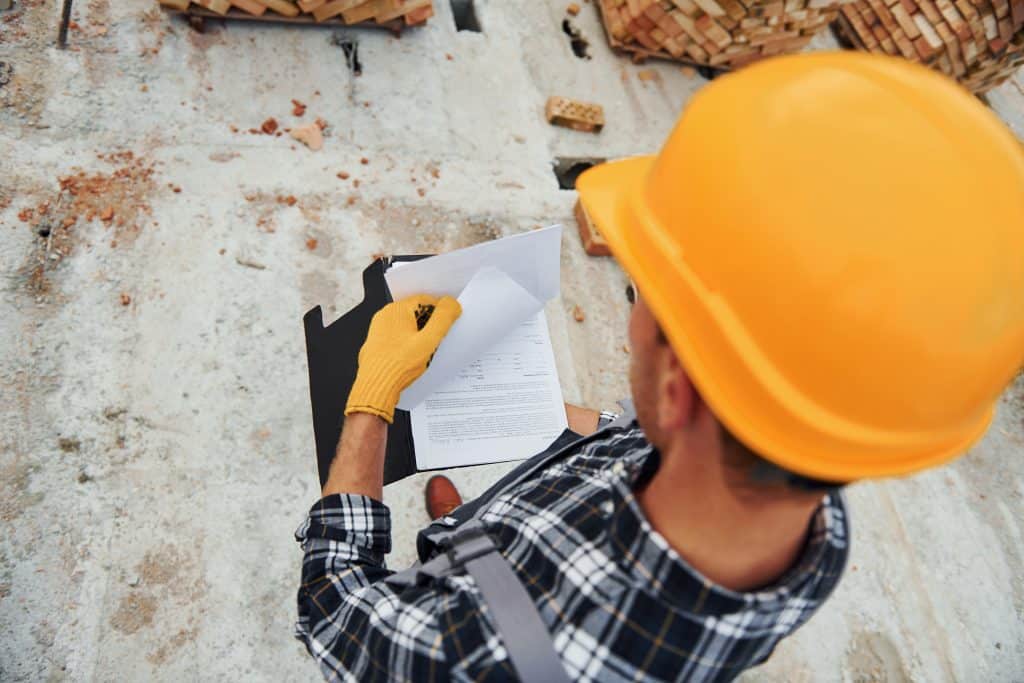
Existing membrane condition, moisture state of the insulation (from the commercial inspections page workflow), covering count from a core cut or building record, and structural check on the deck. Any one of the three prohibitions closes the recover route.
Write the scope to what the survey concluded
Recover where all three answers permit it, or replacement with tear-off where any one does not. The scope names the membrane system, the insulation, the drainage plan, and the code section it sits under.
File the permit at the correct office
Boundary verified at the specific address, application filed with the office that covers it (Parish for most 70123 commercial, City for inside the Harahan city limits), inspection stages agreed against IBC Chapter 15.
Execute, inspect, hand over both records
The re-roof runs to the specification, the office inspections happen at the required stages, and you receive the permit file with the sign-offs and the manufacturer system warranty on the finished roof. Call (504) 800-8196 to book the survey.
Everything else we do in Harahan
The rest of the Big Easy Roofing services available in Harahan, each with its own page and written scope. The tear-off-vs-recover decision as a choice sits on the commercial replacement page, the below-membrane moisture survey behind a recover decision is on the commercial inspections page, and the electronic leak detection method is on the commercial leak detection page.
Roof Replacement in Harahan
Read More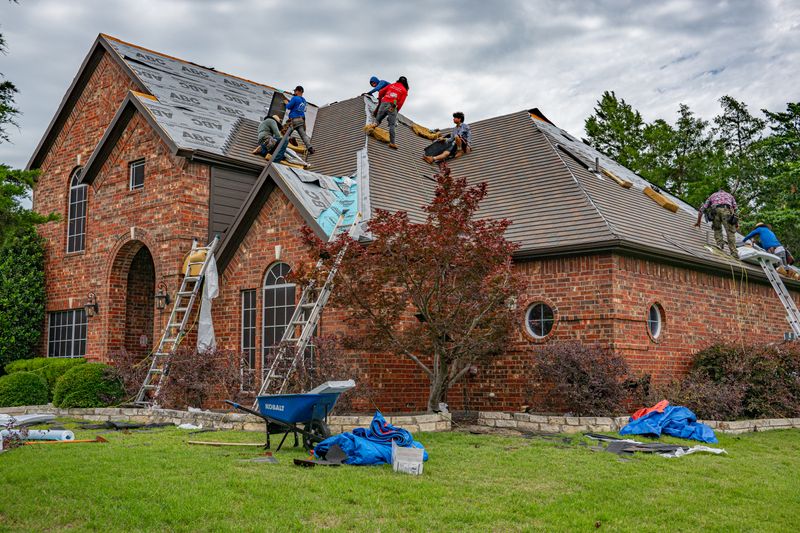
Roof Repairs in Harahan
Read More
Roof Inspection in Harahan
Read More
Hail Damage Roof Repair in Harahan
Read More
Storm Damage Roof Repair in Harahan
Read More
Storm Damage Emergency Response in Harahan
Read More
Emergency Roofing in Harahan
Read More
Roof Leak Detection in Harahan
Read More
Roof Maintenance in Harahan
Read More
Roof Coating in Harahan
Read More
Roof Ventilation in Harahan
Read More
Roof Weatherproofing in Harahan
Read More
Roof Restoration in Harahan
Read More
Roof Flashing Repair in Harahan
Read More
Fascia Board Installation and Repair in Harahan
Read More
Gutters and Downspouts Installation in Harahan
Read More
Gutters and Downspouts Repair in Harahan
Read More
Siding Installation in Harahan
Read More
Asbestos Roof Removal in Harahan
Read More
Roof Insurance Claims in Harahan
Read More
Soffit Installation in Harahan
Read More
Soffit Repair in Harahan
Read More
Commercial Roof Replacement in Harahan
Read More
Commercial Roof Repairs in Harahan
Read More
Commercial Roof Inspections in Harahan
Read More
Commercial Hail Damage Repair in Harahan
Read More
Commercial Roof Coating in Harahan
Read More
Commercial Elastomeric Coatings in Harahan
Read More
Commercial Roof Ventilation in Harahan
Read More
Commercial Roof Leak Detection in Harahan
Read More
Commercial Siding Installation in Harahan
Read MoreHarahan Commercial Re-Roofing FAQs
What re-roofing means in the code sense, the IBC 1512 test that decides a recover, and the three prohibitions that close the recover route.
Topic
Question not here?
Tell us the address, the roof age and system, and the last time anything went on it, and we will run the IBC 1512 test at the survey and put the scope in writing. No charge and no obligation.
Call (504) 800-8196What is commercial re-roofing
In the code sense, the specific decision under International Building Code Chapter 15 Section 1512 about whether a new covering can be laid over an existing one (a recover) or the existing covering has to come off first (a replacement with tear-off). The informal sense of "a new roof on an existing building" is on the commercial replacement page.
What is the difference between a recover and a replacement
A recover leaves the existing covering in place and lays a new membrane over it. A replacement takes the existing covering off first and installs a new assembly from the deck up. The choice is a code decision under IBC 1512 rather than a preference, and the survey settles which one applies.
What is the IBC 1512 test
Section 1512 permits a recover where the existing base is adequate and the covering manufacturer approves the installation, and it names three prohibitions that close the recover route regardless: a water-soaked or deteriorated existing roof no longer an adequate base; an existing covering that is slate, clay, cement or asbestos-cement tile; and a building already carrying two or more applications of any covering. Any one prohibition closes the recover route.
Why can we not recover a wet roof
Because laying a new membrane over saturated insulation traps the water in the assembly and the new roof fails from the day it is finished. Section 1512 refuses it for that engineering reason, not as paperwork. The moisture survey on the commercial inspections page is what settles whether the insulation is dry enough for a recover.
Why can we not stack a third covering
Because the deck was designed to carry the covering it originally had, and adding a third one exceeds the load the deck was engineered for. Section 1512 refuses a recover past two coverings for that reason. A core cut or the building record confirms the covering count.
Does a commercial re-roof need a permit in Harahan
Yes, under Louisiana R.S. 37:3737(I)(1), and it is inspected against IBC Chapter 15. Which office covers the building depends on whether it sits inside the Harahan city limits or in the unincorporated part of Jefferson Parish. Most 70123 commercial buildings go to Jefferson Parish because the commercial belt sits in the unincorporated part.
What does the permit application need to say
The scope (recover or replacement), the membrane and insulation, the drainage plan, and the code section the work sits under. A scope defensible against Section 1512 is what the office will accept, and that is why the survey runs before the application rather than after.
How is the covering count established
A core cut through the assembly is the definitive method: it removes a small area of covering and insulation so somebody can look at how many layers are there. The building maintenance record is a corroborating source, and the two together are what a code inspector will want to see.
Can a recover be done under an existing warranty
On a roof still under manufacturer warranty, both the recover method and any core cuts are agreed with the manufacturer beforehand. Some systems permit a recover with a specific detail; others do not. That sits with the manufacturer, not with the code.
How much does a commercial re-roof cost
Priced by area, assembly, insulation condition and whether the scope is a recover or a tear-off replacement, not by a per foot figure that would mean anything on this page. The recover route is typically materially cheaper and faster than the tear-off route, which is why the code test matters commercially. Call (504) 800-8196 for a survey and a written scope.
Get the IBC 1512 test run at the survey before any figure is discussed
We survey against Section 1512, verify covering count with a core cut, check the moisture state of the insulation, and either write a recover scope where the code permits one or a tear-off replacement where it does not. If you would rather start in writing, tell us what the job involves and we will come back with an estimate.
Call (504) 800-8196