



Commercial Roof Leak Detection in Harahan, LA
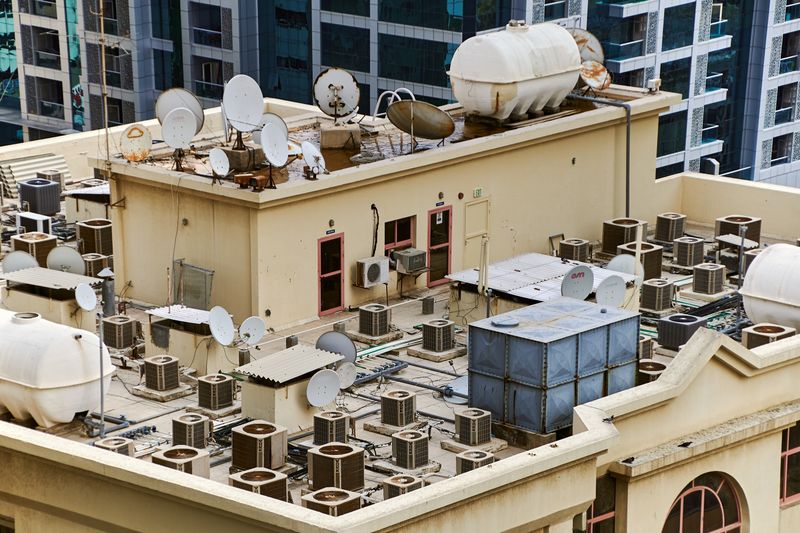
Big Easy Roofing detects commercial roof leaks across Harahan and east bank Jefferson Parish. On a low-slope commercial roof water does not drip through the covering the way it does on a house. It enters at a breach in the membrane, tracks laterally, and appears inside the building a long way from where it got in, so the diagnostic method has to find the breach rather than follow the drip.
Harahan commercial roof leak detection at a glance
A commercial leak is diagnosed by finding the breach in the membrane, not by following the drip inside the building. Two instrumented methods do that: electronic leak detection under ASTM D7877 and D8231, and the controlled flood test. Each has cases where the other is the right method, and the survey picks between them.
The two methods
Electronic leak detection (ELD) energises the membrane with a small voltage and locates the breach where current passes through. The controlled flood test dams the roof and floods it, then watches where water comes through. ELD is quicker on a large open low-slope roof; flood is definitive on a small area where ELD cannot be used. Call Big Easy Roofing on (504) 800-8196.
The standards behind ELD
ASTM D7877 is the standard guide for electronic methods for detecting and locating leaks in waterproof membranes. ASTM D8231 is the standard practice for a low-voltage electronic scanning system. Both are current ASTM standards. The edition you want on any scope of work is worth confirming, because the current edition is what the report should cite.
Which office covers you
Leak detection itself is not permitted work. Any resulting repair or re-roof is permitted under Louisiana R.S. 37:3737(I)(1). On a Harahan-address commercial building most of the commercial belt sits in unincorporated Jefferson Parish, so the Parish permits office handles the follow-up work. Inside the Harahan city limits the City Regulatory Department on (504) 737-6765 handles it.
What we do not do
Louisiana R.S. 37:2159.1 stops a roofing contractor from interpreting an insurance policy or deciding what is covered. We find and document the breach and price the repair. Cover is a question for your insurer.
What decides scope after we find it
Finding the breach in the membrane is one question; how much of the insulation below is now wet is a separate question. The moisture survey behind that (infrared, capacitance, nuclear) lives on the commercial inspections page. A repair over saturated insulation is a repair with a date on it, so the two run together.
The interior drip is a starting point
On a low-slope roof water enters at a breach, tracks laterally along the top of the deck or through saturated insulation, and appears inside the building at a point that can be a long way from the breach. So the interior drip location tells us the leak is real; it does not tell us where it is.
On a house the roof leaks by gravity. Water hits a sloped covering, finds a gap somewhere in that covering, and runs down the underside of the deck until it drips out somewhere close to the gap. The residential leak detection page (roof leak detection) is written around the small displacement between where water enters and where it drips.
On a low-slope commercial roof the physics is different. Water sits on the membrane after every rainfall, and where it finds a breach it goes through the membrane and then tracks laterally along the top of the deck or through the insulation beneath. It can appear inside the building at a point tens of feet from the actual breach, or at several points from one breach, or (on a saturated insulation area) not appear inside for a long time until the saturation reaches something that gives. So the diagnostic method has to find the breach in the membrane, not follow the drip inside, and that is what electronic leak detection and the controlled flood test are for.
Electronic leak detection against the controlled flood test
The two methods answer the same question by different physics, and each has cases where the other is wrong. What decides between them is the membrane type, the size and shape of the area to be tested, and whether the roof can carry the weight of the flood.
| Method | How it works | Where it fits | Where it does not |
|---|---|---|---|
| Electronic leak detection, low-voltage scanning (ASTM D8231) | A conductive wire is laid around the test area, a small voltage is applied to a wet membrane, and a scanner locates the breach by finding where current passes through it | Large open low-slope roofs with electrically insulating membrane, most single-ply, and where the roof is accessible for the scanner | Conductive membranes and membranes with a foil facer (they conduct across the whole surface and cannot localise), and roofs with a complete dry insulation layer under the membrane |
| Electronic leak detection, high-voltage (spark) test (ASTM D7877) | A wand carrying a higher voltage is passed across a dry membrane; a breach registers as a spark. ASTM D7877 covers both low- and high-voltage electronic methods, and this is the high-voltage variant | Small area investigation, close to specific penetrations, on compatible membranes | Continuous large-area scanning (labour-intensive), and any membrane the manufacturer says the method may damage |
| Controlled flood test | A dam is built around the test area, water is added to a controlled depth, and the interior is watched for water passing through the membrane | A defined area where the leak is suspected, and where the roof structure can carry the flood load | Large open areas (impractical to dam), roofs whose structure cannot take the flood load, and any area where a live tenant operation would be exposed to the interior water |
| Both methods together | ELD to localise the breach across the area, controlled flood on the localised zone to confirm the finding | Where the leak matters enough to warrant confirmation and the roof and the tenant operation permit both methods | A first-pass call where the priority is to stop water; ELD alone usually finds enough to move to repair |
The highlighted row is the commonest first-pass method on a large open commercial roof. Where ELD is not the right method (conductive membrane, foil facer, unsuitable structure), the controlled flood test is the fallback. Either way the point of the exercise is the breach in the membrane, and the below-membrane condition is a separate question that runs to the commercial inspections page. Call (504) 800-8196 and we will pick the method against the roof and the tenant operation.
What leak detection is, and what it is not
A leak detection visit is a diagnostic to find the source of water entry through a commercial roof membrane. It is not a permit inspection, it is not a moisture survey (that is the commercial inspections page), and it is not an insurance interpretation.
Not a code inspection
The Act 239 permit inspection under R.S. 37:3737(I) applies when a reroof or new construction is being permitted. Leak detection is our own diagnostic of an existing roof and it produces a separate report.
Not a moisture survey
Leak detection finds where water enters the membrane. Moisture survey measures how much of the insulation below the membrane is now wet. Those are two different questions with two different methods, and the commercial inspections page owns the moisture survey.
Not an insurance judgement
Louisiana R.S. 37:2159.1 stops a roofing contractor from interpreting an insurance policy or advising a building owner on cover. What we do is document the breach and the water path, and price the repair.
What the report contains
The location of the breach relative to a roof plan, photographs, the method used, the ASTM standard the method sits under, and a recommended repair scope. Where the finding pairs with a wet insulation zone, that is noted and the moisture-survey follow-up is scoped alongside.
Why the interior drip is misleading
A homeowner would trace a leak back from the drip; on a low-slope commercial roof that traces to the wrong place. Water enters at a breach in the membrane, then goes through the insulation or along the top of the deck, and appears at whatever point it finds an opening. That point can be tens of feet from the breach or, on a saturated insulation area, delayed by days.
So the interior drip is confirmation that a leak is real. It is not where the leak is. The instrumented methods find the breach directly, which is why they matter on a commercial roof and not on a house.
What ELD needs to work
ELD needs three things: an electrically insulating membrane (most single-ply and many built-up systems qualify), the membrane in electrical contact with wet insulation or the deck (which is why a completely dry roof can defeat the low-voltage method), and access to lay the conductive wire around the test area.
Where any of those three is missing, ELD is the wrong method and the controlled flood test is the fallback. The manufacturer position on ELD on a specific membrane is worth confirming before scheduling, because a small number of membrane systems have their own statement on the method.
When each method fails, and what we do about it
Both methods have failure modes that are worth naming plainly, because either one used in the wrong case produces a false negative that reads as "no leak found" when the leak is real. The point of naming the failure modes is to pick the right method first.
When ELD returns a false negative
ELD returns "no breach" when there is one if the membrane is not sufficiently in contact with wet insulation or the deck (dry-scanning a completely dry roof), if the membrane is conductive across its whole surface (foil-faced systems), or if the test area is broken up into small compartments that the scanner cannot resolve. The fix in each case is the controlled flood test on a defined area.
When the flood test is not appropriate
The controlled flood test cannot run where the structure cannot carry the flood load, where the interior below the test area is sensitive to water, or where the test area is large enough that damming it is impractical. On any of those, ELD is the answer, or a targeted flood on a much smaller zone once ELD has localised the breach.
When neither method finds anything
That happens, and the answer is usually that the leak is not through the membrane at all: a rooftop mechanical unit leaking from its own plumbing, a HVAC condensate discharge, a wall flashing above the roof line, or condensation forming on a cold surface inside the building. The report names what was tested and what was not, so the elimination sequence continues to the right place rather than repeating the same test.
Big Easy Roofing Process
Four steps, and the method is picked against the roof and the tenant operation before any test is set up, because either method used in the wrong case produces a false negative rather than a leak location.

Understand the interior drip and the roof
Where water is appearing inside, on what schedule, and what the roof above looks like. Membrane type, area, structural condition, and any tenant sensitivity to a flood are all noted before a method is picked.
Pick ELD or the controlled flood
ELD on a compatible large-area low-slope membrane, controlled flood on a defined smaller area or an incompatible membrane. On a roof where the breach matters enough to warrant confirmation we run one then the other.
Run the test to the ASTM standard
ELD to D8231 for low-voltage scanning, or D7877 (which covers both voltage forms) for the high-voltage variant, against the current edition of each. Flood test to a controlled depth, with photographic evidence of the dam and the interior watch. The method and the standard are named on the report.
Write the report, scope the repair
Breach location relative to the roof plan, method used, standard referenced, photographs, and a recommended repair scope. Where the below-membrane insulation is worth surveying for wet condition, that is scoped alongside and runs through the commercial inspections page. Call (504) 800-8196.
Everything else we do in Harahan
The rest of the Big Easy Roofing services available in Harahan, each with its own page and written scope. The moisture survey behind a leak call is on the commercial inspections page, the repair once the breach is found is on the commercial repairs page, and a full tear-off is on the commercial replacement page.
Roof Replacement in Harahan
Read More
Roof Repairs in Harahan
Read More
Roof Inspection in Harahan
Read More
Hail Damage Roof Repair in Harahan
Read More
Storm Damage Roof Repair in Harahan
Read More
Storm Damage Emergency Response in Harahan
Read More
Emergency Roofing in Harahan
Read More
Roof Leak Detection in Harahan
Read More
Roof Maintenance in Harahan
Read More
Roof Coating in Harahan
Read More
Roof Ventilation in Harahan
Read More
Roof Weatherproofing in Harahan
Read More
Roof Restoration in Harahan
Read More
Roof Flashing Repair in Harahan
Read More
Fascia Board Installation and Repair in Harahan
Read More
Gutters and Downspouts Installation in Harahan
Read More
Gutters and Downspouts Repair in Harahan
Read More
Siding Installation in Harahan
Read More
Asbestos Roof Removal in Harahan
Read More
Roof Insurance Claims in Harahan
Read More
Soffit Installation in Harahan
Read More
Soffit Repair in Harahan
Read More
Commercial Roof Replacement in Harahan
Read More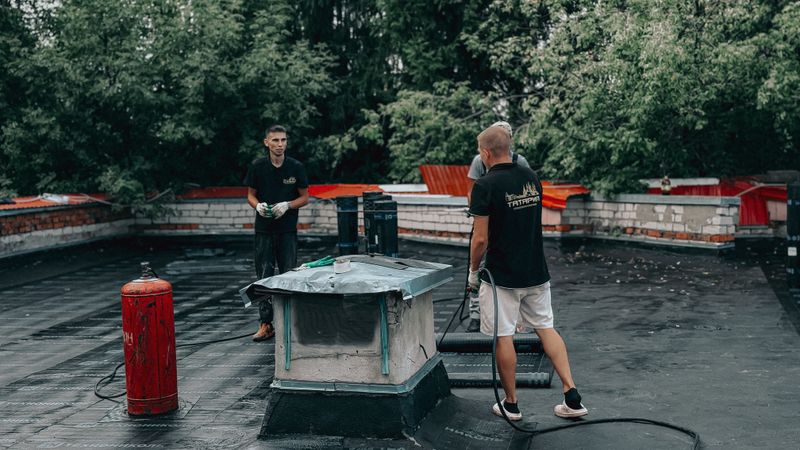
Commercial Roof Repairs in Harahan
Read More
Commercial Roof Inspections in Harahan
Read More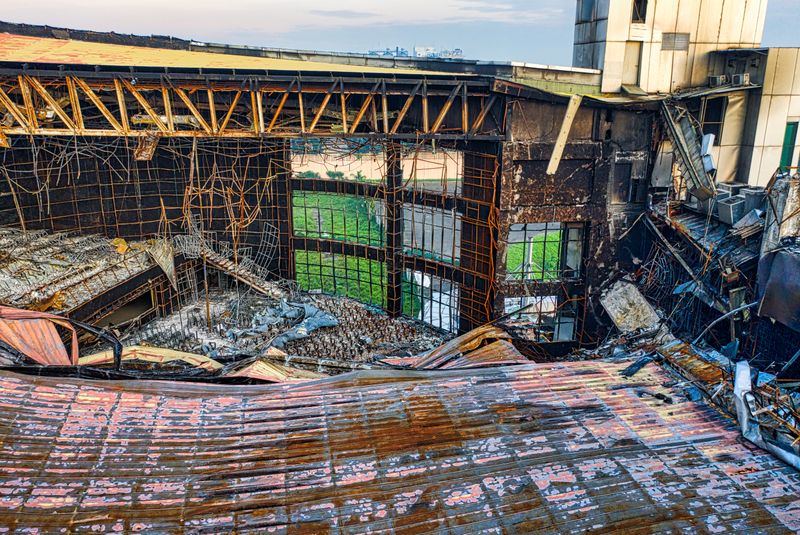
Commercial Hail Damage Repair in Harahan
Read More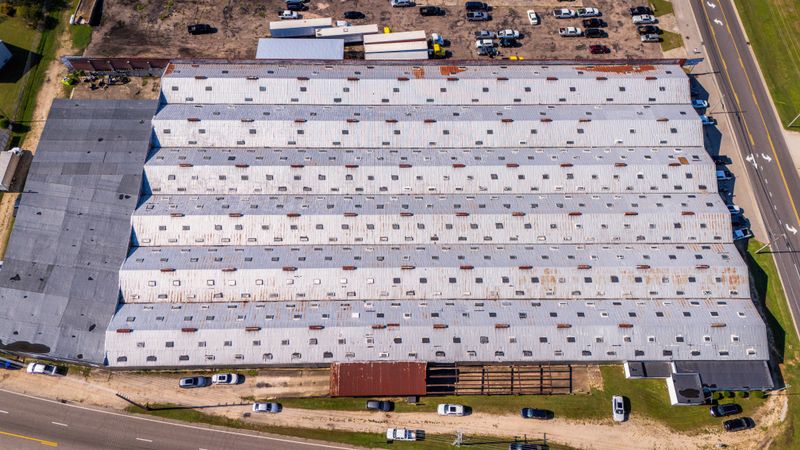
Commercial Re-Roofing in Harahan
Read More
Commercial Roof Coating in Harahan
Read More
Commercial Elastomeric Coatings in Harahan
Read More