



Soffit Repair in Hammond, LA
Big Easy Roofing repairs soffit across Hammond and Tangipahoa Parish. A failed soffit panel is often reporting a problem above it rather than simply wearing out. Replacing the panel without checking what is behind it is how the same run fails twice.
Hammond soffit repair at a glance
A soffit repair is priced by the affected run rather than by the house, estimated at $8 to $22 a linear foot. That is above the rate for a whole new run, because cutting out a failed section and matching it into existing panel is slower work than starting from a clean eave.
Estimated cost per foot
For cutting out and replacing a failed section and matching it into the run either side. Short runs cost more per foot than long ones, because the set up is the same either way. A whole new eave is quoted as an installation instead.
Does it need a permit
The City of Hammond permit application does not print a soffit specific line, and the general Renovation, Repair and Roofing line prices work at $30 up to $10,000 of value and $5 per thousand above, as of September 2026. Whether a soffit panel repair engages that line at all is confirmed with the Building Department on (985) 277-5655 rather than assumed.
What the panel often is
Panels do fail on their own, through age, thermal movement, brittleness, corrosion or a poor fixing. But water from above and animals are common causes too, and only one of those comes back if it is not dealt with.
Typical section repair
A single elevation or one damaged run, which is what this kind of call usually turns out to be. Whole home replacement is a different job with a different rate.
The risk in a quick repair
Closing a failed run with solid panel, or filling gaps with foam or sealant, leaves a tidy looking eave that has stopped feeding the attic. Nothing about that is visible from the ground.
Typical timeline
A straightforward section repair is normally a one day job. A run with rotted rafter tails behind it, or one needing a colour match ordered in, runs to two.
Every figure on this page is an estimate, not a quote, and is subject to Big Easy Roofing sign off. Cost and timescale depend on size, pitch, access, weather, materials and whatever is found once work starts, so call Big Easy Roofing on (504) 800-8196 and we will come out and give you an estimate for your own roof.
Soffit closes the underside of the eave and, where it is vented, feeds the attic. When a section fails both of those stop working at that point, and only the first one is visible from the ground. That is why a soffit repair is worth doing properly rather than quickly: the half you cannot see is the half that costs money later.
The more useful point is about cause. A soffit panel can certainly fail on its own: vinyl becomes brittle and cracks with age and thermal movement, aluminium can corrode, fixings let go, and older painted plywood and hardboard decay once water has been reaching them for a long time. What matters is that plenty of failures are not the panel at all but water arriving from above it or an animal working at it, and those are the ones that come back after a repair. So Big Easy Roofing opens the run, establishes which kind of failure this is, and prices any fix at the source alongside the panel.
Repair the run or replace it
The decision is made on the condition of the panel either side of the failure, not on how bad the failed part looks. If there is nothing sound to match into, a repair is a patch that will be revisited, and the honest answer is a new run.
| What is in front of us | The usual answer | Why | What else it needs |
|---|---|---|---|
| One failed section, sound panel either side | Repair that section | There is something to match into, so the fix is contained and the rest of the eave is untouched | The cause above it dealt with at the same time |
| Several failures along the same run | Replace the run | Repeated patching costs more than the run and never looks right, because each patch is a separate match | The fascia and gutter above it checked before new panel goes up |
| Panel sound but the fascia behind it is rotten | Fix the fascia first | The board is what the eave hangs together on, and new panel over rotten timber is money placed on a failing part | The fascia board repair page covers that work |
| Older painted plywood or hardboard, failing generally | Replace the run | These do fail on their own once water has been reaching them for years, and by then it is rarely one section | A material decision for the new run, on the installation page |
| Active nesting behind the panel | Clear it, then repair | A blocked eave feeds the attic nothing, and closing the panel over a nest traps the problem inside | The eave properly closed and screened afterwards |
Estimated positions rather than a quote, and the panel either side is what actually decides it, which is a site judgement. The highlighted row is the case a section repair genuinely suits. Call (504) 800-8196 and we will tell you which of these your eave is, including when the honest answer is a new run rather than a repair.
The permit position, matching, and the part easiest to leave out
Panel work in Hammond does not sit on a soffit specific line of the permit application, and whether it engages the general Renovation and Repair line is confirmed with the office rather than assumed. The two things worth arguing about before the work are whether the new panel will match and whether the eave will still ventilate afterwards.
Who issues the permit
For an address inside the Hammond city limits, the City of Hammond Building Department at 219 E Robert Street on (985) 277-5655 files through MyGovernmentOnline. For an address in the unincorporated part of Tangipahoa Parish, the Tangipahoa Parish Permit Office on (985) 542-2117. Structural work behind the panel is confirmed rather than assumed either way.
What the City application names
The City permit application prints RESIDENTIAL Renovation, Repair and Roofing as one line at $30 up to $10,000 of value and $5 per thousand above, as of September 2026. Separate permits are required for Electrical, Plumbing, HVAC and Ventilating where those trades are involved. Whether a soffit panel repair engages the general renovation line at all is confirmed with the office rather than assumed.
The intake after the repair
A repaired run has to go back vented if it was vented, and with the insect screen intact. Closing it with solid panel or filling gaps with foam leaves a tidy eave that no longer feeds the attic. The soffit installation page carries the panel figures.
The part easiest to leave out
An overflowing gutter, a missing drip edge or a rotten fascia is usually what put water into the eave. Repairing the panel without that is a repair with a date on it, so the fix at the source is priced alongside.
How a repair can cost you the ventilation
This is the failure worth naming, because it looks like success. A failed run gets closed with whatever solid panel was on the van, or a gap gets filled with foam or sealant, or a nest is simply covered over. The eave now looks better than it did and it has stopped feeding the roof space.
Nothing about that is visible from the ground, and the effect turns up later as a hotter attic and a shorter covering life. So the question to ask about any soffit repair quote is what is going back in: vented or solid, and screened or not. What each panel actually delivers is on the soffit installation page, and how much the attic needs is on the roof ventilation page.
What to expect once a run is open
Four things to expect, and often more than one. Wet or crumbling fascia behind the panel. Rotted rafter tails where water has been sitting. Blocked intake, either from a nest or from insulation pushed out into the eave from the attic side. And daylight, which means the eave has been open to weather and wildlife for a while.
None of those is visible before the panel comes down, which is why a soffit quote given from the ground is a starting figure rather than a price. Anything found is shown and priced before it is done rather than added afterwards.
What an eave here usually has behind it
Two things about this climate make the eave the place a roof shows its age first. Storm bands arrive at it in volume and often over the edge of the gutter, and the humid inland climate means nothing in there ever fully dries between one storm and the next.
Water comes over the edge
Storm bands moving up from the coast reach inland Tangipahoa in short heavy bursts. A gutter that cannot carry a burst like that overflows somewhere, and where it goes over the back edge it puts water onto the fascia and into the soffit behind it. The gutter pages cover capacity.
It never really dries out
Sustained humidity means an eave here spends most of the year damp rather than drying between storms. Timber components and any panel relying on a paint film take the worst of that, which is why older plywood and hardboard soffit tends to go generally rather than in one spot, and why moving air through the eave matters as much as the panel does.
Wildlife takes the opening
Any gap in a soffit is an entrance, and birds, wasps and squirrels find them quickly. A nest is not just a nuisance, it stops that stretch of eave feeding the attic at all. Clearing it and then closing and screening the eave properly is part of the repair rather than an extra.
Big Easy Roofing Process
Four steps, and the second one is the one that decides whether this repair is the last one on that run or the first of several.
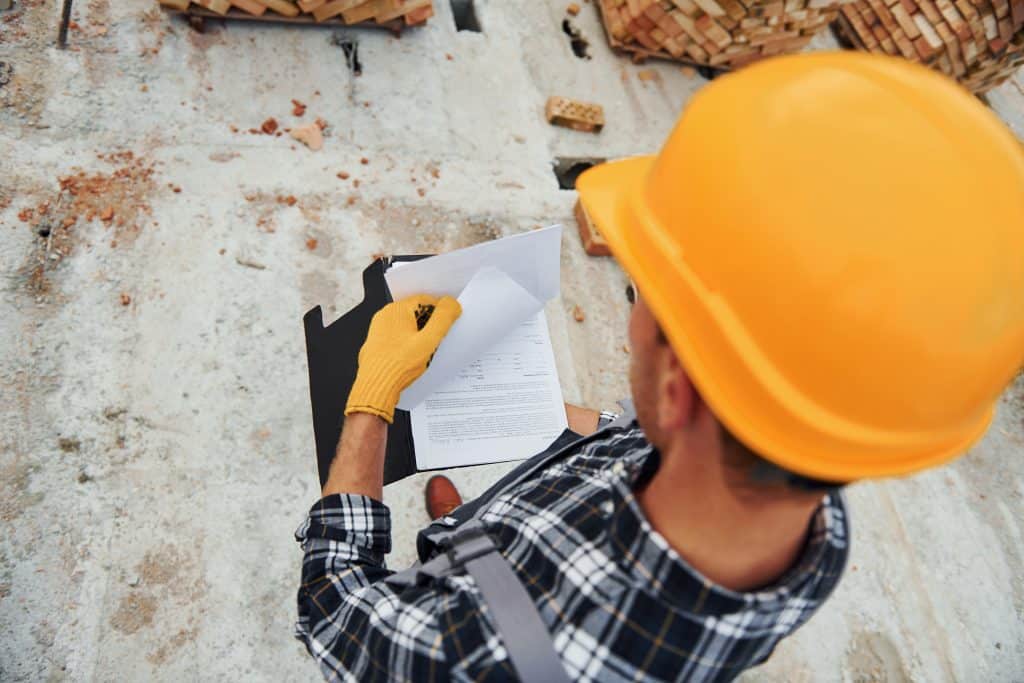
Look at the eave and the run either side
The extent of the failure, and whether there is sound panel to match into. That is what decides a section repair against a new run, and it is a judgement made at the eave rather than from a photograph.
Find what made the hole
Vinyl and aluminium usually fail because something above them made them fail, not on their own. The gutter, the drip edge and the fascia above are checked, because water coming over the edge is the usual answer and it will do the same thing to new panel.
Show what is behind it before fixing anything
Rot, nests, blocked intake and daylight are what typically appear once a run is open. Anything found is shown and priced before it is done, not added to the invoice after.
Put it back vented, screened and closed
A run that was vented goes back vented with the screen intact, the ends properly closed, and the cause above it dealt with so the same section does not come back.
Everything else we do in Hammond
The rest of the Big Easy Roofing services available in Hammond, each with its own page and written estimate. A whole new run is the soffit installation page, which also carries the net free area figures. The board at the front of the eave is fascia board repair, and the attic side is roof ventilation.
Roof Replacement in Hammond
Read More
Roof Repairs in Hammond
Read More
Roof Inspection in Hammond
Read More
Hail Damage Roof Repair in Hammond
Read More
Storm Damage Roof Repair in Hammond
Read More
Storm Damage Emergency Response in Hammond
Read More
Emergency Roofing in Hammond
Read More
Roof Leak Detection in Hammond
Read More
Roof Maintenance in Hammond
Read More
Roof Coating in Hammond
Read More
Roof Ventilation in Hammond
Read More
Roof Weatherproofing in Hammond
Read More
Roof Restoration in Hammond
Read More
Roof Flashing Repair in Hammond
Read More
Fascia Board Installation and Repair in Hammond
Read More
Gutters and Downspouts Installation in Hammond
Read More
Gutters and Downspouts Repair in Hammond
Read More
Siding Installation in Hammond
Read More
Asbestos Roof Removal in Hammond
Read More
Roof Insurance Claims in Hammond
Read More
Soffit Installation in Hammond
Read More
Commercial Roof Replacement in Hammond
Read More
Commercial Roof Repairs in Hammond
Read More
Commercial Roof Inspections in Hammond
Read More
Commercial Hail Damage Repair in Hammond
Read More
Commercial Re-Roofing in Hammond
Read More
Commercial Roof Coating in Hammond
Read More
Commercial Elastomeric Coatings in Hammond
Read More
Commercial Roof Ventilation in Hammond
Read More
Commercial Roof Leak Detection in Hammond
Read More