




Roof Leak Detection in Hammond, LA
Big Easy Roofing traces roof leaks across Hammond and Tangipahoa Parish. Water almost never enters a roof directly above the mark it leaves on your ceiling, so the first job is finding where it actually gets in, and the second is establishing whether it is coming from outside at all.
Hammond roof leak detection at a glance
Detection is the part that decides whether the money that follows is well spent. It starts with a free inspection, it ends with a named entry point and a price against it, and it includes ruling out the possibility that what is wetting your ceiling is not rainwater at all.
Where we start
We come and look before anything is quoted. Call Big Easy Roofing on (504) 800-8196 and we will trace the water back from the mark inside to where it is entering.
Who permits a replacement
Finding a leak needs no permit and neither does repairing it. Where the trace ends in a covering at the end of its life, the replacement is a permitted, inspected reroof, filed with the City of Hammond Building Department at 219 E Robert Street inside the city limits or with Tangipahoa Parish outside them. A Hammond postal address does not tell you which.
The governing fact
It runs down rafters, along the top of ceiling joists and across the back of decking before it finds a hole to fall through. The stain marks the lowest point of that journey, not the start of it.
What it costs to fix
Our estimated band for a residential roof repair in Hammond, carried across from the repairs page unchanged. A split pipe boot collar sits at the bottom of it and a valley rebuild at the top.
First thing ruled out
In this climate, water on the underside of decking is not automatically a leak. If it appears in dry weather, or tracks the air conditioning rather than the rain, the roof is not the problem and replacing it will not stop it.
What you get
What the trace found, photographed and described, with the fix and the price against it where an entry point is confirmed. You keep the photographs whether or not you use us.
Every figure on this page is an estimate, not a quote, and is subject to Big Easy Roofing sign off. Cost and timescale depend on size, pitch, access, weather, materials and whatever is found once work starts, so call Big Easy Roofing on (504) 800-8196 and we will come out and give you an estimate for your own roof.
A leak has two locations and people naturally only know about one of them. There is the place water gets into the roof and the place it eventually falls out of the ceiling, and between them there can be several feet of travel along a rafter or across the back of the decking. This is why patching the ceiling above the stain so rarely works, and why a roofer who quotes over the phone from a description of the stain is guessing.
Detection is a process of elimination worked in a fixed order, from the things that fail most readily to the things that fail rarely. Penetrations first, because every pipe, vent and chimney is a hole somebody made in a watertight surface. Then the changes of direction, valleys and wall abutments, where water concentrates and where flashing does the work. Then the field of the roof itself, which is the last suspect rather than the first, because a plain slope of shingles is the part of a roof least likely to fail on its own.
Where roof leaks actually start in the order we check them
Leaks are not evenly distributed across a roof. They cluster at the places where something interrupts the covering, which is why the search runs in this order rather than starting with the shingles. The order matters as much as the list, because a roof condemned before its details have been cleared may never have needed replacing.
| Suspect | Why it fails | How it is confirmed | What it points to |
|---|---|---|---|
| Pipe boot collar | The rubber collar splits with age and sun | Visible split, and water testing that pipe alone reproduces the drip | The cheapest fix on the roof |
| Step or counter flashing at a wall or chimney | Sealant was used where flashing was needed, or it has lifted | Water tested at the wall, above and below the suspect course | A detail failure, not a covering failure |
| Valley | Concentrates the water from two slopes into one line | Wear or a puncture found on inspection, reproduced by testing the valley above the stain | Worth repairing on its own where the rest of the roof is sound |
| Nail backed out under a course | Thermal movement lifts the shingle above it | Found by lifting courses in the area the trace points to | Small, cheap and easily missed from a distance |
| Gutter or drainage backing up | Water backs above the covering rather than through it | Appears only in heavy rain, and the gutter is running over | A gutter job rather than a roofing job |
| The field of the roof | The covering has reached the end of its life | Only concluded after the details above are cleared | Points at replacement rather than repair |
The per defect prices are on our Hammond roof repairs page rather than repeated here, so there is one set of figures rather than two. The order matters as much as the list: a roof condemned before its penetrations and flashings have been eliminated is a roof that may not have needed replacing at all. Call (504) 800-8196 and we will trace it and put the finding in writing.
Before anything else, is it actually a leak
This is the question that saves the most money on a Hammond house and the one almost no roofing page asks. Water found in an attic here is not automatically rainwater, and the difference decides whether you need a roofer at all.
Condensation looks exactly like a leak
Warm damp air reaching a cold surface leaves water on it. In an air conditioned house in a humid climate that surface can be the underside of the decking, a duct, or the metal of a vent, and what you see downstairs is a damp patch on a ceiling.
The tell is the weather it appears in
A leak follows rain. Condensation follows temperature and humidity, so it turns up in dry weather, on cool nights after a hot day, and it tracks how hard the air conditioning is working. If the damp appears when it has not rained, the roof is not the suspect.
Where it usually comes from
Gaps around light fittings, loft hatches and pipework let conditioned air into the attic, and a bathroom or dryer duct that terminates in the attic puts warm wet air there directly. The roof is the surface it condenses on rather than the source.
Why it matters commercially
This is the misdiagnosis that costs the most, because the roof is replaced, the money is spent, and the water keeps appearing. We check it before quoting any roofing work, and where the answer is condensation we will say so and point you at ventilation instead.
What water testing is, and when it is worth doing
Where the trace narrows the field to two or three candidates but nothing is visibly wrong, the roof is wetted deliberately, one small area at a time, starting low and working up, with somebody inside watching for the drip to start. It is slow on purpose. Soaking a whole roof at once tells you there is a leak, which you already knew.
It is worth doing on an intermittent leak, on a roof where the obvious suspects have been cleared, and before anyone recommends a replacement on a covering that otherwise looks serviceable. It is the difference between knowing and believing.
The leak that only happens sometimes
An intermittent leak is not a mystery, it is a clue. Water needs a particular set of conditions to reach the inside, and the conditions tell you what the fault is. Rain from one direction only points at a wall abutment or a detail on that elevation. Rain lasting hours points at saturation finding a slow path. A short violent downpour points at capacity, which is drainage rather than covering.
So the useful thing to record before anyone visits is not how much water came in. It is when it came in, how long it had been raining, and which way the wind was blowing. That narrows the search before anyone is on the roof.
What an inland Tangipahoa climate does to leak hunting
Heat, humidity and heavy rainfall change which faults appear on a roof here and which diagnostic shortcuts stop working altogether. Three things about this climate matter more in inland Tangipahoa than they would in a drier one, and each of them changes where a leak hunt starts rather than merely how long it takes.
Rain arrives fast, which tests capacity rather than covering
Rainfall here comes in short intense bursts as well as long soaking days, and the two produce different failures. Intense rain overwhelms drainage, so water backs up above the covering, gets under it at the edge and appears inside without anything on the roof being broken at all.
That is why a leak that only appears in the heaviest rain, on a roof with no visible defect, is a drainage question before it is a roofing one. Our gutter pages cover the capacity side of that in full.
Humidity makes condensation a live suspect all year
In a dry climate you can reasonably assume water in an attic came from outside. Here you cannot. The gap between indoor and outdoor conditions is large for most of the year, and anywhere warm damp air meets a cooler surface is a candidate.
Practically, that means the attic gets inspected as part of leak detection rather than only the roof, and the first question asked is whether the damp has ever appeared when it has not been raining.
Sun ages the small rubber parts fastest
The component on a roof with the shortest life is generally the rubber collar on a pipe boot, and ultraviolet exposure is what finishes it. It is a small part, it splits rather than wears away, and it sits directly above a hole through the deck.
It is the first thing checked for a reason: it is the cheapest thing on the roof to put right and one of the more common single causes of a ceiling stain on an otherwise sound roof.
Big Easy Roofing Process
Three steps, and the first one happens inside the house rather than on the roof, because that is where the evidence about when the water appears actually is.

Inside first, and rule out condensation
The stain looked at from below, the attic inspected above it, and the history taken: when it appears, how long it had been raining, whether it has ever happened in dry weather. That last answer decides whether this is a roofing job at all.
Trace back to the entry point
Working up from the stain along the path water would have taken, then out onto the roof through the suspects in order, penetrations, then valleys and wall flashings, then the field. Water tested where the trace narrows but nothing is visibly wrong.
The finding named, photographed, priced
You get what the trace found rather than a guess, the photographs, the fix described and the price against it where an entry point is confirmed. Call (504) 800-8196 to book the inspection.
Everything else we do in Hammond
The rest of the Big Easy Roofing services available in Hammond, each with its own page and written estimate. Detection ends with a named defect and a price; the repair page covers the work itself, and where the answer turns out to be condensation rather than rain, the ventilation page is where that is put right.
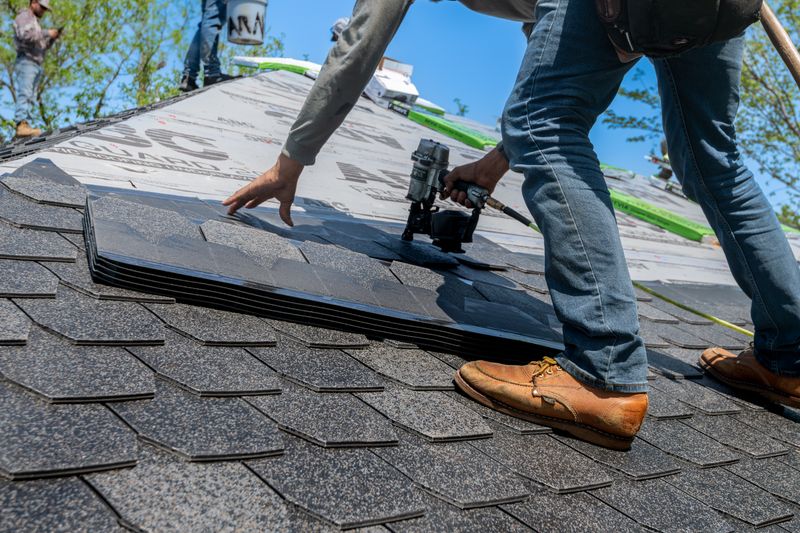
Roof Replacement in Hammond
Read More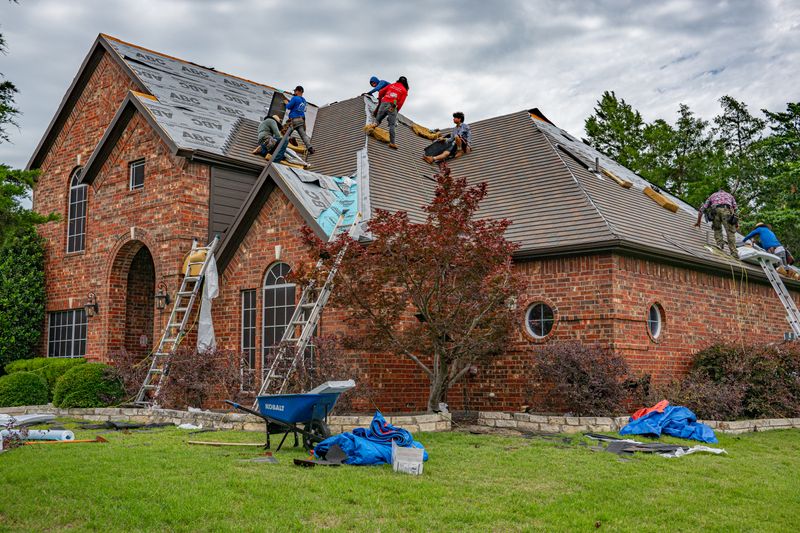
Roof Repairs in Hammond
Read More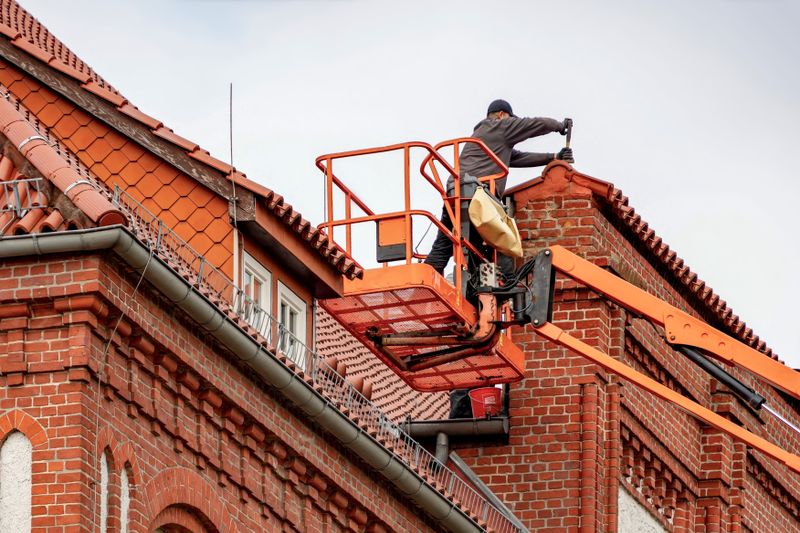
Roof Inspection in Hammond
Read More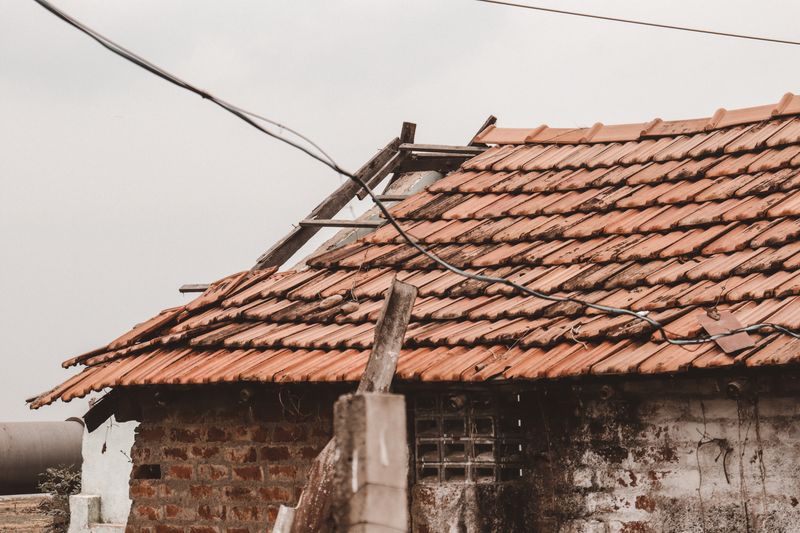
Hail Damage Roof Repair in Hammond
Read More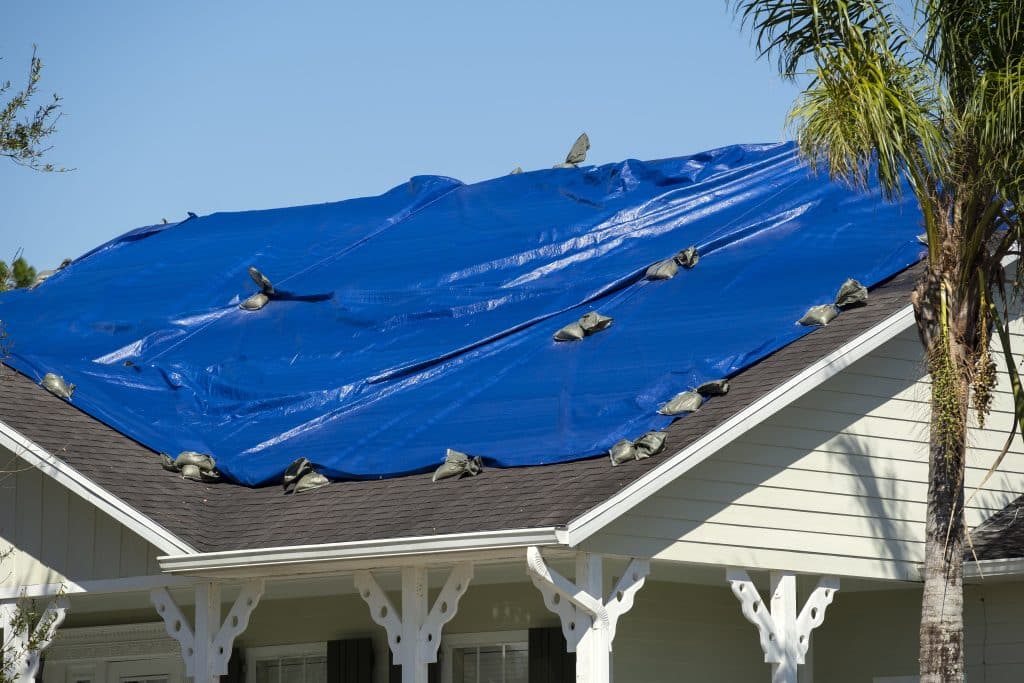
Storm Damage Roof Repair in Hammond
Read More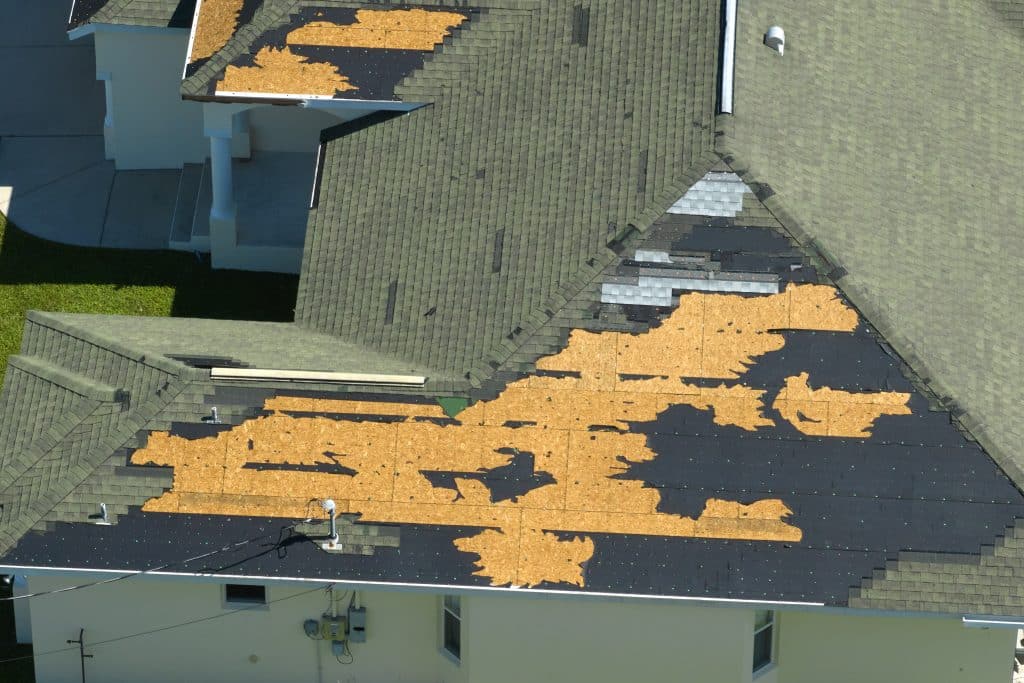
Storm Damage Emergency Response in Hammond
Read More
Emergency Roofing in Hammond
Read More
Roof Maintenance in Hammond
Read More
Roof Coating in Hammond
Read More
Roof Ventilation in Hammond
Read More
Roof Weatherproofing in Hammond
Read More
Roof Restoration in Hammond
Read More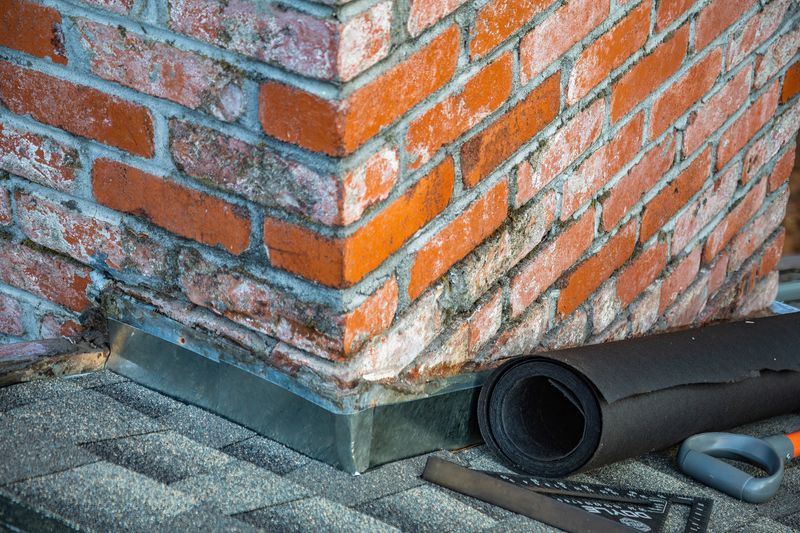
Roof Flashing Repair in Hammond
Read More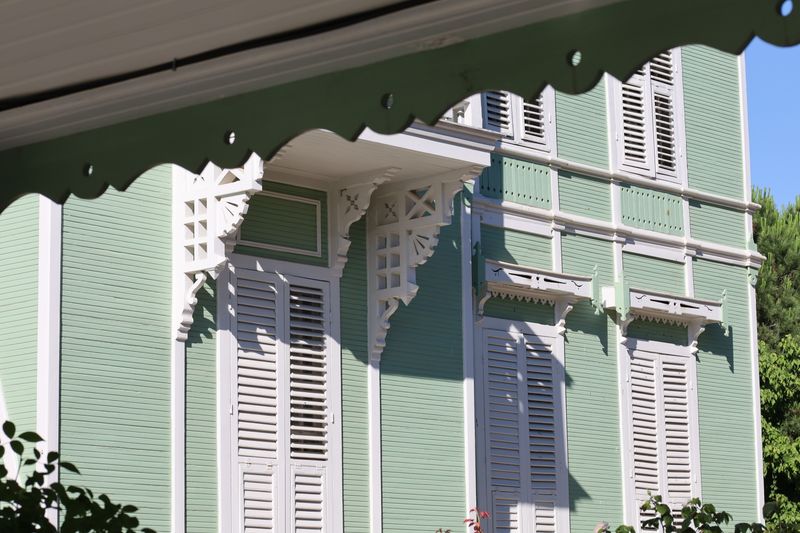
Fascia Board Installation and Repair in Hammond
Read More
Gutters and Downspouts Installation in Hammond
Read More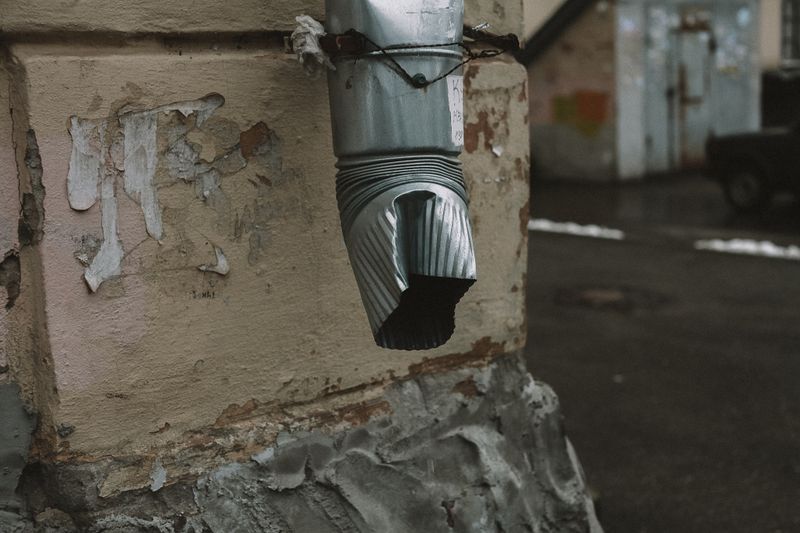
Gutters and Downspouts Repair in Hammond
Read More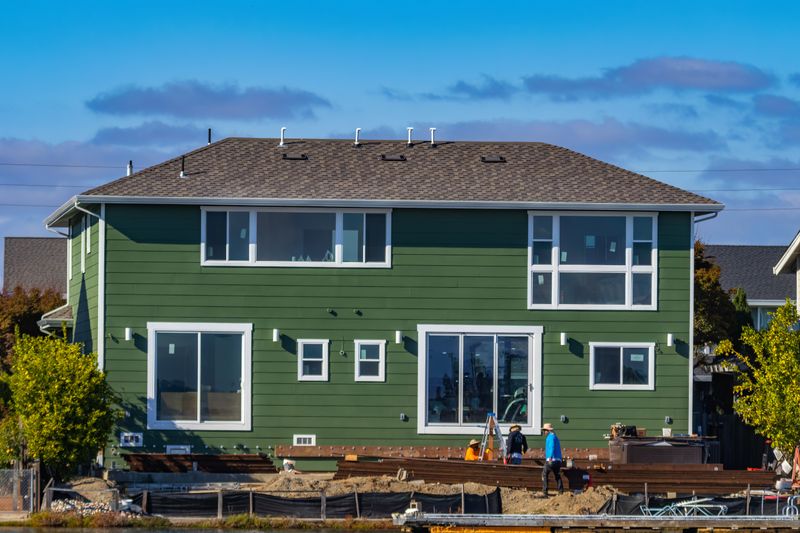
Siding Installation in Hammond
Read More
Asbestos Roof Removal in Hammond
Read MoreRoof Insurance Claims in Hammond
Read More
Soffit Installation in Hammond
Read More
Soffit Repair in Hammond
Read More
Commercial Roof Replacement in Hammond
Read More
Commercial Roof Repairs in Hammond
Read More
Commercial Roof Inspections in Hammond
Read More
Commercial Hail Damage Repair in Hammond
Read More
Commercial Re-Roofing in Hammond
Read More
Commercial Roof Coating in Hammond
Read More
Commercial Elastomeric Coatings in Hammond
Read More
Commercial Roof Ventilation in Hammond
Read More
Commercial Roof Leak Detection in Hammond
Read More
Commercial Siding Installation in Hammond
Read MoreHammond Roof Leak Detection FAQs
The questions that come up when a ceiling starts staining in Hammond, answered bef