



Roof Ventilation in Hammond, LA
Big Easy Roofing balances attic ventilation across Hammond and Tangipahoa Parish. Most ventilation faults are an intake problem rather than an exhaust one, and Hammond adds a paperwork question the rest of the region does not: the City names ventilating separately on its own permit form.
Hammond roof ventilation at a glance
Ventilation is a balance between intake at the eaves and exhaust at the ridge, and most faults are a shortage of intake rather than a shortage of exhaust. In Hammond there is a second question on top of the physics, because the City lists ventilating as its own permit line.
The City names ventilating separately
The City of Hammond permit application states that separate permits are required for Electrical, Plumbing, Heating, Ventilating, or Air Conditioning. Ventilating is named in its own right, alongside the trades everyone expects to be permitted on their own.
Which ventilation work that catches
The form names the trade. It does not define which ventilation work requires the separate permit, and it sets no threshold. We confirm the permit treatment with the Building Department before the work is specified rather than reading a rule into a list.
The Parish prices mechanical work differently
Tangipahoa Parish prices Electrical, Mechanical and Plumbing work at 2% of the sub-contract up to $30,000 and 0.5% for every thousand thereafter, which is a different basis from the published Renovations line. Which line applies to the roofing and to the ventilation work is determined by the Permit Office.
Intake is where the fault usually is
Ridge vents get added far more often than soffit intake gets opened up. Exhaust without matching intake pulls air from the house instead of the eaves, which moves conditioned air into the attic and makes the problem worse rather than better.
The ratio the calculation runs on
The code generally requires one square foot of net free ventilating area for every 150 square feet of vented space. A reduced ratio is available where specific code conditions are met, and whether a given roof meets them is part of the calculation rather than something to assume.
It is inside the reroof inspection scope
Louisiana sends a permitted reroof on a one or two family dwelling to International Residential Code Chapters 8 and 9, at La. R.S. 37:3737(I)(2). Chapter 8 is the roof and ceiling chapter, which is where attic ventilation requirements sit.
Every figure on this page is an estimate, not a quote, and is subject to Big Easy Roofing sign off. Cost and timescale depend on size, pitch, access, weather, materials and whatever is found once work starts, so call Big Easy Roofing on (504) 800-8196 and we will come out and give you an estimate for your own roof.
Every figure here is an estimate, not a quote, and is subject to Big Easy Roofing sign off. What a ventilation upgrade costs depends on the roof area, the vent types and how much intake has to be opened up, so call (504) 800-8196 for a written price.
The vent types, and which side of the balance each serves
Ventilation only works as a pair. Every type below sits on either the intake side or the exhaust side, and adding more of one without the other does not improve the balance. The table sets out what each does and where each is the right answer.
| Vent type | Side of the balance | Where it suits | What to watch |
|---|---|---|---|
| Continuous ridge vent | Exhaust | Almost any roof with a continuous ridge | Useless without matching intake, and often installed without it |
| Soffit vents, continuous or individual | Intake | The eave line on most houses | Frequently blocked by insulation pushed into the eave, so opening them is the fix |
| Static box or louvre vents | Exhaust | Roofs with short or broken ridge lines | Several small units rarely match one continuous ridge run for area |
| Gable vents | Either, depending on layout | Older houses already built with them | Can short circuit a ridge and soffit system by giving air an easier path |
| Powered attic fan | Exhaust, mechanical | Rare cases where passive area genuinely cannot be reached | The one most likely to raise the separate permit question, and often unnecessary once intake is opened up |
A powered unit is the option most likely to bring the separate permit question into play in Hammond, and it is also the one that most often turns out to be unnecessary once the intake side is opened up properly.
One job that can need two permit applications
Ventilation sits in an unusual position here. The code chapters a permitted reroof is inspected against already cover attic ventilation, and separately the City lists ventilating among the trades needing their own permit. Which of those applies depends on what is being installed.
It is already inside the reroof code scope
Louisiana requires a permitted reroof on a one or two family dwelling to comply with International Residential Code Chapters 8 and 9, at La. R.S. 37:3737(I)(2). Chapter 8 covers roof and ceiling construction, which is where attic ventilation requirements live.
And the City names it separately
The City of Hammond permit application states that separate permits are required for Electrical, Plumbing, Heating, Ventilating, or Air Conditioning. Confirm with the Building Department on (985) 277-5655 whether your specific work falls inside that line.
Outside the city limits
The Parish Permit Office on (985) 542-2117 covers the unincorporated area, and states it implemented the 2021 building codes and the 2020 NEC effective 1 January 2023.
Mechanical work is priced on a different basis
The Parish fee schedule prices Electrical, Mechanical and Plumbing at 2% of the sub-contract up to $30,000 and 0.5% for every thousand thereafter, which is a different basis from its published Renovations line. Two parts of one job can therefore be costed two different ways, and the Permit Office decides which line each falls on.
Why this is worth settling before anything is specified
The difference between a passive arrangement and a powered one is not only a difference in equipment. On the City route it can be the difference between one application and two, and on the Parish route it changes the basis the fee is calculated on.
That is a reason to decide the ventilation approach at the same time as the roofing scope rather than as an afterthought at the end. A powered unit added late can bring paperwork with it that nobody priced.
The cheaper answer is usually not a machine
Most attics that feel under ventilated are short of intake, not exhaust. Opening blocked soffits and fitting baffles so insulation cannot slide back over them costs less than a powered unit and does not carry the same paperwork question.
Where the passive area genuinely cannot be reached, a powered unit is a legitimate answer. It is just worth being the second thing tried rather than the first.
What a hot wet attic does to a roof from underneath
A covering fails from above and from below at the same time, and the underside is the half nobody looks at. Three things follow from an attic that runs hot and holds moisture, and all three shorten the life of a roof that looks fine from the street.
Moisture condenses on the underside of the deck
Warm damp air reaching a cooler deck condenses on it. Over enough seasons that shows up as staining, then as delamination in plywood, and it is often mistaken for a leak because it drips in the same way.
The tell is that it appears across a broad area rather than tracking to a single penetration, and that it worsens in cold snaps rather than in heavy rain.
Heat ages the covering from the back
Shingles are rated for exposure on the face, and a poorly ventilated attic bakes them from behind as well. That accelerates the loss of volatiles in the asphalt, which is what makes an older covering brittle rather than merely worn.
It is the reason two identical roofs installed the same week can be in visibly different condition a decade later. The difference is usually under the deck, not on it.
Insulation blocking the eaves undoes both fixes
Loose fill pushed into the eave during an insulation upgrade blocks exactly the intake path a ridge vent depends on. The house then has more insulation and worse ventilation than it started with.
Baffles at each rafter bay keep the path open permanently. Fitting them is unglamorous, it is cheap while the roof is open, and it is very expensive to retrofit afterwards.
Big Easy Roofing Process
Four steps. The calculation comes before the shopping list, because the number of vents is an output of the attic area and the existing intake rather than a starting point.
01 Measure the attic and count what is already there
Floor area, existing intake at the eaves, existing exhaust at the ridge, and whether the intake is open or blocked by insulation.
02 Do the balance calculation
Net free area against the ratio the code requires, split between intake and exhaust, so the specification comes out of the roof rather than out of a catalogue.
03 Settle the permit question before specifying anything powered
Whether the work falls inside the separate ventilating line the City names, and on the Parish route which fee basis applies. Confirmed with the office, not assumed.
04 Install intake first, then exhaust
Opening and baffling the eaves comes before adding ridge area, because exhaust added to a blocked intake pulls air out of the house instead.
Everything else we do in Hammond
The rest of the Big Easy Roofing services available in Hammond, each with its own page, crew and written scope. Ventilation is usually specified alongside a replacement, because a tear off is the only point at which the intake side at the eaves can actually be opened up and corrected properly.
Roof Replacement in Hammond
Read More
Roof Repairs in Hammond
Read More
Roof Inspection in Hammond
Read More
Hail Damage Roof Repair in Hammond
Read More
Storm Damage Roof Repair in Hammond
Read More
Storm Damage Emergency Response in Hammond
Read More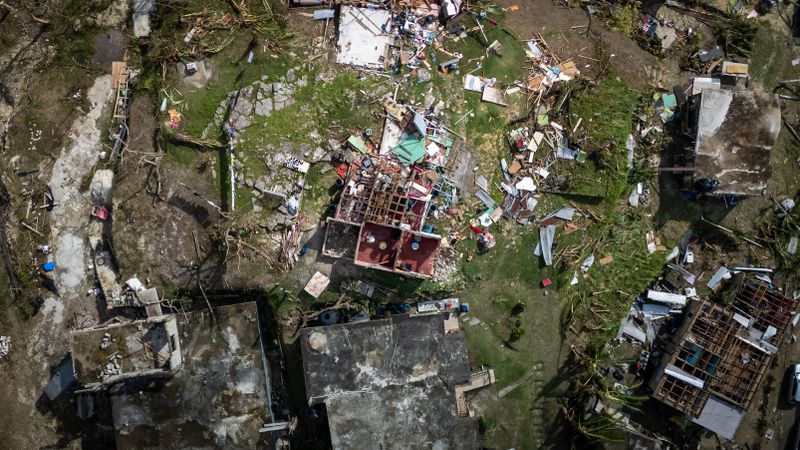
Emergency Roofing in Hammond
Read More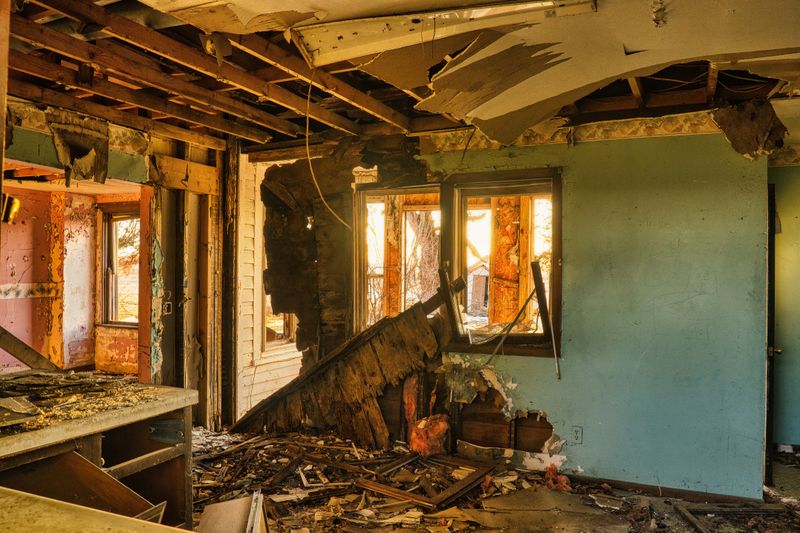
Roof Leak Detection in Hammond
Read More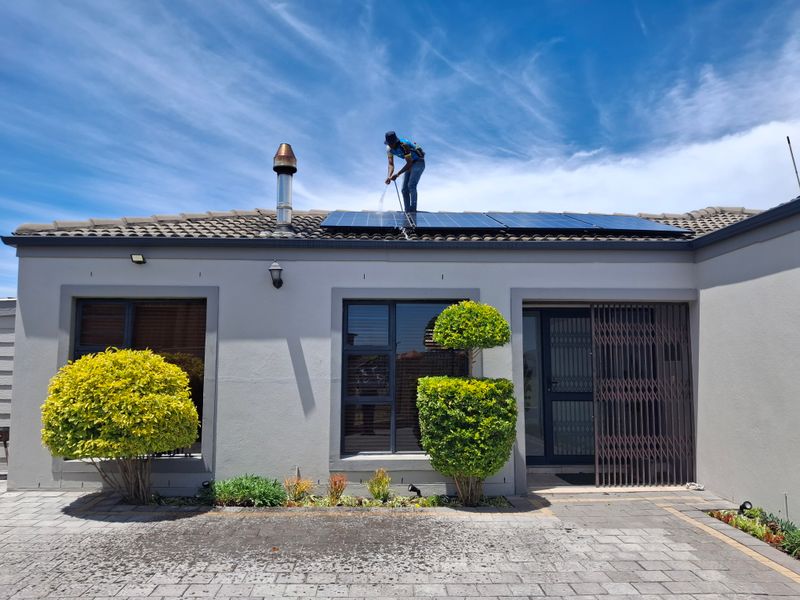
Roof Maintenance in Hammond
Read More
Roof Coating in Hammond
Read More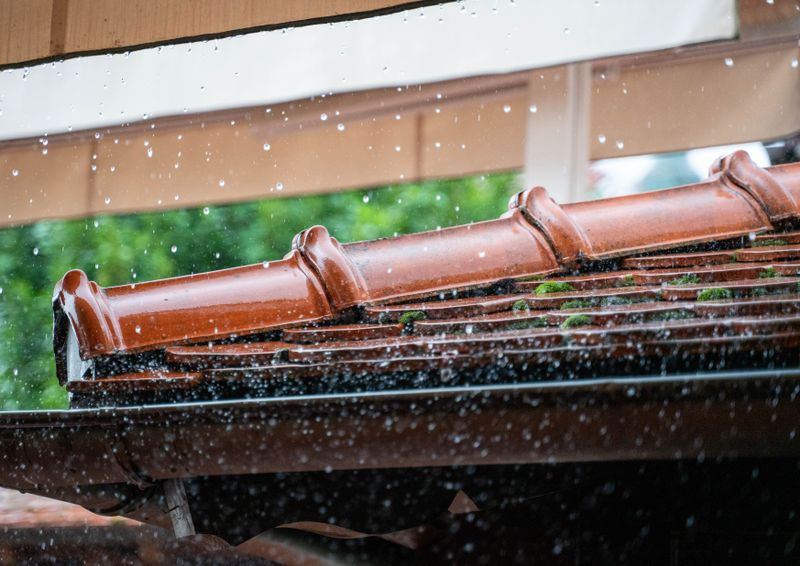
Roof Weatherproofing in Hammond
Read More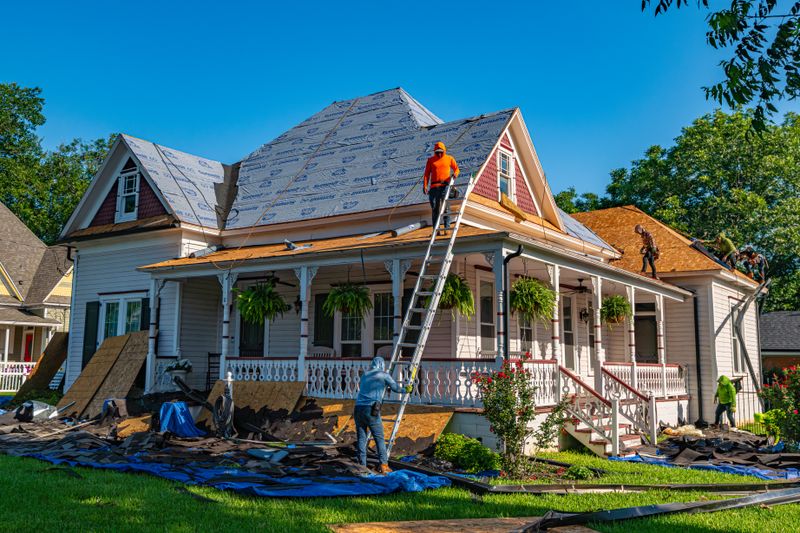
Roof Restoration in Hammond
Read More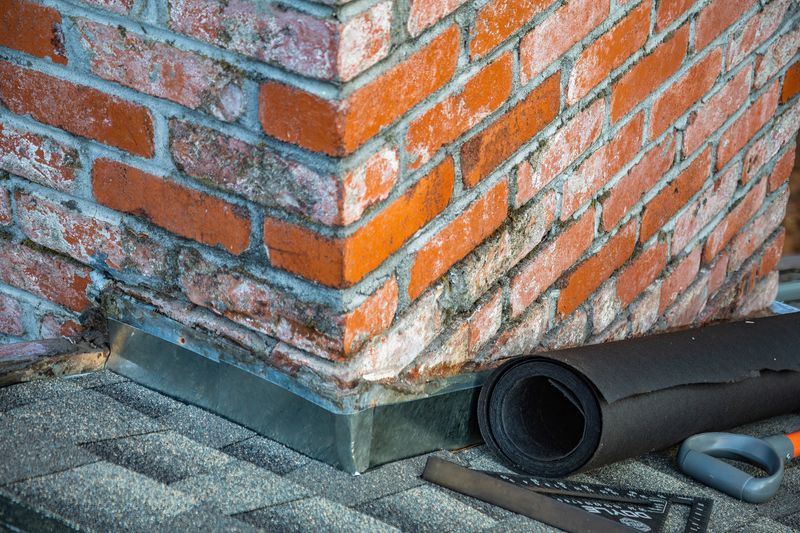
Roof Flashing Repair in Hammond
Read More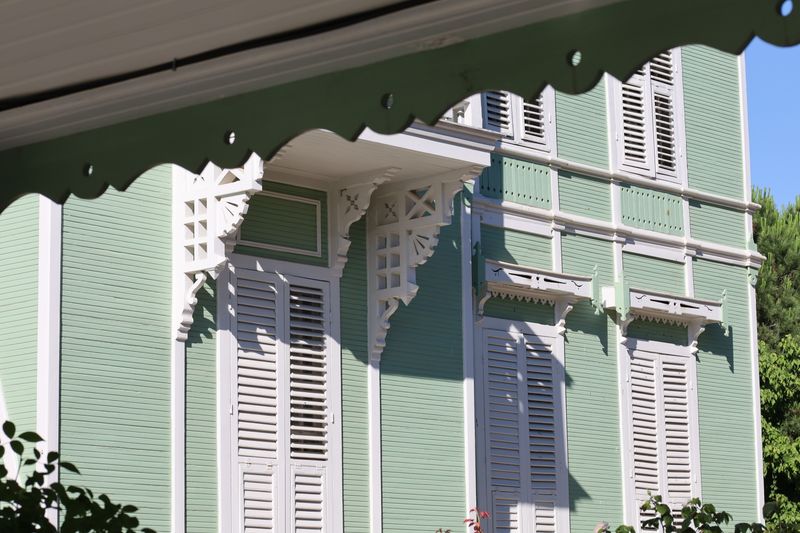
Fascia Board Installation and Repair in Hammond
Read More
Gutters and Downspouts Installation in Hammond
Read More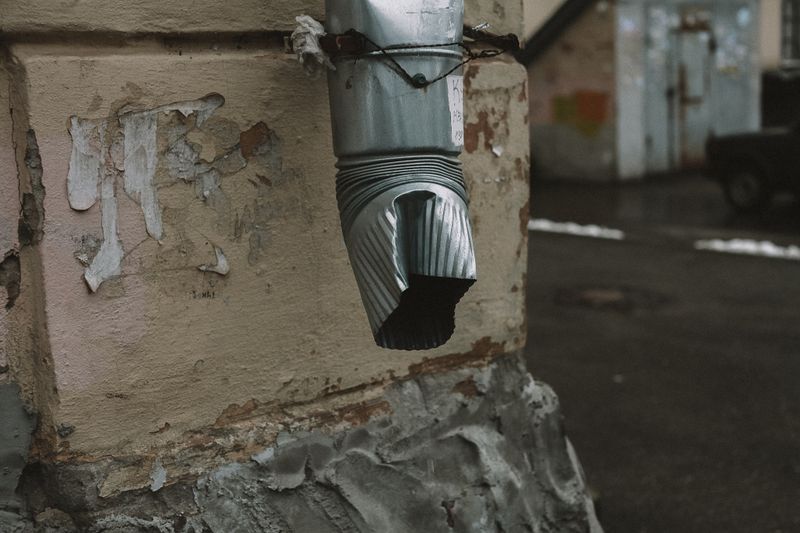
Gutters and Downspouts Repair in Hammond
Read More
Siding Installation in Hammond
Read More
Asbestos Roof Removal in Hammond
Read More
Roof Insurance Claims in Hammond
Read More
Soffit Installation in Hammond
Read More
Soffit Repair in Hammond
Read More
Commercial Roof Replacement in Hammond
Read More
Commercial Roof Repairs in Hammond
Read More
Commercial Roof Inspections in Hammond
Read More
Commercial Hail Damage Repair in Hammond
Read More
Commercial Re-Roofing in Hammond
Read More
Commercial Roof Coating in Hammond
Read More
Commercial Elastomeric Coatings in Hammond
Read More
Commercial Roof Ventilation in Hammond
Read More
Commercial Roof Leak Detection in Hammond
Read More
Commercial Siding Installation in Hammond
Read MoreHammond Roof Ventilation FAQs
The questions worth settling before a Hammond ventilation upgrade is specified, answered before you have to pick up the phone.