



Commercial Re-Roofing in Hammond, LA
Big Easy Roofing re-roofs commercial buildings across Hammond and Tangipahoa Parish. Whether a new covering can go over the old one is decided by the building code, not by the budget and not by the roofer, and on a lot of buildings the code has already made the decision before anybody quotes.
Hammond commercial re-roofing at a glance
Re-roofing means one of two things and the building code decides which. A recover puts a new covering over the existing one. A replacement removes every layer down to the deck. Three conditions rule a recover out entirely, and one of them is settled by counting the layers already up there.
The bar that is easy to state one layer out
The code does not permit a roof recover where the existing roof has two or more applications of any type of covering. Two is already too many, not the limit. Call Big Easy Roofing on (504) 800-8196 and we will establish what is actually up there.
Who permits the work
Roof construction and reroofing on a commercial building are permitted and inspected through the City of Hammond Building Department at 219 E Robert St inside the city limits, or through the Tangipahoa Parish Permit Office at 15485 West Club Deluxe Road outside them. A Hammond postal address does not tell you which.
Where the rule lives
Reroofing has its own section in the roof assemblies chapter of the International Building Code. Louisiana is on the 2021 editions with state amendments, so the specific text and section number that govern your job are settled with the office at file for that building rather than assumed from the base code.
How the fee is set
The City of Hammond publishes a commercial renovation, repair and roofing line on its permit application at $50 up to $10,000 of construction value and $5 per thousand above, as published on the application (as of September 2026); the current figure is confirmed with the Building Department at (985) 277-5655. Tangipahoa Parish prices renovations at $20 up to $10,000 and $2 per thousand above, on fair market value, and does not name roofing separately, so the parish figure is confirmed at the counter.
What replacement means in the code
Not a figure of speech. Roof replacement is defined as the removal of all existing layers of roof assembly materials down to the roof deck, with a narrow exception for a qualifying ice barrier membrane adhered to the deck. A job called a replacement that leaves a covering behind is a recover wearing the wrong name.
How the layers get counted
The number of layers is established by cutting and reading a core, not by looking at the edge detail, which can be built up to hide what is under it. How a core is cut and read is on our Hammond commercial roof inspections page, and what cutting one does to a membrane warranty is on the Hammond commercial hail page.
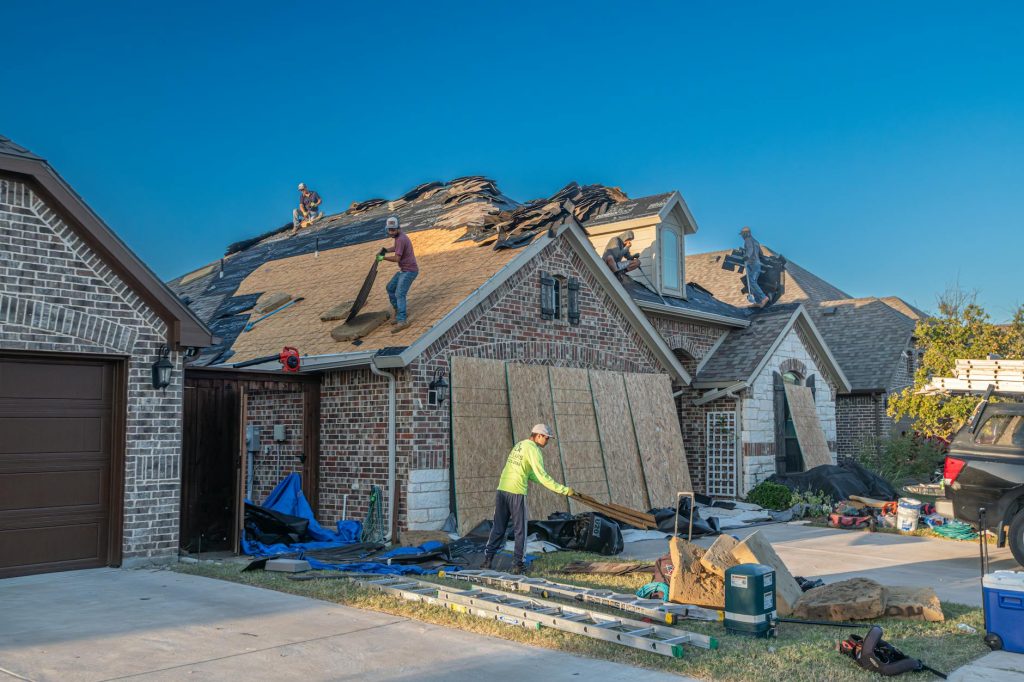
There are two structural outcomes here and the code chooses between them, plus a third route that avoids a tear off without being either. A roof recover puts a new covering over the one already on the building. A roof replacement removes every layer of the roof assembly down to the deck. A recover is quicker, quieter and cheaper, it produces no tear off and very little disruption below, and where the code allows it there is nothing second rate about it.
The problem is that whether it is allowed is not a matter of opinion. The code names four qualifying routes and three outright prohibitions, and the prohibitions win: a building has to take one of the routes and be clear of all three bars. The table below sets out the three bars and the three routes that arise on commercial buildings here. The fourth route covers metal panel, metal shingle and concrete or clay tile laid over existing wood shakes, which is a residential situation and is not covered on this page.
The code test and which way each condition points
Every line below is a condition set out in the reroofing section of the building code, and the order matters. The first three end the discussion. The rest are routes by which a job can avoid a full removal, and a building has to take one of them and be free of all three prohibitions.
| Condition on the existing roof | What the code says | Outcome | What it means for you |
|---|---|---|---|
| Two or more applications of any type of covering already in place | A recover shall not be permitted | Full removal | Settled by counting the layers in a core rather than by opinion |
| Existing roof or covering water soaked, or too deteriorated to be an adequate base | A recover shall not be permitted | Full removal | The one condition that can change between surveys, so it is tested rather than assumed |
| Existing covering is slate, clay, cement or asbestos-cement tile | A recover shall not be permitted | Full removal | Where it is asbestos-cement, testing and removal come first and have their own page |
| New covering installed to the approved instructions of the covering manufacturer | A qualifying route | Recover possible | Only if none of the three prohibitions above applies. The instructions become part of the scope and the inspection checks against them |
| A complete separate system carrying its own load, such as standing seam metal panels | A qualifying route | Recover possible | Again only where no prohibition applies. It does not rely on the old roof for support, which is why the code treats it apart |
| A new protective coating over an existing coating, built up, modified bitumen or single ply | Permitted without tear off | Coating route | A different service with its own page, and it is not a substitute for a failed roof or a way round a prohibition |
These are the conditions as the reroofing section sets them out, summarised rather than quoted in full, and Louisiana amendments can modify a section, so the position is confirmed with the office at file before work is scoped. No work prices appear on this page; the permit fee follows the scope. Call (504) 800-8196 and we will establish which line your building sits on.
What the permit covers and why the layer count comes first
The office at file permits and inspects the work, and the inspection is against the code the job was scoped under. That makes the layer count the first fact of the project rather than a detail, because getting it wrong changes what the job legally is.
The permit itself
Act 239 of 2025 introduced the requirement, now carried at La. R.S. 37:3737(I), requiring a parish or municipality that issues construction permits to permit and inspect roof construction and reroofing. Both the City of Hammond and Tangipahoa Parish issue construction permits, so both permit commercial reroofs within their jurisdictions.
Which code the inspection uses
Subsection (I)(1) sends buildings other than one and two family dwellings to the International Building Code, and only (I)(2) sends houses to the residential code. So a commercial reroof is inspected against Chapter 15 rather than the residential provisions.
Why the count is established first
A recover scoped on a building that turns out to carry two layers is not a cheaper version of the right job, it is a job the code does not permit. Finding that out after the materials are ordered costs more than the core did.
What we will not do
A roof edge can be built up, re-flashed or capped in ways that make one layer look like two or hide that there are three. Anybody willing to price a recover without opening the roof is pricing a guess.
What a re-roofing quote should establish before it prices anything
How many applications of covering are on the building and how that was established, whether the existing assembly is dry and sound enough to be built on, and what the existing covering actually is. Those three answers decide between a recover and a full removal before a single product is named.
It should also say what happens if the cores come back differently from expected, because that is the moment a quote either holds or turns into a change order. Ours prices both outcomes where the answer is genuinely open.
Where a recover is genuinely the better job
On a sound single layer roof over a building that cannot easily be emptied, a recover is quicker, quieter, produces no tear off and sends far less to landfill. Where the code permits one, the choice is a commercial judgement our Hammond commercial roof replacement page covers in full: disruption and first cost against added dead load, whatever stays concealed underneath, the drainage, and what it leaves you able to do next time.
The argument on this page is not that recovers are inferior. It is that whether you are allowed one is a question of fact about your building, and it should be answered before anybody has an opinion about your budget.
Three local conditions that bear on the recover decision in Hammond
Three local conditions bear on the recover decision, and none of them changes what the code permits. What they change is whether a permitted recover is the right commercial choice on a particular building. The code answer comes first, then these.
The water soaked bar is the one that moves
Two of the three prohibitions are fixed facts about a building: how many layers are up there, and what the covering is made of. The third, whether the existing assembly is water soaked or too deteriorated to build on, is a condition that can be true this year and was not true last year.
On a low slope roof in this climate that is the bar most likely to catch a building that would have qualified for a recover a few seasons earlier. It is a reason to establish the position now rather than assume the answer from an older survey.
A recover adds dead load in a wind zone
Leaving one covering in place and adding another puts more weight on the same structure, and it changes the attachment story, because the new system is being fastened through or over something rather than to a bare deck.
That is a design question for whoever is specifying the assembly rather than a code bar, and it is one of the reasons the commercial replacement page treats the choice as a commercial judgement rather than a default.
What a recover leaves you unable to see
A recover conceals the assembly underneath it, including whatever the drainage is actually doing and any insulation that had already taken water. The building keeps working and the evidence stops being reachable without opening the new roof.
Where a moisture survey has already found areas reading wet, that is worth settling before a recover rather than after, because a recover over wet insulation buys a shorter roof at full price.
Big Easy Roofing Process
Three steps, and the first one answers a question of code rather than a question of price.
Establish what is actually up there
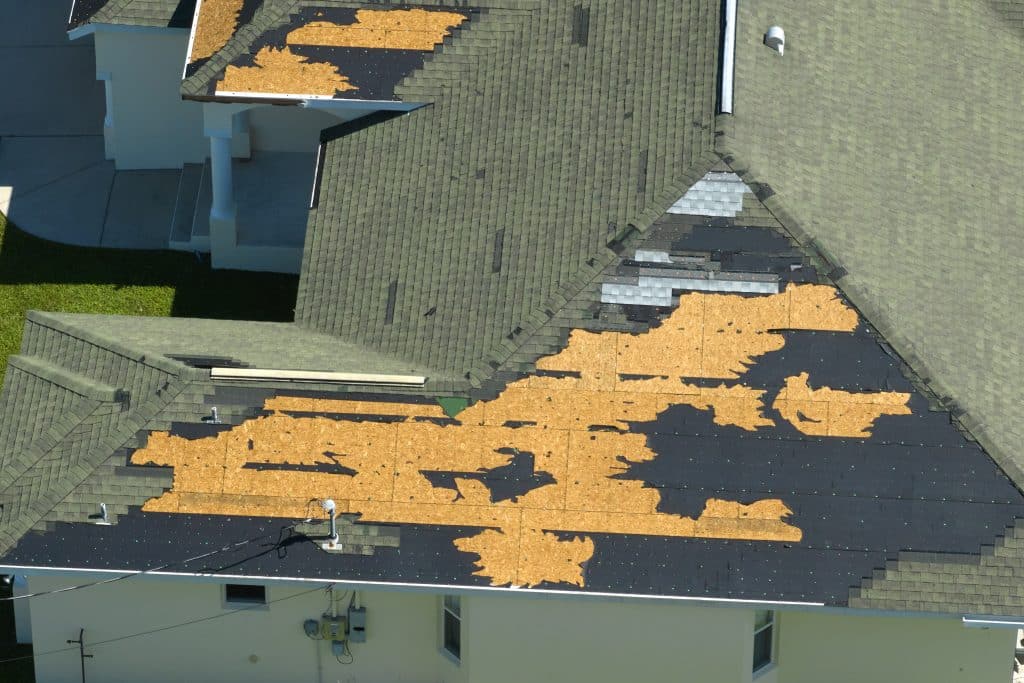
How many applications of covering, what they are made of, and whether the assembly is dry and sound enough to build on. Counted from a core rather than judged from the edge detail, with the warranty position settled first.
Put the code position in writing
Which line of the test the building sits on, whether a recover is permitted at all, and the position confirmed with the office at file rather than assumed from the base code. Where the answer is genuinely open we price both outcomes.
Scope, permit and build
The assembly specified to the manufacturer instructions that become part of the scope, permitted through the office at file, and inspected against the commercial code. Call (504) 800-8196.
Everything else we do in Hammond
The rest of the Big Easy Roofing services available in Hammond, each with its own page and its own written scope of work. The commercial roof replacement page covers which assembly suits the building, and it is the one to read next once the code question on this page has been answered.
Roof Replacement in Hammond
Read More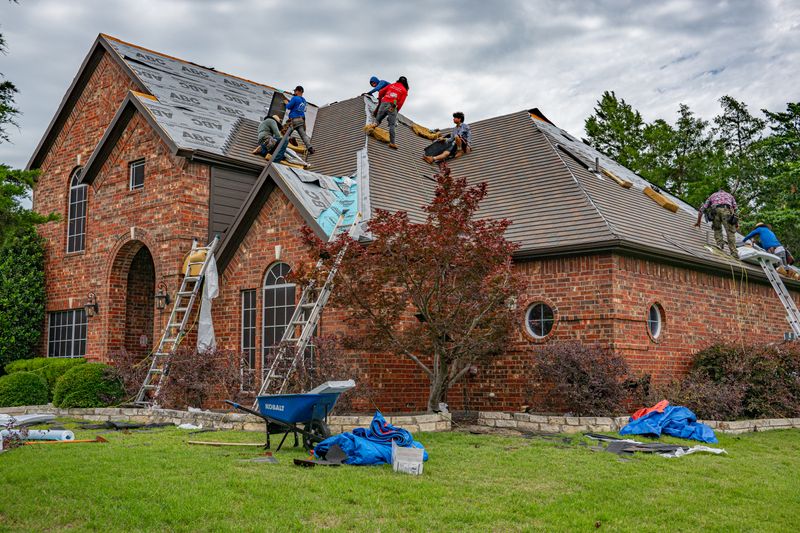
Roof Repairs in Hammond
Read More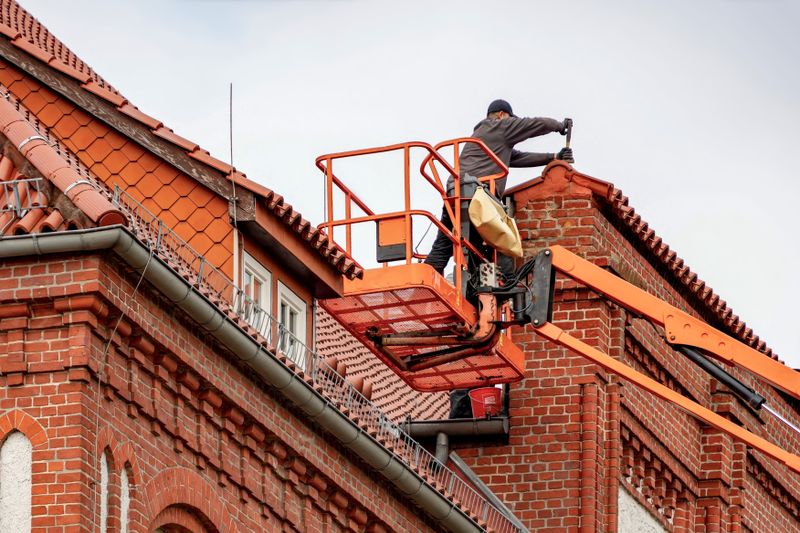
Roof Inspection in Hammond
Read More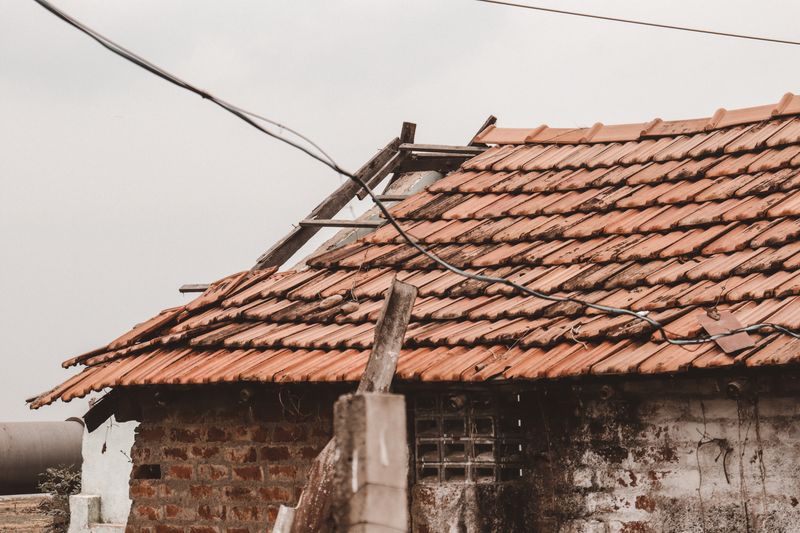
Hail Damage Roof Repair in Hammond
Read More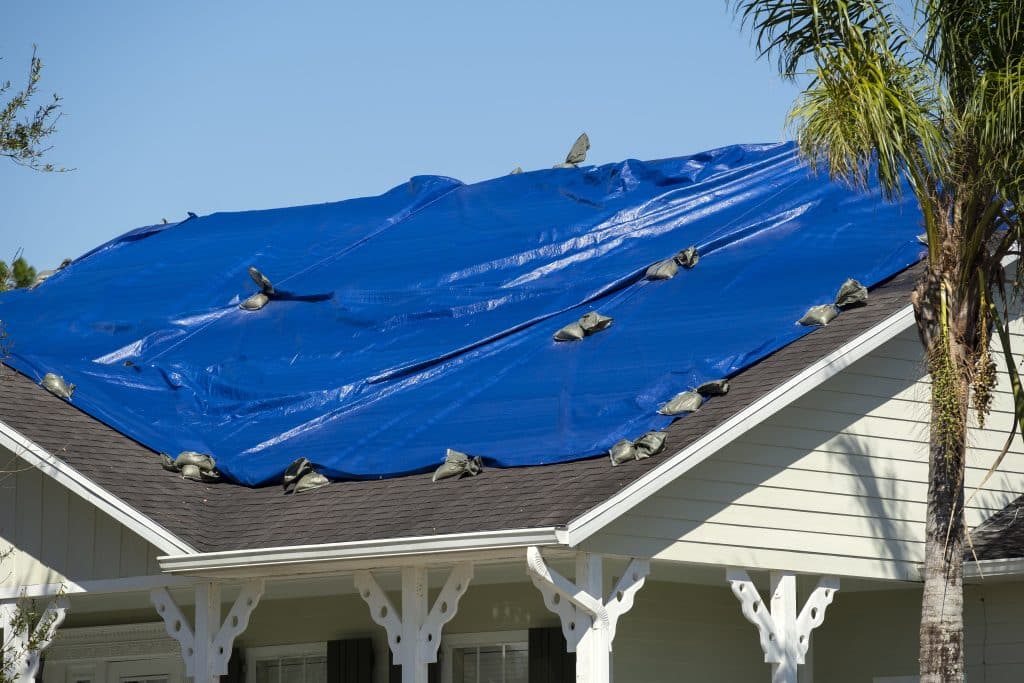
Storm Damage Roof Repair in Hammond
Read MoreStorm Damage Emergency Response in Hammond
Read More
Emergency Roofing in Hammond
Read More
Roof Leak Detection in Hammond
Read More
Roof Maintenance in Hammond
Read More
Roof Coating in Hammond
Read More
Roof Ventilation in Hammond
Read More
Roof Weatherproofing in Hammond
Read More
Roof Restoration in Hammond
Read More
Roof Flashing Repair in Hammond
Read More
Fascia Board Installation and Repair in Hammond
Read More
Gutters and Downspouts Installation in Hammond
Read More
Gutters and Downspouts Repair in Hammond
Read More
Siding Installation in Hammond
Read More
Asbestos Roof Removal in Hammond
Read More
Roof Insurance Claims in Hammond
Read More
Soffit Installation in Hammond
Read More
Soffit Repair in Hammond
Read More
Commercial Roof Replacement in Hammond
Read More
Commercial Roof Repairs in Hammond
Read More
Commercial Roof Inspections in Hammond
Read More
Commercial Hail Damage Repair in Hammond
Read More
Commercial Roof Coating in Hammond
Read More
Commercial Elastomeric Coatings in Hammond
Read More
Commercial Roof Ventilation in Hammond
Read More
Commercial Roof Leak Detection in Hammond
Read More
Commercial Siding Installation in Hammond
Read MoreHammond Commercial Re-Roofing FAQs
The questions worth asking before a commercial re-roof in Hammond, starting with whether a recover is lawful on your building at all.
Topic
Question not here?
Ask us which line of the code test your Hammond building sits on. No charge, no obligation, and we aim to answer the same day.
Call (504) 800-8196Can I just put a new roof over the old one
Only if the building passes a test in the building code, and it is not a budget decision. The code names qualifying routes and three outright prohibitions, and the prohibitions win. The most common one is layers: where the existing roof already has two or more applications of any type of covering, a recover is not permitted.
Is two layers the limit or already too many
Already too many. The bar is two or more applications of any type of covering, so a building carrying two is past it, not at it. That is the single easiest thing to get wrong by one on this page, which is why it is stated twice.
What counts as a replacement in the code
Removal of all existing layers of roof assembly materials down to the roof deck, with a narrow exception for a qualifying ice barrier membrane adhered to the deck. A job called a replacement that leaves a covering behind is a recover under a different name, and it is inspected as what it is rather than as what it is called.
How do you know how many layers are up there
A core is cut and read. The edge of a roof can be built up, re-flashed or capped in ways that make one layer look like two or hide a third, so the count is established by opening the assembly rather than by inspection from the perimeter. How a core is cut and read is on our Hammond commercial roof inspections page.
Does cutting a core affect my roof warranty
It can, and it is settled before anybody cuts. Our Hammond commercial hail page covers that in full, because the same question arises there: who is authorised to cut, what closing the opening requires and whether the manufacturer has to be notified are answers that live in your own warranty document.
Does a commercial re-roof need a permit in Hammond
Yes. La. R.S. 37:3737(I) requires a parish or municipality that issues construction permits to permit and inspect roof construction and reroofing, and both the City of Hammond and Tangipahoa Parish issue them. Which office depends on whether the address sits inside the city limits, and the fee follows the scope. The City of Hammond publishes a commercial renovation, repair and roofing line at $50 up to $10,000 plus $5 per thousand above, as of September 2026; Tangipahoa Parish does not name roofing separately on its schedule, so the parish figure is confirmed at the counter.
Is a coating a way round the layer rule
No. A new protective coating over an existing coating, built up, modified bitumen or single ply roof is its own route in the reroofing section and is permitted without a tear off, but it is not a way round a prohibition and it is not a substitute for a roof that has failed. It is a separate service with its own Hammond page.
Which is better, a recover or a full replacement
Neither, in the abstract. Where the code permits a recover it is quicker, quieter, produces no tear off and sends nothing to landfill. Against that sit added dead load, an assembly you can no longer see, and what it leaves you able to do next time. That trade is a commercial judgement, and it only arises once the code question has been answered.
Get the layer count established first before anyone prices a recover
We establish how many applications of covering are actually up there, whether the assembly is sound enough to build on, and which line of the code test your building sits on, before any assembly is specified or priced. If you would rather start in writing, tell us what the job involves and we will come back with an estimate.
Call (504) 800-8196