



Soffit Installation in Covington, LA
Big Easy Roofing installs soffit across Covington and St. Tammany Parish. Two soffit quotes at the same price a foot can deliver completely different amounts of attic intake, because that depends on the panel rather than on the price. So the number to ask for is net free area.
Covington soffit installation at a glance
Soffit installation is priced per linear foot of eave, estimated at $6 to $20 installed depending on the material. The number that matters more than the price is net free area, because the soffit is the intake half of the attic ventilation and it is the half easiest to undersize.
Estimated installed cost
Measured along the eave. Vinyl sits at the lower end, aluminium at the upper end and fiber cement in between. Call Big Easy Roofing on (504) 800-8196 for a measured figure on your own eave.
Does it need a permit
Replacing soffit panel is not the re roofing that the 2025 rule makes permitted and inspected. Where there is structural work behind the panel, that position changes and we confirm it with the correct office first.
The number to ask for
Per linear foot, taken from the datasheet for the panel actually being fitted. Published products range from under 2 square inches a foot to well over 20, so the material name tells you very little and the product name tells you everything.
What a solid panel delivers
Nothing at all, which is exactly right on a gable end and wrong along an eave that is meant to be feeding the attic. Solid panel is not a fault, it is a choice that has to match the location.
Materials fitted
Vented and solid panels in all three. Vinyl is the value option, aluminium holds its shape and fiber cement the closest match to a painted timber soffit.
What the soffit is doing
It closes the eave against birds, wasps and squirrels, and where it is vented it feeds the attic. Getting the first right and the second wrong leaves an attic that still overheats and nothing visible from the ground to show why.
Every figure on this page is an estimate, not a quote, and is subject to Big Easy Roofing sign off. Cost and timescale depend on size, pitch, access, weather, materials and whatever is found once work starts, so call Big Easy Roofing on (504) 800-8196 and we will come out and give you an estimate for your own roof.
Soffit is the underside of the eave, and on most houses it is doing two jobs at once. It closes the eave against wildlife and weather, and where it is vented it is the intake half of the attic ventilation. Those two jobs pull in opposite directions, which is why the panel choice matters more than it looks: the more open the panel, the better it feeds the attic and the more it depends on a decent insect screen to keep the eave closed.
The consequence is worth stating plainly, because it is where soffit money gets wasted. A ridge vent with nothing feeding it can end up drawing its make up air from inside the house rather than from the eave, which pulls conditioned air into the roof space and achieves the opposite of what it was fitted for. So a Big Easy Roofing soffit quote states the net free area per linear foot beside the price. How much intake the attic actually needs is a separate calculation and it is set out on the roof ventilation page.
What each panel actually delivers
Net free area is the open area a panel gives you per linear foot of eave, and it is the figure that decides whether the attic gets fed. These are the realistic ranges by panel type, and the spread between the top and the bottom of them is the whole argument for asking.
| Panel type | Where it belongs | Net free area per foot | What to watch |
|---|---|---|---|
| Perforated panel | A vented eave where the look matters more than the airflow | From the datasheet | Usually the lowest of the vented options, and published figures for perforated panels vary widely between products |
| Continuous vent strip | A vented eave where intake matters | From the datasheet | Normally well above a perforated panel of the same material, but only the product figure tells you by how much |
| Solid panel | A gable end, or any eave not feeding the attic | Zero | Correct in the right place and completely wrong along a vented eave |
| Vented panel painted over | Nowhere. This is a defect rather than a product | Much less than stated | Paint closes perforations, so an eave that looks vented can be delivering a fraction of the figure it was specified at |
| Any panel, chosen by material name | Nowhere, and it is the common mistake | Unknowable | Published products run from under 2 square inches a foot to well over 20, so vinyl or aluminium on its own tells you nothing about intake |
No range is given by material on purpose. Net free area is a property of the specific product and its perforation pattern, not of the material, and published figures for soffit products span more than a factor of ten. The highlighted row is normally the higher intake option, which does not automatically make it right for a given eave. How much intake the attic needs is on the roof ventilation page. Call (504) 800-8196 for a measured eave and the named product figure against it.
The permit position, and the intake half of the code
Panel work on an eave is not a reroof, so it sits outside the rule that makes re roofing permitted and inspected in Louisiana. What is worth knowing is that since 2025 a permitted reroof on a house is judged against the code chapter that ventilation lives in.
Who issues the permit
For an address inside the Covington city limits, the City of Covington Building Permits Office. For an address in the unincorporated part of St. Tammany Parish, the parish permits office. A Covington postal address does not tell you which, so the routing is settled by the address before anything is filed.
Panel replacement
Replacing soffit panel is not a replacement of the roof covering, so it sits outside the permit and inspection requirement Act 239 of 2025 introduced. Where the work turns structural behind the panel, we put the position to the correct office rather than deciding it ourselves.
Why intake sits inside the code now
Since 1 August 2025 a permitted reroof on a one or two family dwelling is judged against IRC chapters 8 and 9 with Louisiana amendments, and chapter 8 is the roof and ceiling chapter that attic ventilation requirements sit in.
The screen behind the vent
A vented panel is an opening, so the insect screen is what stops the intake becoming an entrance. It is worth confirming it is there and intact, because it is the difference between a ventilated eave and a wasp nest.
Why net free area belongs on the quote
Because it is the figure that says what the soffit will actually do. Two quotes at the same price per foot can deliver wildly different amounts of intake depending on the panel specified, and nothing on either quote makes that visible unless somebody writes it down.
Ask for the panel named and the net free area per linear foot stated beside it. It costs a bidder nothing and it turns two quotes that read alike into two quotes you can compare. How much your attic needs in total is the calculation on the roof ventilation page.
Intake and exhaust have to match
A soffit is half of a system. Exhaust at the ridge without intake at the eave does not simply underperform, it can pull its make up air from the house below through gaps in the ceiling, which moves conditioned air into the roof space.
So a soffit job is worth doing at the same time as any ventilation work rather than separately, and it is worth checking the intake is not blocked from the inside by insulation pushed into the eave. Baffles are what stop that, and they are covered on the roof ventilation page.
What an eave here is actually up against
Three local conditions decide how long a soffit lasts here and how well it keeps doing its second job, and only one of them is about the panel itself. The other two are water arriving from above it and wildlife arriving from below it, and both are dealt with at the eave rather than in the panel choice.
Water arrives at the eave in volume
NOAA Atlas 14 records a 100 year recurrence 60 minute rainfall rate of 4.81 inches an hour for the Covington coordinates, and every bit of a heavy rainfall event leaves the roof across the eave. That is the load the edge is working under, which is why a new soffit is worth fitting at the same time as anything being done to the gutter or the fascia above it. Why a run failed in the first place is the soffit repair page.
Humidity keeps everything damp
Sustained humidity means an eave here rarely dries out completely, which is hard on timber and on any panel with a paint film doing the protecting. It is the main argument for vinyl or aluminium on a vented eave, and for keeping the ventilation working, because moving air is what dries a roof space.
The eave is a way in
A soffit is the boundary between the outside and the roof space, so any gap in it is an invitation to birds, wasps and squirrels. That is why the insect screen behind a vent matters, and why the ends of a run are worth closing properly rather than left open for something to move into.
Big Easy Roofing Process
Four steps, and the eave gets measured and the intake worked out before a panel is chosen, because the panel is what delivers the number.

Measure the eave and check what feeds it
The run is measured end to end, including the returns and the corners, because those are where a panel count taken from the ground usually goes wrong and where the intake is easiest to lose.
Work out the intake and pick the panel to suit
The panel is chosen for the net free area it delivers against what the attic needs, rather than the other way round, and solid panel is used where solid panel belongs.
Check nothing is blocking it from inside
Insulation pushed into the eave will defeat a perfectly good vented soffit, so the intake path is checked from the attic side while the eave is open.
Fit, screen and close the ends
Panels fitted with the vent running continuously where it is meant to, insect screen intact, and the ends of the run properly closed so the eave is sealed against wildlife.
Everything else we do in Covington
The rest of the Big Easy Roofing services available in Covington, each with its own page and written estimate. How much intake the attic actually needs is on the roof ventilation page. A failed run rather than a new one is soffit repair, and the board at the front of the eave is fascia board repair.
Roof Replacement in Covington
Read More
Roof Repairs in Covington
Read More
Roof Inspection in Covington
Read More
Hail Damage Roof Repair in Covington
Read More
Storm Damage Roof Repair in Covington
Read More
Storm Damage Emergency Response in Covington
Read More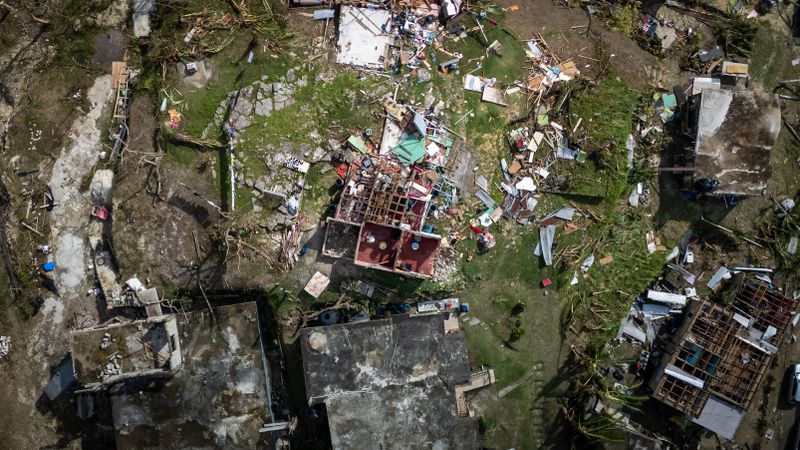
Emergency Roofing in Covington
Read More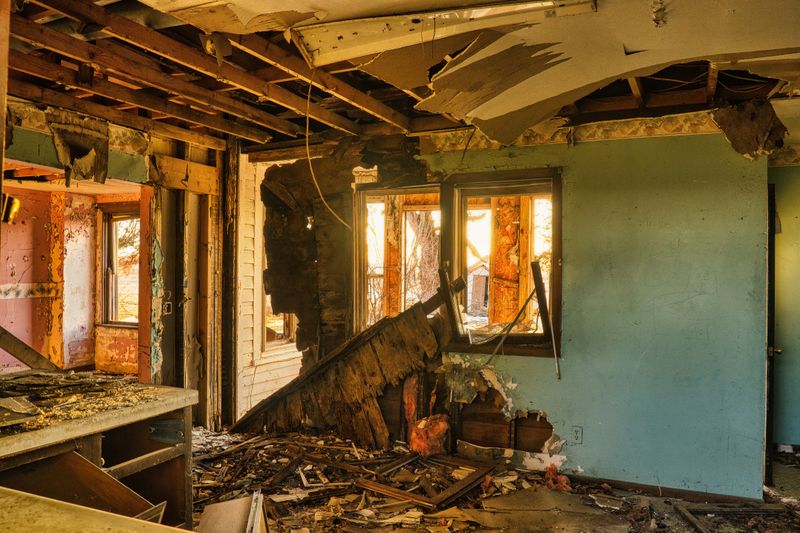
Roof Leak Detection in Covington
Read More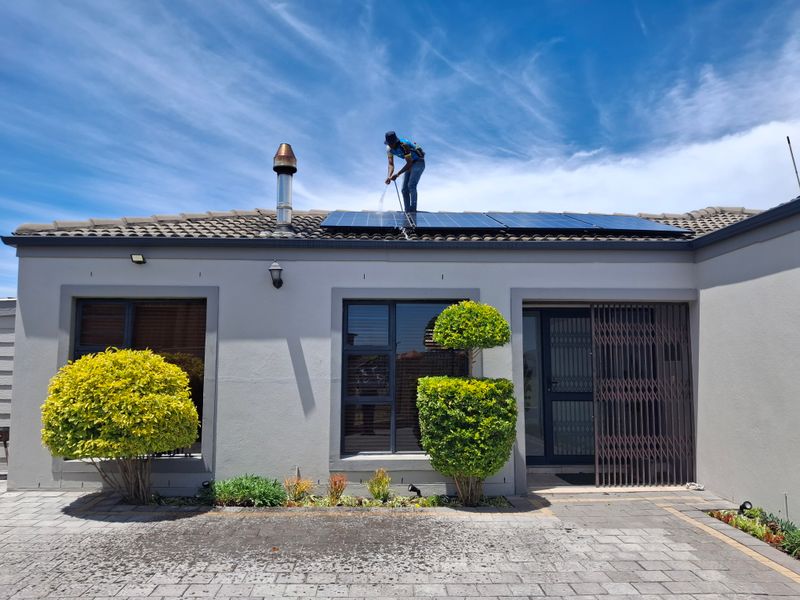
Roof Maintenance in Covington
Read More
Roof Coating in Covington
Read More
Roof Ventilation in Covington
Read More
Roof Weatherproofing in Covington
Read More
Roof Restoration in Covington
Read More
Roof Flashing Repair in Covington
Read More
Fascia Board Installation and Repair in Covington
Read More
Gutters and Downspouts Installation in Covington
Read More
Gutters and Downspouts Repair in Covington
Read More
Siding Installation in Covington
Read More
Asbestos Roof Removal in Covington
Read More
Roof Insurance Claims in Covington
Read More
Soffit Repair in Covington
Read More
Commercial Roof Replacement in Covington
Read More
Commercial Roof Repairs in Covington
Read More
Commercial Roof Inspections in Covington
Read More
Commercial Hail Damage Repair in Covington
Read More
Commercial Re-Roofing in Covington
Read More
Commercial Roof Coating in Covington
Read More
Commercial Elastomeric Coatings in Covington
Read More
Commercial Roof Ventilation in Covington
Read More
Commercial Roof Leak Detection in Covington
Read More
Commercial Siding Installation in Covington
Read MoreCovington Soffit Installation FAQs
What a soffit is actually for, and the one number that separates two quotes which read exactly alike.