



Commercial Roof Repairs in Covington, LA
Big Easy Roofing repairs commercial and low slope roofs across Covington and St. Tammany Parish. A commercial reroof here is permitted by one of two offices in two different towns, and picking up the phone to the wrong one is the fastest way to lose a week. We settle which authority covers the address first, then put the assembly, the fix and the price in writing.
Covington commercial roof repairs at a glance
A commercial roof in Covington is typically low slope, which changes what fails and which code governs it. Since 2025 a commercial re roof also needs its own permit and inspection under state law, and which office issues it depends on which side of the city limit the building sits.
What we repair
Single ply TPO and EPDM, modified bitumen, built up gravel systems, and standing seam or R panel metal. Repairs cover seams and laps, penetrations and curbs, drains and scuppers, parapet and coping details, and storm damage. Call Big Easy Roofing on (504) 800-8196 and we will survey the assembly before quoting.
Which office covers you
Inside the Covington city limits it is the City of Covington Building Permits Office at 317 N Jefferson Avenue. Outside them it is St. Tammany Parish Permits and Inspections, whose office is in Mandeville rather than Covington. The city limit decides it, not the mailing address.
Which code applies
Louisiana R.S. 37:3737(I)(1) sends buildings other than one and two family dwellings to International Building Code Chapter 15, as adopted by the state uniform construction code council. Only (I)(2), the houses, goes to the residential code. Louisiana is on the 2021 editions with state amendments.
City inspection fee
The City of Covington charges $75 per inspection, increased on 18 February 2026, with a business day of notice and inspections run 8am to 4:30pm on weekdays. A re inspection after a failed one is $100, payable before it is scheduled.
The survey
We identify the membrane and its age, walk the drainage to find where water actually stands, check every penetration and curb, and look for wet insulation below the membrane. A repair over saturated insulation is likely to fail again, so it gets found before it is not after.
Warranty
The repair carries our workmanship warranty. Where the membrane is still inside a manufacturer warranty we work to the manufacturer detail rather than against it, because an incompatible patch can void the remaining cover on the whole roof. The terms are the manufacturer's, so we confirm what they require before starting.
Every figure on this page is an estimate, not a quote, and is subject to Big Easy Roofing sign off. Cost and timescale depend on size, pitch, access, weather, materials and whatever is found once work starts, so call Big Easy Roofing on (504) 800-8196 and we will come out and give you an estimate for your own roof.
A commercial roof rarely announces itself the way a house roof does. There is often no attic to stain and no ceiling directly under the deck, so the first sign is a damp patch in an office two bays away from the actual defect, or an insulation board that has been quietly wet for a year. By the time it is visible inside, the assembly below the membrane has generally been holding water for some time.
That is why a commercial repair starts with the drainage rather than the leak. Low slope roofs are designed to move water to a small number of drains or scuppers, and the first thing to check on a repeat repair is whether water is getting there at all: a drain proud of the deck, a scupper blocked since the last storm, or a section that settled and now holds a pond after every rain. Fix the defect and leave the pond, and that seam is the one likeliest to go again.
The second thing that has changed is administrative rather than physical. Under the 2025 state law a commercial reroof now needs its own roofing permit and inspection. In Covington that means one of two offices, one in Covington and one in Mandeville, and which of them applies is settled by the city boundary rather than by the postal address. Getting it wrong is not a technicality: an application to the office that does not cover the building has to be withdrawn and refiled with the office that does, and the roof is not open in the meantime.
Six commercial roof systems and what each is really buying you
The five common low slope systems and the one steep slope commercial covering, with the estimated installed range and the realistic service life on the Gulf coast. Repair options and cost depend on which of the six is up there and how far through its life it is, so the survey identifies the assembly before it prices anything.
| System | Realistic service life here | Where it is right | Where a repair holds |
|---|---|---|---|
| TPO single ply | 15 to 25 years | New buildings, warehouses, most retail | When the field sheet is sound and the failure is at a seam, lap or penetration |
| EPDM rubber | 20 to 30 years | Occupied buildings, low foot traffic | When taped seams have aged out but the field membrane is still supple |
| Modified bitumen | 15 to 25 years | Buildings with rooftop plant and regular foot traffic | When a cap sheet section has failed and the base sheet is still sound |
| Built up (BUR) with gravel | 20 to 30 years | Older commercial and industrial roofs | When flashings and drains have failed rather than the field of the roof |
| Standing seam metal | 30 to 50 years | Long span buildings and canopies, sometimes retail | When a fastener line, a valley or a penetration has failed |
| R panel metal | 20 to 40 years | Warehouses, workshops, agricultural buildings | When exposed fastener washers have aged out and the panel is still sound |
Estimated ranges, not quotes, and none is a specification. Assembly, area and access move all six bands, and a survey settles which repair route is honest against a full re roof or a coating on top. Call (504) 800-8196 and we will identify the assembly and put the fix and the price in writing.
Which office and which code cover a commercial roof here
Nearly everything written about the 2025 Louisiana roofing law describes it as a rule about houses. It is not. The statute has two limbs, and a commercial building is on the other one, which changes the code and the paperwork. On top of that, which office you file with depends on the city limit rather than the postal address.
What actually changed
La. R.S. 37:3737(I) requires every municipality and parish that issues construction permits to permit and inspect roof construction and re roofing. That covers commercial and residential structures alike. The requirement came in through Act 239 of 2025, with the framework moved to its current chapter by Act 881 of 2026.
Your building is on the commercial limb
Subsection (I)(1) sends every building other than a one and two family dwelling to International Building Code Chapter 15, as adopted by the Louisiana State Uniform Construction Code Council. Only (I)(2), the houses, goes to the residential code. Louisiana moved to the 2021 editions with state amendments on 1 January 2023.
Inside the city limits
The City of Covington Building Permits Office at 317 N Jefferson Avenue handles permits inside the limits, on 985.898.4725. The City publishes a Commercial Renovation checklist and a general fee schedule set in the municipal code; inspections are $75 each.
Outside the city limits
The parish office is at 21454 Koop Drive Building B Suite 1B in Mandeville, not Covington. Its hours are 8am to 4pm Monday to Friday and the main line is 985-898-2574. Its published fee schedule is a general one, without a roofing line item.
The two offices are in different towns, and the address decides which one
This is the practical part, and it is easy to underestimate. A Covington postal address does not tell you whether the building sits inside the Covington city limits, because the 70433 and 70435 mailing area extends well beyond the city boundary. That boundary is what decides who permits your commercial reroof, not the postmark.
A commercial owner ringing "the Covington permit office" for a building sitting outside the city limits gets sent to the parish, and the parish office is in Mandeville rather than Covington. The two are in different towns, several miles apart depending on the exact address, so before an application is filed for a commercial reroof it is worth settling which authority is going to receive it. We check the boundary and file with the office that covers the address.
The two offices also keep slightly different hours. The City of Covington Building Permits Office runs inspections 8am to 4:30pm Monday to Friday and wants a business day of notice. The parish office is 8am to 4pm on the same days. Nothing complicated on its own, but worth knowing when a job needs an inspection sequenced against a trading week.
The 25 percent rule is a Florida rule and it is not what triggers an upgrade here
It comes up on commercial work constantly, usually from an owner who has read that repairing more than a quarter of the roof forces a full replacement. That idea comes from Section 706 of the Florida Building Code, Existing Building, which carries its own conditions and applies in Florida. Louisiana is on the International codes and has no equivalent percentage trigger.
What decides it on a commercial roof here is the scope of work and the permit itself. Once the office issuing the permit classes the job as a re roof it is permitted and inspected on the Chapter 15 route, whatever fraction of the area that happens to be. The useful question is not what percentage you are replacing, it is whether the office is going to class the work as a re roof, and that is answerable before you start.
There is a real percentage rule the state does carry, and it catches people out because it sounds like the Florida one. Under federal flood requirements adopted locally, work counts as substantial improvement once its cost reaches 50 percent of the market value of the structure, for buildings inside a Special Flood Hazard Area. That is a federal flood rule rather than a roofing rule, it measures the value of the work against the value of the building rather than the area of the roof, and it only applies in the flood zone. If the building sits in a Special Flood Hazard Area, settle where the work stands against that threshold with the office that permits the building before the scope is fixed rather than after.
What fails first on a Northshore commercial roof
Three patterns come up on low slope roofs in a Gulf coast climate that sits under a good deal of canopy. Each one is a reason a previous repair did not last, and each is fixable, but only if the thing causing it is fixed at the same time rather than patched over.
Standing water on a roof that never had the fall it needed
A low slope roof is not a flat roof, and the difference is drainage. Where a deck has settled, an insulation layer has compressed, or a drain sits slightly proud of the surface, water stops moving and stays. In sustained Gulf heat that pond then cooks the membrane above it, and a seam that might otherwise have had years left in it can go early.
The tell is a dark ring on the membrane that is still visible when the roof is dry. A repair inside that ring without correcting the fall is a repair with a known expiry date, so we price the drainage correction beside the patch and let you choose with both numbers in front of you.
Seams and laps giving up before the field of the membrane does
Single ply roofs typically fail where two sheets meet rather than in the middle of a sheet, because that is where the heat welding, the adhesive or the tape has to do the work. Twenty years of Gulf humidity, thermal movement and ultraviolet ages a lap faster than the field, and an older EPDM roof with taped seams is a typical example.
That is good news commercially. A membrane with sound field sheets and failing laps can often be repaired or re covered rather than torn off, which can cost less than a full replacement. Which of the two applies is settled by surveying the assembly.
Debris load on a roof under Northshore canopy
A commercial roof drains through a small number of outlets, and every outlet is a restriction. On the Northshore the same mature canopy that helps a building stay cool also drops leaves and small twigs across the roof every autumn, and one blocked scupper is enough to turn a rainstorm into a pond that never leaves.
The tell is a water line above the outlet at the edge of a ponded area. Clearing it is quick and cheap. Repeating the pond after every storm without dealing with the outlet is the loop that turns a solvable problem into a wet insulation problem, which is the one that gets expensive.
Big Easy Roofing Process
Four steps. The first two happen before anyone quotes a price, because on a commercial roof the expensive mistake is repairing the leak and leaving the reason for it, and the second expensive mistake is filing with the wrong office.

Survey the assembly and the drainage
We identify the membrane and its age, walk the falls to find where water actually stands, check every penetration, curb, drain and parapet detail, and look for wet insulation under the membrane. You keep the photographs whether or not you use us.
Settle which office covers the address
We check the building against the city limit map so we know whether the permit goes to the City of Covington at 317 N Jefferson Avenue or to St. Tammany Parish at 21454 Koop Drive in Mandeville. On a commercial reroof the two do different things.
Written scope, with the drainage priced separately
You get the defect named, the fix described and the price in writing, with any drainage or insulation correction priced as its own line so you can see what is a patch and what is a cure, and decide accordingly.
Repair, photograph, and keep you trading
Work is sequenced around your opening hours where it can be, noisy and disruptive stages flagged in advance, the finished detail photographed, and the site left clear. Call (504) 800-8196 to get the survey booked.
Everything else we do in Covington
The rest of the Big Easy Roofing services available in Covington, each with its own page, crew and written scope. Where a commercial roof is holding water after a repair, a coating or a full re roof is usually the next thing worth pricing, so ask us to compare the two on the same visit.
Roof Replacement in Covington
Read More
Roof Repairs in Covington
Read More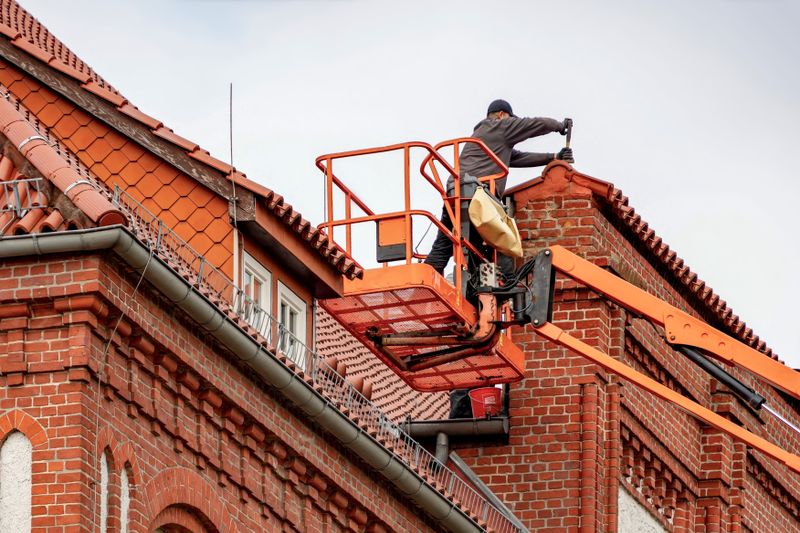
Roof Inspection in Covington
Read More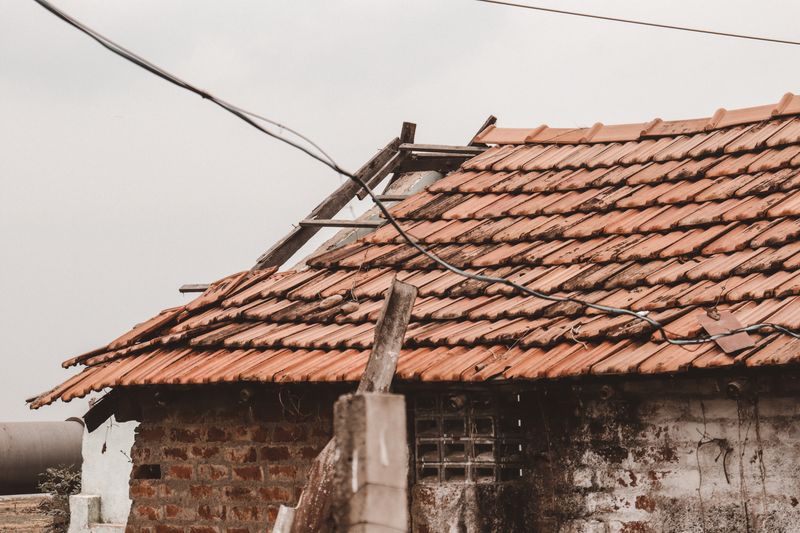
Hail Damage Roof Repair in Covington
Read More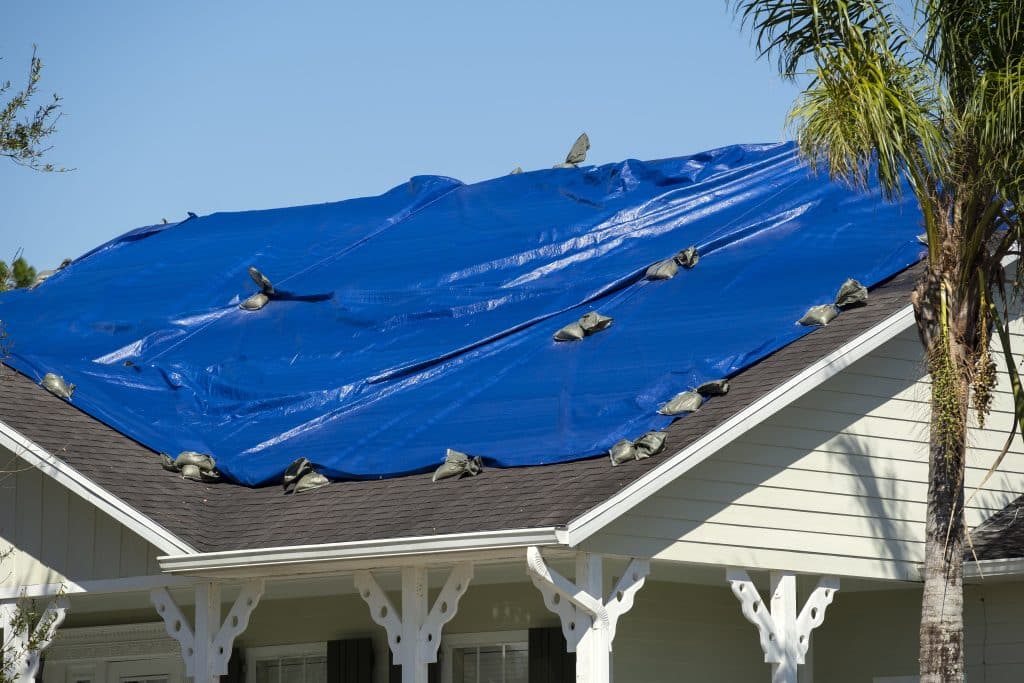
Storm Damage Roof Repair in Covington
Read More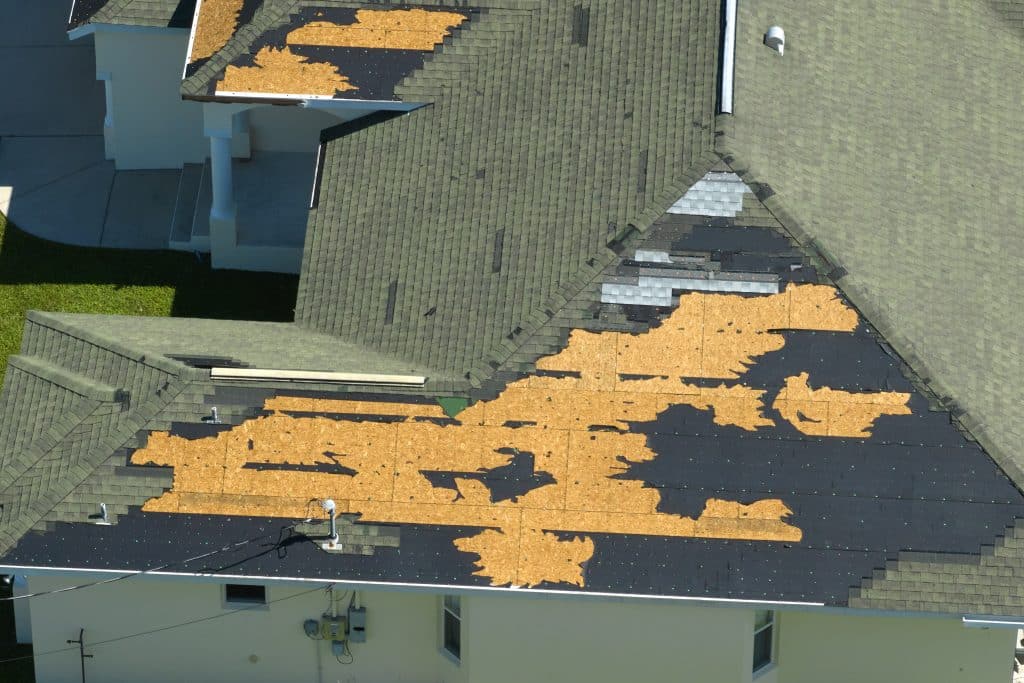
Storm Damage Emergency Response in Covington
Read More
Emergency Roofing in Covington
Read More
Roof Leak Detection in Covington
Read More
Roof Maintenance in Covington
Read More
Roof Coating in Covington
Read More
Roof Ventilation in Covington
Read More
Roof Weatherproofing in Covington
Read More
Roof Restoration in Covington
Read More
Roof Flashing Repair in Covington
Read More
Fascia Board Installation and Repair in Covington
Read More
Gutters and Downspouts Installation in Covington
Read More
Gutters and Downspouts Repair in Covington
Read More
Siding Installation in Covington
Read More
Asbestos Roof Removal in Covington
Read More
Roof Insurance Claims in Covington
Read More
Soffit Installation in Covington
Read More
Soffit Repair in Covington
Read More
Commercial Roof Replacement in Covington
Read More
Commercial Roof Inspections in Covington
Read More
Commercial Hail Damage Repair in Covington
Read More
Commercial Re-Roofing in Covington
Read More
Commercial Roof Coating in Covington
Read More
Commercial Elastomeric Coatings in Covington
Read More
Commercial Roof Ventilation in Covington
Read More
Commercial Roof Leak Detection in Covington
Read More
Commercial Siding Installation in Covington
Read MoreCovington Commercial Roof Repairs FAQs
The questions worth asking before a commercial roof repair in Covington is priced, answered before you have to pick up the phone.
Topic
Question not here?
Ask us anything about your Covington commercial roof. No charge and no obligation.
Call (504) 800-8196How much does a commercial roof repair cost in Covington
It depends on the assembly and on what is under the membrane, so we survey before quoting rather than pricing over the phone. On the permit side, the City of Covington charges $75 per inspection since 18 February 2026 and processes commercial work through its Commercial Renovation route, with the permit fee itself set in the municipal code. The parish route is priced from its general commercial schedule rather than a roofing line. Both are permit side costs, not the cost of the roof itself.
Does a commercial re roof need a permit here
Yes. La. R.S. 37:3737(I), introduced by Act 239 of 2025 and renumbered by Act 881 of 2026, requires parishes and municipalities that issue construction permits to permit and inspect roof construction and re roofing, and Covington and St. Tammany both do. Which office you file with depends on whether the building sits inside the Covington city limits.
My building has a Covington address, so which office issues the permit
Not necessarily the City of Covington. The Covington postal area extends well beyond the city boundary, and the unincorporated part is permitted by St. Tammany Parish. The parish office is in Mandeville rather than Covington, so a call to "the Covington permit office" for a building outside the limits ends in the wrong town. It is worth settling the boundary question before an application is filed.
Which building code applies to a commercial roof in Louisiana
International Building Code Chapter 15. La. R.S. 37:3737(I) splits it explicitly: subsection (I)(1) sends buildings other than one and two family dwellings to IBC Chapter 15, and only (I)(2) sends houses to the residential code. Louisiana is on the 2021 editions with state amendments.
Does the 25 percent rule apply to a commercial roof here
No. It is Section 706 of the Florida Building Code, Existing Building, and Louisiana is on the International codes with no equivalent percentage trigger. On a commercial roof what matters is whether the office issuing the permit classes the work as a re roof, because that is what puts it on the Chapter 15 permit and inspection route.
What is the difference between commercial and industrial roofing
Mostly scale, access and what the roof is carrying. Commercial usually means a low slope membrane over an occupied building: shops, offices, churches, apartment blocks. Industrial tends to mean larger areas, more rooftop plant, and sometimes chemical or heat exposure that rules out particular membranes. The permit route is the same for both, because the statute divides on whether it is a one and two family dwelling, not on the trade the building is used for.
What happens if you find wet insulation below the membrane
We stop, itemise the affected area on an amended scope, and get it signed before carrying on. Patching a membrane over saturated insulation is a patch with a known expiry date, so it is called out rather than covered up. Where the wet area is small and localised it is dealt with as part of the repair; where it is widespread the honest conversation is about a re roof rather than a repair.
Can you repair the roof while we stay open
Usually yes. Commercial repairs are normally worked around your trading hours, with the noisy and disruptive stages flagged in advance so you can plan around them. Where work has to happen outside normal hours we say so and price it separately rather than adding it to your invoice later.
Get a written commercial roof scope before you pick an office
We survey the assembly and the drainage, check which authority covers the address, and put the defect, the fix and the price in writing before anything starts. If you would rather start in writing, tell us what the job involves and we will come back with an estimate.
Call (504) 800-8196