




Hail Damage Roof Repair in Covington, LA
Big Easy Roofing assesses and repairs hail damaged roofs across Covington and St. Tammany Parish. Hail damage is one kind of roof damage that is routinely invisible from the driveway and that often leaks nothing at all in the first year, which is exactly why it is judged by counting impacts rather than by looking at the roof.
Covington hail damage repair at a glance
A hail repair is estimated at $350 to $1,500, the same band as any other residential roof repair, because the repair itself is ordinary work. What is not ordinary is the assessment, which is done by counting impacts in a marked test square rather than by judging the roof by eye.
Estimated repair cost
The same band as our other residential repairs in Covington, because replacing damaged courses and reflashing is the same work whatever caused it. Call Big Easy Roofing on (504) 800-8196 and we will assess the roof before quoting.
Who permits a replacement
A hail repair is a repair and is not the reroofing the 2025 rule names. Where the damage takes the job to a full replacement it becomes a permitted, inspected reroof through either the City of Covington inside the limits or St. Tammany Parish outside them.
How hail is judged
A marked ten foot by ten foot square is counted on each slope, and the count and the slope are recorded together. That is a measurement anyone can check, which a general impression of the roof is not.
If a replacement is needed
The estimated band for an asphalt replacement on a Covington house, carried across from our replacement page unchanged. Hail takes a roof into that territory when the covering is broken across several slopes rather than in one place.
What you get either way
Every slope photographed with time and location stamps before anything is moved, the impact counts written down, and the pack handed to you whether or not you use us.
What we do not do
Louisiana law restricts what a roofing contractor may tell you about your own insurance cover, and we keep to that. We describe the damage and price the work. Coverage is a question for your insurer.
Every figure on this page is an estimate, not a quote, and is subject to Big Easy Roofing sign off. Cost and timescale depend on size, pitch, access, weather, materials and whatever is found once work starts, so call Big Easy Roofing on (504) 800-8196 and we will come out and give you an estimate for your own roof.
Hail is different from every other kind of roof damage because the thing it breaks is not the thing you can see. A hailstone that strikes an asphalt shingle hard enough can fracture the mat inside it while leaving the surface looking close to normal, and it can knock the granules off a patch that then weathers far faster than the shingle around it. Neither shows from the ground, and neither necessarily leaks for a long time.
That is why hail is assessed by counting rather than by looking. A square is marked out on each slope, the impacts inside it are counted, and the count is recorded against that slope. A roof with a scattering of marks across one face is a very different proposition from a roof carrying a consistent count on every face, and the difference between them is a number rather than an opinion. Anyone can recount it afterwards, which is the point of doing it that way.
What actually counts as hail damage and what gets mistaken for it
Half of assessing a hail roof is ruling things out. The table separates genuine impact damage from the marks that look like it, because a roof condemned on the wrong evidence helps nobody and a roof cleared on a quick look helps nobody either.
| What is found | What it means | Counts as impact damage | How it is told apart |
|---|---|---|---|
| Bruising, a soft spot with a fractured mat | The shingle is structurally broken | Yes | Felt as a give underfoot or under a thumb. The surface may look almost normal |
| Granule loss in a defined circular patch | Asphalt exposed, that spot ages faster | Yes | A sharp round edge. Weathering loses granules gradually and evenly instead |
| Dents in gutters, vent caps and flashings | Corroborates the event and the stone size | Supporting evidence | Soft metals dent where a shingle may not show anything at all |
| Blistering, small raised bumps that popped | A manufacturing or ventilation fault | No | Random across the whole roof including sheltered slopes, and no matching metal damage |
| Scuffs and scrapes in a line or a path | Foot traffic or a fallen branch | No | Follows a route across the roof. Hail lands where the wind puts it, not in a path |
| Bare patches along the eaves only | Wear from run off, or an old repair | No | Confined to one edge rather than distributed across the slope |
The count is taken per slope and recorded per slope, because the direction the storm came from decides which faces took it. A roof with impacts on one face and none on the sheltered face is behaving exactly as hail behaves. A roof with even damage on every face including the sheltered one is usually telling you about something other than hail, and that is worth knowing before anything is claimed or replaced. Call (504) 800-8196 and we will count it and put the numbers in writing.
Why this page will not tell you what your insurance covers
A page like this would normally lead with claim handling. This one cannot, and the reason is worth understanding rather than skipping over, because it also changes what you should expect from any roofer who arrives at your door after a hailstorm offering to take the whole thing off your hands.
Louisiana restricts what we may say
La. R.S. 37:2159.1 limits what a roofing contractor may tell a homeowner about their own insurance cover. A contractor who assures you on the doorstep that hail damage is covered, or that your deductible can be taken care of, is not doing you a favour.
So we document instead
Every slope photographed with time and location stamps, the impact counts recorded against each slope, and the soft metal damage photographed alongside. The pack is yours to use however you need. What your insurer makes of it is between you and them.
The photographs also matter to the permit
Where hail takes the job into a full reroof, the work becomes permitted. R.S. 37:3737(H) allows a code enforcement officer to accept location verified geotagged photographs for the inspection, so the photograph set the homeowner wants and the set the office may want are usually the same photographs.
Which makes the order of events matter
Once a roof is stripped, nobody can go back and photograph what was on it. That is a documentation problem for the homeowner and, on a permitted reroof, a gap in the file the inspection is built from.
Hail damage is not an emergency, and that is the trap
A hail damaged roof frequently does not leak. The mat is fractured and the granules are gone from a patch, and the shingle above still sheds water for a season or several. Nothing drips, nothing stains, and the natural conclusion is that the roof came through it.
What has actually changed is the rate at which that roof ages. Exposed asphalt weathers far faster than a granular surface, and a fractured mat has lost the strength it was relying on. So the damage is real and the consequence is deferred, which is the worst combination for getting it looked at.
Being careful about who you let on the roof
A hailstorm brings people to the door, and some of them were not on the Northshore the week before. Check the contractor is licensed by the Louisiana State Licensing Board for Contractors, get the price in writing with the date on it, and do not sign anything that assigns your claim or your benefits to the contractor.
Be wary in particular of anyone who wants to get on the roof before anything is photographed. Foot traffic marks a roof, and a roof that has been walked before it was recorded is a roof whose evidence is now harder to read.
Hail on the Northshore arrives in a different season from the wind
The two things that damage roofs here do not turn up at the same time of year, which is why a house can take two unrelated hits in one twelve month period and why an annual inspection is worth more here than a post storm one alone.
The hail season is spring
National Weather Service Storm Prediction Center records put Louisiana hail firmly in spring, with March, April and May carrying the great majority of recorded events. It arrives with the squall lines that form when Gulf moisture meets a strong front, which is a completely different mechanism from a tropical system.
The practical consequence is that the roof inspection people book after hurricane season is looking for the wrong damage six months late. Hail that fell in April has had a summer to weather before anybody goes up to look at it.
Which is why a roof can take two hits in a year
A house here can be struck by spring hail and then by an autumn tropical system inside the same twelve months, and the two leave completely different marks. That is not one event with two symptoms, it is two events, and the gap between them is long enough that the first is weathering by the time the second arrives.
Which is the argument for looking at the roof twice rather than once. An inspection booked after hurricane season is the wrong instrument for finding hail that fell in April. The storm damage page covers the wind side.
Older Northshore housing stock, older coverings
A roof at the end of its service life and a roof damaged by hail can look similar from the ground and are not the same thing, and telling them apart honestly matters more than either finding on its own.
Where a covering is simply old, we will say so rather than describe age as impact damage. Where hail has genuinely broken an older covering, the age of the roof does not make the damage less real. Both of those go in the written assessment, and neither is a comment on what any insurer will do with it.
Big Easy Roofing Process
Three steps, and nothing is moved, walked or stripped until the roof has been photographed and the impacts counted.

Photograph first, then count
Every slope photographed with time and location stamps before anything is touched, then a test square marked on each slope and the impacts counted and recorded against that slope. Gutters, vent caps and flashings photographed as corroborating evidence.
Written assessment, damage separated from age
Each finding named, each impact count stated per slope, and anything that is wear, blistering or foot traffic rather than hail called what it is. You get the reasoning and the photographs whether or not you use us.
Repair or replacement, priced in writing
A repair priced against the damaged courses and flashings, or a replacement priced as a permitted reroof filed with the office that covers your address. Call (504) 800-8196 to book the assessment.
Everything else we do in Covington
The rest of the Big Easy Roofing services available in Covington, each with its own page and written estimate. Where hail has broken the covering across several slopes the job becomes a replacement rather than a repair, and where wind was the larger part of the event the storm damage page is the better starting point.
Roof Replacement in Covington
Read More
Roof Repairs in Covington
Read More
Roof Inspection in Covington
Read More
Storm Damage Roof Repair in Covington
Read More
Storm Damage Emergency Response in Covington
Read More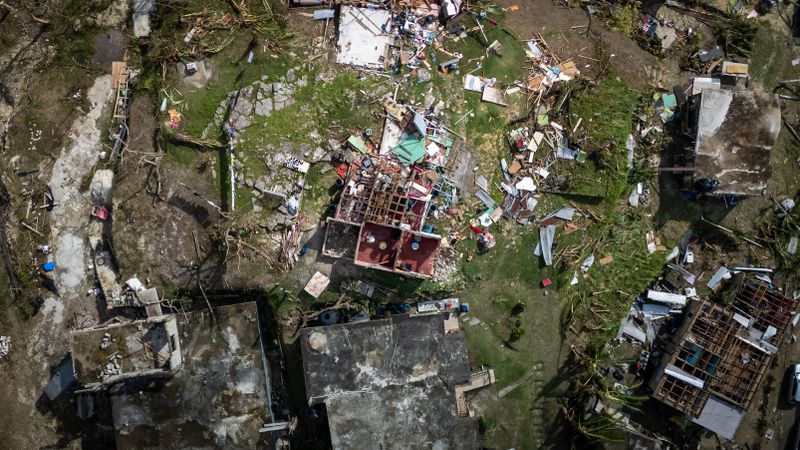
Emergency Roofing in Covington
Read More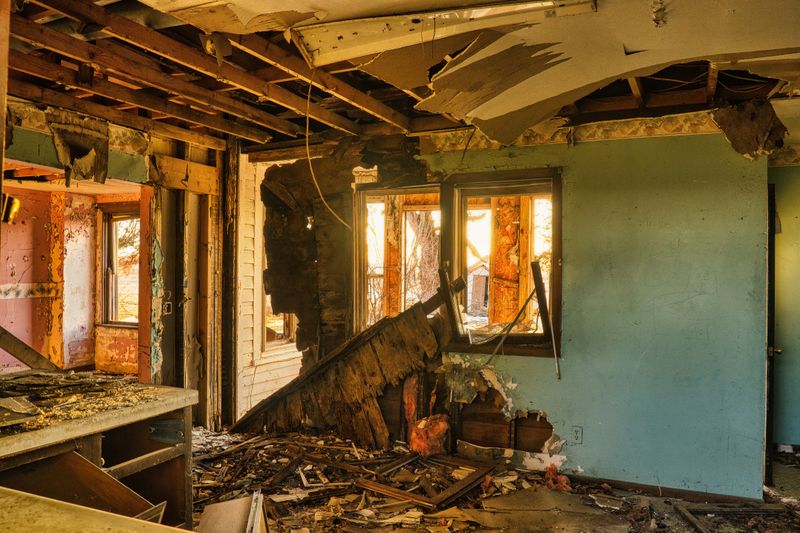
Roof Leak Detection in Covington
Read More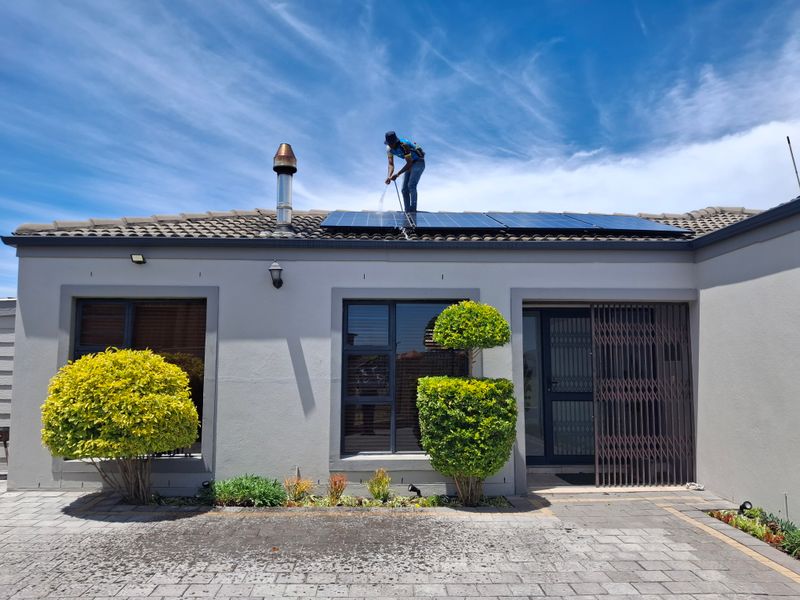
Roof Maintenance in Covington
Read More
Roof Coating in Covington
Read More
Roof Ventilation in Covington
Read More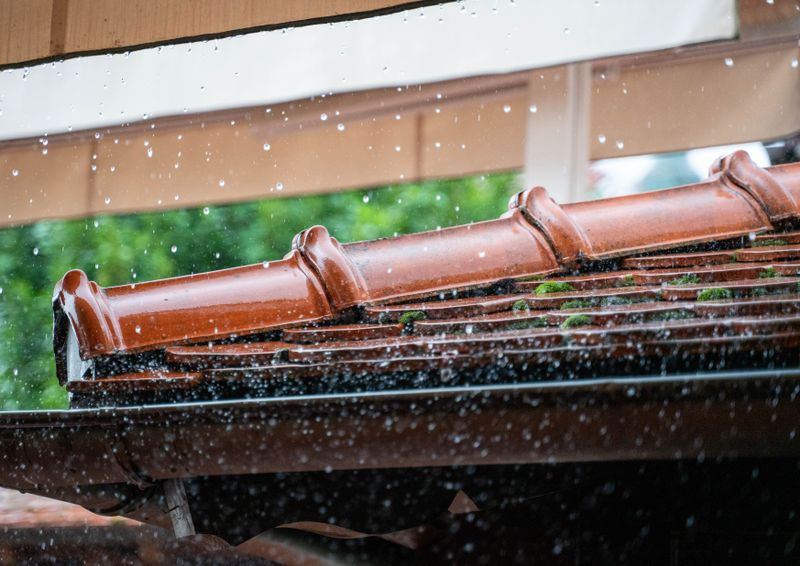
Roof Weatherproofing in Covington
Read More
Roof Restoration in Covington
Read More
Roof Flashing Repair in Covington
Read More
Fascia Board Installation and Repair in Covington
Read More
Gutters and Downspouts Installation in Covington
Read More
Gutters and Downspouts Repair in Covington
Read More
Siding Installation in Covington
Read More
Asbestos Roof Removal in Covington
Read MoreRoof Insurance Claims in Covington
Read More
Soffit Installation in Covington
Read More
Soffit Repair in Covington
Read More
Commercial Roof Replacement in Covington
Read More
Commercial Roof Repairs in Covington
Read More
Commercial Roof Inspections in Covington
Read More
Commercial Hail Damage Repair in Covington
Read More
Commercial Re-Roofing in Covington
Read More
Commercial Roof Coating in Covington
Read More
Commercial Elastomeric Coatings in Covington
Read More
Commercial Roof Ventilation in Covington
Read More
Commercial Roof Leak Detection in Covington
Read More