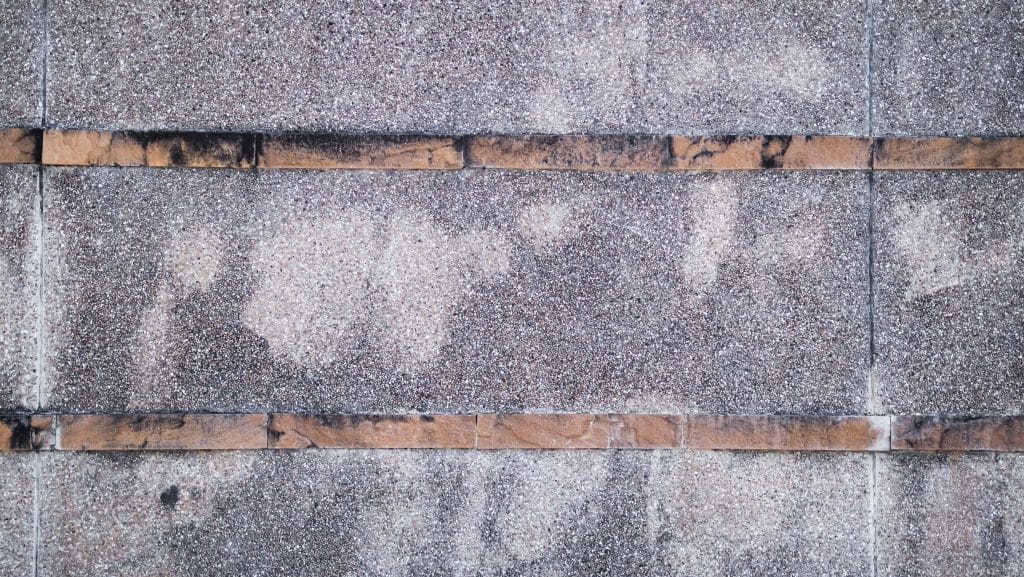




Commercial Roof Replacement in Covington, LA
Big Easy Roofing replaces low slope commercial roofs across Covington and St. Tammany Parish. On a commercial roof the membrane is the part everyone quotes and the insulation under it is where the money and the risk actually sit, so the first thing we settle is whether the existing assembly comes off or stays.
Covington commercial roof replacement at a glance
A commercial replacement is priced on area, assembly and what is found when the membrane comes up, so it is surveyed before it is quoted rather than priced from a plan. The permit is either City-issued or Parish-issued depending on which side of the Covington city limits the building sits.
What we replace
Single ply TPO and PVC, EPDM, modified bitumen, built up systems and standing seam metal. Call Big Easy Roofing on (504) 800-8196 and we will survey the roof before quoting.
Which office covers you
Inside the Covington city limits the City of Covington Building Permits Office at 317 N Jefferson Avenue permits the work. Outside them it is St. Tammany Parish Permits and Inspections, whose office is in Mandeville rather than Covington. The address decides the route before anything else does.
Which code applies
La. R.S. 37:3737(I), introduced by Act 239 of 2025 and renumbered by Act 881 of 2026. Subsection (I)(1) routes every building that is not a one or two family dwelling to International Building Code Chapter 15, the roof assemblies chapter, as adopted with Louisiana amendments.
How the fee is set
The City of Covington charges $75 per inspection since 18 February 2026 and processes commercial work through its commercial route, with the permit fee itself confirmed with the office at file. The parish route is priced from its general commercial schedule rather than a roofing line. Both are permit side costs, not the cost of the roof itself.
What decides the price
Membrane cost per square foot varies far less between systems than the cost of what is underneath it. Saturated insulation found at tear off is the largest single variable on a commercial replacement, which is why we measure it before quoting rather than after.
Warranty
Our workmanship warranty covers the installation. The membrane manufacturer issues its own warranty on the system, on its own terms, usually after its own inspection and only where the installer holds its approval. They are separate documents and one does not stand in for the other.
Every figure on this page is an estimate, not a quote, and is subject to Big Easy Roofing sign off. Cost and timescale depend on size, pitch, access, weather, materials and whatever is found once work starts, so call Big Easy Roofing on (504) 800-8196 and we will come out and give you an estimate for your own roof.
A commercial roof is an assembly rather than a covering. Deck, vapour control, insulation, cover board, membrane and every flashing and penetration through it are one system, and a replacement is the only moment when the parts below the membrane can be corrected at all. That is why a replacement quote that names only a membrane is describing a fraction of the job it is pricing.
The decision that sets everything else is whether the existing roof comes off. A recover lays a new membrane over what is there, which is quicker and cheaper, and it cannot take water out of the assembly. That is also why the code does not permit a recover where the existing roof is water soaked or too deteriorated to build on. A tear off takes the assembly back to the deck, which costs more, takes longer and is the only version that lets anyone see the deck. Neither is automatically right. What settles it is the condition of the insulation, the number of coverings already on the building, and what the deck is doing at the perimeter.
The assemblies we replace and what each one is for
Five systems account for the bulk of low slope commercial roofing. The table sets out what each is suited to and where each tends to be chosen, so a quote can be read against the building rather than against a brand name.
| Assembly | What it suits | Typical service life | What to watch |
|---|---|---|---|
| TPO single ply | Large open roofs, reflective surface wanted | 20 to 30 years | Seam quality is the whole system. Welded seams are only as good as the day they were run |
| PVC single ply | Kitchens, plant rooms, grease or chemical exposure | 20 to 30 years | Costs more than TPO and is the reason it is specified where grease is present |
| EPDM rubber | Simple roofs, long track record wanted | 20 to 30 years | Black surface absorbs heat, so it is a poorer fit where cooling load matters |
| Modified bitumen | Smaller roofs, foot traffic, complex detailing | 15 to 20 years | Multi ply and forgiving to detail, but heavier and slower to install |
| Standing seam metal | Sloped commercial roofs, long life wanted | 40 to 60 years | Highest cost, longest life. Movement and fastener detailing decide whether it lasts |
Service life ranges are what these systems are generally specified to achieve, not a promise about any particular roof, and the figure depends far more on detailing, drainage and maintenance than on the choice of membrane. We do not publish square foot pricing for commercial work because the area, the assembly and the condition of the insulation move it too far for a range to mean anything. Call (504) 800-8196 and we will survey the roof and put the specification and the price in writing.
Since 2025 a commercial reroof here leaves two separate records
This part has changed and may not yet be familiar to every building owner. A Covington commercial replacement now generates a permit file and a manufacturer warranty file covering the same roof, at the same stages, to different requirements. Plan for both at the start, and ask for any documentation cost to be named on the quote.
The permit route
Act 239 of 2025 requires any parish or municipality that issues construction permits to permit and inspect roof construction and reroofing. For a building that is not a one or two family dwelling the code named is International Building Code Chapter 15.
Either office may accept photographs
The statute allows a code enforcement officer to accept location verified geotagged photographs or video for roofing inspections. Whether the City of Covington or St. Tammany Parish takes that up on a given commercial job is settled at the survey rather than assumed beforehand.
The warranty is a separate record
A system warranty on a single ply roof is issued by the membrane manufacturer, usually after its own inspection and only where the installer holds its approval. It is not the same document as the permit file and neither one satisfies the other.
Which is an argument for settling both first
Both records are made from work that is only visible while the roof is open. Deciding at the survey who photographs what, and to whose requirements, costs nothing. Reconstructing it after the membrane is welded down is not possible.
Two permit routes, and the address decides which
The commercial reroof rule applies wherever the building sits, but the route through the paperwork depends on which side of the Covington city limits the property is. Inside the limits it is the City of Covington. Outside them it is St. Tammany Parish, whose office is in Mandeville rather than Covington despite the shared PO Box town.
On a commercial reroof that is worth settling before anything is filed rather than after. An application to the office that does not cover the building has to be withdrawn and refiled with the office that does, and the roof is not open in the meantime.
What a recover leaves behind
A recover is a legitimate choice and it is often the right one. What it cannot do is remove water. Insulation that is already saturated stays saturated under the new membrane, keeps its weight, keeps its reduced thermal value, and keeps working on the deck underneath where nobody can see it.
It also matters how many coverings the building already carries, because the reroofing provisions of the code limit how many can be laid over one another. Where the count is unclear from the roof itself, a core cut settles it, and that is a small job compared with finding out at the wrong moment.
Replacing a roof over a building that is still open
A commercial replacement usually has to be carried out over people who are still working, trading or worshipping underneath it. That constraint shapes the programme more than the membrane choice does, and it is worth being explicit about it before a start date is agreed rather than after.
Dry in every day, not every phase
The rule that governs an occupied replacement is that whatever is opened is closed and watertight before the crew leaves. That sets the size of each day area, and it is why an occupied roof takes longer than the same area on an empty building.
It also means the programme has to carry weather contingency honestly. A phase plan that assumes clear days between June and September on the Northshore is a plan that will move, so it is better to build the float in at the start than to explain it later.
Rooftop plant is part of the roof
Condensers, ducts, kitchen exhaust and their curbs and supports all pass through the membrane, and each penetration is a detail that has to be reflashed rather than worked around. Units that need lifting or temporary isolation belong in the programme with the mechanical contractor named, not discovered on the day.
Grease from a kitchen exhaust is the specific case worth raising early, because it rules certain membranes out rather than merely shortening their life, and it is a common reason a like for like replacement is the wrong specification.
Drainage is the cheapest thing to fix and the easiest to skip
A replacement is the one opportunity to correct falls, add outlets and deal with ponding, and it is the part most quotes leave silent because it adds cost to a competitive number. Standing water is not automatically a defect, but water still on a roof long after the rain has stopped is telling you something about the falls or the outlets.
Tapered insulation, additional outlets or overflow provision are separate lines on a proper scope. Ask for them to be priced even if the decision is to leave them, because a quote that never mentions drainage has priced the membrane and not the roof.
Big Easy Roofing Process
Four steps, and the survey happens before any number is written down, because on a commercial roof the price follows what is under the membrane.

Survey the assembly, not the surface
Area measured, membrane and flashing condition recorded, drainage and ponding noted, penetrations counted, and core cuts taken where the build up or the moisture content is not obvious from above. Photographed throughout.
Tear off or recover, decided on evidence
The recommendation is made from the core cuts, the number of existing coverings and the condition of the deck at the perimeter, and you get the reasoning rather than the verdict. Where a recover is viable we will say so.
Specification and price in writing
Membrane, insulation, cover board, attachment and every flashing detail listed separately, with the drainage priced as its own line and a stated position on what happens if further saturated insulation is found once work starts.
Permit, install, and both records closed
Permit filed with the office that covers the address, the photograph set built as the work proceeds, the manufacturer inspection arranged where a system warranty is being issued, and both files handed over. Call (504) 800-8196 to book the survey.
Everything else we do in Covington
The rest of the Big Easy Roofing services available in Covington, each with its own page and scope of work. A replacement is the point at which drainage, insulation and rooftop penetrations can all be corrected at once, so it is worth reading the drainage and ventilation pages alongside this one.
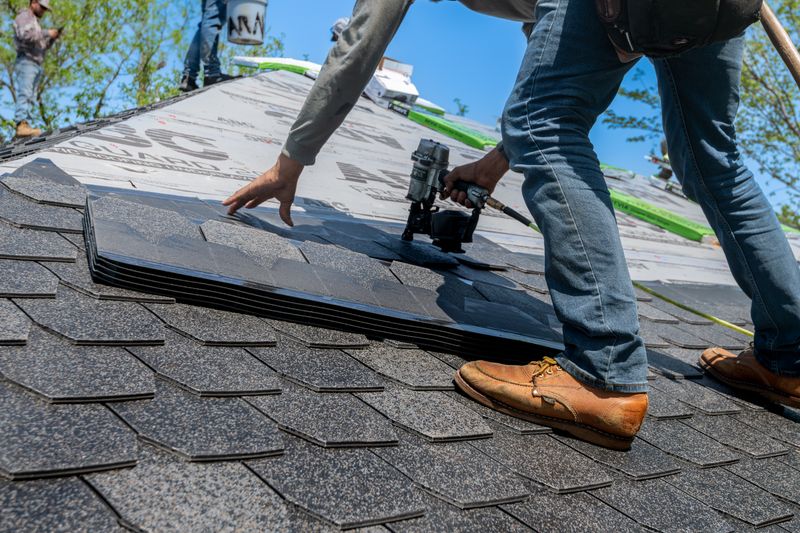
Roof Replacement in Covington
Read More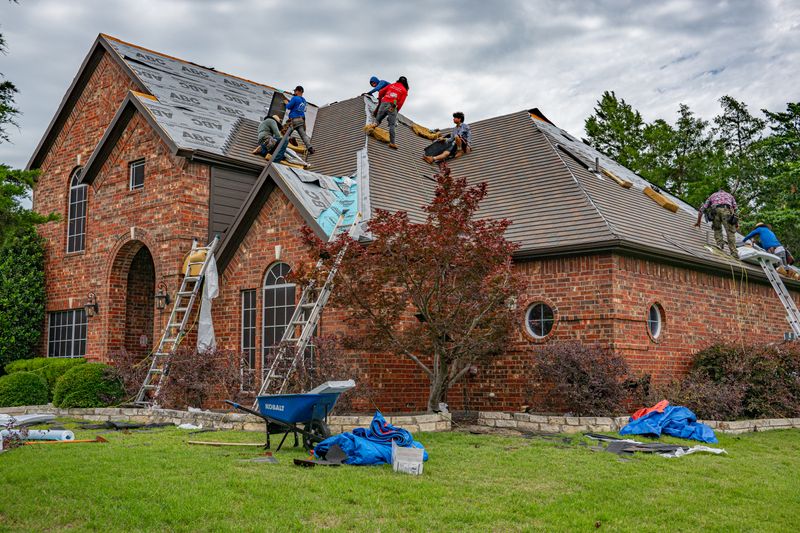
Roof Repairs in Covington
Read More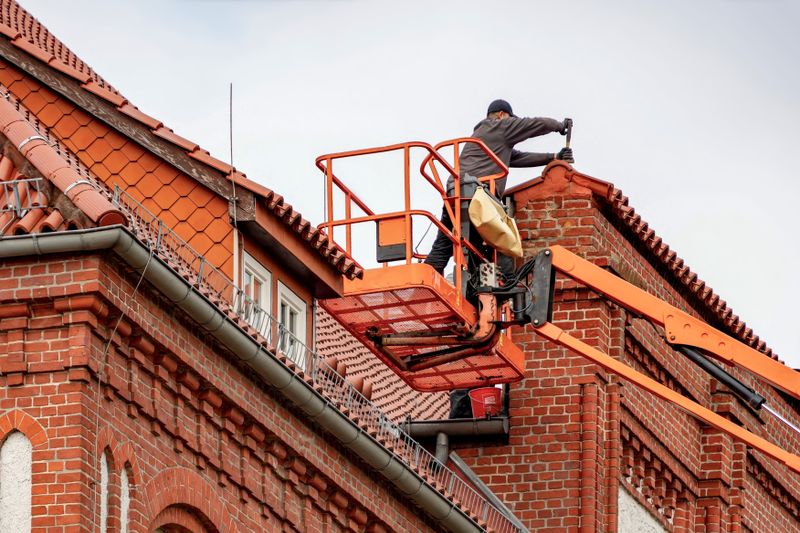
Roof Inspection in Covington
Read More
Hail Damage Roof Repair in Covington
Read More
Storm Damage Roof Repair in Covington
Read More
Storm Damage Emergency Response in Covington
Read More
Emergency Roofing in Covington
Read More
Roof Leak Detection in Covington
Read More
Roof Maintenance in Covington
Read More
Roof Coating in Covington
Read More
Roof Ventilation in Covington
Read More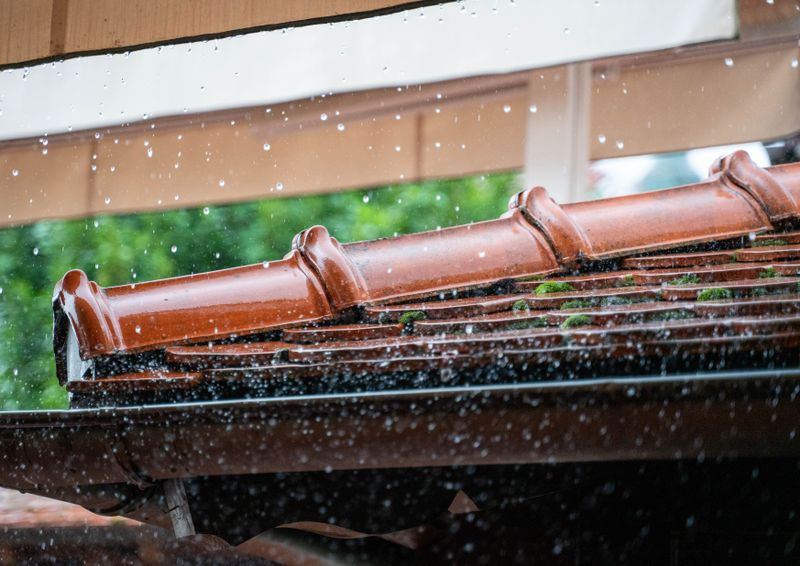
Roof Weatherproofing in Covington
Read More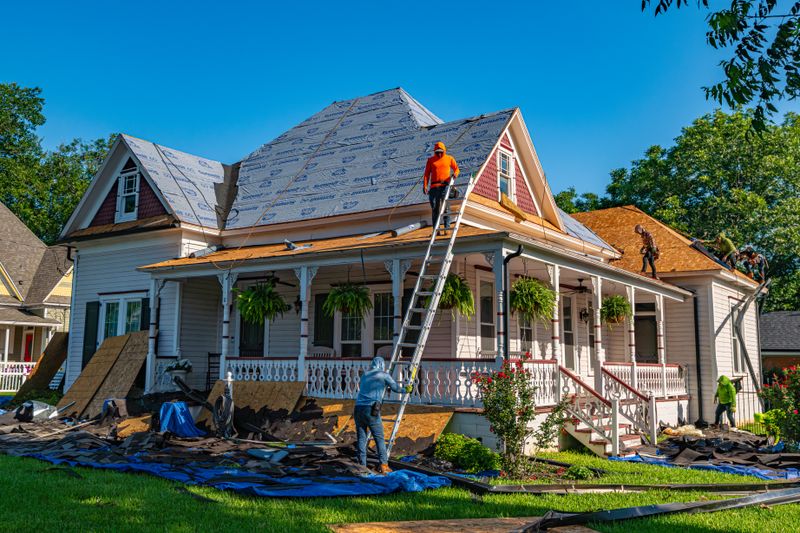
Roof Restoration in Covington
Read More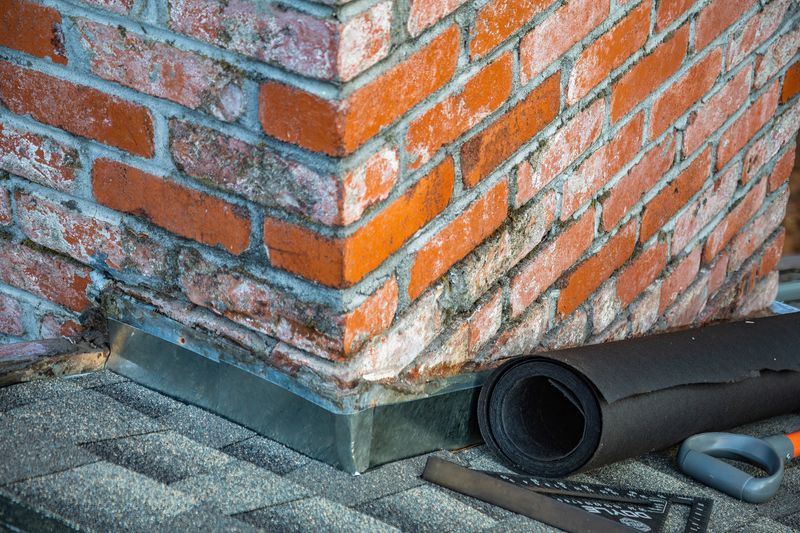
Roof Flashing Repair in Covington
Read More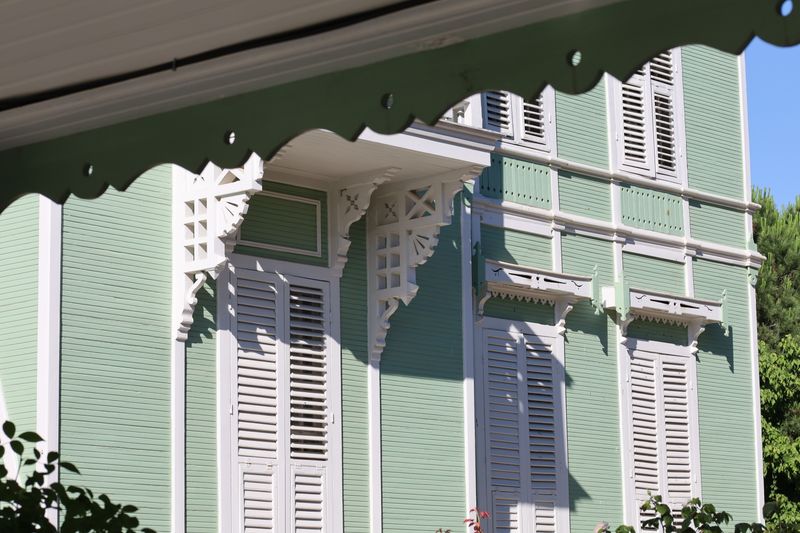
Fascia Board Installation and Repair in Covington
Read More
Gutters and Downspouts Installation in Covington
Read More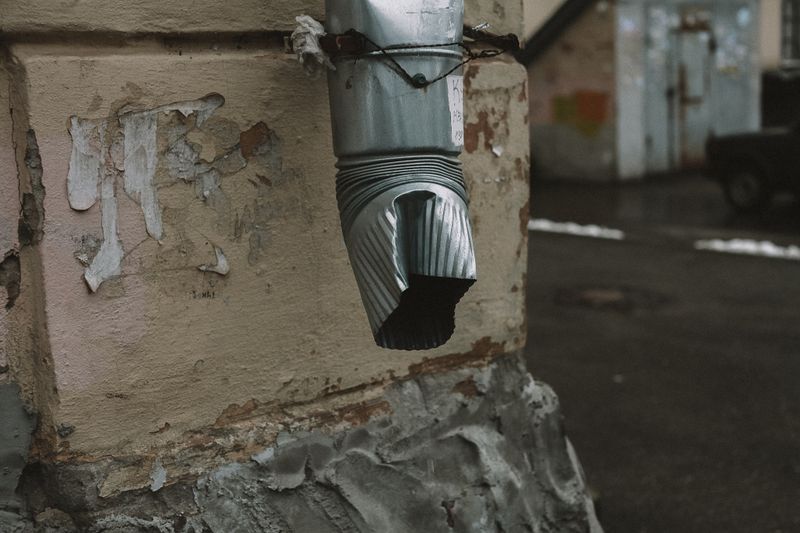
Gutters and Downspouts Repair in Covington
Read More
Siding Installation in Covington
Read More
Asbestos Roof Removal in Covington
Read More
Roof Insurance Claims in Covington
Read More
Soffit Installation in Covington
Read More
Soffit Repair in Covington
Read More
Commercial Roof Repairs in Covington
Read More
Commercial Roof Inspections in Covington
Read More
Commercial Hail Damage Repair in Covington
Read More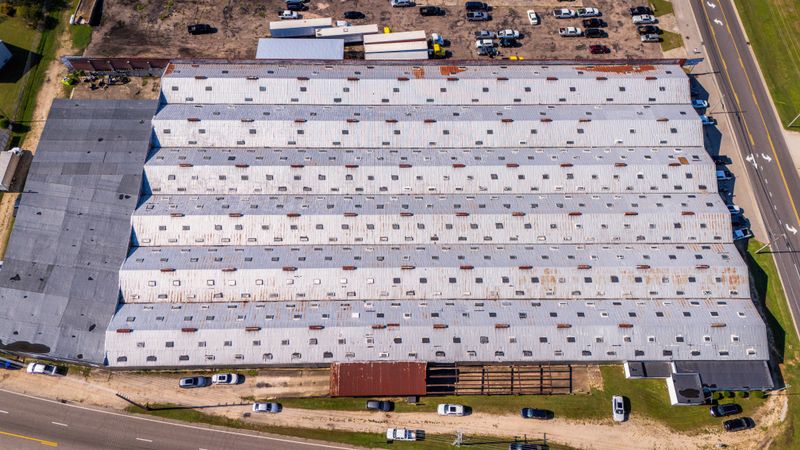
Commercial Re-Roofing in Covington
Read More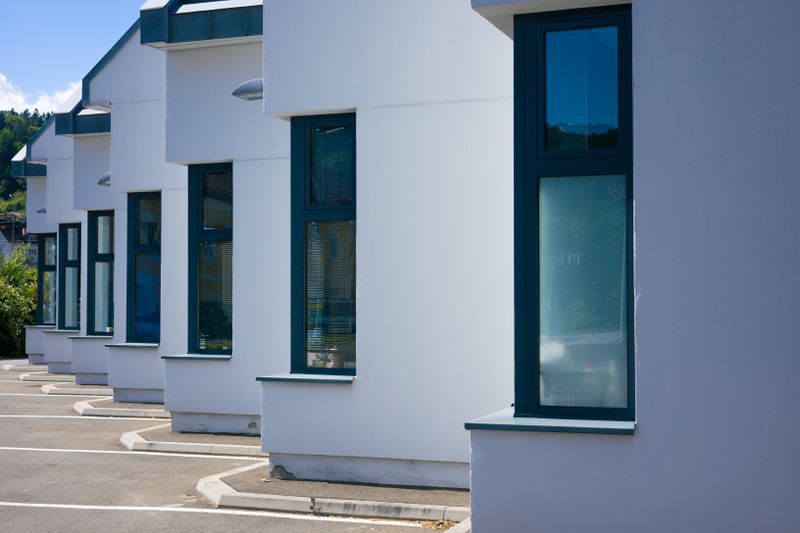
Commercial Roof Coating in Covington
Read More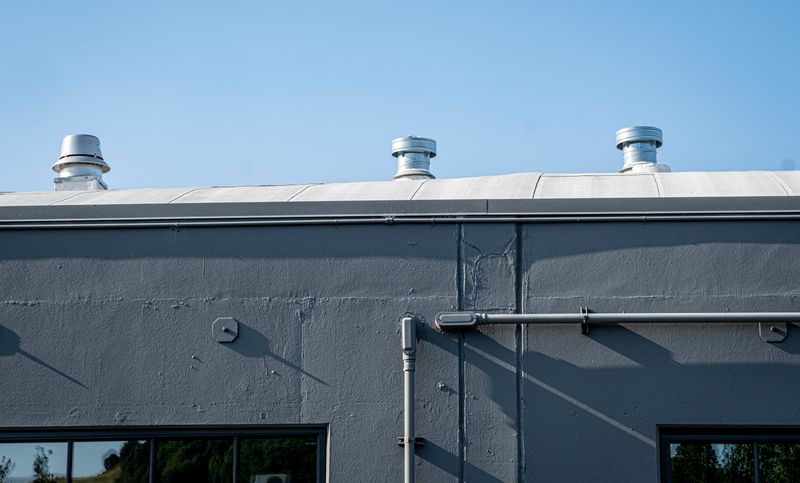
Commercial Elastomeric Coatings in Covington
Read More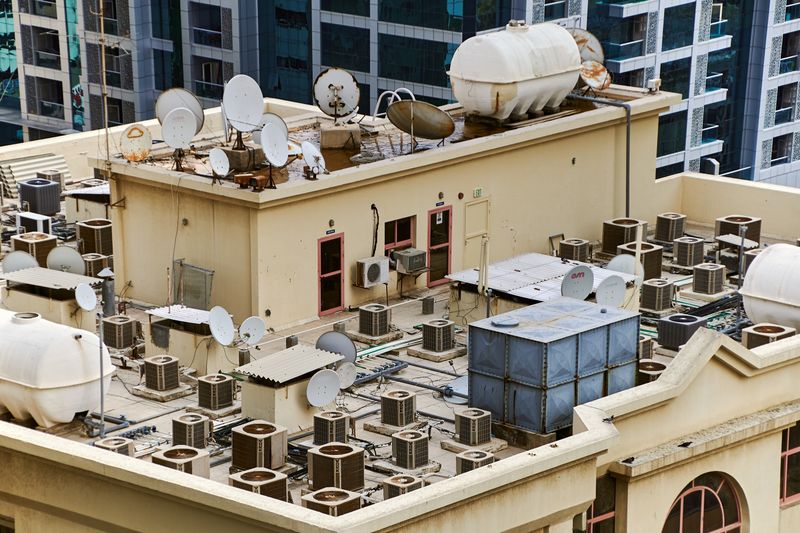
Commercial Roof Ventilation in Covington
Read More
Commercial Roof Leak Detection in Covington
Read More
Commercial Siding Installation in Covington
Read MoreCovington Commercial Roof Replacement FAQs
The questions worth asking before a commercial roof replacement in Covington, answered plainly.