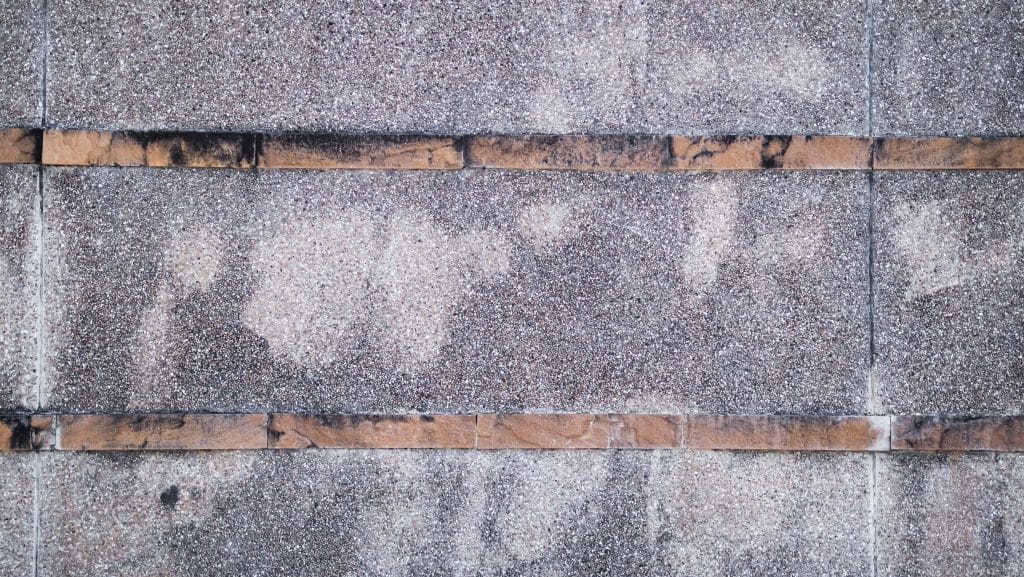




Roof Inspection in Covington, LA
Big Easy Roofing inspects roofs across Covington and St. Tammany Parish against a fixed checklist, and you get a written report with a dated photograph of every item on it. Worth knowing before you book: the inspection the city or the parish carries out on a permitted reroof is a different thing entirely, and it is explained below.
Covington roof inspections at a glance
An inspection is a written record of the roof as it is on the day, not a quote. Forty five to ninety minutes on site against a fixed checklist, every item photographed and dated, and the report is yours whatever you do next.
Deliverable
A written report with a dated photograph of every checklist item, emailed to you. Not a verbal opinion at the bottom of a ladder, and not a quote with an inspection attached to it. Call (504) 800-8196 to book.
Typical duration
Time on site from the ladder going up to the attic view where there is access, depending on the size and complexity of the roof and how many penetrations it carries.
Which office covers you
A condition inspection is diagnostic rather than construction, so no city or parish permit is needed and none is pulled. That is a separate matter from the permit inspection the office does on a permitted reroof, which is set out in the section below.
How long it stays current
A report describes the roof on the day it was written. A quiet few months change very little; a single severe storm can make it out of date the same afternoon. We date every photograph so it is always clear what the report actually covers.
What it does not do
A condition inspection is not the code inspection the City of Covington or St. Tammany Parish now carries out on a permitted reroof, and the two are not substitutes in either direction. The section below sets out the difference.
Obligation
The report is yours whether or not you have any of the work done, and whether or not you have it done by us. We would rather write an honest report than win a repair.
A roof inspection answers one question: what condition is this roof in today, and what on it needs attention. It is a diagnostic job with a written deliverable, and the useful test of one is whether you could hand the report to a different roofer and have them understand the roof without climbing it.
That is why the checklist is fixed and every item is photographed rather than summarised. An inspection that produces a sentence and a price is not really an inspection, because nothing in it can be checked afterwards, compared against a later report, or used to establish what the roof looked like on a particular date.
The thing that has changed recently, and that catches people out in Covington, is that both the City and the parish now inspect permitted reroofs under a 2025 state law. Homeowners reasonably assume that covers them. It does not, and the difference is worth understanding before you decide whether you need a condition inspection at all.
What gets checked and what gets photographed
The checklist does not change from roof to roof, which is what makes one report comparable with another. Every item below is inspected and photographed where it can be safely reached, anything that cannot is recorded as not inspected, and anything found is photographed again in close up alongside the general view, so no finding rests on a description alone.
| Checklist item | What we look for | What is photographed | Why it is on the list |
|---|---|---|---|
| Shingle field | Lifted tabs, missing shingles, hail bruising, granule loss | The field plus close ups of any defect | It is the largest area and the easiest to judge wrongly from the ground |
| Ridge and hip caps | Wind uplift, cap loss, exposed nail heads, seal failure | The full ridge line and any lifted cap | The ridge is exposed to wind on both sides and caps are often first to move |
| Valleys | Debris load, wear through the granule, sealing at the joint | Every valley run and any wear zone | Valleys concentrate more water than the open field, so they wear faster |
| Step and apron flashing | Corrosion, seal failure at the wall, missing counter flashing | Each wall step run and every apron detail | Where the roof meets a wall is a detail, and details fail before coverings |
| Chimney and skylight flashing | Rust, gaps at the base, cracked mastic, saddle presence | All four sides of every penetration | A chimney can be sound on three sides and open on the weather side |
| Pipe boots | Cracked rubber collar, ultraviolet damage, seal at the shingle | Each boot on the roof, in close up | The collar is usually the shortest lived component up there |
| Drip edge and eave line | Presence, correct overlap, corrosion, gutter apron | The full eave line from the ladder | Older houses often have no drip edge at all, which rots the fascia |
| Attic view where accessible | Daylight through the deck, staining, wet insulation | Any staining or daylight found | Some leaks are only visible from underneath, long before they show inside |
The report records what was visible on the day. A roof cannot be fully assessed in heavy weather, and anything that could not be reached or seen safely is written down as not inspected rather than passed. Call (504) 800-8196 to book a visit.
The permit inspection is not this inspection
Since 2025 both the City of Covington and St. Tammany Parish inspect permitted reroofing work, and a lot of homeowners have concluded they no longer need an inspection of their own. The two jobs answer completely different questions, and only one of them is about the roof you already have.
What the offices now do
La. R.S. 37:3737(I), introduced by Act 239 of 2025 and renumbered by Act 881 of 2026, requires municipalities and parishes issuing construction permits to permit and inspect roof construction and re roofing. The City of Covington and St. Tammany Parish both issue construction permits, so both inspect permitted re roofs within their jurisdictions.
And it can be done on paper
R.S. 37:3737(H) lets a code enforcement officer accept location verified geotagged photographs for roofing inspections. Whether the office takes that up on a given job depends on the office. So the permit check may happen without anyone attending the property at all.
It only exists if you are re roofing
No permit means no permit inspection. If you are not having a re roof permitted, nobody from the City or the parish is looking at your roof, whatever its condition and however long it has been since anyone did.
And it is not a condition survey
The permit check asks whether new work complies with the code it was permitted under. It does not tell you what life is left in an existing covering, where it is likely to fail next, or whether a twelve year old roof is worth repairing. That is what a condition inspection is for.
What the City charges when its own inspection is required
This is worth knowing because it changes the arithmetic on a reroof rather than on a condition inspection like ours. The City of Covington charges $75 per inspection, increased from an earlier figure on 18 February 2026. If an inspection is failed, the re inspection is $100, and the City will not schedule the re inspection until the fee is paid. That is a re inspection which costs more than the original.
City inspections run 8am to 4:30pm Monday to Friday and must be booked a business day in advance. A permitted reroof therefore has to sequence the tear off, the work and the inspection against a weekday calendar, which is worth planning before the crew is booked rather than after.
None of that applies to a condition inspection like ours, which is diagnostic rather than construction and requires no permit and no inspector from the City. The two are separate jobs answering separate questions.
So when is a condition inspection actually worth booking
After weather severe enough that you would not be surprised by damage, before buying or selling, when a roof reaches an age where the decision between repairing and replacing starts to matter, and when something inside has changed such as a stain that was not there last year.
Outside those, a roof in visibly good order that has not been through anything does not need inspecting on a schedule, and we will say so. Booking one every year on a young roof in quiet weather is not money well spent.
What inspections turn up on roofs in this climate
Three findings recur on Gulf coast roofs, and all three are cheap to deal with early and expensive to leave. Each is on the checklist for that reason, and each is photographed whether or not it has failed yet, so you can see the condition rather than take it on trust.
Pipe boot collars, which fail before anything around them
The rubber collar around a vent pipe is the shortest lived component on a typical roof. Ultraviolet light hardens it, it splits at the top of the pipe, and water runs straight down the outside of the pipe into the ceiling below.
It is an inexpensive part and a straightforward fix while it is only the boot. Left long enough it wets the decking around the penetration, and then it stops being a boot job. Every boot on the roof gets photographed for that reason, failed or not.
Seal strips broken by wind on a roof that looks untouched
Each shingle course is held down by a seal strip that bonds in the heat. Wind can break that bond without taking the shingle anywhere, so the course lies back down looking normal while no longer being sealed. From the ground there is nothing to see.
It is one of the few things that genuinely needs someone on the roof rather than a photo from a drone, because it is found by hand as much as by eye, and it is why a roof that came through a storm looking fine can leak in the next ordinary rain.
Flashing at walls and chimneys, where the roof meets something else
Roofs tend not to leak in the middle. They leak where the covering meets a wall, a chimney, a skylight or a pipe, because those are the places sealed by a detail rather than by the covering itself, and details corrode, crack and lose their mastic.
That is why every penetration is photographed on all four sides rather than generally. A chimney can be sound on three sides and open on the one facing the weather, which a single wide photograph will not show.
Big Easy Roofing Process
Three steps and a written report at the end of it. Nothing is quoted during the inspection, because a report written while thinking about a price is not a report.

Booked for a day the weather allows
A roof is hard to inspect properly in heavy rain or high wind, so we book for conditions that let the whole checklist be completed rather than turning up and doing half of it. You do not need to be home, though it helps if there is attic access.
The full checklist, photographed as we go
Field, ridge, valleys, every flashing, every penetration, the eave line and the attic where it can be reached. Each item photographed and dated, including the ones that are fine, and anything that could not be safely reached recorded as not inspected.
Written report, no obligation
The report arrives by email with every photograph attached and each finding described in plain terms. If work is needed we will say what and why, and you are free to take it to anyone. Call (504) 800-8196 to book the visit.
Everything else we do in Covington
The rest of the Big Easy Roofing services available in Covington, each with its own page, crew and written scope. An inspection is diagnostic and carries no obligation to have identified work done by us, so it can be booked simply to record the roof on a particular date.
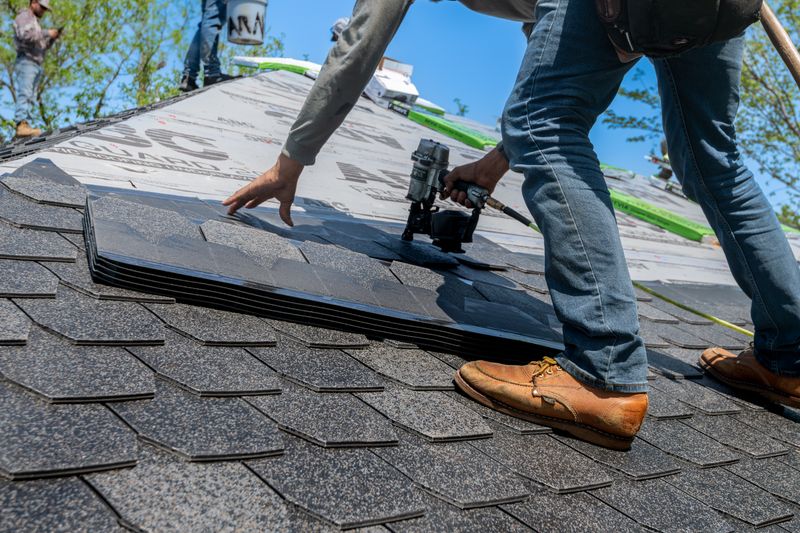
Roof Replacement in Covington
Read More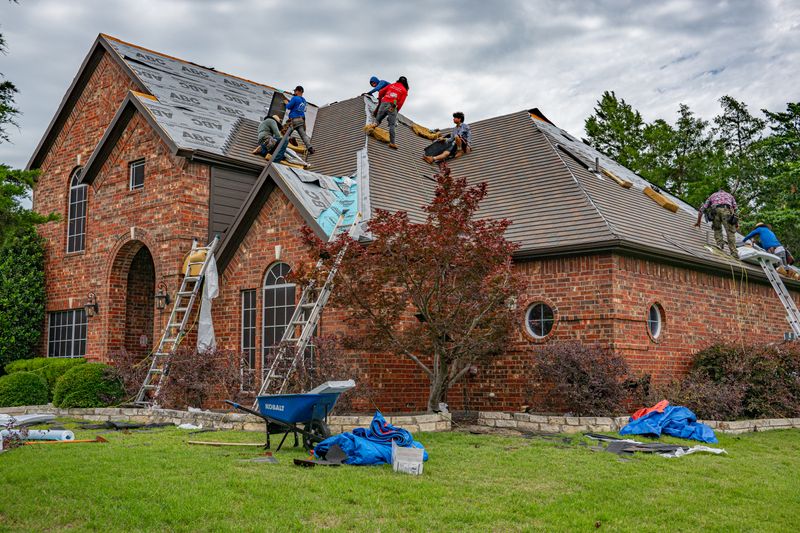
Roof Repairs in Covington
Read More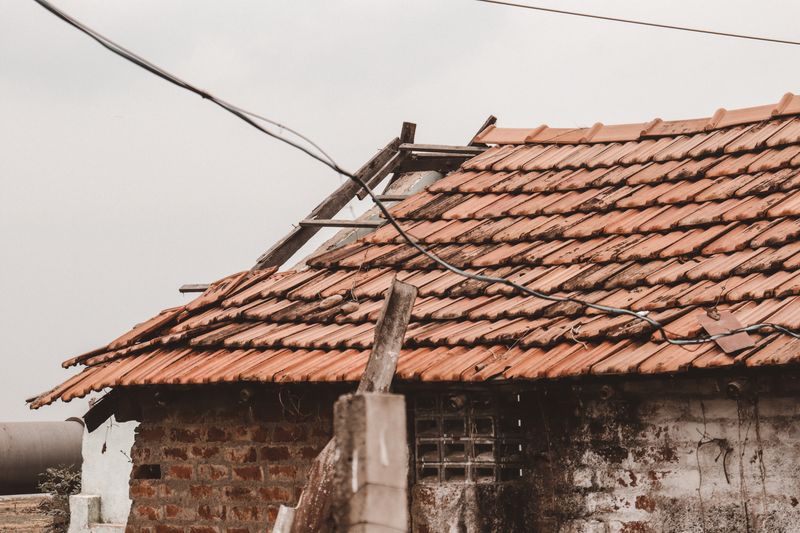
Hail Damage Roof Repair in Covington
Read More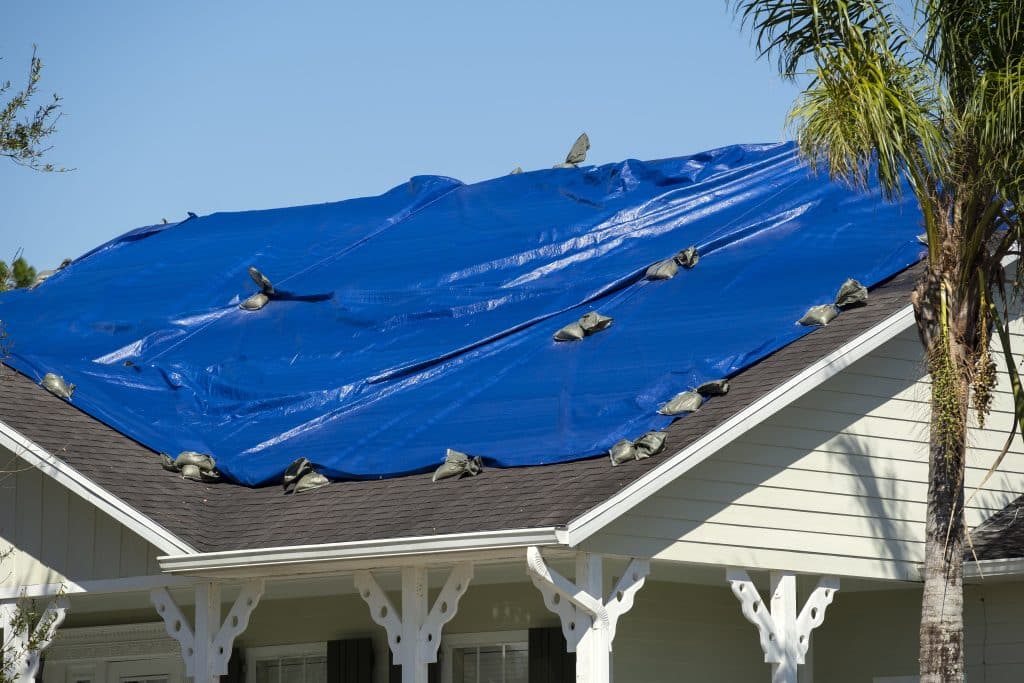
Storm Damage Roof Repair in Covington
Read More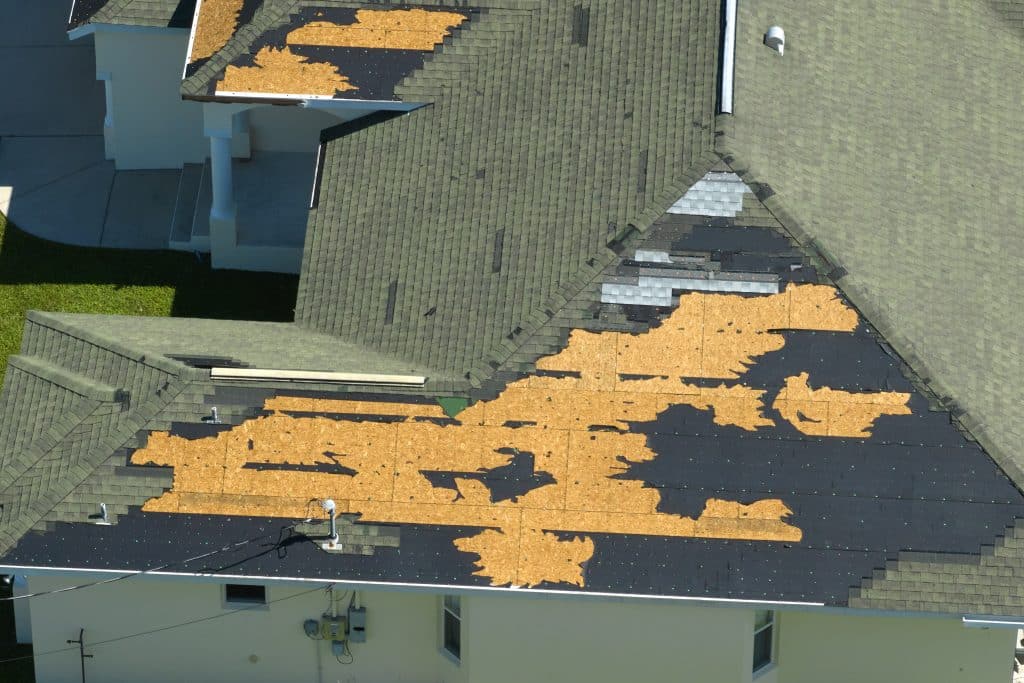
Storm Damage Emergency Response in Covington
Read More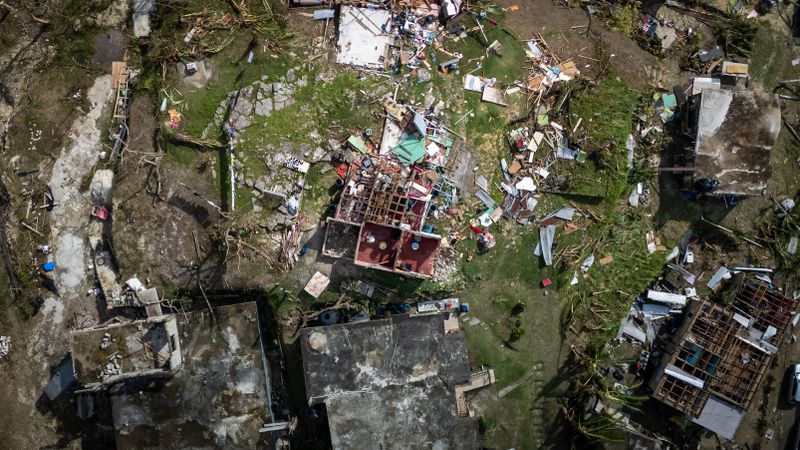
Emergency Roofing in Covington
Read More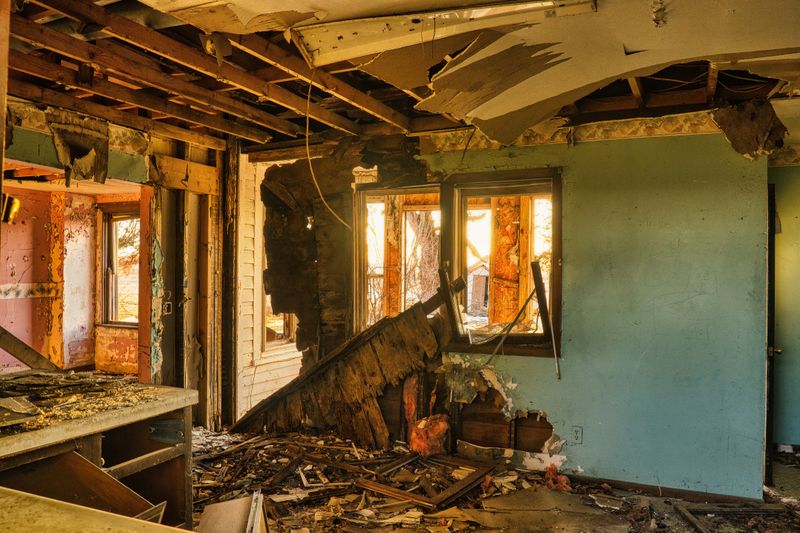
Roof Leak Detection in Covington
Read More
Roof Maintenance in Covington
Read More
Roof Coating in Covington
Read More
Roof Ventilation in Covington
Read More
Roof Weatherproofing in Covington
Read More
Roof Restoration in Covington
Read More
Roof Flashing Repair in Covington
Read More
Fascia Board Installation and Repair in Covington
Read More
Gutters and Downspouts Installation in Covington
Read More
Gutters and Downspouts Repair in Covington
Read More
Siding Installation in Covington
Read More
Asbestos Roof Removal in Covington
Read More
Roof Insurance Claims in Covington
Read More
Soffit Installation in Covington
Read More
Soffit Repair in Covington
Read More
Commercial Roof Replacement in Covington
Read More
Commercial Roof Repairs in Covington
Read More
Commercial Roof Inspections in Covington
Read More
Commercial Hail Damage Repair in Covington
Read More
Commercial Re-Roofing in Covington
Read More
Commercial Roof Coating in Covington
Read More
Commercial Elastomeric Coatings in Covington
Read More
Commercial Roof Ventilation in Covington
Read More
Commercial Roof Leak Detection in Covington
Read More
Commercial Siding Installation in Covington
Read MoreCovington Roof Inspection FAQs
The questions that come up before booking a roof inspection in Covington, answered before you have to pick up the phone.