




Commercial Roof Leak Detection in Covington, LA
Big Easy Roofing investigates commercial roof leaks across Covington and St. Tammany Parish. Knowing how much of a roof is wet and knowing where the water gets in are two different questions. This page is about the second one, which is the one that tells you what to repair.
Covington commercial leak detection at a glance
Water gets into a flat roof at one point and appears inside the building somewhere else entirely, so chasing the stain is how a roof gets repaired repeatedly without the leak stopping. This page is about locating the actual breach, which is a different job from mapping how much insulation is already wet.
What this establishes
The breach itself, marked on the roof rather than inferred from where the ceiling is stained. That is what a repair scope needs, because the wet area and the hole are rarely in the same place.
Does a survey need a permit
A survey is a diagnostic visit and not construction, so no permit is required for it. The repair that follows may need one, and which office issues it depends on whether the address sits inside the Covington city limits or in the unincorporated parish.
The standards behind it
The standard guide for electronic methods of detecting and locating leaks in waterproof membranes, with ASTM D8231 covering the low voltage scanning practice. Ask which edition a contractor works to, because both have been revised.
What it needs to work
An electrically insulating membrane over a conductive, earthed substrate, so that current can only pass where there is a hole. Where the assembly cannot provide that, the method cannot read the roof.
The other half of the answer
A different question with different instruments, and the one that decides repair against recover against replacement. It is covered on the commercial roof inspections page rather than repeated here.
The definitive test
Conclusive on the area it covers, and heavy. It needs a roof that can carry the water, working drains, dams and a plan for getting the water off again, so it suits a defined area rather than a whole roof.
Water entering a flat roof travels. It gets in at a seam, a fastener, a curb or a drain, runs across the deck or sideways inside the insulation, and shows up inside the building at the first joint or low point it reaches, which can be a long way from where it started. That single fact is why a leak gets patched repeatedly at the place the ceiling is stained and carries on leaking.
Electronic leak detection works the other way round. The membrane on a commercial roof is an electrical insulator, so if you put a potential difference across it, current can only flow where the membrane is not continuous. That means a breach announces itself rather than being deduced, which is why the method can be specified against a published standard rather than described in general terms. What it will not tell you is how far the water has already spread inside the assembly, which is the commercial roof inspections question.
What each method reads, and what defeats it
These are the methods that find a breach, as against the ones that map moisture. Each reads a different physical property and each has roofs it cannot read at all, so the useful question to put to anybody offering a survey is which method they are using here and why.
| Method | What it actually reads | What it needs | Where it struggles |
|---|---|---|---|
| Low voltage electronic scanning | Current finding a path through a breach in a wetted surface | A wetted membrane surface and an earthed conductive deck below it | Conductive elements in the build up, and roofs where the deck cannot be earthed |
| High voltage electronic testing | An arc jumping to earth through a hole in the membrane | A dry membrane surface, and an exposed rather than covered system | Wet or damp surfaces, and it is unsuitable for some membranes and thicknesses |
| Controlled flood test | Water finding the breach the way rain would | Structural capacity for the water weight, working drains, dams and a controlled fill | Whole roofs, occupied buildings below, and anything with doubtful structure |
| Water testing a suspect detail | Whether one named detail leaks under running water | A hypothesis worth testing and somebody watching inside at the same time | Finding an unknown breach, because it can only confirm or clear what you point it at |
| Chasing the ceiling stain | Where the water finally arrived, which is not where it entered | Nothing, which is why it is the default | Wherever the water travelled, which on a flat roof is usually the case |
The highlighted row is the usual first choice on a covered commercial system, not a recommendation for every roof. Which method suits a particular roof depends on the membrane, the deck, the insulation and the access, and that is established at the survey rather than promised in advance. Call (504) 800-8196 and we will tell you which of these your roof can actually be read with.
The standards behind it, and the roofs it cannot read
Electronic leak detection has published ASTM standards behind the method itself, which is worth knowing because it means the approach can be named and checked. So is the fact that it does not work on every assembly, which is the part a contractor selling the survey tends to leave out.
The method standard
The standard guide for electronic methods for detecting and locating leaks in waterproof membranes. ASTM D8231 is the related practice covering low voltage electronic scanning. Both have been revised, so ask which edition is being worked to.
What defeats it
The method depends on the membrane being an insulator over something conductive and earthed. Conductive components in the build up, ballast, some coatings, and a deck that cannot be earthed will each stop it reading properly. Then a different method is needed.
Who issues the permit
Not for the survey, which is diagnostic and not construction. For the repair that follows, through the City of Covington Building Permits Office inside the city limits or the St. Tammany Parish permits office outside them. A Covington postal address does not tell you which, so we confirm the routing before anything is filed.
How a repair permit is priced
Neither the city nor the parish publishes a roofing specific permit line, so the fee follows the work rather than a rate. The city renovation fee that a re-covering goes through is set out on the commercial roof repairs page rather than repeated here.
Why finding the hole is a separate job from mapping the wet
They are different physical questions and they are read by different instruments. The moisture side infers water inside the assembly and tells you how far it has spread; the commercial roof inspections page sets out how that is done. Electronic methods on this page find a discontinuity in the membrane, so they tell you where the water got in.
A roof can carry a large wet area and a breach the size of a fastener head, and a survey that maps the first will not point at the second. Both are worth knowing and they answer different budget questions: the extent decides repair against recover against replacement, and the entry point decides what the repair scope actually says. The extent question is on the commercial roof inspections page.
What a survey should hand you
A marked location for the breach or breaches, photographed, with what was used to find them and under what conditions. If a method was ruled out on your roof, the report should say which one and why, because that is a fact about your assembly that stays useful next time.
Ask for it in writing before the repair is priced. A repair scope written against a marked breach can be checked afterwards. One written against a stain cannot, which is the whole reason the same roof gets repaired again and again.
Why a flat roof here hides its leaks so well
Two conditions in this climate make travelling water harder to trace than the textbook version suggests. Rain arrives hard and briefly, and the roof is warm and wet enough that the building can produce water that looks exactly like a leak and is not one.
Rain arrives in bursts
NOAA Atlas 14 records a 100 year recurrence 60 minute rainfall rate of 4.81 inches an hour for the Covington coordinates, and rain here tends to arrive in short heavy bursts rather than steadily. A breach that stays quiet in ordinary weather can pass a lot of water in twenty minutes, which is why some leaks only appear in the heaviest storms and are impossible to reproduce on a dry day.
Water moves sideways before it drops
Insulation boards, the deck flutes and the laps between them all give water somewhere to run before it finds a way through the ceiling. On a large roof the distance between the breach and the stain can be substantial, and it is not predictable from inside, which is why the search has to start on the roof rather than under the mark.
Not everything wet is a leak
In a hot humid climate with air conditioning running, water found on the underside of a deck or near ductwork can be condensation rather than roof water. That is the misdiagnosis that costs the most, because the roof gets repaired, the money is spent and the water keeps appearing. Where the pattern points that way we say so before anybody opens the roof.
Big Easy Roofing Process
Four steps, and the first one is deciding which method your roof can actually be read with, because that is an assembly question and it is settled before anything is booked.

Establish what the assembly is
The membrane, the insulation, the deck and the access decide which methods can read this roof at all. Where electronic methods cannot work here, we say so at this point rather than after a wasted visit.
Rule out the things that are not roof leaks
Condensation, plumbing and equipment above the ceiling all produce water that looks like a roof leak. Clearing those first is cheaper than opening a roof that was never the cause.
Locate the breach and mark it
The suspected entry points found and physically marked on the roof, photographed, with the method used and the conditions recorded alongside them.
Hand over a scope written against the mark
A repair priced against a located breach, and a note of anything the survey could not read and why, so the next person on the roof starts from what is known.
Everything else we do in Covington
The rest of the Big Easy Roofing services available in Covington, each with its own page and written estimate. How much of the insulation is wet is the commercial roof inspections page. Finding a leak on a house is roof leak detection, and why added vents do not fix wet insulation is commercial roof ventilation.
Roof Replacement in Covington
Read More
Roof Repairs in Covington
Read More
Roof Inspection in Covington
Read More
Hail Damage Roof Repair in Covington
Read More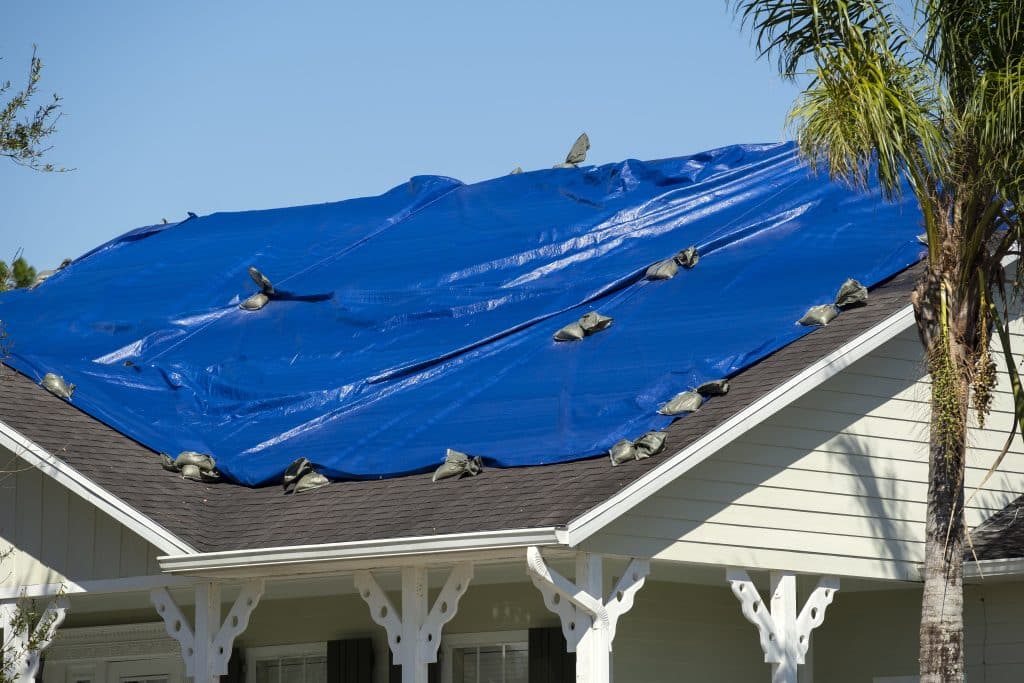
Storm Damage Roof Repair in Covington
Read More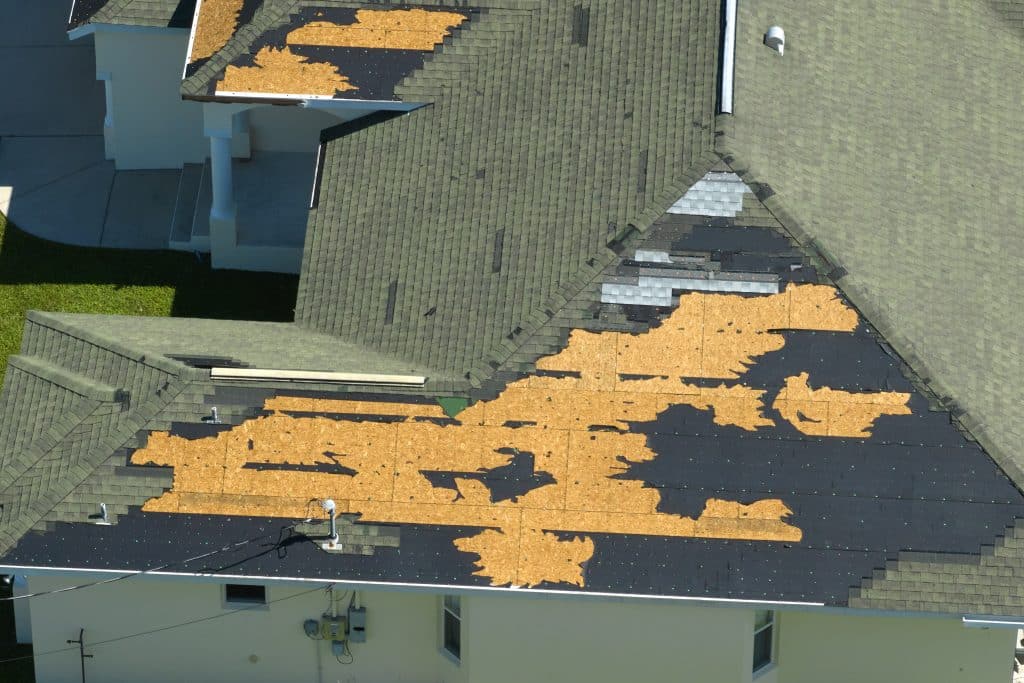
Storm Damage Emergency Response in Covington
Read More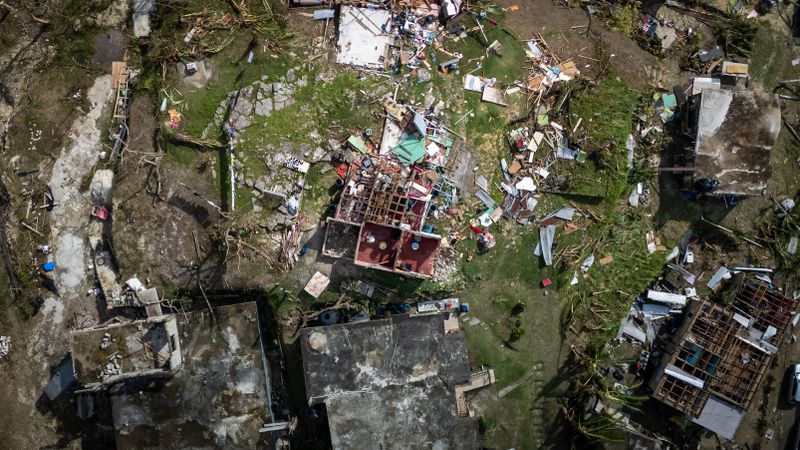
Emergency Roofing in Covington
Read More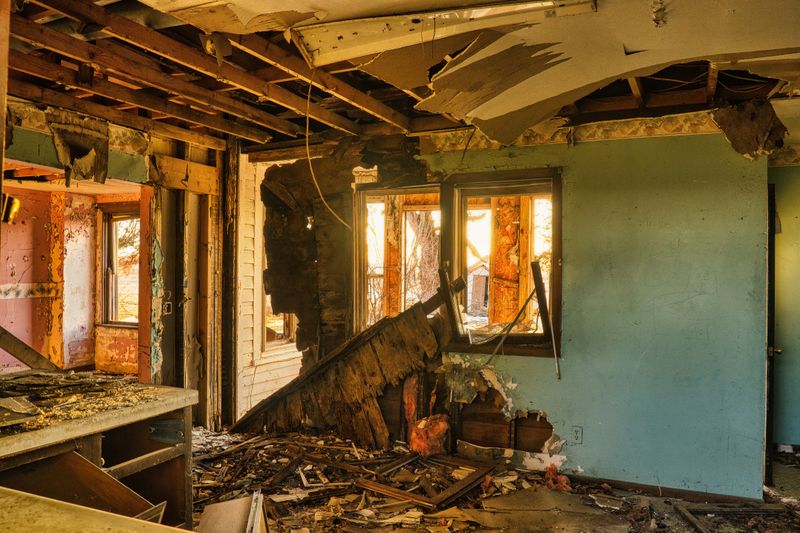
Roof Leak Detection in Covington
Read More
Roof Maintenance in Covington
Read More
Roof Coating in Covington
Read More
Roof Ventilation in Covington
Read More
Roof Weatherproofing in Covington
Read More
Roof Restoration in Covington
Read More
Roof Flashing Repair in Covington
Read More
Fascia Board Installation and Repair in Covington
Read More
Gutters and Downspouts Installation in Covington
Read More
Gutters and Downspouts Repair in Covington
Read More
Siding Installation in Covington
Read More
Asbestos Roof Removal in Covington
Read More
Roof Insurance Claims in Covington
Read More
Soffit Installation in Covington
Read More
Soffit Repair in Covington
Read More
Commercial Roof Replacement in Covington
Read More
Commercial Roof Repairs in Covington
Read More
Commercial Roof Inspections in Covington
Read More
Commercial Hail Damage Repair in Covington
Read More
Commercial Re-Roofing in Covington
Read More
Commercial Roof Coating in Covington
Read More
Commercial Elastomeric Coatings in Covington
Read More
Commercial Roof Ventilation in Covington
Read More
Commercial Siding Installation in Covington
Read MoreCovington Commercial Leak Detection FAQs
How a breach is actually located on a commercial roof, which method