



Commercial Roof Ventilation in Metairie, LA
Big Easy Roofing handles ventilation on Metairie commercial buildings, which is a different problem from a house. A low slope roof has no attic to ventilate, and in a Gulf Coast climate cutting vents into one usually invites more moisture than it releases. The first job is establishing whether what you have is condensation, a leak, or a building pulling humid air into its own roof.
Metairie commercial roof ventilation at a glance
Commercial ventilation in Metairie splits by building type. A pitched or metal building with a roof space is ventilated with rooftop units at an estimated $300 to $5,000 each. A low slope membrane roof has no space to ventilate, and there the work is diagnosing moisture rather than adding vents.
Estimated gravity or turbine unit
Installed cost per rooftop gravity or turbine ventilator on a pitched or metal building, including curb, flashing and weatherproofing back into the roof system.
Estimated powered exhaust fan
Installed cost per powered roof exhaust fan on a warehouse or production building, including curb and flashing. Electrical connection is a separate trade and is priced separately.
Climate zone
Metairie sits in a hot humid climate zone, so for most of the year the vapour drive is inward, from the humid outside air toward the conditioned inside. That is the opposite of the cold climate assumption most ventilation advice is written around.
Low slope roofs
A conventional low slope commercial roof is a compact assembly, typically deck, insulation and membrane, sometimes with an air or vapour control layer chosen for that assembly. There is no ventilated cavity in it by design, so venting one is rarely the answer to a moisture problem.
Estimated timeline
Most rooftop ventilator installs are completed inside a day per unit once materials are on site. A moisture investigation on a low slope roof runs longer because it needs a suitable survey window.
Warranty
Big Easy Roofing workmanship warranty on the install scope, with the flashing and curb detail executed to the roof manufacturer's published detail so an existing membrane warranty is not put at risk.
Every figure on this page is an estimate, not a quote, and is subject to Big Easy Roofing sign off. Cost and timescale depend on size, pitch, access, weather, materials and whatever is found once work starts, so call Big Easy Roofing on (504) 800-8196 and we will come out and give you an estimate for your own roof.
Almost everything written about roof ventilation is written about houses, and almost none of it transfers to a flat commercial roof. The residential rule, one square foot of net free vent area per three hundred square feet of attic floor, describes an attic: a ventilated cavity between a ceiling and a sloping roof, with intake low at the eave and exhaust high at the ridge. A conventional low slope commercial roof has none of that. It is a compact stack, typically deck, insulation and membrane, sometimes with an air or vapour control layer, and no cavity in it at all.
That matters because the instinct when a building owner finds damp insulation is to ask for vents, and on a low slope roof in Metairie that instinct is usually wrong. Metairie is in a hot humid climate zone, so outside air is carrying more moisture than inside air for most of the year. Opening a sealed assembly to that air, in a climate whose vapour drive runs inward, tends to admit moisture rather than release it. Breather vents and one way edge vents get sold for this and rarely move enough air to matter.
So the honest first step is diagnosis, not installation. Wet insulation under a membrane has three plausible sources: water coming through the roof, water condensing on the underside of the membrane because warm humid air is reaching it, or water that was built into the assembly during construction and never left. Each has a different fix and only one of them is a ventilation question. Where a building genuinely does have a roof space, on a pitched or metal building, rooftop ventilation is straightforward and we install it.
What actually helps by building type
Five building types cover most Metairie commercial stock, and the right answer changes completely between them. The table sets out what each one has above the ceiling, what genuinely improves it, and what to be sceptical of. Two of the five rows are not ventilation jobs at all.
| Building type | What is above the ceiling | Estimated cost | What actually helps |
|---|---|---|---|
| Pitched or metal building with a roof space | A real ventilated cavity, intake at eave and exhaust high | $300 to $900 per unit | Ridge or gravity ventilators, balanced with intake |
| Warehouse or production building, high heat load | Open volume above the working floor, heat stratifying at the top | $1,500 to $5,000 per fan | Powered roof exhaust, sized with make up air |
| Low slope membrane over rigid insulation | Nothing. A compact assembly with no cavity by design | Survey first | Diagnosis, not vents. Usually a vapour or leak fix |
| Strip retail with a ceiling plenum | A service plenum, not a ventilated roof cavity | Mechanical trade | Building air balance, which is not a roofing job |
| Any building running negative pressure | Exhaust removing more air than make up air replaces | Mechanical trade | Fix the air balance before touching the roof |
Estimated market ranges only, set by unit type, roof access and curb detail, and assuming a normal multi unit scope. A single unit on a difficult roof carries mobilisation and minimum charges that push the per unit figure above these bands. Electrical work is a separate trade. Call (504) 800-8196 for a written assessment on your Metairie commercial roof.
Permit, code and the limits of what a roofer should touch
Do not assume rooftop ventilation work in Metairie is permit free. Jefferson Parish publishes a roofing exemption for one and two family dwellings only, and cutting a new curbed opening into a commercial roof is not a minor repair in any case. We confirm the scope with the parish before work starts.
Jefferson Parish permit
The parish's published no permit list covers a change of roof covering only, and gutter work, on one and two family dwellings. There is no commercial equivalent, and its minor ordinary repairs clause is discretionary, requiring the Building Permits Department's approval case by case. New penetrations are not the kind of thing to assume into it.
Stamped plans
Jefferson Parish's published commercial submittal requirements call for a complete set of plans by a Louisiana registered architect or civil engineer, with a statement of supervision on the first sheet, and publish no roofing specific exemption. The parish also notes that circumstances particular to an application may dictate deviations, so the scope is confirmed rather than assumed.
The membrane warranty
Every new rooftop unit is a new penetration through a working roof, and on a membrane still inside its warranty the curb and flashing detail has to be the manufacturer's published one, in their material, often by an approved contractor. This is the most common way a well meant ventilation upgrade creates a warranty problem.
Where our work stops
If a building is running negative pressure because its exhaust is removing more air than its make up air replaces, it will pull humid outside air in through every opening it has, including the roof assembly. That is a mechanical contractor's problem to solve and we will say so rather than selling roof vents against it.
Why venting a flat roof in a Gulf climate usually backfires
Ventilation works by exchanging cavity air with drier outside air. That logic comes from cold climates, where inside air is warmer and wetter than outside air for most of the year. Metairie is the reverse case for most of the year: the outside air is the humid one.
So opening a sealed low slope assembly to outside air in this climate is as likely to bring moisture in as to let it out, and the small breather and edge vents sold for the purpose move very little air in any event. If a low slope roof is wet, the useful questions are where the water is entering and where it is condensing, not how to vent it.
When it genuinely is a ventilation job
Plenty of Metairie commercial buildings do have a real roof space. Pitched buildings, older commercial stock with a framed roof over a flat ceiling, and metal buildings with a cavity between liner and outer sheet all have somewhere for air to move, and there the ordinary rules apply: exhaust high, intake low, balanced.
Warehouses and production buildings are a separate case again, where the aim is removing heat and fumes from the occupied volume rather than drying a cavity. Powered roof exhaust does real work there, provided make up air is planned with it. A fan without make up air just puts the building into negative pressure, which is the problem in the row above.
What we actually find under a wet Metairie commercial roof
Three findings account for most Metairie commercial moisture calls that arrive described as a ventilation problem. Only one of them is solved by ventilation. Establishing which you have is cheap, and it is the difference between fixing the building and decorating it with vents.
Water entering through the roof, not condensing under it
This is the most common answer by a wide margin. A failed seam, an open detail at a curb or drain, or a fastener backed out under a membrane will wet insulation in a pattern that looks exactly like condensation from below once it has spread.
The two are told apart by where the wet area sits relative to details and penetrations, and by opening the assembly. A moisture map plus core cuts settles it, and it settles it before anyone has spent money on the wrong fix.
Humid air condensing somewhere inside the assembly
Real condensation here usually runs opposite to the way people expect. For most of the year the conditioned space is the cool one, so humid air that finds its way into the assembly can condense wherever it meets a surface below its dew point. Where that happens depends on the build up, the air leakage, the continuity of the insulation and the interior dew point, and it is not safe to name a layer without analysing the specific roof.
So the answer is diagnosis first, then whichever of these applies: sealing the air paths, correcting building pressure, restoring insulation continuity, or an air or vapour control layer positioned for this climate at the next re roof. Some of that can be retrofitted and some of it is a re roof decision.
Moisture that was built into the roof and never left
Insulation that got wet during construction, or a recover laid over an assembly that was already damp, will hold that water more or less permanently. Crushed or saturated board does not dry out and its R value does not come back.
No amount of ventilation reaches this. The only answer is cutting the wet material out and replacing it, which is scoped from a moisture survey and priced with a Metairie commercial re-roof where the affected area is large.
Big Easy Roofing Commercial Ventilation Process
Three steps, and on a low slope building the first one frequently ends the job with a recommendation not to install anything. That is a legitimate outcome and it is cheaper than the alternative, which is paying for vents that do not address what is actually wetting the roof.

Establish what is above the ceiling
Roof access visit at the building. We identify the assembly, whether there is any ventilated cavity at all, where existing rooftop equipment sits, and whether the reported symptom is heat, condensation or water. On a low slope roof this includes a moisture check.
Written recommendation, including when it is not us
The scope names what will actually help. Where the answer is rooftop ventilators we specify unit type, quantity, curb and flashing detail and a fixed price. Where the answer is a leak repair, an assembly correction or a mechanical air balance problem, we say that plainly and price only the part that is roofing work.
Install to the roof manufacturer's detail
Curbs are set, flashed and weatherproofed back into the existing roof system using the manufacturer's published detail so a live membrane warranty is not compromised. Most units are completed inside a day each, with the workmanship warranty filed alongside the invoice.
Everything else we do in Metairie
The rest of the Big Easy Roofing services available in Metairie, each with its own page, crew and written scope. Where the survey shows the moisture is coming through the roof rather than condensing under it, a Metairie commercial leak detection is the right next step instead.
Roof Replacement in Metairie
Read More
Roof Repairs in Metairie
Read More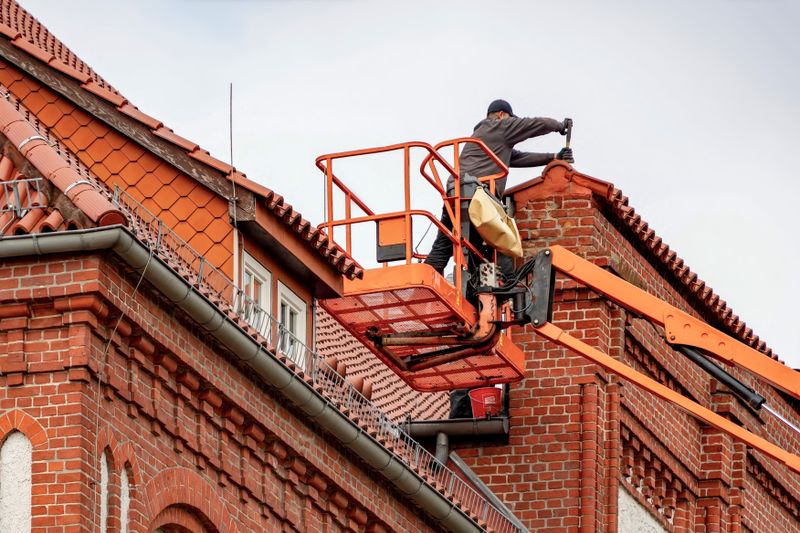
Roof Inspection in Metairie
Read More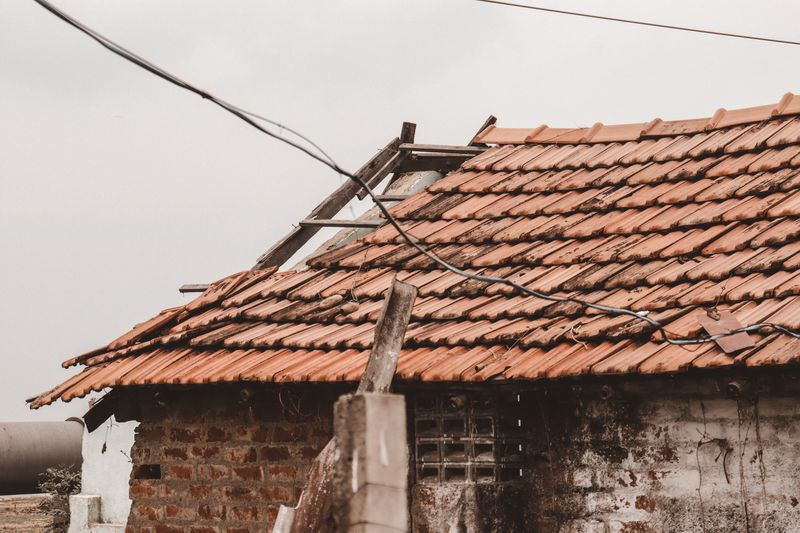
Hail Damage Roof Repair in Metairie
Read More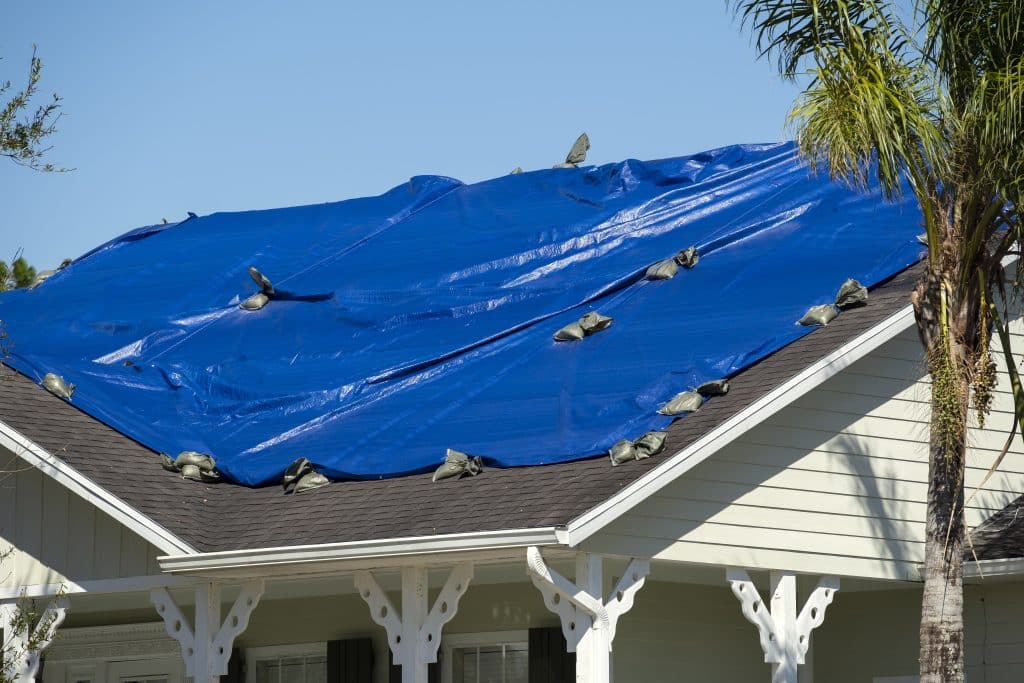
Storm Damage Roof Repair in Metairie
Read More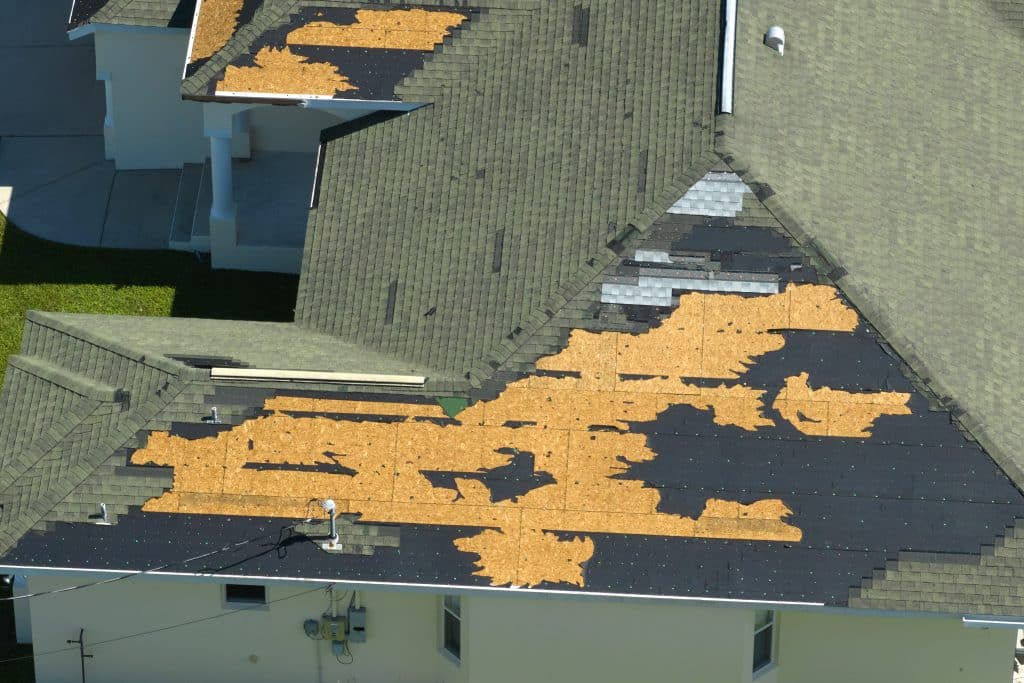
Storm Damage Emergency Response in Metairie
Read More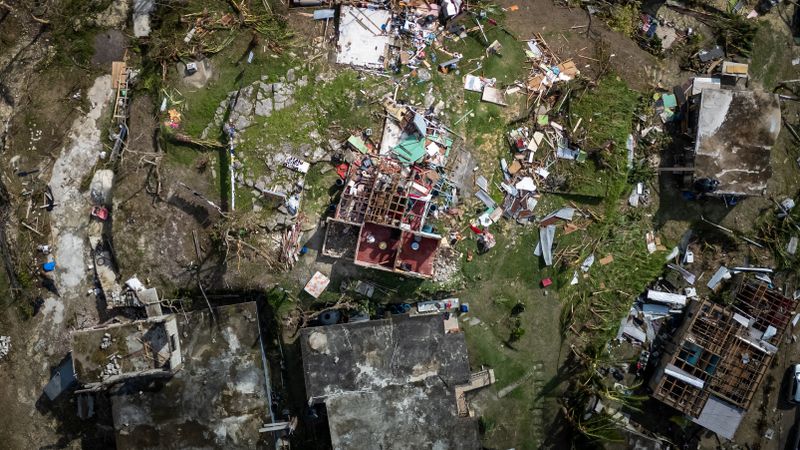
Emergency Roofing in Metairie
Read More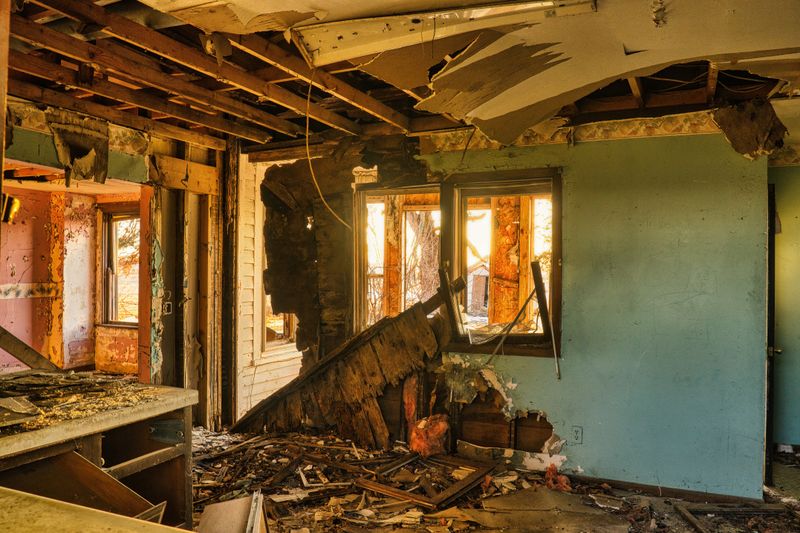
Roof Leak Detection in Metairie
Read More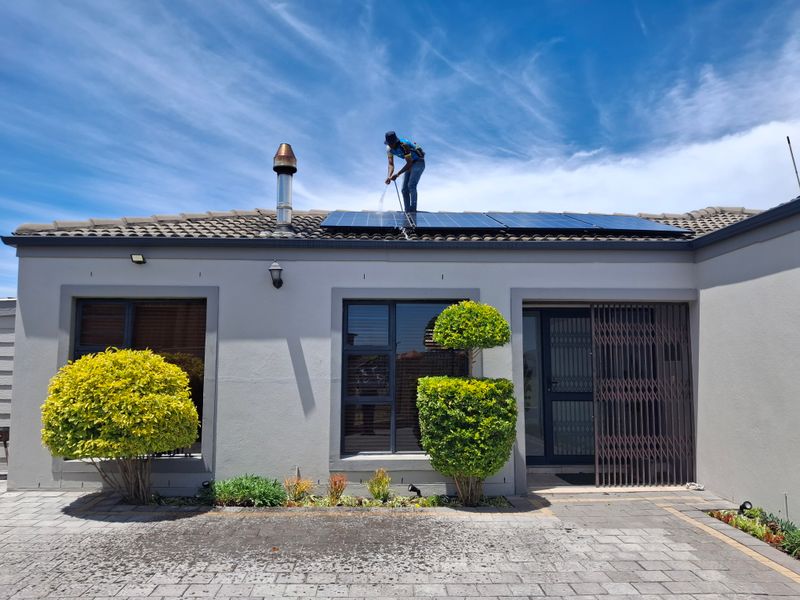
Roof Maintenance in Metairie
Read More
Roof Coating in Metairie
Read More
Roof Ventilation in Metairie
Read More
Roof Weatherproofing in Metairie
Read More
Roof Restoration in Metairie
Read More
Roof Flashing Repair in Metairie
Read More
Fascia Board Installation and Repair in Metairie
Read More
Gutters and Downspouts Installation in Metairie
Read More
Gutters and Downspouts Repair in Metairie
Read More
Siding Installation in Metairie
Read More
Asbestos Roof Removal in Metairie
Read More
Roof Insurance Claims in Metairie
Read More
Soffit Installation in Metairie
Read More
Soffit Repair in Metairie
Read More
Commercial Roof Replacement in Metairie
Read More
Commercial Roof Repairs in Metairie
Read More
Commercial Roof Inspections in Metairie
Read More
Commercial Hail Damage Repair in Metairie
Read More
Commercial Re-Roofing in Metairie
Read More
Commercial Roof Coating in Metairie
Read More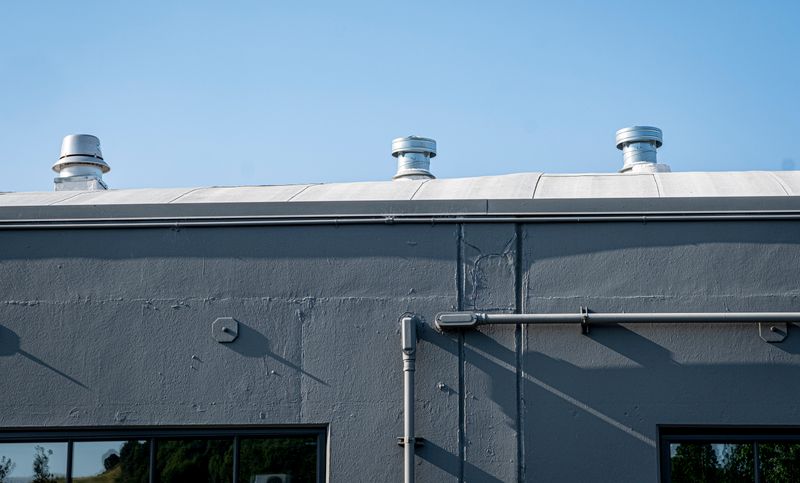
Commercial Elastomeric Coatings in Metairie
Read More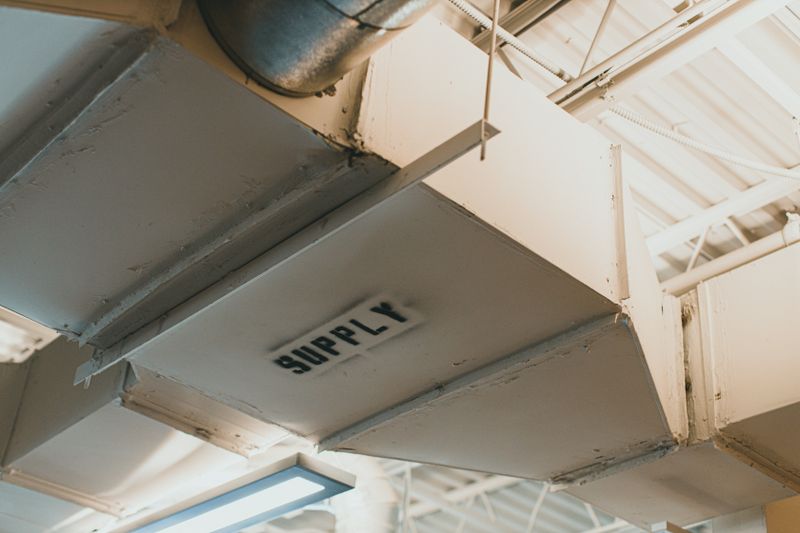
Commercial Roof Leak Detection in Metairie
Read More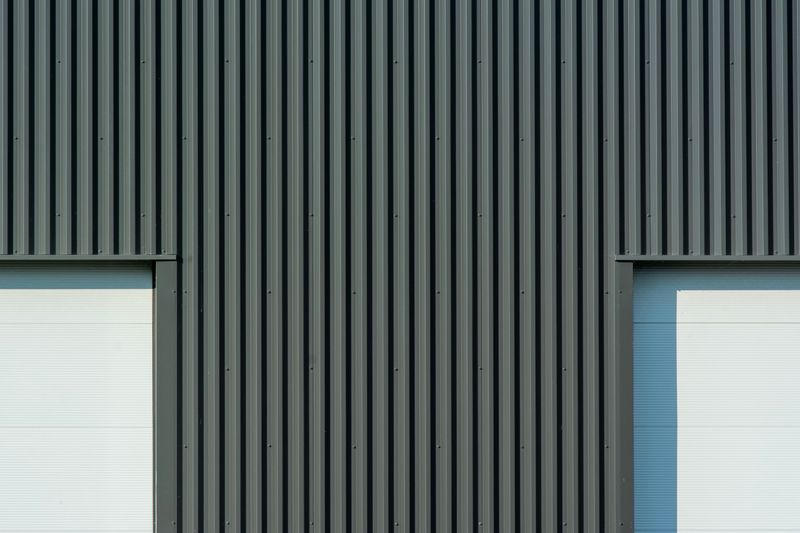
Commercial Siding Installation in Metairie
Read MoreMetairie Commercial Roof Ventilation FAQs
The questions Metairie building owners and property managers ask when a roof is damp or a building runs hot, answered before you have to pick up the phone.
Topic
Question not here?
Ask us anything about your Metairie commercial roof. We usually answer the same day, no charge and no obligation.
Call (504) 800-8196Does a flat commercial roof need ventilation
Usually not, because there is nothing to ventilate. A conventional low slope commercial roof is a compact assembly of deck, vapour retarder, insulation and membrane with no cavity in it by design. The attic ventilation rules everyone quotes describe a ventilated cavity between a ceiling and a sloping roof, and a flat roof does not have one. If yours is wet, that is a diagnosis question rather than a ventilation one.
Will adding vents fix damp insulation on my flat roof
Rarely, and in this climate it can make things worse. Metairie sits in a hot humid zone, so outside air is the humid air for most of the year. Opening a sealed assembly to it tends to admit moisture rather than release it, and the small breather and edge vents sold for this move very little air anyway. Find out whether the water is entering, condensing or original to the build first.
How much does commercial roof ventilation cost in Metairie
Estimated ranges. A rooftop gravity or turbine ventilator installed on a pitched or metal building runs $300 to $900 per unit including curb and flashing. A powered roof exhaust fan on a warehouse or production building runs $1,500 to $5,000 per unit installed, with the electrical connection priced separately as a different trade.
Does the 1 to 300 attic rule apply to my commercial building
Only if the building actually has an attic or a ventilated roof cavity, which plenty of pitched and older commercial buildings in Metairie do. It does not apply to a low slope membrane roof, because that assembly has no cavity for the ratio to describe. For attic work on a house the rule and the sizing argument belong with our residential Metairie roof ventilation page.
My building has condensation, is that a roofing problem
Sometimes, and sometimes it is a mechanical one. If the building runs negative pressure because its exhaust removes more air than its make up air replaces, it pulls humid outside air in through every opening including the roof assembly, and no roof work fixes that. We check for it and tell you when the answer is a mechanical contractor rather than us.
Do I need a Jefferson Parish permit to add roof ventilators
Do not assume you do not. The parish publishes a roofing exemption for one and two family dwellings only and there is no commercial equivalent. Its minor ordinary repairs clause is discretionary and requires the Building Permits Department's approval case by case, and cutting new curbed penetrations into a commercial roof is not the kind of work to assume into it. We confirm the scope before starting.
Will new roof vents affect my membrane warranty
They can, because each unit is a new penetration through a working roof. On a membrane still inside its warranty the curb and flashing detail has to follow the manufacturer's published detail, in their material, and often has to be done by an approved contractor. We quote the compliant method and say plainly where a warranty has already expired.
What is the difference between a gravity vent, a turbine and a powered fan
A gravity ventilator has no moving parts and relies on buoyancy and wind. A turbine adds a spinning cowl that draws more air but has a bearing that eventually fails. A powered fan moves a specified volume regardless of conditions and is the right answer for a warehouse or a production building, provided make up air is planned alongside it rather than left to chance.
How long does a commercial ventilation install take in Metairie
Most rooftop units are installed inside a day each once materials are on site, and a typical scope of one to three units runs one to three days. A moisture investigation on a low slope roof takes longer because infrared needs a sunny day followed by a clear dry evening, so it is scheduled around the weather.
Do you cover commercial buildings across Metairie and Jefferson Parish
Yes. Big Easy Roofing works on commercial buildings across Metairie, including the Veterans Boulevard and Airline Drive corridors and the warehouse and light industrial stock toward the parish line, with coverage extending to Kenner, Harahan, River Ridge, Gretna and the rest of Jefferson Parish.
Find out what is actually wetting your Metairie roof
Roof access assessment of the assembly and the symptom, a written recommendation that names the real cause, and a fixed price for the part of it that is genuinely roofing work.
Call (504) 800-8196