



Commercial Elastomeric Coatings in Metairie, LA
Big Easy Roofing applies acrylic elastomeric coating systems to flat and low slope commercial roofs across Metairie and unincorporated Jefferson Parish, licensed by the Louisiana State Licensing Board for Contractors. Elastomeric means the cured film stretches with the roof instead of cracking with it, and the standard that defines it is ASTM D6083.
Metairie elastomeric coatings at a glance
An elastomeric coating is a liquid applied film that stretches and recovers as the roof moves through a day of Gulf heat. The acrylic type is defined by ASTM D6083, which sets minimum cured film properties. It runs roughly $1.75 to $4 per square foot and is specified on dry film thickness.
The standard
The standard specification for liquid applied acrylic elastomeric roof coating. A product either meets it or it does not, and the datasheet will say.
Minimum elongation
The standard sets a minimum elongation at break for the cured film, which is what lets it move with the roof rather than split across it.
Minimum tensile
The other half of the same requirement. Elongation without tensile strength is a film that stretches and tears.
Estimated cost per sqft
Installed, on a Metairie commercial roof, and it moves with the specified thickness and the amount of prep.
Reinforced at details
Seams, curbs, drains and parapet junctions carry the movement, so the fabric goes in there. It is the line most often missing from a cheap quote.
Where it is wrong
Acrylic based films soften under water that sits. On a roof that ponds, silicone is the better specification and we will say so.
Every figure on this page is an estimate, not a quote, and is subject to Big Easy Roofing sign off. Cost and timescale depend on size, pitch, access, weather, materials and whatever is found once work starts, so call Big Easy Roofing on (504) 800-8196 and we will come out and give you an estimate for your own roof.
Every roof in Metairie moves. A dark membrane can swing tens of degrees between a July afternoon and the following dawn, and the substrate expands and contracts with it. A rigid coating on that roof cracks at the points of greatest movement, which are the seams, the curbs and the parapet junctions, and those are exactly the places a coating is supposed to protect. An elastomeric film stretches and recovers instead.
ASTM D6083 is what makes that a specification rather than a marketing word. It sets minimum cured film properties for liquid applied acrylic elastomeric roof coating, including a minimum elongation at break of 100 percent and a minimum tensile strength of 200 psi, along with weathering, permeance, adhesion and low temperature flexibility requirements. Big Easy Roofing names the product and the standard it meets in the scope.
Property minimums quoted are those set by ASTM D6083 for liquid applied acrylic elastomeric roof coating. Cost figures are estimated market ranges for 2026 and vary with specified thickness, prep and the condition of the existing membrane.
What an elastomeric specification has to state
Six things separate a real elastomeric specification from a price per square foot. Get them written down and two bids become comparable. Leave them out and the cheaper quote usually turns out to be a thinner film of a product that does not meet the standard, applied over less preparation.
| The line item | What it should say | Why it matters here | What a weak quote says |
|---|---|---|---|
| The standard | Meets ASTM D6083 | It is the only objective test of whether the product is what it claims to be | Elastomeric, with no standard named |
| Dry film thickness | A stated number of dry mils | The warranty is written against it, and it is what you are actually buying | Two coats |
| Coverage rate | Gallons per square, and the volume solids | It is the arithmetic that produces the dry film, and it makes bids comparable | Nothing |
| Reinforcement | Polyester fabric at seams, curbs and penetrations | These are the points of greatest movement and the first place a coating fails | Nothing |
| Preparation | Cleaning, repairs, primer where the substrate needs it | Adhesion is set at the prep stage and cannot be recovered later | Power wash |
| Warranty terms | Years, conditions, and what voids it | Warranty length is a function of thickness and prep, not of the brand name | 20 year coating |
Ask any bidder for these six lines. They cost nothing to provide and they make quotes comparable. Call (504) 800-8196 for a written elastomeric specification with all six stated.
What the standard covers and where elastomeric is the wrong choice
ASTM D6083 tells you the cured film will stretch, hold together and survive weathering. It does not tell you the roof is a candidate, that the insulation is dry, or that acrylic is right for your drainage. Those are survey questions, and on a roof that ponds the honest answer is a different chemistry.
ASTM D6083
The standard specification for liquid applied acrylic elastomeric roof coating. It sets minimum cured film properties including elongation at break, tensile strength, permeance, water swelling, adhesion, tear resistance, fungi resistance and low temperature flexibility after accelerated weathering. A datasheet either claims compliance or it does not.
The limit of the standard
ASTM D6083 describes how the cured film behaves in a laboratory. It says nothing about whether your roof is a candidate, how well the coating will adhere to your particular substrate, or whether the drainage suits an acrylic at all. Compliance is a floor for the product, not a verdict on the installation.
The cure window
A water dispersed coating needs a dry period to cure to the properties the standard describes. Metairie humidity and an afternoon storm pattern narrow that window, so the roof is staged in sections around the forecast. A film applied into weather it cannot cure in does not reach its specified properties.
Jefferson Parish permit
Jefferson Parish publishes no commercial roofing permit exemption. Its no permit list covers a change of roof covering only, and gutter work, on one and two family dwellings, and a separate clause allows minor ordinary repairs without a permit only with the approval of the Building Permits Department, case by case. Big Easy Roofing confirms the scope with the parish before starting.
Reinforcement is where coatings actually fail
A coating almost never fails in the open field. It fails at the seams, the curbs, the drains and the parapet junction, because those are where the roof moves most and where the film is thinnest over an edge.
A proper elastomeric specification embeds polyester reinforcing fabric into the coating at every one of those details. It is a small share of the material cost and most of the difference in how long the system lasts, which is why it is a named line in the scope.
Comparing two elastomeric bids
Bids on this work are frequently not comparable, because the cheaper one is a thinner film of a product that does not claim the standard, over less preparation, with no reinforcement.
Put the six specification lines side by side and the gap usually explains itself. Where the roof turns out not to be a coating candidate at all, a Metairie commercial coating survey will say so before any chemistry is chosen.
Why elastomeric suits a Metairie roof
Three things about this climate make a stretchable film worth specifying. Daily thermal movement that works every seam on the roof, a UV load that ages a surface faster than the test data assumes, and buildings whose rooftop equipment keeps the membrane in constant local motion around the curbs.
Daily thermal movement
A dark commercial membrane in Metairie can swing a long way between a July afternoon and the following dawn, and it expands and contracts every one of those cycles. The stress concentrates at seams, curbs and parapet junctions.
A film with a minimum 100 percent elongation at break moves with that instead of splitting across it. This is the whole argument for elastomeric over a rigid coating, and it is why the standard sets an elongation minimum at all.
Flexibility after weathering, not just when new
A coating that is stretchable out of the pail and brittle after four Gulf summers has failed at the only point that mattered. This is why ASTM D6083 measures elongation at break after accelerated weathering as well as initially.
It is the single most useful number to ask a supplier for, and the one a datasheet is most likely to quote only in its initial form. Ask for both figures.
Movement around rooftop equipment
Curbs under mechanical units are the busiest joints on a commercial roof. They move thermally like everything else, and they also take vibration from the equipment and traffic from whoever services it.
That combination is why reinforcement at curbs is not optional in the specification, and why a coating that was rolled straight over a curb flashing without fabric tends to open at exactly that line first.
Big Easy Roofing Elastomeric Coating Process
Three steps: a survey that establishes candidacy and checks the drainage before any chemistry is chosen, a written specification naming the standard and the dry film thickness, then prep, reinforcement and application staged around the cure window. Call (504) 800-8196 to book the survey.

Survey, then choose the chemistry
Moisture under the membrane, seam condition and above all drainage. Where water stands, acrylic elastomeric is the wrong specification and silicone is quoted instead. That decision is made from the survey, not from a preference.
Specification, not a price per foot
The product and the standard it meets, the dry film thickness, the coverage rate and volume solids that produce it, the reinforcement at seams and curbs, the preparation, and the warranty terms those conditions earn.
Prep, reinforce, then coat in stages
Cleaning and repairs first, primer where the substrate needs it, polyester reinforcement embedded at every seam, curb, drain and parapet junction, then the field coats staged around the cure window with thickness checked as the work goes on.
Everything else we do in Metairie
The rest of the Big Easy Roofing services available to Metairie businesses, each with its own page, crew and written scope. Where the membrane underneath has failed rather than weathered, no coating is the answer, and Metairie commercial roof repairs or a full re-roof are priced against the same survey instead.
Roof Replacement in Metairie
Read More
Roof Repairs in Metairie
Read More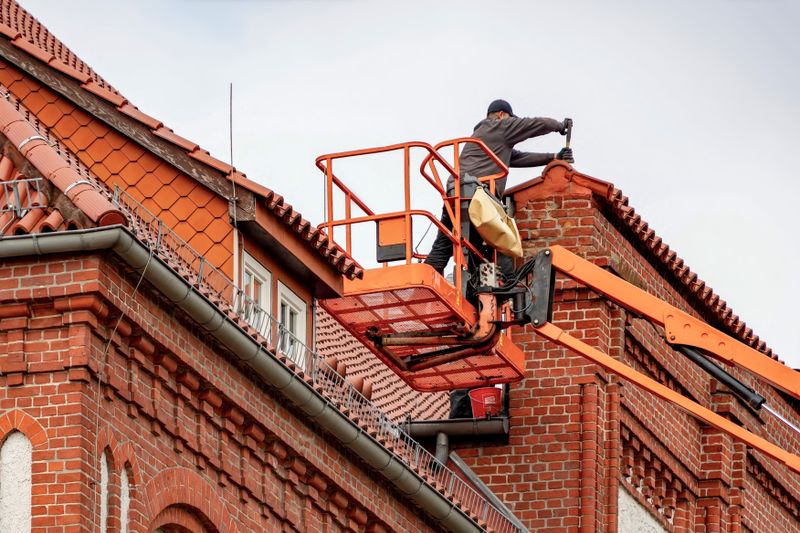
Roof Inspection in Metairie
Read More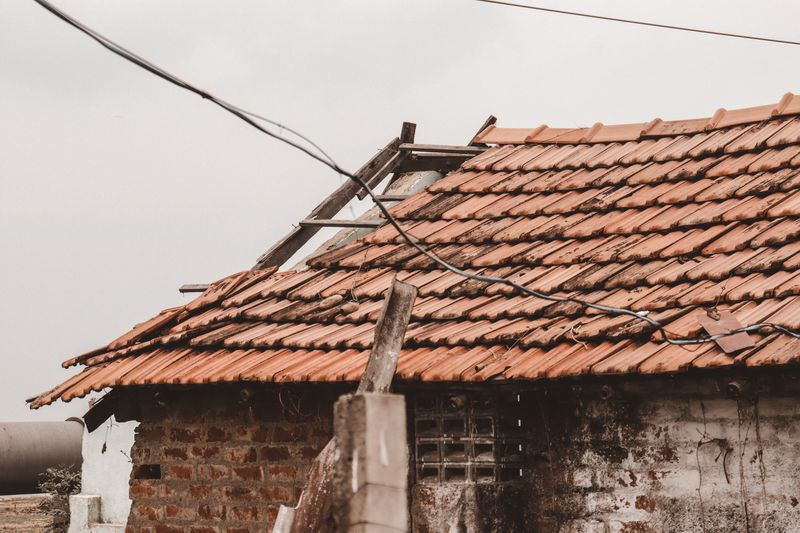
Hail Damage Roof Repair in Metairie
Read More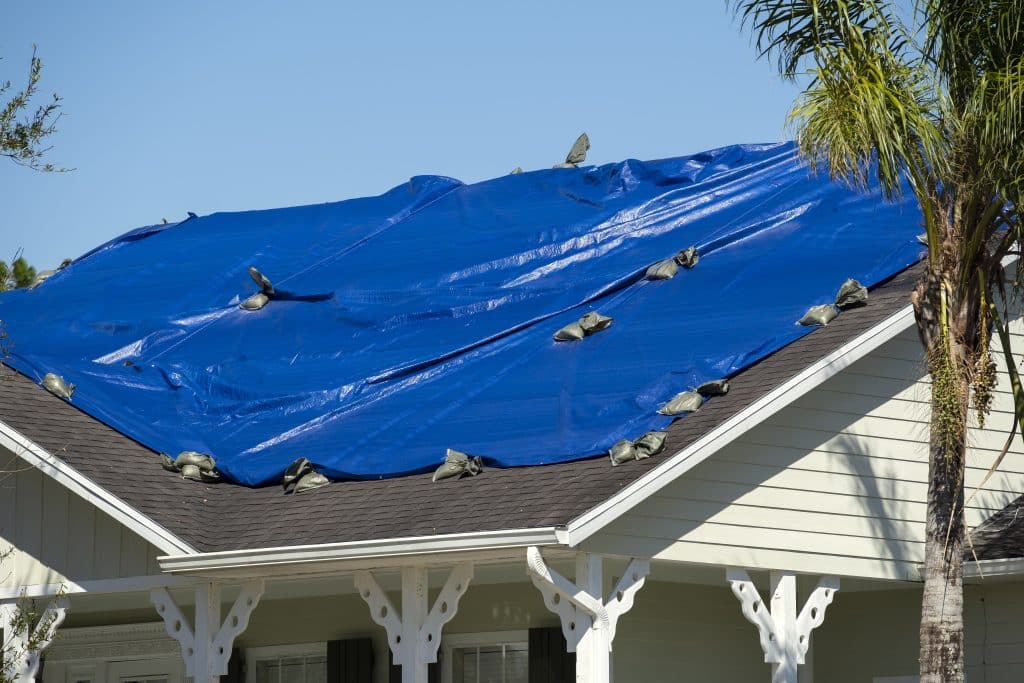
Storm Damage Roof Repair in Metairie
Read More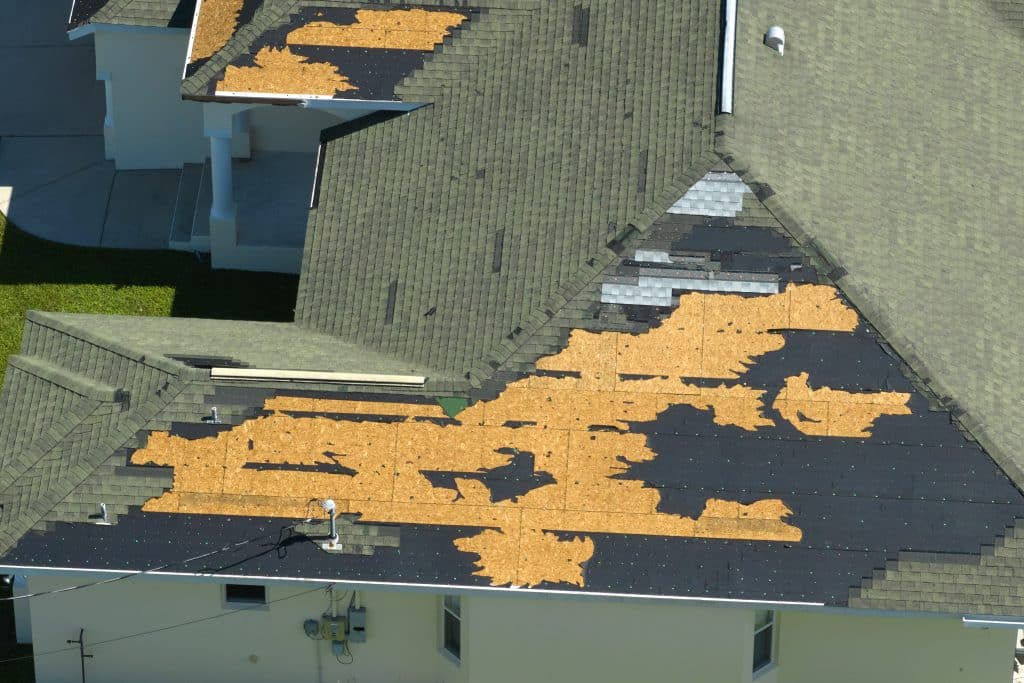
Storm Damage Emergency Response in Metairie
Read More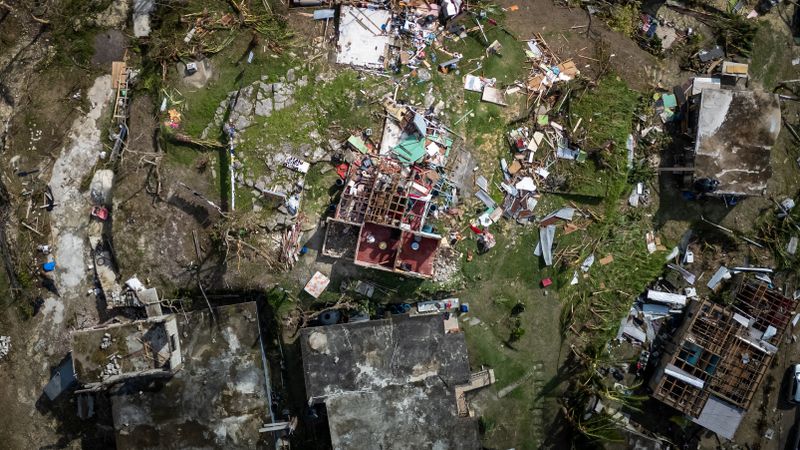
Emergency Roofing in Metairie
Read More
Roof Leak Detection in Metairie
Read More
Roof Maintenance in Metairie
Read More
Roof Coating in Metairie
Read More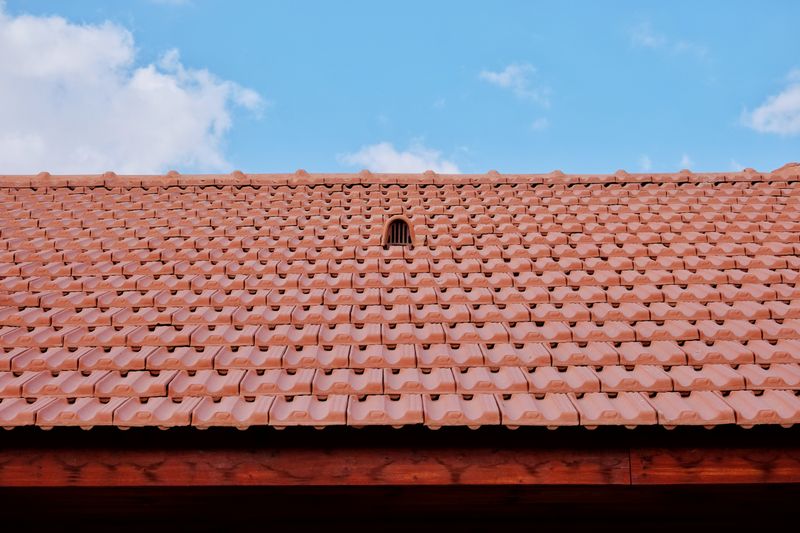
Roof Ventilation in Metairie
Read More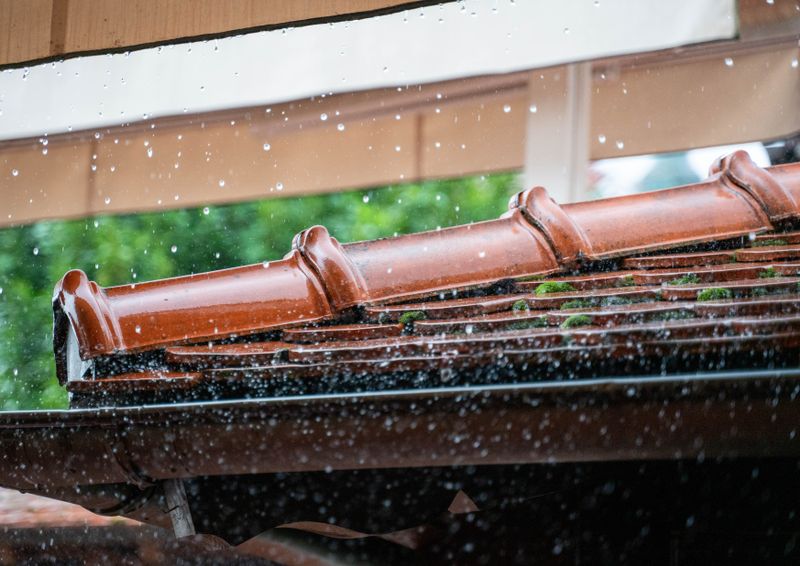
Roof Weatherproofing in Metairie
Read More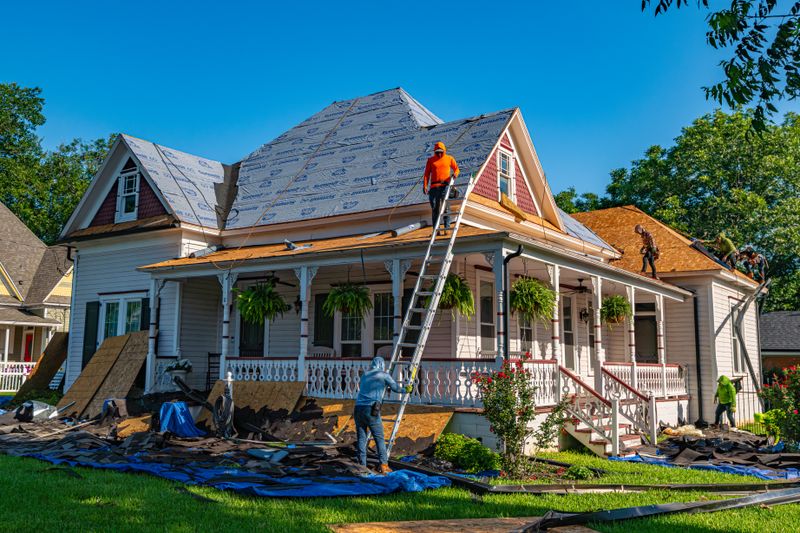
Roof Restoration in Metairie
Read More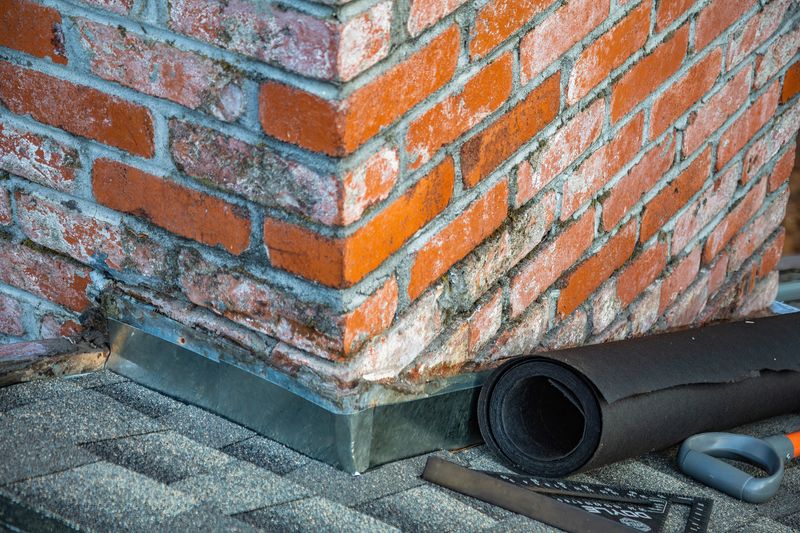
Roof Flashing Repair in Metairie
Read More
Fascia Board Installation and Repair in Metairie
Read More
Gutters and Downspouts Installation in Metairie
Read More
Gutters and Downspouts Repair in Metairie
Read More
Siding Installation in Metairie
Read More
Asbestos Roof Removal in Metairie
Read More
Roof Insurance Claims in Metairie
Read More
Soffit Installation in Metairie
Read More
Soffit Repair in Metairie
Read More
Commercial Roof Replacement in Metairie
Read More
Commercial Roof Repairs in Metairie
Read More
Commercial Roof Inspections in Metairie
Read More
Commercial Hail Damage Repair in Metairie
Read More
Commercial Re-Roofing in Metairie
Read More
Commercial Roof Coating in Metairie
Read More
Commercial Roof Ventilation in Metairie
Read More
Commercial Roof Leak Detection in Metairie
Read More
Commercial Siding Installation in Metairie
Read MoreMetairie Elastomeric Coating FAQs
The questions Metairie building owners and property managers actually ask us about elastomeric coatings, answered before you have to pick up the phone.
Topic
Question not here?
Ask us anything about coating your Metairie commercial roof. We usually answer the same day, no charge and no obligation.
Call (504) 800-8196What does elastomeric actually mean
That the cured film stretches and recovers rather than cracking when the roof moves. For the acrylic type the word has an objective definition: ASTM D6083, the standard specification for liquid applied acrylic elastomeric roof coating, which sets minimum cured film properties including elongation at break and tensile strength. A product either claims compliance with it or it does not.
What does ASTM D6083 require
Minimum properties for the cured film, including an elongation at break of at least 100 percent and a tensile strength of at least 200 psi, along with requirements for permeance, water swelling, adhesion, tear resistance, fungi resistance and low temperature flexibility after accelerated weathering. It is the reason to ask a bidder which standard their product meets rather than accepting the word elastomeric on its own.
How much do elastomeric coatings cost in Metairie
Estimated ranges. Acrylic elastomeric runs roughly $1.75 to $4 per square foot installed on a Metairie commercial roof, and the figure moves with the specified dry film thickness and how much preparation the existing surface needs. Those are market estimates rather than a quote; the written specification on your building carries the real number.
Elastomeric or silicone for my roof
It comes down to drainage. Acrylic based elastomeric films soften under water that sits, so on a roof that holds water, silicone is usually the better specification. On a roof that drains properly, acrylic elastomeric is the cheaper system and takes a recoat readily. The drainage survey decides it, and the chemistry comparison in full is on the commercial coating page.
What is the difference between two coats and ten dry mils
One describes effort, the other specifies a product. Dry film thickness is what the warranty is written against, and on an elastomeric system it is also what determines whether the cured film actually reaches the elongation and tensile properties ASTM D6083 sets, since those are measured on a film of a given thickness. A thin application of a compliant product is not a compliant system.
Why does reinforcement matter
Because coatings fail at details rather than in the open field. Seams, curbs, drains and parapet junctions are where the roof moves most and where a liquid film is thinnest over an edge. Embedding polyester reinforcing fabric into the coating at those points is a small part of the material cost and most of the difference in service life.
Can you coat over a roof with wet insulation
No, and candidacy is settled before the chemistry is even discussed. Whether a roof can take a coating at all is covered on the commercial coating page; what matters here is that no amount of elongation in the cured film compensates for water underneath it. An elastomeric system is specified only once the survey has cleared the assembly.
How long will an elastomeric system last
Manufacturers write warranty terms in years against a specified dry film thickness, the preparation and often an approved applicator, and terms commonly run in tiers. What a system delivers in practice depends on the thickness actually applied, the reinforcement at the details and the condition of the roof underneath, which is why all three are named in the scope.
Can an elastomeric roof be recoated
Yes, and on an acrylic system the reason is worth knowing. ASTM D6083 measures elongation after accelerated weathering as well as when new, because the property that matters is whether the film is still flexible years in. A system that has held its flexibility takes a compatible recoat readily; one that has gone brittle is a different job.
Will a coating stop my roof leaking
Not by stretching over it. Elongation lets the cured film follow the roof as it moves, which is what stops new cracks forming at the details, but an existing breach is repaired and reinforced during preparation before any field coat goes on. A film bridged over an open defect fails at exactly that line.
Book a Metairie elastomeric coating survey
A survey that checks candidacy and drainage before any chemistry is chosen, then a written specification naming the standard, the dry film thickness, the coverage rate and the reinforcement.
Call (504) 800-8196