
Insurance covers sudden, accidental damage from covered perils like storms and excludes gradual deterioration from weather exposure and aging. Adjusters in New Orleans look for directional damage patterns, displaced granules, and lifted shingles to distinguish storm damage from maintenance issues. Pre-claim documentation, understanding Louisiana’s valued policy law, and knowing your filing deadlines strengthen your position when dealing with insurers.
Storm damage is sudden, accidental harm caused by a covered peril such as high winds, hail, or heavy rain. Wear and tear is gradual deterioration that happens naturally over years of sun exposure, moisture cycling, and weathering. Your insurance policy covers storm damage; it does not cover wear and tear, which falls under the homeowner’s maintenance responsibility. Understanding this distinction is crucial for every roof claim in Louisiana, as it can determine whether the claim is approved or denied.

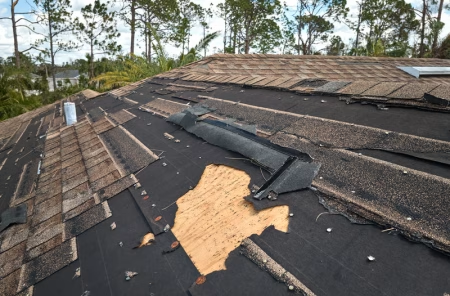
When an adjuster inspects your roof after high winds, they examine several telltale patterns. Lifted or peeling shingles indicate wind force had pulled at the roof structure. The wind curled the shingle edges, revealing visible wrinkled or creased tabs. Exposed underlayment in directional patterns—usually on the windward side of the roof or behind dormers shows where shingles were torn away. Fasteners that have pulled free or are visibly bent suggest powerful uplift forces. Adjusters photograph these signs carefully, because their documentation determines whether the claim gets approved or denied by the insurance company. Getting a professional roof inspection before filing strengthens your claim, and emergency roofing repairs can prevent further damage while your claim is being processed.
Adjusters licensed by the Louisiana Department of Insurance follow strict protocols when assessing wind claims. They document directional patterns that prove the damage occurred during a specific weather event, not from months of gradual exposure.
Hail creates a distinctive signature that separates it from wear and tear. The damage appears in random patterns across the roof rather than concentrated in one direction, because hail falls vertically. Soft metals like gutters, downspouts, and flashing show dents that indicate impact force. On asphalt shingles, granules are displaced or missing in scattered locations where hail struck. Cracked tiles (if you have a tile roof) show sharp fracture lines. These patterns are temporal; they occur suddenly during a hail event, whereas aging simply happens over time without any single trigger. For homeowners preparing for severe weather, learning how to hurricane-proof your roof is critical. Additionally, following roofing maintenance tips specific to Louisiana reduces the risk of damage from severe weather events. Big Easy Roofing trains its inspectors to photograph hail damage in high detail so that claims documentation stands up under adjuster review.

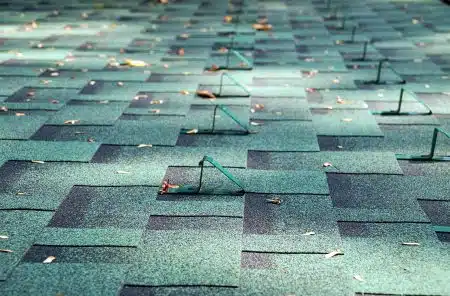
Wear and tear develops slowly and spans across the entire roof or large sections without directional bias. Granule loss occurs gradually as UV rays and moisture break down the binding, leaving bare spots scattered across many shingles. Moss, algae, or lichen growth indicates years of moisture retention and shade, not a sudden weather event. Curling shingles at the edges stem from UV exposure and heat cycling over years, not from storm impact. Slight discoloration and minor lifting at seams develops naturally as asphalt becomes brittle with age. Insurance companies consider all of these conditions as routine maintenance issues, which is why they do not cover them. Big Easy Roofing has inspected thousands of roofs across New Orleans and knows exactly how adjusters differentiate old age from storm damage.
Claims denial usually happens for one of four reasons. First, the damage doesn’t match the defined peril on your policy—for instance, you claim wind damage, but the pattern shows gradual deterioration. Second, the damage clearly pre-dates the storm event you’re claiming; an adjuster can see weathering alongside any recent impact. Third, exclusions on your policy apply; some policies exclude certain types of damage under deductible limits. Fourth, you missed the filing deadline. Louisiana law sets a one-year limit from the loss date to file a claim, and insurers strictly enforce this. If you miss the window, your claim is void regardless of merit.
If your claim is denied, you have options. Request a detailed written explanation of the denial reason from your insurance company. Hire a public adjuster licensed in Louisiana to review the denial and advocate on your behalf; a public adjuster knows the state laws and negotiation tactics that push insurers to reconsider. File a complaint with the Louisiana Department of Insurance if you believe the denial is unfair or violates state law. Gather independent documentation—photographs from before the storm, maintenance records, and repair estimates and submit it formally to your insurer. Occasionally a second opinion from a qualified roof inspector shifts the insurance company’s position. Big Easy Roofing has supported homeowners through appeals by providing detailed inspection reports that challenge denial decisions.
Your insurance company’s adjuster works for the insurer and has a financial incentive to minimize the claim payout. You hire a public adjuster to represent your interests. Public adjusters are licensed by the state and paid a percentage of the approved claim amount, so their incentive aligns with yours—maximize the settlement. They know Louisiana law and have negotiating experience. If your claim exceeds $5,000 in damages, hiring a public adjuster often pays for itself through a larger settlement. The process takes longer because additional documentation is gathered, but homeowners typically recover more money.
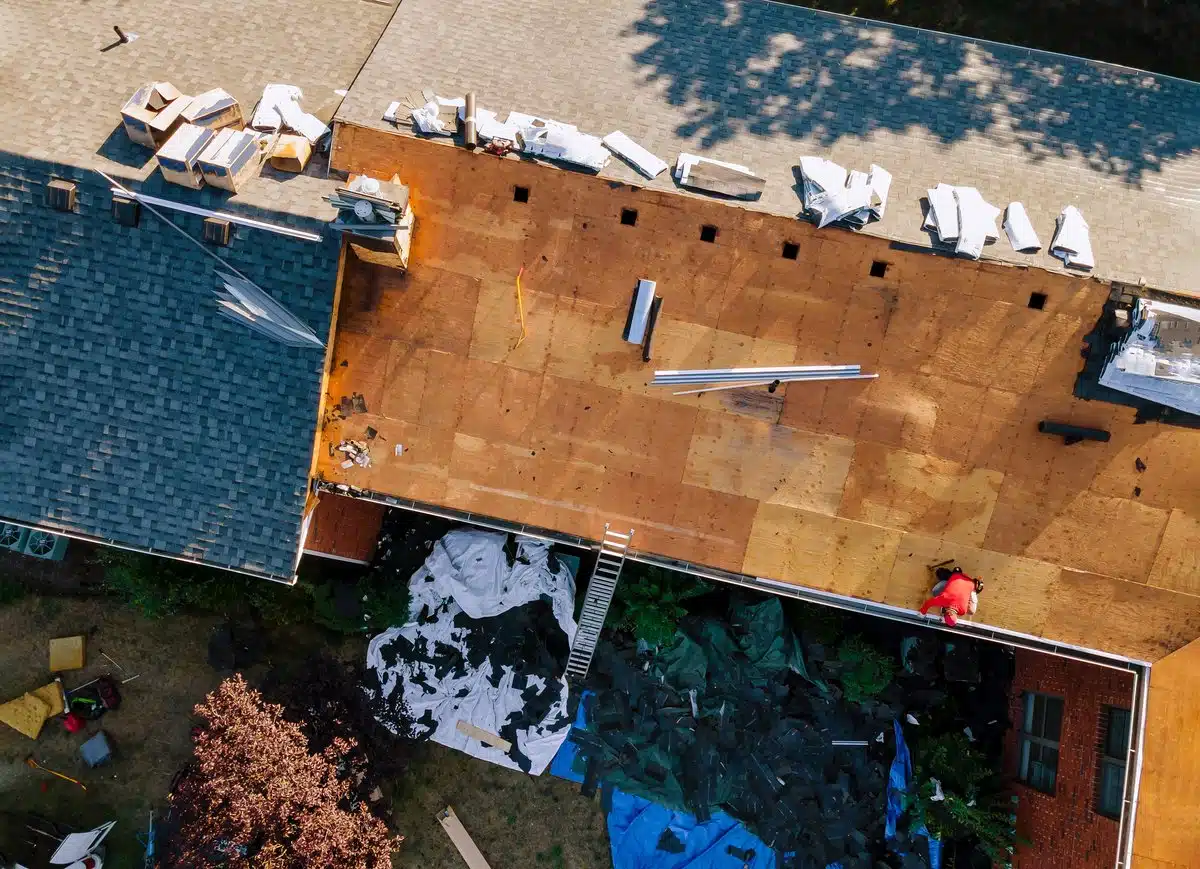
Insurance adjusters give far more weight to damage claims when you have pre-existing roof documentation. Drone photos taken before storm season show the roof’s condition at a known date. Professional inspection reports document the roof age, material type, and any existing damage. Video walkthroughs are timestamped evidence. When a storm hits and you file a claim, the adjuster can compare the before photos to the after photos and see exactly what changed. This eliminates any doubt about whether damage is pre-existing or caused by the recent storm. Contact Big Easy Roofing to schedule a pre-season roof inspection; the detailed report becomes powerful evidence if you ever need to file a claim.
Louisiana’s valued policy law works in your favor. If your home is insured for a stated amount and a total loss occurs, the insurer must pay the full stated value regardless of actual cash value. This law applies to roofs if your policy lists a specific roof value. The state also enforces a one-year filing deadline strictly; insurers cannot extend it. Louisiana does not allow any depreciation language to reduce roof replacement payouts on some types of policies, meaning your settlement covers the full estimate your replacement cost. Jefferson Parish and Orleans Parish residents should review their homeowner policy for any exclusions that might not apply due to state law. Big Easy Roofing stays current on Louisiana insurance law to help homeowners understand their rights.
A professional inspection produces a detailed written report with photographs, measurements, and a damage assessment that your insurer must consider. Inspectors know exactly what adjusters look for—directional patterns, granule displacement, fastener failure—and document it in technical language that carries weight. The inspection report includes a repair estimate, which gives the claim a specific dollar amount. When you submit the inspection report along with your claim, you’re presenting evidence that forces the adjuster to either accept the damage assessment or hire a separate inspector to dispute it. Most insurers accept a credible professional inspection rather than incur the cost of a counter-inspection. Schedule a professional roof inspection with Big Easy Roofing before filing a claim; the report becomes your strongest advocate.
If the initial insurance settlement is lower than expected, a supplemental claim allows you to submit additional documentation and request a higher payout. Some damage becomes visible only after initial repairs begin—interior water damage, structural rot, or hidden impact points. Supplemental claims are common in Louisiana after major storms. You have the right to file one, and insurers must review it. Public adjusters and skilled contractors often identify damage in supplementals that the initial adjuster missed, resulting in approval of higher payments. Big Easy Roofing has worked with homeowners to document supplemental damage on existing claims, increasing final payouts significantly.
Louisiana law gives you one year from the date of loss to file a claim. After one year, the claim is void and unrecoverable. File immediately after a storm or damage discovery.
Insurers cover sudden, accidental damage regardless of roof age if the damage is from a covered peril. However, if the adjuster determines the damage is wear and tear rather than storm damage, they will deny the claim.
You can repair emergency damage (like tarping leaks) immediately, but do not make permanent repairs until the adjuster inspects. If you repair first, the insurer may deny the claim, saying they can’t assess the original damage.
Request an appraisal. Many policies include an appraisal clause that allows a neutral third party to review the damage and settle disputes. This is faster and cheaper than litigation.
No. Moss and algae are considered wear-and-tear and maintenance issues, not covered perils. Insurance excludes them. Roof cleaning and preventive maintenance are the homeowner’s responsibility.
Yes, but photos strengthen your claim. Consider hiring an inspector to document the damage pattern and submit the report with your claim. Professional documentation can carry more weight than photos you take yourself.
File a complaint with the Louisiana Department of Insurance. Hire a public adjuster to appeal. Consider consulting an attorney if the amount in dispute is substantial.
Roof damage claims are complex, and timing matters. At Big Easy Roofing, we help homeowners navigate every step. Call us at (504) 800-8196 to schedule a free inspection or get a quote. The team handles everything from emergency tarping to full replacements, and every roofing project comes backed by a 24-hour roof replacement guarantee once payment is received.
Whether you need a pre-storm inspection, damage documentation, or emergency repairs, Big Easy Roofing handles the full spectrum. We work with homeowners in New Orleans, Gretna, Metairie, and across Orleans Parish and Jefferson Parish. Our inspectors produce detailed reports that insurers respect. Storm season is approaching. Protect your claim by scheduling a book a roof inspection now.
The first 48 hours after hurricane roof damage determine how much you recove...
Read More
When it comes to home maintenance and improvements, there are few issues more...
Read More Every time a storm rolls through New Orleans, homeowners face the same questi...
Read More Asphalt shingles labeled for 25 to 30 years of performance typically last 15 ...
Read More A seemingly small mistake in nailing can lead to significant damage and costl...
Read More Most homes across New Orleans, Louisiana still have asphalt shingles — and mo...
Read More 



 By Big Easy Roofing
  Apr 25, 2026