
Last Updated: May 2026
Jefferson Parish takes more direct hurricane hits than almost any other parish in Louisiana. Kenner, which borders Louis Armstrong International Airport and Lake Pontchartrain, combines high wind exposure with heavy rainfall and salt air conditions that test every roofing material on the market. The neighborhoods from Veterans Boulevard south to the river and from Causeway west to St. Charles Parish share these conditions, and the roofing decisions homeowners make here need to account for them. Big Easy Roofing works throughout Jefferson Parish and understands the specific challenges these communities face.
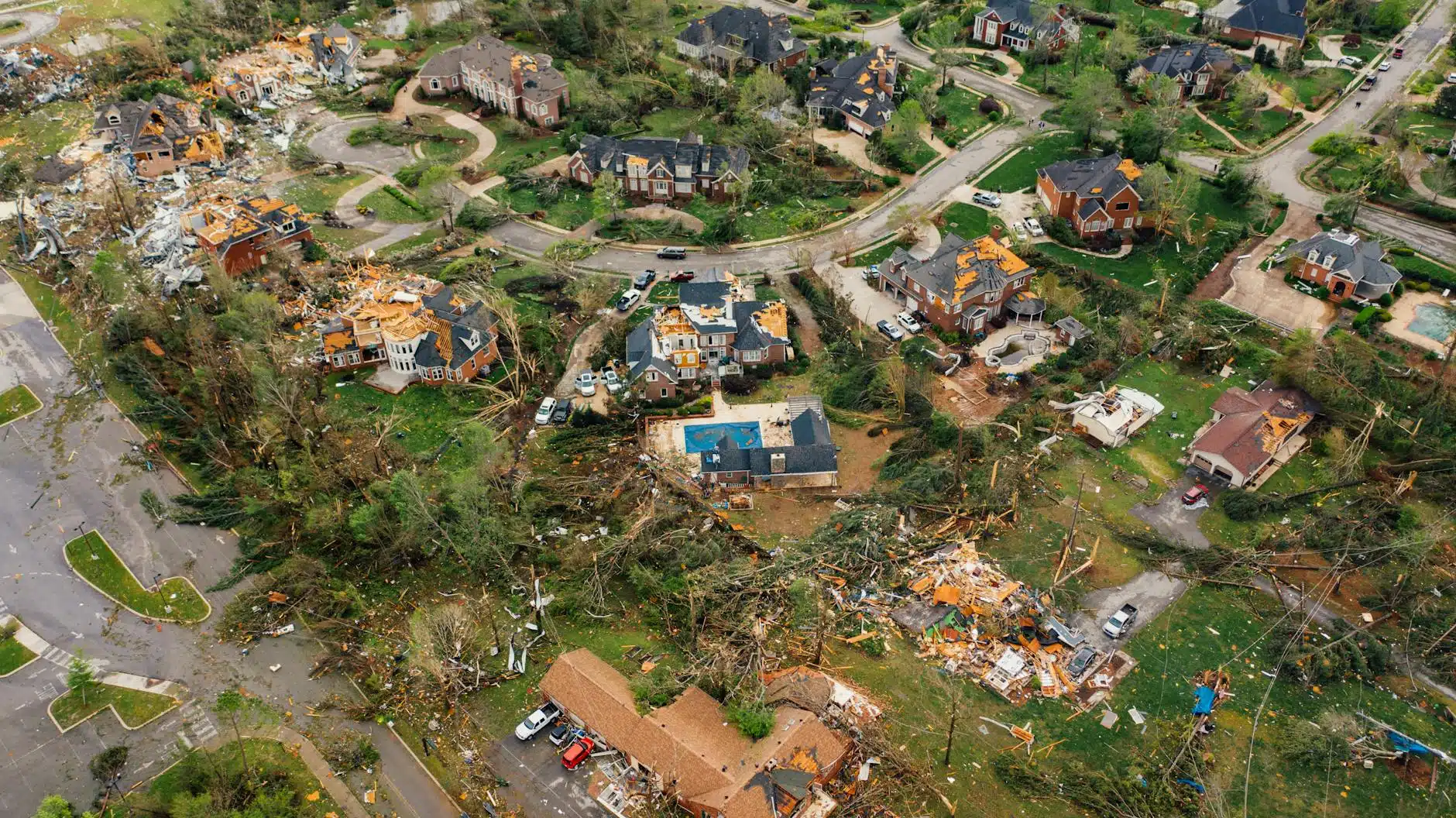
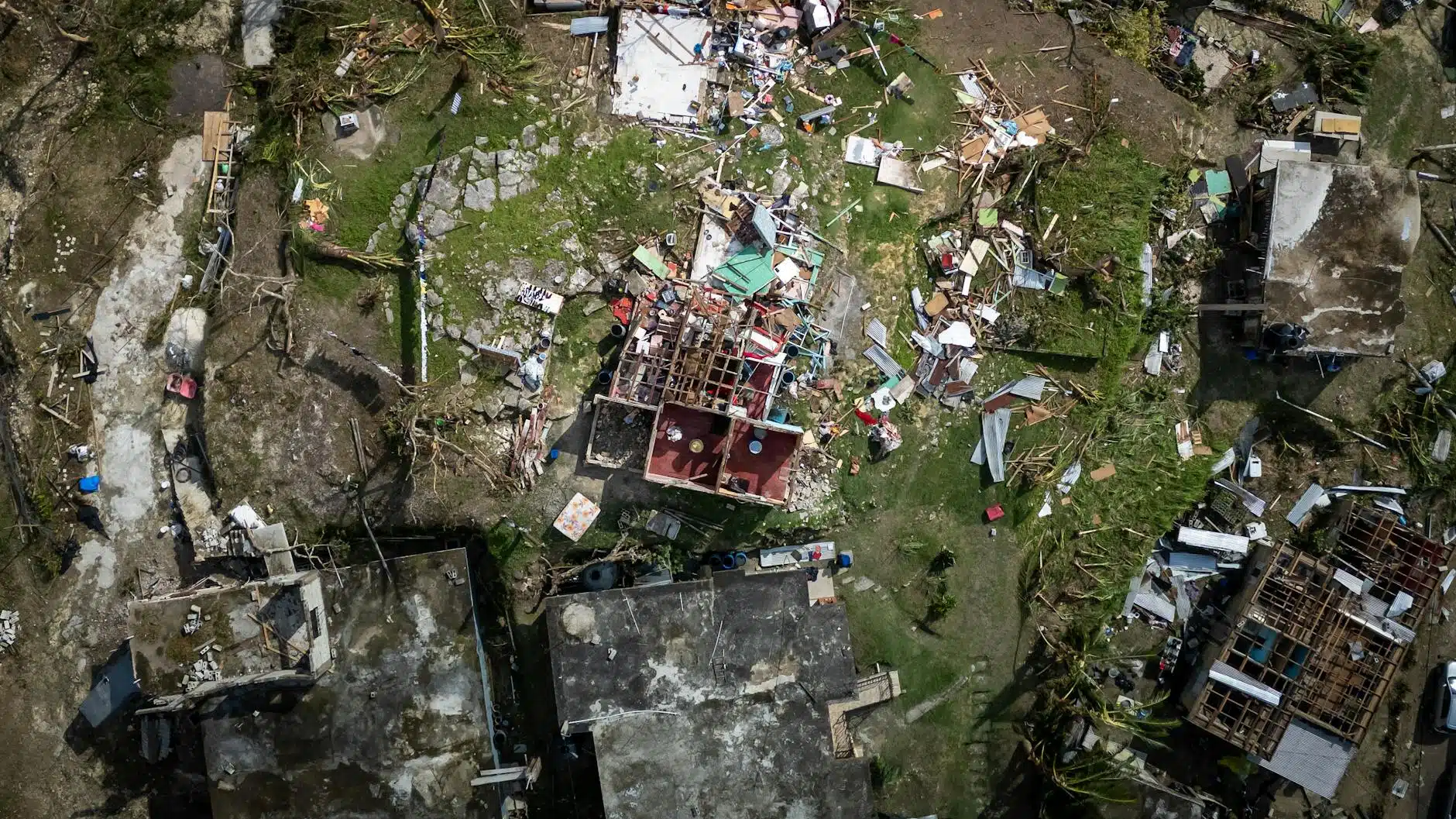
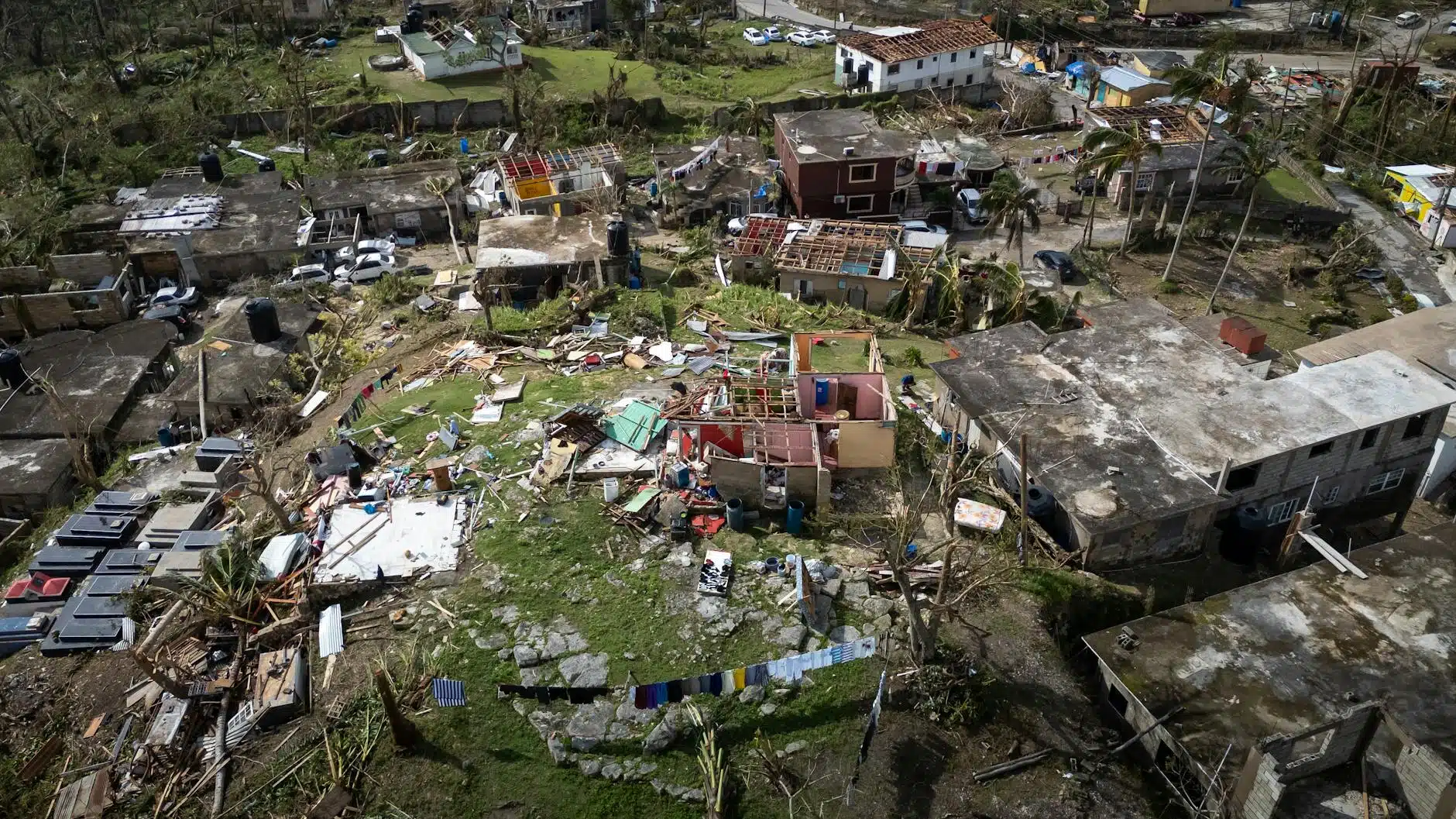
Stay off the roof and assess from the ground. Walk the perimeter of your home looking for missing shingles, exposed decking, debris on the roof, sagging sections, and downed tree limbs. Inside, check ceilings for new water stains, check the attic for daylight through the deck, and note any active dripping.
Photograph everything before touching debris or making temporary repairs. Your insurance claim depends on documenting the damage in its original post-storm condition. Take wide shots of the full roofline from each side, close-ups of specific damage points, interior water intrusion, and any debris that caused the damage.
Call your insurance company within 24 hours. File the claim, get a claim number, and ask for the adjuster assignment timeline. Then arrange emergency tarping for any active roof openings. In Kenner and Jefferson Parish, professional tarping runs $600 to $2,000 depending on the damage area, and your insurance reimburses this as a damage mitigation expense.
Do not sign contracts with door-to-door solicitors. After every major storm in Jefferson Parish, out-of-state operators flood the area within hours. Take time to verify any contractor through the LSLBC license verification process before signing anything.
Jefferson Parish faces four conditions that distinguish its roofing environment from inland Louisiana communities.
Direct hurricane track exposure: The parish sits on the Gulf coast with minimal buffer. Hurricane Katrina (2005), Gustav (2008), Isaac (2012), Zeta (2020), and Ida (2021) all impacted Jefferson Parish directly. Each event stresses shingle adhesive bonds, lifts flashing, and drives rain through gaps that normal rainfall would not reach. Cumulative wind damage reduces the functional lifespan of any roof regardless of material quality.
Salt air from Lake Pontchartrain: Kenner, Bucktown, and the lakefront neighborhoods experience salt air corrosion that accelerates deterioration of metal flashing, gutter hardware, and certain metal roofing finishes. Galvanized steel components rust faster near the lake than the same components would in Baton Rouge or Shreveport.
Rainfall intensity: Jefferson Parish averages over 60 inches of annual rainfall, with thunderstorm events regularly producing 2 to 3 inches per hour. Drainage capacity, gutter sizing, and roof slope matter more here than in areas with lower rainfall intensity.
Post-Katrina roof age convergence: A large percentage of Kenner and Jefferson Parish homes were reroofed between 2005 and 2008 after Hurricane Katrina. Those roofs are now 18 to 21 years old. In Gulf Coast conditions, asphalt shingles from that era are at or past their effective lifespan. The result is a wave of replacement demand hitting the market simultaneously, which affects contractor availability and material supply.
Jefferson Parish homeowners insurance policies typically include a hurricane deductible that is separate from and higher than the standard deductible. This hurricane deductible is usually 2% to 5% of the home’s insured value. On a home insured for $300,000, a 2% hurricane deductible is $6,000 out of pocket before insurance coverage begins.
Louisiana law provides two protections that Jefferson Parish homeowners should know. First, the hurricane deductible applies annually, not per event. If your roof is damaged by two storms in the same calendar year, your deductible is applied only once across both claims. Second, your insurer cannot cancel, non-renew, or increase your premium solely because you filed a claim for damage caused by an Act of God.
For maximum claim recovery, have your roofing contractor present during the adjuster’s inspection. The contractor can point out damage the adjuster might miss, particularly wind-driven rain entry points, lifted flashing, and shingle seal failures that are not visible from the ground. A detailed contractor estimate alongside the adjuster’s report strengthens your case if the initial payout seems low.
Architectural asphalt shingles rated for 130 mph winds are the standard for Jefferson Parish residential installations. They balance cost and performance effectively. For enhanced protection, impact-resistant (Class 4) shingles resist hail and debris damage and may qualify for insurance premium discounts.
Metal roofing, particularly standing seam with concealed fasteners, outperforms asphalt in every wind and durability metric. Standing seam panels interlock and resist uplift forces that would tear asphalt shingles away. For Jefferson Parish homes within a mile of Lake Pontchartrain, specify Galvalume steel with Kynar finish or aluminum panels to resist salt air corrosion.
Regardless of material, the installation details matter as much as the product. Hurricane clips or straps connecting the roof structure to the walls, a sealed roof deck (secondary water barrier), proper nail pattern at manufacturer specification, and adequate drip edge all contribute to a roof that survives the next storm rather than creating the next insurance claim. Ask your contractor about meeting FORTIFIED Home roof standards during installation.
Under Louisiana Act 239, all reroofing projects in Jefferson Parish require a permit from the Department of Inspection and Code Enforcement. Your licensed roofing contractor handles the permit application, which includes submitting the project scope and paying the permit fee. After installation, a code enforcement inspector visits the site to verify the work meets Louisiana building code.
The permit creates an official record that your roof was installed to code. This documentation benefits you during insurance claims (proving the roof met standards at installation), home sales (providing buyer confidence), and warranty claims (demonstrating compliant installation). A contractor who suggests skipping the permit to save time or money is putting your long-term interests at risk.
Verify LSLBC licensing at lslbc.louisiana.gov. Confirm active Residential Roofing classification. Call the insurance carrier on their certificate of insurance to verify current coverage. Ask for 3 to 5 references from recent Jefferson Parish projects and actually call them.
Prioritize contractors with a permanent Jefferson Parish or Orleans Parish business address. A roofer who has operated in the New Orleans metro area for years has weathered the same storms your roof has. They understand the local permitting process, the insurance claim dynamics, the material considerations for lakefront versus inland installations, and the specific wind exposure factors that distinguish this area from the rest of the state.
Get three written estimates. Compare scope, not just price. The cheapest estimate often reflects skipped steps: no tear-off, thinner underlayment, fewer fasteners, no permit, no ventilation check. Those omissions save money today and cost you in failed warranty claims, premature failure, and insurance complications later.
Both are in similar wind exposure zones within the New Orleans metro. The wind/hail portion of your premium depends more on your roof’s construction features (wind mitigation credits) and your specific address than on which side of the parish line your home sits on.
Architectural asphalt shingles typically last 15 to 22 years in Jefferson Parish conditions. Metal roofing lasts 40 to 60 years. The actual lifespan depends on material quality, installation quality, ventilation, maintenance, and how many direct hurricane hits the roof absorbs during its life.
Homeowners can legally perform roofing work on their own primary residence in Louisiana. However, the work still requires a permit and must pass inspection. DIY roofing voids manufacturer warranties, creates safety risks, and may affect your insurance coverage if the installation does not meet code.
Jefferson Parish follows the Louisiana State Uniform Construction Code, which adopts the International Residential Code and International Building Code with Louisiana-specific amendments for wind resistance. No additional parish-level roofing codes apply beyond the state requirements.
If discovered, you may be required to obtain a retroactive permit and possibly have the work re-inspected or corrected. Unpermitted work can complicate home sales, insurance claims, and future building permit applications. The contractor may also face LSLBC disciplinary action.
The Louisiana Fortify Homes Program provides grants of up to $10,000 for wind-resistant roof upgrades meeting IBHS FORTIFIED standards. A state income tax credit of up to $10,000 also applies to FORTIFIED roof installations completed after July 1, 2025. Check ldi.la.gov/fortifyhomes for current availability and application deadlines.
We've all heard it: "Roof tiles reduce heat and help keep your house cooler"....
Read More
Understanding the different types of roof damage covered by insurance is cruc...
Read More Installing a flat roof is an important and expensive process that requires kn...
Read More For most New Orleans commercial buildings, TPO is the stronger choice in 202...
Read More What You Need to Know Roof replacement costs in New Orleans range from $8,500...
Read More What You Need to Know Metal roofing offers New Orleans homeowners exceptional...
Read More 



 By Big Easy Roofing
  Jul 29, 2026