Commercial Roof Inspections Louisiana | Big Easy Roofing FREE Roofing Estimates
24 Hour Roof Replacement Guarantee
Call Icon
  Top

Call Our Roofing Experts! (504) 800-8196

Image
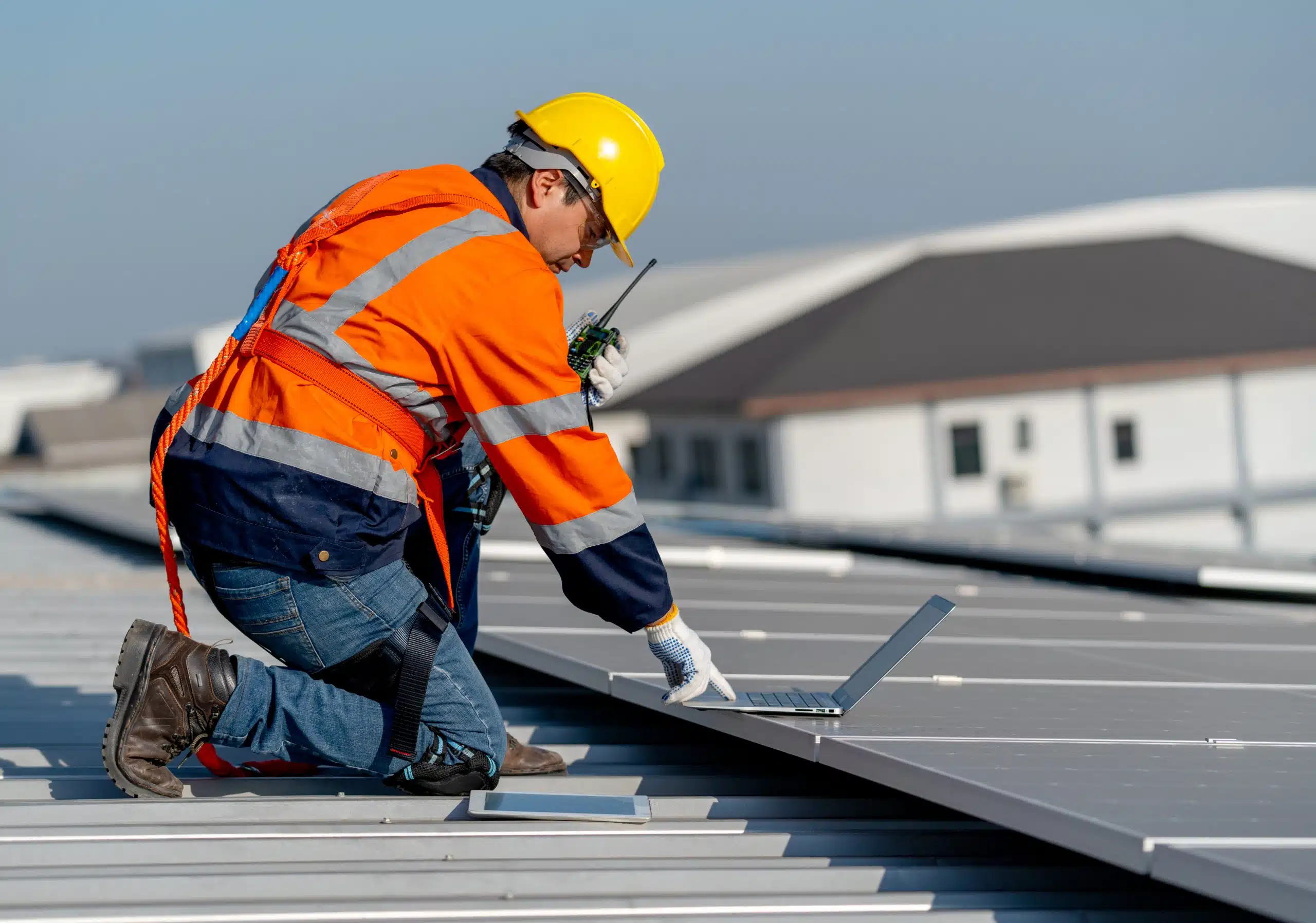
Commercial roof inspector examining TPO membrane seams on a flat-roofed New Orleans office building

How Often Should a Commercial Flat Roof Be Inspected in Louisiana?

How Often Should a Commercial Flat Roof Be Inspected in Louisiana?

Commercial flat roofs in Louisiana should be professionally inspected at least twice per year, once in spring before hurricane season and once in fall after it ends. Buildings with older roofs, heavy HVAC equipment, or prior leak history benefit from quarterly inspections. Louisiana’s Act 239, effective August 2025, requires permits and inspections for all commercial reroofing projects. Big Easy Roofing provides commercial roof inspections across the New Orleans metro area, including infrared scans and core cut moisture testing.

Last Updated: May 2026

A commercial flat roof that fails costs more than the replacement. It costs business downtime, damaged inventory, displaced tenants, and insurance deductible payments. The difference between a roof that lasts 20 years and one that fails at 12 usually comes down to whether someone was looking at it regularly enough to catch problems before they spread. In Louisiana’s climate, where flat roofs take punishment from heat, humidity, hurricane-force wind, and 60+ inches of annual rain, the inspection schedule matters as much as the roofing material. Big Easy Roofing inspects commercial flat roofs across Orleans, Jefferson, and St. Tammany parishes year-round.
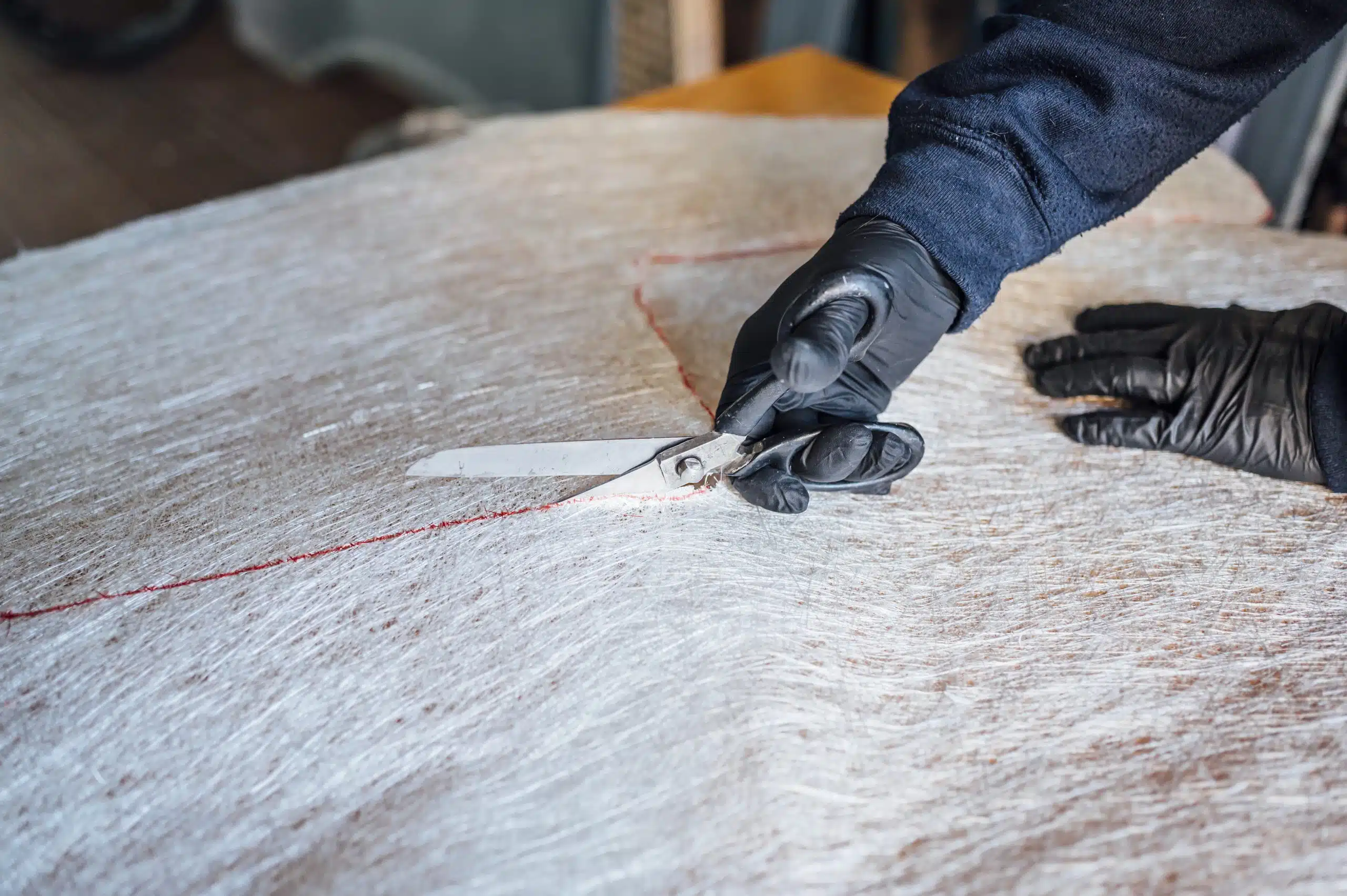
Table of Contents

Roofer performing a core cut sample on a commercial flat roof to check insulation moisture levels

What Is the Right Inspection Schedule for Louisiana?

Twice per year is the minimum for any commercial flat roof in Louisiana. The first inspection should happen in March or April, before hurricane season begins June 1. This gives you time to address any problems discovered, order materials, and schedule repairs before contractors are overwhelmed with storm-season emergency work. The second inspection should happen in November or December, after hurricane season closes November 30, to assess any damage from the season’s weather events.

Quarterly inspections make sense for buildings with these characteristics:

  • Roofs older than 10 years on any membrane type
  • Roofs with multiple HVAC units or heavy equipment that see regular foot traffic from service technicians
  • Buildings that have had leak incidents in the past 3 years
  • Roofs with ponding water issues that require drain monitoring
  • Multi-tenant properties where a roof failure would displace tenants and trigger lease liability

Monthly drain and scupper checks are recommended regardless of the full inspection schedule. These are quick visual checks that a facilities manager can perform without calling a roofer. Clear drains after debris buildup, verify scuppers are flowing, and note any new ponding areas for the roofer to assess at the next scheduled inspection.

What Does a Commercial Roof Inspector Actually Check?

A qualified commercial roof inspection covers more than a visual walkover. The inspector evaluates the membrane surface for punctures, blisters, cracks, and seam separation. They check every drain, scupper, and gutter for flow and blockage. Flashing around parapets, equipment curbs, pipes, and penetrations gets close examination for gaps, rust, and sealant failure.

Beyond the surface, advanced inspections include:

Core cut sampling: The inspector cuts a small section through the membrane and insulation to check moisture content in the insulation layer. Wet insulation beneath an intact membrane is invisible from the surface but destroys thermal performance and accelerates deck deterioration. Core cuts are the only way to confirm insulation condition without removing the membrane.

Infrared thermography: An infrared camera scan identifies wet insulation areas as thermal anomalies. Wet insulation retains heat differently than dry insulation, and the scan maps these differences across the entire roof in one pass. This is non-destructive and far faster than core cuts for large roofs. The best time for infrared scanning is during the evening after a sunny day, when the temperature differential between wet and dry insulation is greatest.

Structural assessment: On older buildings, the inspector checks for deck deflection, joist deterioration, and evidence of previous overloading. Flat roofs that hold ponding water for extended periods can stress structural members beyond their design capacity.

How Does Louisiana Act 239 Affect Commercial Roofing?

Louisiana Act 239, effective August 1, 2025, requires permits and inspections for all roof construction and reroofing projects on both residential and commercial structures. Before this law, many roofing projects, particularly on smaller commercial buildings, bypassed the permitting process entirely.

For commercial building owners, this means:

  • Any reroofing project must be permitted through the local jurisdiction (parish or municipality)
  • Required inspections must be completed and approved as mandated by law before the project is closed out
  • Contractors must hold valid LSLBC licenses for the scope of work
  • Building owners can verify permits were pulled and closed properly through local code enforcement

This law does not mandate ongoing inspection schedules for existing roofs. It applies to new installations and reroofing projects. The ongoing inspection schedule remains a building owner responsibility driven by best practices, manufacturer warranty requirements, and insurance policy conditions.

Infrared thermal scan of a commercial flat roof showing wet insulation areas as bright spots

Do You Need an Inspection After Every Storm?

After every named storm or weather event with sustained winds above 50 mph, yes. After routine thunderstorms, a visual check from the ground or building interior is sufficient unless you notice new leaks, unusual sounds, or visible debris on the roof.

Post-storm inspections focus on different items than routine seasonal checks. The inspector looks for wind-lifted membrane sections, displaced flashing, debris impact damage, shifted or damaged rooftop equipment, and new ponding areas created by debris blocking drainage paths. They also check the roof perimeter for edge metal that may have lifted or separated from the deck.

Filing an insurance claim for storm damage requires documentation from a professional inspection. Your roof insurance claim in New Orleans is stronger when backed by a detailed inspection report with photographs, measurements, and a qualified contractor’s assessment of the damage scope.

What Does a Commercial Roof Inspection Cost?

A standard visual inspection with a written report runs $200 to $600 for most commercial roofs in the New Orleans area, depending on roof size and complexity. Infrared thermography adds $300 to $800. Core cut sampling adds $100 to $300 per sample location, with most inspections taking 3 to 5 samples on a mid-sized commercial roof.

Many commercial roofing contractors offer annual maintenance contracts that bundle two inspections per year with priority scheduling for emergency calls and discounted repair rates. These contracts typically cost $500 to $1,500 annually for roofs under 20,000 square feet and provide the best value for building owners who want consistent coverage without managing individual service calls.

What Happens If You Skip Inspections?

Skipped inspections turn small, inexpensive repairs into large, expensive ones. A $200 flashing repair becomes a $5,000 water damage remediation project when the leak runs unchecked for 6 months. A $500 drain clearing becomes a $15,000 insulation replacement when ponding water saturates the substrate over a year of missed maintenance.

Manufacturer warranties on commercial roofing membranes typically require documented inspections at specified intervals. Skipping inspections can void warranty coverage on material defects and workmanship claims. If a membrane fails prematurely and the manufacturer finds no record of required maintenance inspections, they will deny the warranty claim.

Insurance underwriters for commercial properties also consider roof maintenance history. A building with documented biannual inspections demonstrates responsible ownership. A building with no inspection records for 5 years may face higher premiums, coverage limitations, or non-renewal at the next policy review.

Frequently Asked Questions

Does my commercial roof warranty require inspections?

Most commercial membrane warranties require documented inspections at intervals specified in the warranty terms, typically annually or biannually. Failure to maintain the inspection schedule can void warranty coverage on both material and workmanship claims.

Can my building maintenance staff do the inspections instead of a roofer?

Maintenance staff can handle monthly drain checks and visual monitoring for obvious issues like new leaks or debris accumulation. The biannual inspections should be performed by a licensed commercial roofer who can evaluate membrane condition, seam integrity, flashing details, and insulation moisture that are beyond general maintenance scope.

How long does a commercial roof inspection take?

A visual inspection with report takes 1 to 3 hours for most commercial roofs under 20,000 square feet. Adding infrared scanning adds 1 to 2 hours. Core cut sampling adds 30 minutes to 1 hour depending on the number of sample locations.

What should I receive after a commercial roof inspection?

A written report with dated photographs, a condition assessment for each roof section, identification of any deficiencies or recommended repairs, an estimated remaining service life, and a priority ranking for any repair items. Digital reports with GPS-tagged photos are standard from most commercial roofing contractors in 2026.

Is a drone inspection equivalent to a physical roof inspection?

Drones provide excellent visual documentation and can cover large roofs quickly, but they cannot assess seam integrity by touch, perform core cuts, or detect soft spots in the membrane that indicate subsurface moisture. A drone survey supplements a physical inspection but does not replace it.

Should I inspect a commercial roof before purchasing a building?

A pre-purchase roof inspection with core cuts and infrared scanning is one of the most valuable due diligence steps for any commercial property acquisition. The roof is often the single most expensive component to replace, and its condition directly affects operating costs, tenant satisfaction, and insurance rates.


Related Posts
24-Hour Roof Replacement Guarantee