
Soffit and fascia protect your roof’s structure and home interior from moisture, pests, and weather damage. In New Orleans’ humid subtropical climate, wood rot, termite pressure, and UV degradation accelerate soffit and fascia deterioration far faster than in drier regions. Early detection of peeling paint, soft boards, visible rot, or sagging gutters can prevent costly attic damage, shingle failure, and structural rot. Prompt repair or replacement using climate-appropriate materials preserves proper roof ventilation and extends overall roof life.
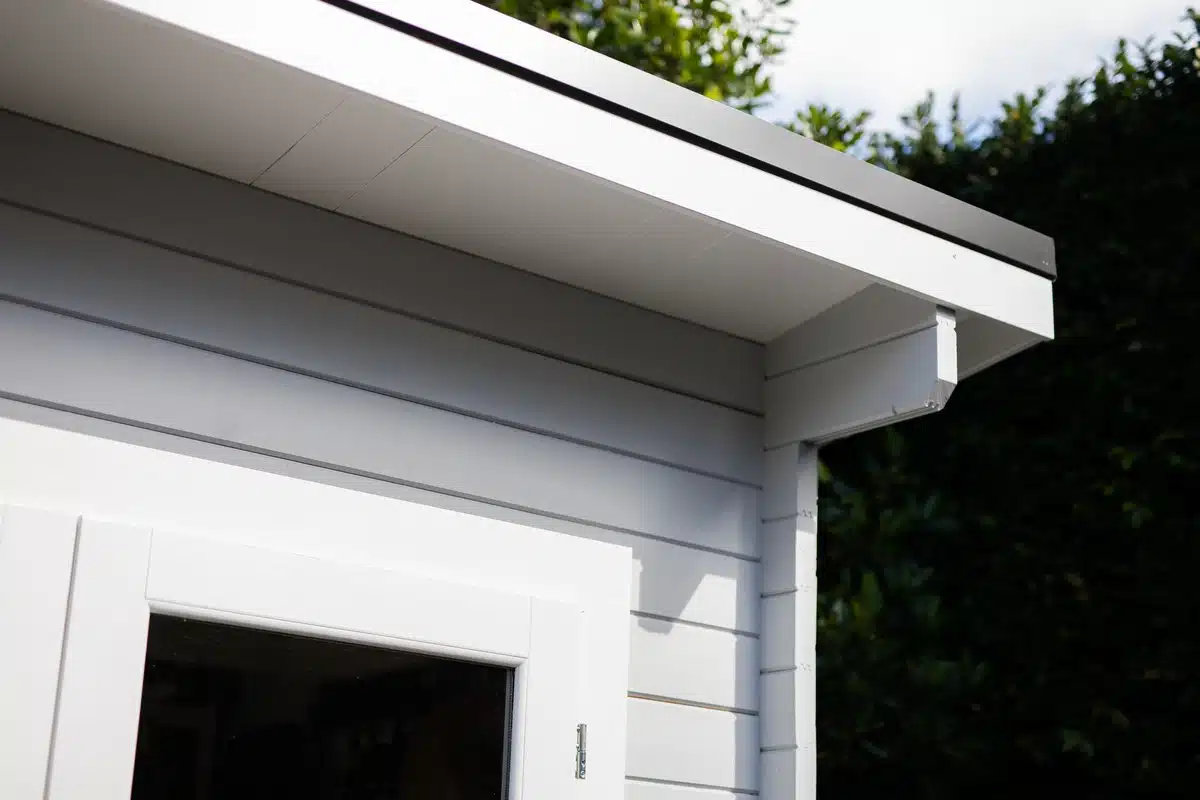
Soffit is the underside of your eave overhang, the horizontal panel that closes off the gap between the outer wall and the edge of the roof. It provides critical ventilation to your attic space, allowing air circulation that prevents moisture buildup and heat accumulation. Proper check your roof ventilation in NOLA extends shingle life and reduces mold risk. Fascia, by contrast, is the vertical board that runs along the eave edges where the gutter attaches. It covers the rafter ends and provides a finished appearance while protecting framing lumber from direct weather exposure. Both components work together: soffit vents bring fresh air into the attic, while fascia protects the structure that holds those vents in place.

New Orleans’ subtropical climate creates a perfect storm for soffit and fascia failure. Year-round humidity accelerates wood rot in fascia boards far faster than in temperate climates. If your home is in New Orleans or nearby areas like Metairie or Gentilly, you’re experiencing constant moisture pressure. The region is also home to aggressive Formosan subterranean termites that tunnel through wood with alarming speed, and they prefer soffit and fascia because these components sit at the roof line, which is their preferred entry zone.
Standing water from clogged gutters backs up behind fascia boards, creating a slow drip that rots wood from the inside out. The intense southern sun also causes UV degradation on vinyl and fiber cement soffits, causing brittle cracking and paint failure. Wind-driven rain during thunderstorms and hurricane season forces moisture behind soffit panels, where it sits until it causes hidden rot.
Catching soffit and fascia damage early prevents exponentially higher repair costs. Walk around your home’s exterior, preferably with binoculars, and look for these red flags.
This is often the first visible sign. Paint bubbles and peels when moisture seeps into wood or when UV rays break down vinyl soffit coatings. If you see widespread paint failure on multiple sides of the house, wood rot is likely underneath.
Press your finger gently on the fascia. If it yields to pressure instead of staying firm, the wood is rotted. This is critical to check because rotted fascia can fail suddenly, pulling your gutters down and allowing roof water to cascade down your walls.
Dark streaks, black mold, or crumbling wood means decay is active. In Lakeview, Carrollton, and other moisture-prone neighborhoods, the problem can advance from diagnosis to structural failure in a single wet season if left untreated.
Gaps in soffits attract paper wasps, mud daubers, and rodents seeking shelter. Gaps also mean your attic ventilation is compromised. If you see nests or chewing damage, the soffit needs immediate attention.
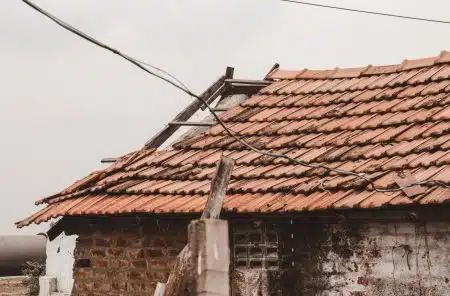
Gutters that pull away from fascia or sag in the middle indicate the fascia boards underneath have rotted and lost structural integrity. This is a safety hazard and a sign that water is pooling behind the fascia, rotting the wood further.

Not all soffit materials perform equally in subtropical humidity. Here’s a breakdown.
Traditional wood requires constant maintenance, including annual staining or painting. In the NOLA climate, wood will rot within 10-15 years unless sealed impeccably. For homes in Uptown, French Quarter, Bywater, or any older neighborhood, replacement with a more durable material is recommended.
Vinyl is moisture-resistant and low-maintenance, but UV exposure and the intense southern sun cause brittleness, fading, and cracking after 15–20 years. Expansion and contraction from temperature swings also loosens the fasteners.
Aluminum resists rot and termites, but it dents easily in storms and does not handle severe wind pressure well. In the New Orleans climate, it’s affordable and durable for 20–25 years.
Fiber cement combines durability and low maintenance, resisting rot, termites, and UV damage. It’s heavier than vinyl, maintaining rigidity through temperature swings. Fiber cement is the best option for Algiers, Tremé, and other high-humidity areas, though it costs more upfront.

Soffit vents are the intake half of your attic’s air circulation system. Damaged soffits, covered holes, or clogged vents prevent air from flowing into the attic. Hot, humid air gets trapped and condenses, creating an environment where mold grows, shingles warp, and roof decking rots. A schedule a roof inspection by Big Easy Roofing will check whether your ventilation is compromised. Even a new shingle roof can fail within 10 years if attic moisture is not controlled, so restoring soffit ventilation is an investment in your entire roof’s performance.
The decision depends on the extent of damage. If only a section of fascia is rotted or a small area of soffit is damaged, localized repair can solve the problem. However, if rot has spread across multiple fascia boards or soffit sections, replacement is more cost-effective and prevents recurring issues.
Big Easy Roofing recommends professional inspection to assess the damage. If rot has already compromised structural framing or if termite damage is extensive, only replacement restores full protection. Patching rotted wood delays the inevitable and often leads to bigger problems within two to three years.
Soffit and fascia installation costs vary by scope and material choice. Wood installations run $300–$1,000 per section for smaller jobs, while a full wood installation averages $1,500–$3,000 per side depending on linear footage. Vinyl soffits run $2,000–$4,000 for a typical home, aluminum $2,500–$5,000, and fiber cement $3,500–$6,500. A full soffit and fascia installation on a Metairie or Kenner home typically ranges from $4,000 to $12,000 depending on house size and chosen materials.
Delaying installation often triples costs because hidden rot spreads to attic framing, roof decking, and sheathing. Scheduling soffit and fascia installation as soon as warning signs appear protects against $10,000+ in secondary damage.
Please note: The prices in this article are estimates only, shared to help you plan. Your actual cost depends on your property, the materials and the size of the job. For pricing on your project, call Big Easy Roofing at (504) 800-8196 for a quote.
No. Peeling paint indicates moisture infiltration or substrate failure. Painting over it traps moisture and accelerates rot. The underlying cause must be addressed first.
At least twice a year, spring and fall, or after major storms. In New Orleans’ high-humidity climate, quarterly checks are ideal for wood soffits.
Most policies cover sudden storm damage but not gradual rot from poor maintenance. If your damage is storm-related, you can file a claim; otherwise, you’ll need to cover the repairs yourself.
Ignored damage spreads to attic framing, roof decking, and sheathing, voiding roof warranties and leading to mold, termite infestation, and tens of thousands in repairs.
A typical residential replacement takes 2–5 days depending on house size and material choice. Big Easy Roofing coordinates the work to minimize disruption.
Yes. Soffit intake vents and ridge exhaust vents work together. Without soffit vents, ridge vents cannot function properly, and attic moisture builds up.
Yes, for consistency. However, north-facing soffits experience less UV degradation, so some homeowners use cheaper materials there and premium materials on sun-exposed sides.
If your soffits or fascia show any warning signs above, don’t wait for the damage to spread. Call Big Easy Roofing at (504) 800-8196 to schedule a free inspection or get a quote. The team handles everything from emergency tarping to full replacements, and every roofing project comes backed by a 24-hour plan a full roof replacement guarantee once payment is received.
When you think of fire, the first thing that comes to mind is destruction and...
Read More
New Orleans roofs take a beating — hurricane-force winds, 60+ inches of rain ...
Read More Summary: Choosing siding in New Orleans means weighing six factors that car...
Read More What You Need to Know Metal roofing offers New Orleans homeowners exceptional...
Read More Louisiana receives fewer hail events than states in Tornado Alley, but hail ...
Read More As an environmentalist, you understand the importance of protecting the plane...
Read More 



 By Big Easy Roofing
  Apr 19, 2026