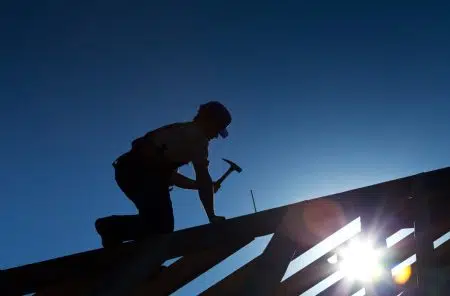

Why does temperature matter so much when installing shingles? It directly affects how long your roof will last. Shingle installation requires the right temperature to achieve a successful and durable result.
If it’s too cold, the shingles can crack or fail to seal properly. If it’s too hot, they become too soft and prone to damage. Knowing these temperature limits helps guarantee a roof that will last, protecting your home through every season.
For expert shingle installation that stands up to the elements, contact Big Easy Roofing today.

Shingle installation requires careful attention to temperature conditions. The ideal temperature for this task is between 40 and 85 degrees Fahrenheit. At these temperatures, shingles can seal effectively and are less likely to break or crack during installation.
In warmer conditions, shingles become more pliable. This makes them easier to cut and fit around complex roof features. However, excessive heat can cause the asphalt in the shingles to soften too much. This increases the risk of damage from foot traffic on the roof.
Installing shingles in temperatures below 40 degrees presents unique challenges. The shingles become brittle and may crack when nailed. The self-sealing adhesive strips on shingles require warmth to activate properly. Without adequate heat, these strips won’t bond, leaving the roof vulnerable to wind uplift and leaks.
To avoid these issues, installers sometimes use supplemental heating techniques or manually apply roofing cement under each shingle tab. These methods ensure proper adhesion but also add time and cost to the project.
During hot weather, it’s important to start work early in the day. This avoids the peak temperatures that can make shingles too soft. It also helps protect workers from heat-related illnesses.
Cold weather shingle applications often lead to serious roofing issues. When temperatures drop, asphalt shingles can become brittle and more prone to breaking. This makes roof installation temperature crucial.
Roofers find it challenging to work with these materials in cold weather. They must handle each shingle carefully to avoid cracking. The risk increases as the mercury falls, making roofing maintenance a priority before winter hits.
Roof temperatures below freezing can cause adhesive failures. This is a main concern during cold weather roofing projects. Normally, shingles adhere better in warm conditions.
In colder climates, the adhesive does not set properly. This leads to shingles that are not securely attached. Over time, this can result in leaks and other roof problems. Homeowners may face unexpected roofing emergencies due to this issue.
Roofing cost can spike during cold months. This is because extra precautions are needed. Also, the process is slower due to the challenges of working in cold conditions.
Materials may also require special treatment or warm storage solutions. These factors can drive up the overall roofing needs financially.

The use of equipment like nail guns requires special attention in cold weather. Nail guns need to be adjusted because the cold can affect the pressure needed to properly drive nails into the surface.
Incorrect pressure can lead to nails not being fully driven or causing damage to the shingles. Checking equipment regularly ensures it performs well, even in cold temperatures.
Applying shingles in cold weather needs careful planning. The adhesive strip on the back of shingles may not stick properly if it’s too cold. To combat this, roofers often manually apply a bit of roofing cement under each shingle for extra adhesion.
This step is important around critical areas like skylights and the roof’s edge where wind uplift could be a problem.
Weather is a big factor in how well roofing materials perform. Wind can lift shingles that haven’t properly sealed due to cold weather. Also, ice accumulation can weigh down on the structure, especially near skylights or other openings.
Paying close attention to the forecast allows roofers to plan for these challenges and avoid potential issues.
Workers face bigger risks due to improper temperature conditions during shingle installation. High temperatures can lead to heat exhaustion, while cold conditions increase the chance of hypothermia. Both scenarios put workers’ health at risk, emphasizing the need for safety precautions.
Contractors must keep a close eye on forecasts to plan work schedules that avoid extreme weather. They should also educate their teams on recognizing signs of weather-related health issues.
Effective planning around temperature limits not only ensures worker safety but also improves job efficiency. Contractors who schedule jobs on days with optimal temperatures experience fewer delays. This careful scheduling benefits the business by keeping projects on track and avoiding costly overruns.
Paying close attention to temperature limits requires contractors to be vigilant about conditions. They must balance the urgency of completing a job with the need to wait for safer, more suitable weather. This often means rescheduling work or adjusting plans last minute, which can be challenging.
However, this flexibility helps maintain high safety standards and preserve the quality of work. It shows a contractor’s commitment to both their team’s well-being and their clients’ satisfaction.
Understanding the temperature limits for shingle installation isn’t just about finishing the job—it’s about doing it right. Cold weather can cause materials to crack or fail to seal, making the work harder and less safe. Sticking to the recommended temperature range keeps your roof solid and your crew safe. A properly installed roof protects your home from the elements, saving you stress and money down the road.
Before you plan your roofing project, always check the forecast. If it’s too cold, it’s smarter to wait than risk a bad installation.
Have questions or need advice? Contact Big Easy Roofing today. Our experienced team will guide you through the process, making sure your roof is ready to withstand any weather. Your home deserves the best—reach out now or visit our blog for more tips and insights!
Installing a flat roof is an important and expensive process that requires kn...
Read More
When it comes to your home, the roof is one of the most important components....
Read More Roof repairs can be expensive and/or time-consuming. It’s a dangerous activit...
Read More Having proper attic ventilation is essential for extending the life of your r...
Read More Congratulations! You've just installed a new roof. You want your new roof to ...
Read More How to prevent gutters from clogging? Keep your gutters clean - This is an ob...
Read More 




 By Big Easy Roofing
  Oct 8, 2024