



Commercial Roof Coating in Gretna, LA
Big Easy Roofing coats commercial roofs across Gretna and Jefferson Parish. Two coating quotes at the same price per square foot can be two different products at two different thicknesses. The number that separates them is the dry film, and it is the line a quote can most easily leave out.
Gretna commercial roof coating at a glance
A commercial coating is a liquid membrane applied over a roof that is still sound. It is specified on dry film thickness in thousandths of an inch, not on how many coats go on, because thickness is what the manufacturer writes the warranty against and what makes two quotes comparable to each other.
What you are buying
A mil is one thousandth of an inch. The scope names the dry film the finished system has to reach, and everything else on the quote is a means of getting there. Two coats of a thin product is not the same purchase as two coats of a thick one.
Who issues the permit
A coating applied to a sound existing roof is maintenance rather than the re-roofing that La. R.S. 37:3737(I) covers, so it is normally outside the permit. Where a job turns into a re-covering, the office at file is the City of Gretna Building Department at 740 2nd Street inside the city limits or Jefferson Parish permits outside them, and we confirm the position before starting.
The constant behind it
A US gallon is 231 cubic inches, so spread one thousandth of an inch thick it covers 1,604 square feet. A theoretical coverage figure on a datasheet comes from that number reduced by the volume solids and the specified thickness.
Mils, not coats
A quote reading two coats states nothing you can check. A quote reading a named product at a stated dry film, with the volume solids and the wet rate, can be put beside another one and actually compared.
What the warranty rides on
Coating manufacturers issue warranty terms against the specified dry film and the surface preparation, and frequently against an approved applicator as well. Term length can turn on the system, the substrate and the inspection conditions too, so ask what a given term is written against rather than reading the years on their own.
The figure to distrust
Datasheet coverage assumes a smooth surface and no loss. A granulated cap sheet, a porous aged surface or a windy application all take more than the sheet says, so treat it as a ceiling rather than as a plan.
A coating quote is one of the least comparable documents in commercial roofing. Two bidders can put almost the same price per square foot on the same building and be offering different products at different thicknesses over different amounts of preparation, and nothing on either page tells the reader which is which. That is not usually dishonesty. It is that the one number that would settle it, the dry film thickness the finished system has to reach, is not a number either side has been asked for.
So this page is about the arithmetic rather than about whether your roof should be coated. Big Easy Roofing writes a commercial coating scope naming the product, the specified dry film, the volume solids, the wet rate that produces that dry film and the preparation, and the reason all five appear is that any one of them missing makes the other four unverifiable. Whether the roof is a candidate for a coating at all is a different question, answered by a survey and set out on the roof coating page, and finding wet insulation before anything is specified is covered on the commercial roof inspections page.
Dry film, wet film and what a gallon actually covers
The whole calculation runs off one constant. A gallon spread at one thousandth of an inch covers 1,604 square feet, so dividing that by the specified dry film and multiplying by the volume solids gives the coverage. Worked here at 55 percent volume solids, which is a common figure rather than a universal one.
| Specified dry film | Wet film needed | Theoretical coverage | Gallons per 100 sq ft |
|---|---|---|---|
| 15 mils dry | About 27 mils wet | About 59 sq ft per gallon | About 1.7 gallons |
| 20 mils dry | About 36 mils wet | About 44 sq ft per gallon | About 2.3 gallons |
| 25 mils dry | About 45 mils wet | About 35 sq ft per gallon | About 2.8 gallons |
| 30 mils dry | About 55 mils wet | About 29 sq ft per gallon | About 3.4 gallons |
| A quote reading two coats | Not stated | Not stated | Cannot be worked out |
Worked at 55 percent volume solids, so a product at a different solids content gives different figures and the datasheet governs. These are theoretical coverages on a smooth surface with no loss, and a real roof takes more, which is why they are a ceiling rather than a plan. No row here is a recommendation: the right dry film comes from the system and the manufacturer, not from a table. Call (504) 800-8196 for a scope with the thickness, the solids and the wet rate written into it.
What the warranty rides on, and who permits the work
A coating warranty is issued against the specification rather than against the brand on the pail, so the thickness and the preparation decide the term. The permit position is separate and follows whether the covering is being replaced, which on a coating over a sound roof it is not.
Warranty term
Manufacturers write the years against a specified dry film and a stated preparation, among other conditions. Two quotes offering different terms can be the same chemistry at two thicknesses, so compare the specifications before comparing the terms.
Approved applicator
Many coating warranties are issuable only by a contractor the manufacturer has approved for that system. It is worth asking early, because it is not something that can be added after the roof is coated.
Who issues the permit
For an address inside the Gretna city limits, the City of Gretna Building Department at 740 2nd Street files through MyGovernmentOnline. For an address in the unincorporated part of Jefferson Parish, the parish permits office. A Gretna postal address covers both, so the boundary decides which office, not the postmark. We establish which one covers the building before anything is filed.
How the fee is set
The City of Gretna does not publish a roofing specific permit line on its Building Department page, and neither does Jefferson Parish for the unincorporated area, so the fee follows the scope rather than a rate. Where a coating job turns into a re-covering the position is settled with the office at file before it is quoted.
Is a coating a reroof
It depends on what is being done, not on what the invoice calls it. La. R.S. 37:3737(I), added by Act 239 of 2025 and now carried in Title 37 after Act 881 of 2026 repealed the old codification at R.S. 40:1730.21 to 40:1730.40.2, makes a reroof a permitted and inspected job in Louisiana. A coating applied over a covering that stays in place is maintenance rather than a covering replacement, so it is normally outside that.
The line is not always obvious, though. A scope that starts as a coating and grows to include the covering underneath crosses from maintenance into a re-covering, which is where the reroof rule engages. The code test for what counts as a recover is set out on the commercial re-roofing page, and where a job turns that corner we confirm the position with the office covering the address before it starts.
What the fee looks like when one is needed
Where a re-covering scope engages a City of Gretna permit, the fee is set in the municipal fee schedule and confirmed with the Building Department rather than quoted from a rate card. The portal at MyGovernmentOnline (mgoconnect.org) is where the application is filed and the inspection scheduled.
Jefferson Parish handles unincorporated addresses through its own permits office, and it does not publish a roofing specific rate, so the fee follows the scope in the same way. Neither route publishes a coating price a contractor can quote from, so the honest reading of both is that they are the route a re-covering goes through, not a price list for a coating. The commercial roof repairs page carries the same fee route in full.
Cure and movement on a west bank commercial roof
Three conditions on a west bank Jefferson Parish roof decide whether a coating reaches its datasheet properties, and none is about the product. How wet the surface is when the film goes on, whether the film gets a dry spell to cure in, and whether the building sits inside the Gretna Historic District.
The cure window is a scheduling problem
A water dispersed coating gives up its water to the air, so it needs a dry spell to cure to the properties on its datasheet. Rain on a film that has not cured can wash it, and the roof does not tell you afterwards, so a schedule that ignores the forecast is buying a risk it has not priced.
The practical answer is staging: the roof is coated in sections around the forecast rather than in one pass against a fixed date. NOAA has the Gulf coast climate at roughly 63.5 inches of annual rain in the New Orleans area, which is why staging is the norm here rather than the exception.
The Gretna Historic District is broader than most people expect
The City of Gretna Building Department states that all exterior changes visible from public right of way inside the historic district must be reviewed and approved by the Historic District Commission and receive a Certificate of Appropriateness before the permit is pulled. Where a coating changes the visible finish of a roof that reads from the street, the CoA question is settled before a specification is written.
The city site does not publish a mapped district boundary a reader can check from a street address, so which side of the line a building sits on is confirmed with the Building Department at the address rather than assumed. Outside the historic district and outside the city limits the CoA does not apply.
Heat cycling is what the coating has to survive
A dark low slope roof in this climate moves through a wide temperature range every day, and the assembly under the coating expands and contracts with it. That movement is why the details, the seams, curbs and drains, are the places the film sits thinnest and works hardest, and why the whole reinforcement story lives on the commercial elastomeric coatings page.
On this page the point is smaller: a thicker film is a thicker film after heat cycling too. The mils the warranty rides on are the mils the roof has to give up to the sun before the coating stops doing its job.
Big Easy Roofing Process
A commercial coating is specified before it is priced, because the thickness and the preparation are what the price is a consequence of. Four steps, and the written scope at the end names every number on this page.

Survey the roof first
The roof is walked and assessed before any product is named. If the insulation is wet or the covering has failed, the honest answer is not a coating, and we say so at this stage rather than after the pails are on site.
Name the system and the dry film
The scope states the product, the specified dry film thickness the finished system has to reach, the volume solids and the wet rate that produces it. Those four lines are what make the quote checkable against anybody else.
Prepare, then apply in stages
Cleaning, repairs and primer where the substrate needs it, then the coating applied in stages with the wet film measured as it goes on rather than counted in coats.
Hand over the numbers
The finished job is documented against the specification it was written to, so the thickness the warranty rides on is recorded rather than assumed.
Everything else we do in Gretna
The rest of the Big Easy Roofing services available in Gretna, each with its own page and written estimate. This page covers how a commercial coating is specified. Whether your roof is a candidate at all is answered on the residential roof coating page, and finding wet insulation on the commercial roof inspections page.
Roof Replacement in Gretna
Read More
Roof Repairs in Gretna
Read More
Roof Inspection in Gretna
Read More
Hail Damage Roof Repair in Gretna
Read More
Storm Damage Roof Repair in Gretna
Read More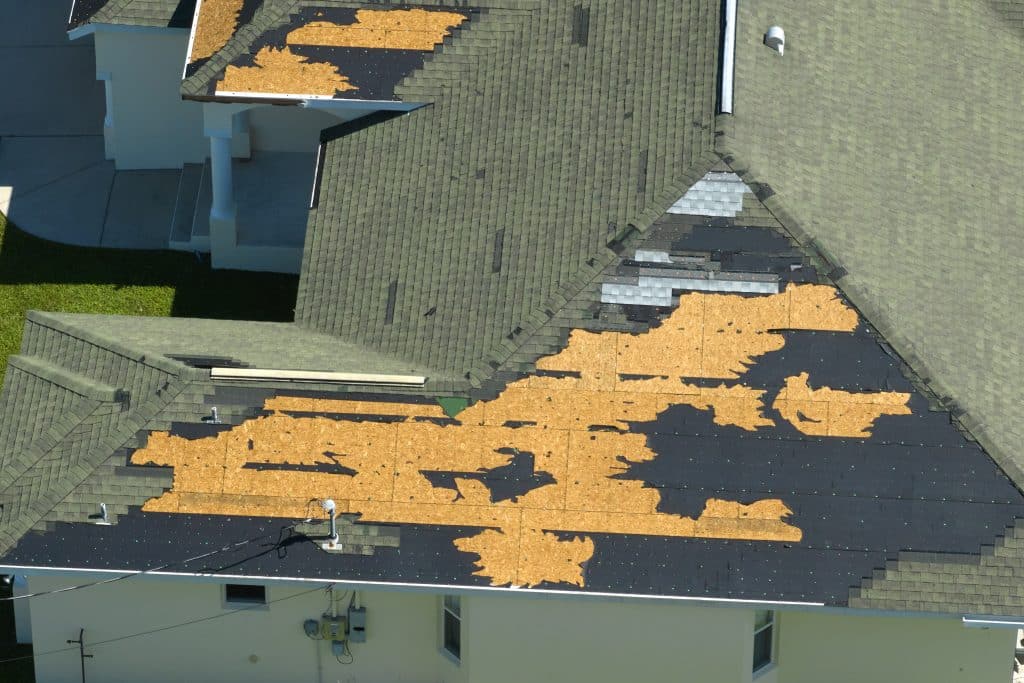
Storm Damage Emergency Response in Gretna
Read More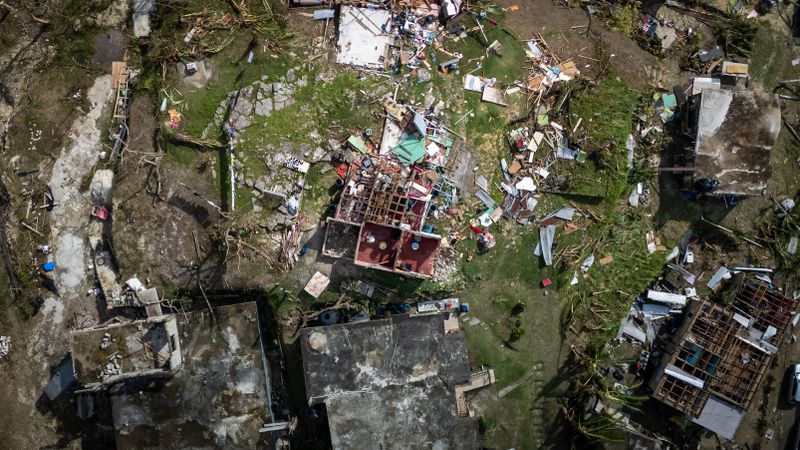
Emergency Roofing in Gretna
Read More
Roof Leak Detection in Gretna
Read More
Roof Maintenance in Gretna
Read More
Roof Coating in Gretna
Read More
Roof Ventilation in Gretna
Read More
Roof Weatherproofing in Gretna
Read More
Roof Restoration in Gretna
Read More
Roof Flashing Repair in Gretna
Read More
Fascia Board Installation and Repair in Gretna
Read More
Gutters and Downspouts Installation in Gretna
Read More
Gutters and Downspouts Repair in Gretna
Read More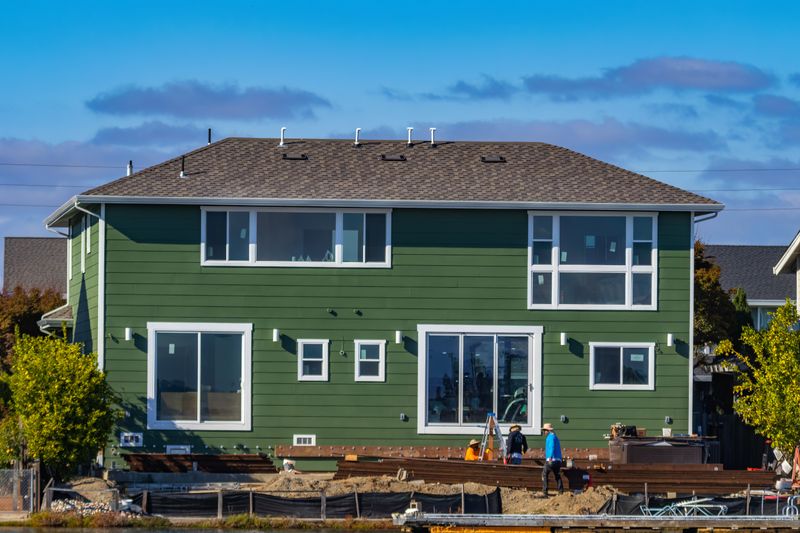
Siding Installation in Gretna
Read More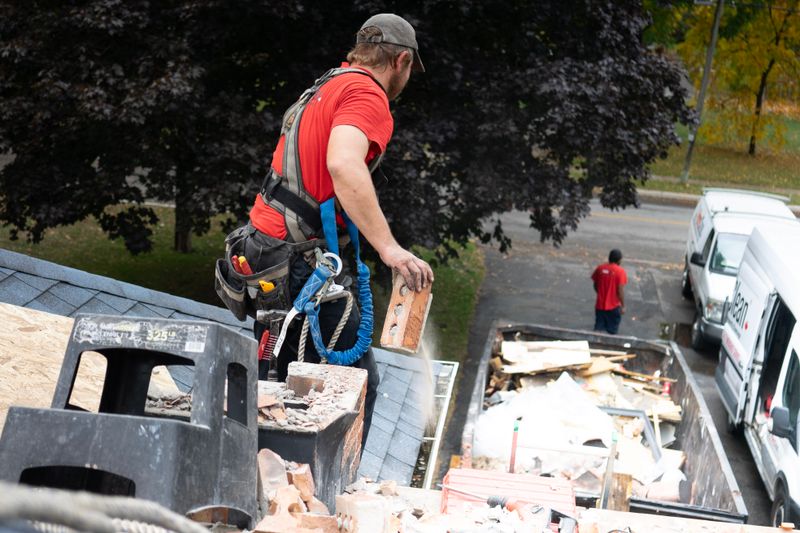
Asbestos Roof Removal in Gretna
Read More
Roof Insurance Claims in Gretna
Read More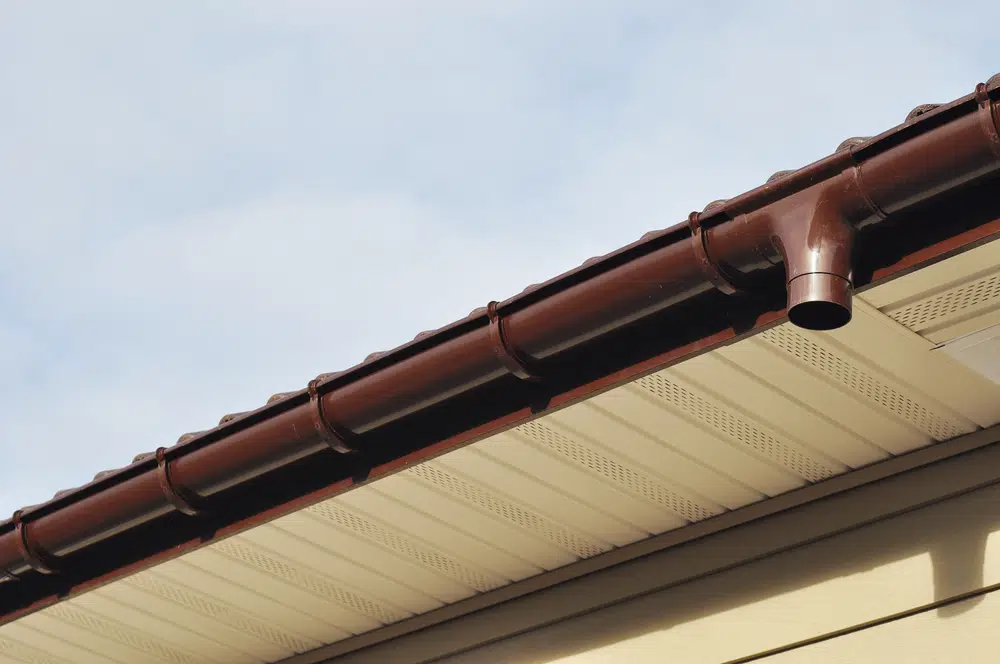
Soffit Installation in Gretna
Read More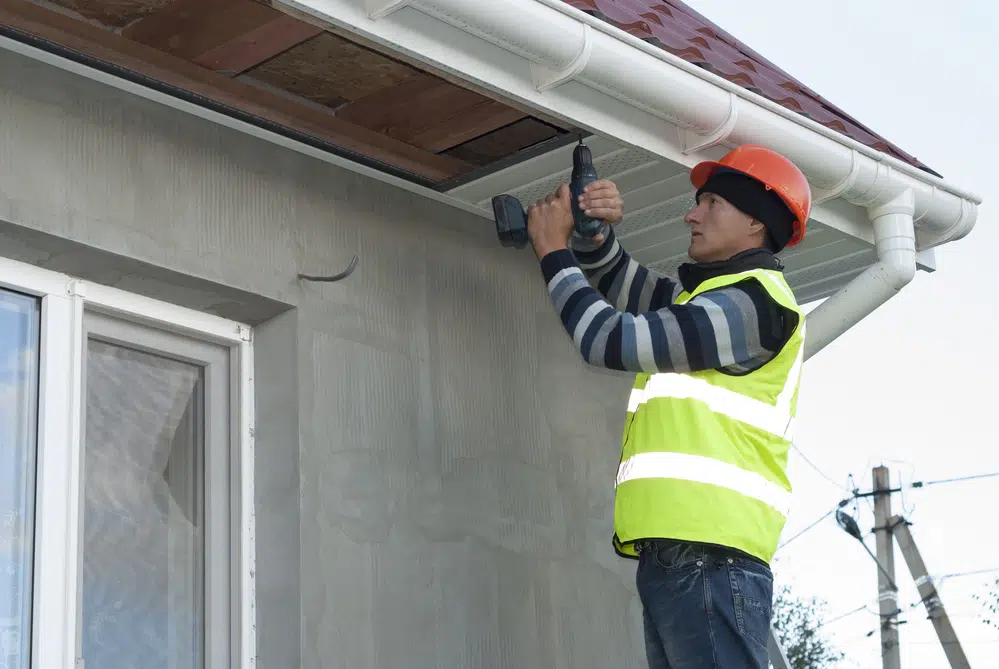
Soffit Repair in Gretna
Read More
Commercial Roof Replacement in Gretna
Read More
Commercial Roof Repairs in Gretna
Read More
Commercial Roof Inspections in Gretna
Read More
Commercial Hail Damage Repair in Gretna
Read More
Commercial Re-Roofing in Gretna
Read More
Commercial Elastomeric Coatings in Gretna
Read More
Commercial Roof Ventilation in Gretna
Read More
Commercial Roof Leak Detection in Gretna
Read More
Commercial Siding Installation in Gretna
Read MoreGretna Commercial Roof Coating FAQs
The questions that decide what a commercial coating quote is actually offering, answered with the arithmetic rather than around it.
Topic
Question not here?
Ask us anything about a commercial coating quote in Gretna, including one written by somebody else. No charge and no obligation.
Call (504) 800-8196What does dry film thickness actually mean
It is how thick the coating is once it has cured, measured in mils, which are thousandths of an inch. It matters because it is what the manufacturer writes the warranty against and what makes two quotes comparable. A quote that says two coats does not tell you what you are buying, because two coats of a thin product and two coats of a thick one are different roofs.
Why does the wet film differ from the dry film
Because part of what goes on is carrier that evaporates. The share that stays is the volume solids, so a coating at 55 percent volume solids laid at 36 mils wet cures to about 20 mils dry. That is why a scope states the wet rate as well: it is what a gauge can check while the work is happening, before the film has cured.
How do I work out how much material a roof needs
A US gallon is 231 cubic inches, so at one thousandth of an inch it covers 1,604 square feet. Multiply that by the volume solids and divide by the specified dry film to get coverage per gallon. At 55 percent solids and 20 mils dry that is about 44 square feet a gallon, or roughly 2.3 gallons per hundred square feet.
Is the coverage figure on the datasheet reliable
Treat it as a ceiling rather than a plan. Datasheet coverage is theoretical and assumes a smooth surface with no loss. A granulated cap sheet, an aged porous surface or a windy day all take more, so a bid built on the theoretical figure alone tends to run short of material before it runs short of roof.
Two quotes are nearly the same price. How do I choose
Put the specifications side by side rather than the totals. Ask each bidder for the product name, the specified dry film, the volume solids, the wet rate and what preparation is included. Quotes that look identical at the bottom line can turn out to be buying materially different quantities of material once those five lines are filled in.
Why is one quote offering a longer warranty
Often because it is a thicker specification rather than a better brand. Manufacturers issue terms against a stated dry film and a stated preparation, and length can also turn on the system, the substrate and any inspection conditions attached. Compare the specifications before you compare the years, and ask what each term is written against.
Does the contractor have to be approved by the manufacturer
For many systems, yes, and it is worth asking before work is booked rather than after. A manufacturer system warranty is often issuable only by a contractor approved for that system, and approval is not something that can be applied retrospectively to a roof that has already been coated.
Should I coat my roof or replace it
That is a survey question and it is answered on the residential roof coating page rather than here. The short version is that a coating goes over a roof that is still sound and cannot rescue one that is not, so what is under the membrane decides it. Wet insulation is the usual disqualifier, and how it is found is covered on the commercial roof inspections page.
Does a commercial coating need a permit in Gretna
A coating over a covering that stays in place is maintenance rather than the re-roofing that La. R.S. 37:3737(I) makes permitted and inspected, so it is normally outside it. Where the scope turns into a re-covering the position changes, and which office covers the address depends on whether the building sits inside the Gretna city limits or in the unincorporated parish. Inside the historic district a Certificate of Appropriateness is a separate step where the finish is visible from public right of way. We confirm it before starting rather than assuming either way.
What would a permit cost if one is needed
Neither the City of Gretna nor Jefferson Parish publishes a roofing specific permit line, so the fee follows the scope. Inside the Gretna city limits it is filed through MyGovernmentOnline (mgoconnect.org) with the Building Department at 740 2nd Street, and the fee is set in the municipal schedule against the classification of the work. Outside the limits, the parish permits office sets the fee on scope in the same way. The commercial roof repairs page carries the same fee route in full.
Get a coating scope with the dry film thickness written into it rather than a number of coats
We name the product, the specified dry film, the volume solids, the wet rate and the preparation, so the quote can be checked against anybody else and the warranty has a number to ride on. If you would rather start in writing, tell us what the job involves and we will come back with an estimate.
Call (504) 800-8196