



Commercial Elastomeric Coatings in Gretna, LA
Big Easy Roofing applies elastomeric coating systems to commercial roofs across Gretna and Jefferson Parish. A coating tends to give way at the seams, the curbs, the drains and the parapet long before it does in the middle of the roof, so those are the lines in the scope worth reading first.
Gretna elastomeric coatings at a glance
An elastomeric coating is a liquid applied film that stretches and recovers as the roof moves. The acrylic type is the subject of an ASTM standard. Service life depends on several things, and the one easiest to leave out of a quote is whether the details were reinforced with fabric.
Where coatings tend to fail
Rather than the open field. Seams, curbs, drains, parapet junctions and penetrations are where the roof moves most and where the film sits thinnest over an edge, so those are the places a specification has to name.
Who issues the permit
A coating sits inside the coating route the reroofing chapter of the building code names, which our Gretna commercial re-roofing page sets out, and whether it triggers a reroof permit under La. R.S. 37:3737(I) is confirmed with the office at file before work is scoped. Where one is required it goes through the City of Gretna Building Department at 740 2nd Street inside the city limits, or Jefferson Parish outside them.
The standard
The standard specification for liquid applied acrylic roof coating. It is published in revised editions, currently the 2024 edition, so a datasheet that names the standard without naming the edition has told you less than it appears to.
What it does not cover
The standard is written for water dispersed acrylic. IIBEC records that it explicitly excludes styrenated, urethane, silicone, butyl and vinyl acetate polymers, so elastomeric printed on a silicone pail is not a claim against it.
The reinforcement
Embedded into the coating at every detail rather than laid over the top. It is a small share of the material cost and a large share of how long the system holds together.
The scheduling constraint
A water dispersed coating needs a dry spell to cure to the properties the standard describes, and Gulf coast weather narrows that window, so the roof is staged in sections around the forecast.
Elastomeric is a description of behaviour rather than a brand: the cured film stretches and recovers instead of cracking when the roof underneath it expands and contracts. That matters because a rigid film on a moving roof splits at the points of greatest movement, and the points of greatest movement are the seams, the curbs and the parapet junctions, which are exactly the places a coating is there to protect.
For the acrylic type there is an ASTM standard behind the word, currently published as D6083/D6083M, which sets minimum properties for the cured film including elongation, tensile strength, adhesion, permeance and low temperature flexibility after weathering. Two things are worth knowing about it. It has been revised more than once, so the edition claimed is part of the claim. And it covers water dispersed acrylic only, so a silicone or urethane product described as elastomeric is not making the same statement. Big Easy Roofing names the product and the edition of the standard it is stated to meet, and where the right answer for a roof is a different chemistry we say so rather than stretching the word to fit.
A map of where the film gives way
A coating usually gives way first at the places the roof moves and the film is thinnest, though ponding, preparation and thickness can fail it in the field too. This is what a specification should require at each detail, and the reinforcement column is what separates a real scope from a price per square foot.
| Where on the roof | Why the film gives way there | Fabric reinforcement | What the scope should say |
|---|---|---|---|
| The open field | Least movement and a continuous surface, so the film is doing the easy part | Not usually needed | The specified dry film carried across the whole area |
| Laps and seams | The two sides move against each other, so the film is worked back and forth | Required | Fabric embedded in a base coat along the full run of every seam |
| Curbs and equipment kerbs | Rooftop plant transmits vibration and the corners concentrate it | Required | Fabric carried up the vertical and back onto the deck, corners cut in |
| Drains and scuppers | Water stands longest here and the film thins over the edge | Required | A fabric collar, with the drain clamp reinstated rather than coated over |
| Parapet junction | Two planes at right angles moving independently of one another | Required | Fabric at the angle change, carried onto both the deck and the wall |
| Pipes and penetrations | A round shape pulls the film thin on the radius as it is worked | Required | A fabric collar cut to the shape and terminated at the top |
Reinforcement is a small share of the material on a roof and a large share of how long the system lasts, which is why it is a named line in a Big Easy Roofing scope rather than something assumed. Whether your roof is a candidate for a coating at all is settled first, and our Gretna roof coating page covers that. Call (504) 800-8196 for a scope with the details written into it.
What the standard promises and what the permit position is
Two separate questions get run together here. One is what the standard actually promises about the cured film, and the other is whether putting a coating on a commercial roof needs a permit at all. They have different answers and different authorities. Both are settled before a scope is written.
What the standard sets
D6083/D6083M is a standard specification, so it sets minimum properties for the cured film, including elongation, tensile strength, adhesion, permeance and low temperature flexibility after weathering. It is a floor a product is stated to meet, not a warranty and not a service life.
Ask which edition
The standard has been revised more than once. A datasheet that says it meets D6083/D6083M without naming an edition has made a smaller claim than it looks like, and the edition is a fair thing to ask for in writing before a product is accepted onto a scope.
It covers acrylic only
The standard is written for water dispersed acrylic, and IIBEC records that it explicitly excludes styrenated, urethane, silicone, butyl and vinyl acetate polymers. Silicone and urethane coatings have real uses, some of them better than acrylic on a roof that holds water, but they answer to different standards.
The permit question
The reroofing section of the building code names a new protective coating over an existing coating, built up, modified bitumen or single ply roof as a route permitted without a tear off. Whether that engages a reroof permit under La. R.S. 37:3737(I) on your building is confirmed with the office at file rather than assumed either way.
What a coating quote should name before it names a price
The product and the edition of the standard it is stated to meet, the chemistry, the specified dry film thickness, and every detail that is getting fabric. Those four things are what separate two quotes that look identical on a rate per square foot.
It should also say what surface preparation is included and what happens if the roof is found to be a poor candidate once it is cleaned. A coating over a roof that should not have been coated is a full price purchase of a short roof.
Why the reinforcement is the line that gets cut
Fabric at the details adds labour more than it adds material, and it is invisible under the finished coat, so it is the easiest line to leave out of a quote without anybody noticing until the system starts to open at a seam.
That is why it is written into our scope as a named item at each location rather than implied by the word elastomeric. If you are comparing quotes, the reinforcement column in the table above is the one to read across them.
Movement and cure on a west bank commercial roof
Three conditions on a west bank roof decide whether a water dispersed coating reaches the properties the standard describes, and none of them is about the product. How much the roof moves, whether the film gets a dry spell to cure in, and where water stands after it rains.
Heat cycling is what the elastomeric part is for
A dark low slope roof in this climate moves through a wide temperature range every day, and the assembly under the coating expands and contracts with it. A film that cannot stretch and recover splits where that movement concentrates.
That is the whole reason the standard measures elongation and low temperature flexibility after weathering rather than only when the product is new. The number that matters is what the film can still do after it has been on a roof for a while.
The cure window is a scheduling problem, not a product one
A water dispersed coating gives up its water to the air, so it needs a dry spell to reach the properties the standard describes. Rain on a film that has not cured can wash it or leave it short of specification, and the roof will not tell you which afterwards.
The practical answer is staging: the roof is coated in sections around the forecast rather than in one pass against a fixed date. A programme that ignores that is buying a risk it has not priced.
Where water stands, the coating works hardest
On a low slope roof the film over a ponding area is wet for longer than the film anywhere else, and it is usually also the place the roof drains toward, so it is thin over an edge at the same time.
Acrylic is not the strongest chemistry for standing water, which is a reason the candidacy question comes before the product question. Our Gretna roof coating page covers which roofs are worth coating at all, and it is the honest place to start.
Big Easy Roofing Process
Three steps, and the first one can end with us telling you a coating is the wrong product for the roof.

Establish whether the roof is a candidate
The condition of the existing surface, whether the assembly reads dry, how the roof drains and where water stands. Where the answer is that a coating would be spending money on a roof that needs something else, we say so before quoting one.
Specify the product, the edition and every detail
The chemistry, the product, the edition of the standard it is stated to meet, the dry film thickness, and fabric reinforcement named at each seam, curb, drain, parapet junction and penetration rather than assumed.
Stage the work around the forecast
The roof coated in sections so each one gets its cure window, details reinforced before the field coat goes on, and the finished system photographed at the details while they are still visible. Call (504) 800-8196.
Everything else we do in Gretna
The rest of the Big Easy Roofing services available in Gretna, each with its own page and written estimate. This page covers the standard and the reinforced details. Whether a roof is a candidate for coating at all is on our Gretna roof coating page, and whether a coating engages a reroof permit is on the commercial re-roofing page.
Roof Replacement in Gretna
Read More
Roof Repairs in Gretna
Read More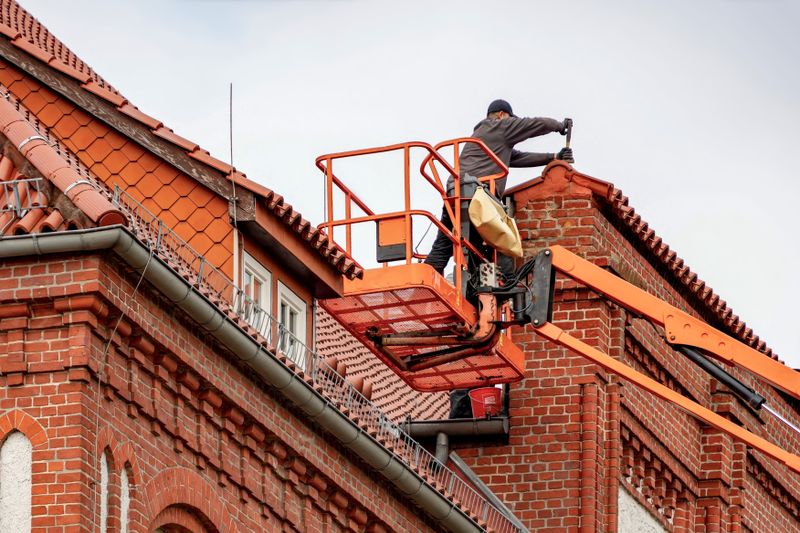
Roof Inspection in Gretna
Read More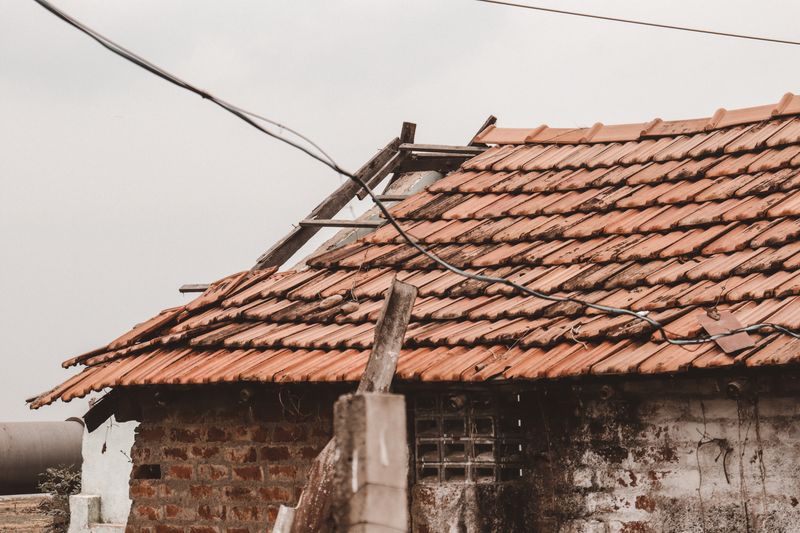
Hail Damage Roof Repair in Gretna
Read More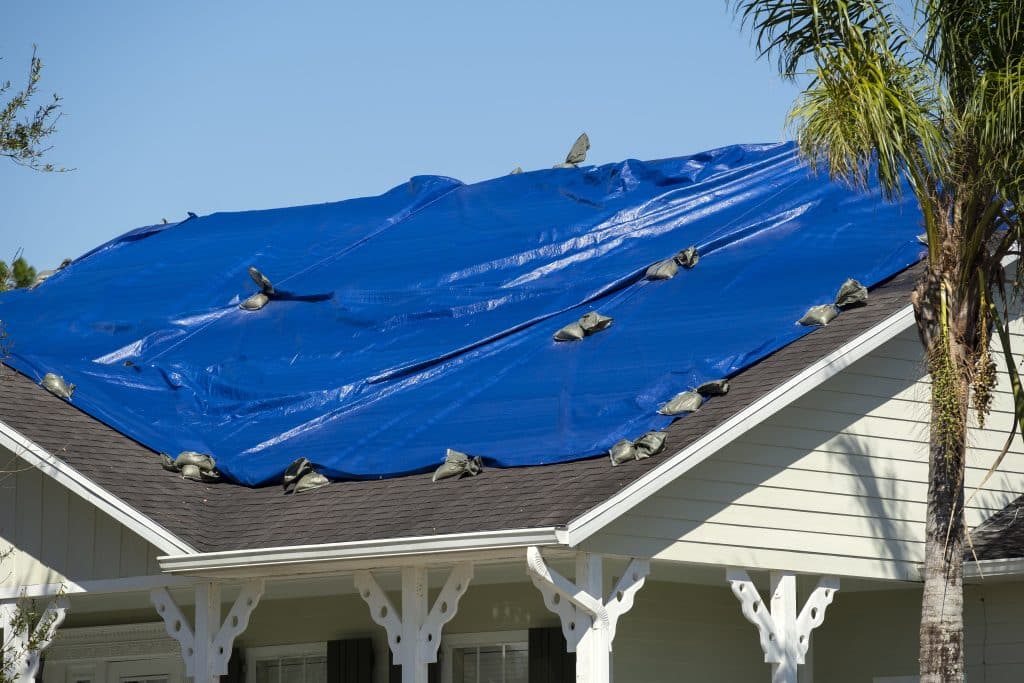
Storm Damage Roof Repair in Gretna
Read More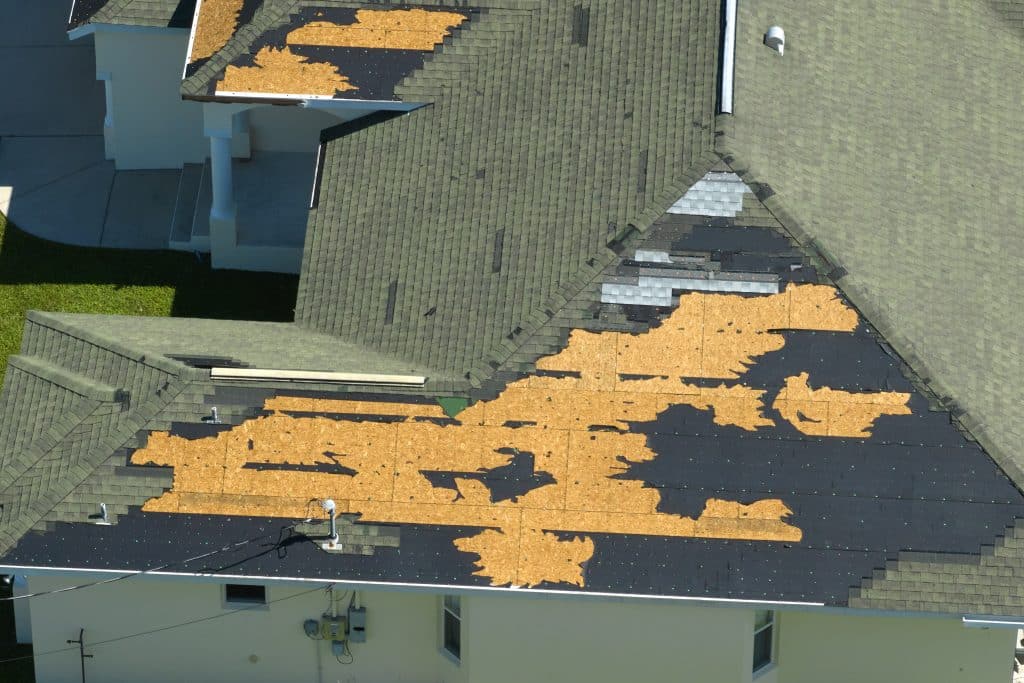
Storm Damage Emergency Response in Gretna
Read More
Emergency Roofing in Gretna
Read More
Roof Leak Detection in Gretna
Read More
Roof Maintenance in Gretna
Read More
Roof Coating in Gretna
Read More
Roof Ventilation in Gretna
Read More
Roof Weatherproofing in Gretna
Read More
Roof Restoration in Gretna
Read More
Roof Flashing Repair in Gretna
Read More
Fascia Board Installation and Repair in Gretna
Read More
Gutters and Downspouts Installation in Gretna
Read More
Gutters and Downspouts Repair in Gretna
Read More
Siding Installation in Gretna
Read More
Asbestos Roof Removal in Gretna
Read More
Roof Insurance Claims in Gretna
Read More
Soffit Installation in Gretna
Read More
Soffit Repair in Gretna
Read More
Commercial Roof Replacement in Gretna
Read More
Commercial Roof Repairs in Gretna
Read More
Commercial Roof Inspections in Gretna
Read More
Commercial Hail Damage Repair in Gretna
Read More
Commercial Re-Roofing in Gretna
Read More
Commercial Roof Coating in Gretna
Read More
Commercial Roof Ventilation in Gretna
Read More
Commercial Roof Leak Detection in Gretna
Read More
Commercial Siding Installation in Gretna
Read MoreGretna Commercial Elastomeric Coatings FAQs
The questions worth asking about an elastomeric coating on a Gretna commercial roof, starting with which edition of the standard is being claimed.
Topic
Question not here?
Ask us whether a coating is the right product for your Gretna commercial roof. No charge, no obligation, and we aim to answer the same day.
Call (504) 800-8196What does ASTM D6083 actually guarantee
Nothing on its own. It is a standard specification, so it sets minimum properties for the cured film including elongation, tensile strength, adhesion, permeance and low temperature flexibility after weathering. A product stated to meet it has cleared that floor. Service life comes from the roof, the specification, the preparation and the workmanship.
Why does the edition of the standard matter
Because it has been revised more than once and the current edition is 2024. A datasheet that names D6083/D6083M without naming an edition has made a smaller claim than it appears to, and asking which edition in writing costs nothing.
Is a silicone coating elastomeric
It can behave elastomerically, but it is not covered by this standard. D6083/D6083M is written for water dispersed acrylic, and IIBEC records that it explicitly excludes styrenated, urethane, silicone, butyl and vinyl acetate polymers. Silicone has real advantages on a roof that holds water. It just answers to a different standard.
What is the fabric reinforcement for
It carries the film across the places the roof moves and the places the coating would otherwise sit thin over an edge: seams, curbs, drains, parapet junctions and penetrations. It is embedded into the coating rather than laid over it, and it is a small share of the material cost and a large share of how long the system holds together.
Two quotes look the same per square foot, what am I missing
Usually four things: the chemistry, the edition of the standard the product is stated to meet, the specified dry film thickness, and which details are getting fabric. The last one is the easiest to leave out because it is invisible under the finished coat and it adds labour rather than material.
Does coating a commercial roof need a permit in Gretna
It is confirmed at file rather than assumed. The reroofing section of the building code names a new protective coating over an existing coating, built up, modified bitumen or single ply roof as a route permitted without a tear off, and whether that engages a reroof permit under La. R.S. 37:3737(I) on your building is a question for the City of Gretna Building Department inside the limits or Jefferson Parish outside them.
Can a coating fix a roof that is already leaking
That is the candidacy question and it comes before this page. Whether a roof is worth coating at all, and where a coating is the wrong answer, is set out on our Gretna roof coating page. This page is about how a coating system is specified once the roof has been established as a candidate.
How long will it last
No figure is published here because the honest answer depends on the roof it goes onto, the film thickness specified, whether the details were reinforced and how well the cure windows were kept. A number quoted before those are settled is a marketing figure rather than an estimate.
Get the details named in the scope before anyone quotes a rate per square foot
We establish whether the roof is a candidate at all, name the product and the edition of the standard it meets, specify the dry film thickness, and write fabric reinforcement into every seam, curb, drain and penetration. If you would rather start in writing, tell us what the job involves and we will come back with an estimate.
Call (504) 800-8196