

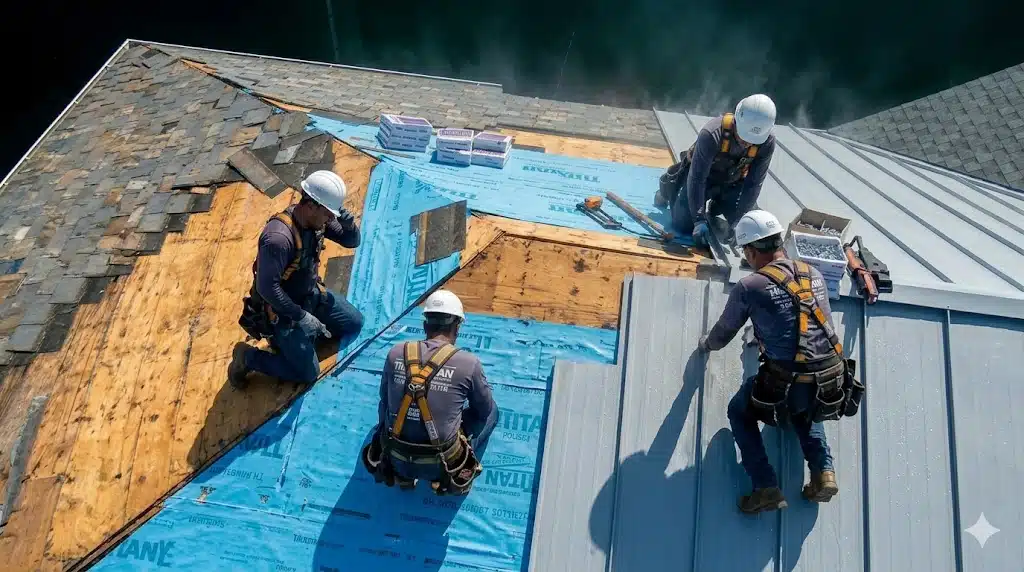
New Orleans experiences some of the harshest roofing conditions in America: average humidity over 90%, heat index days exceeding 100°F, and 62 inches of annual rainfall accelerate the degradation of asphalt shingles. Thermal cycling caused by 150-170°F roof surface temperatures followed by rapid cooling from afternoon storms cracks and curls shingles at double the rate of moderate climates. Moisture constantly infiltrates the roof deck, weakens the plywood substrate, and feeds algae growth that further degrades shingle reflectivity and accelerates UV damage. A 30-year shingle roof that lasts 25-30 years nationally may realistically last only 15-20 years in New Orleans without proper materials and maintenance. Big Easy Roofing specializes in helping homeowners understand these unique climate challenges and select roofing systems built to withstand the Big Easy’s relentless heat, humidity, and moisture.
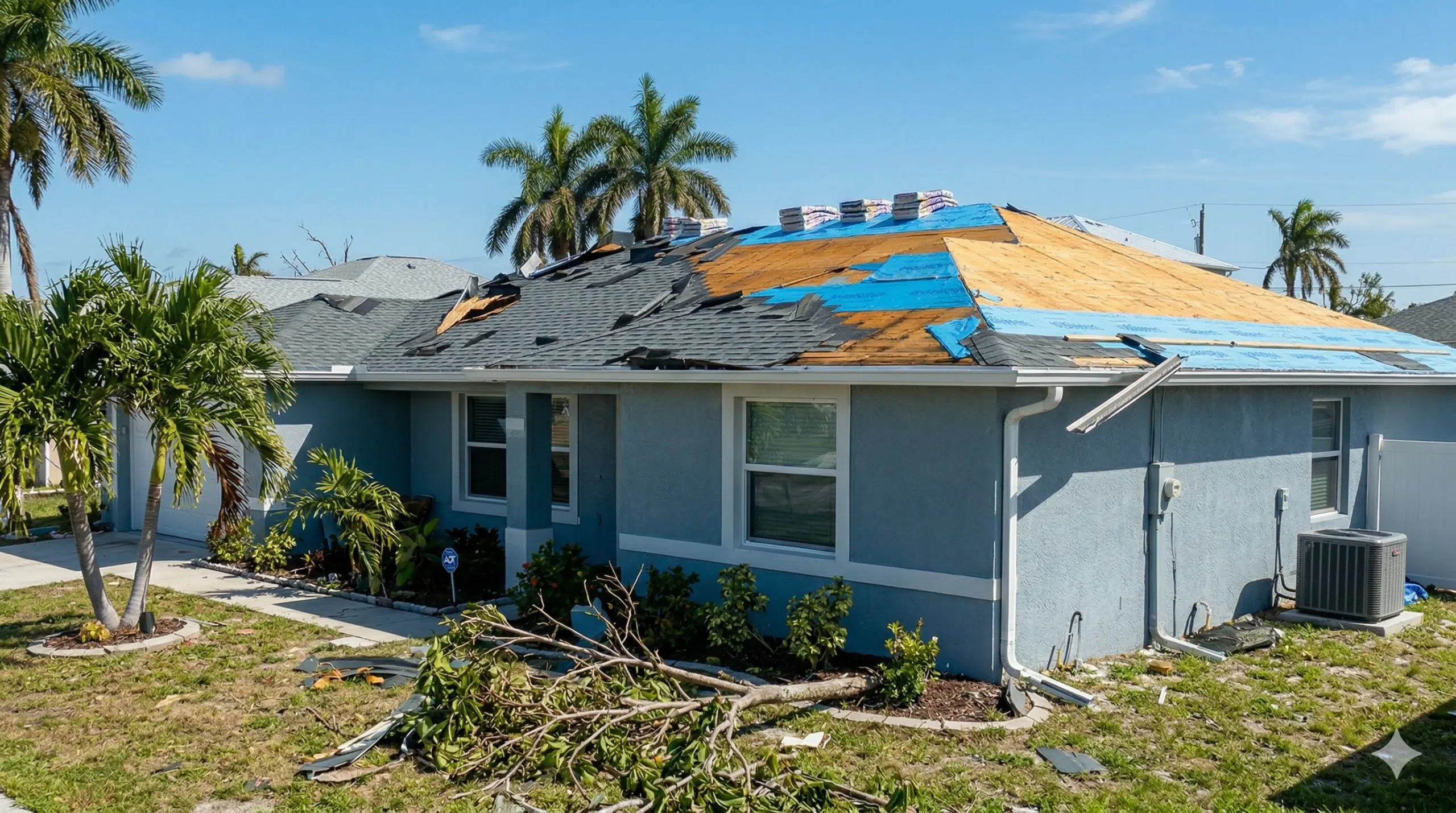
New Orleans sits at the intersection of humidity, heat, and moisture that few other American cities experience simultaneously. Relative humidity regularly exceeds 90%, annual rainfall reaches 62 inches, and summer heat index values routinely surpass 100°F. These conditions don’t just make the weather uncomfortable—they create a perfect storm of stress that degrades roofing materials faster than manufacturers’ lab tests ever predict. Big Easy Roofing has served the New Orleans area for years and consistently sees roofs that should last three decades fail in half that time. Understanding why is the first step to choosing materials and strategies that actually survive the Big Easy’s climate.
Thermal cycling occurs when a roof surface expands and contracts due to temperature swings. In New Orleans, this is extreme. On a typical summer afternoon, a dark asphalt roof can reach 150-170°F in direct sun. Within minutes of a summer thunderstorm rolling in (a nearly daily occurrence), water temperatures and air temperatures drop sharply, cooling the roof deck rapidly. This constant expansion-contraction cycle—sometimes happening multiple times per day from April through October—causes the asphalt binder in shingles to become brittle. The tabs curl, crack, and lose their seal. Traditional 3-tab and even architectural asphalt shingles designed for 30-year lifespans in temperate zones simply cannot handle the physical stress. By year 10-12, the shingles are already showing significant curling and granule loss, leaving the fiberglass mat underneath exposed to UV radiation.
Moisture doesn’t just sit on the surface—it penetrates. In New Orleans’ humid environment, water vapor pushes into gaps, cracks, and seams in the shingle layer and works its way into the roof deck. During the day, heat bakes some moisture out, but new moisture infiltrates during the night and early morning. This moisture cycling softens the plywood decking underneath, promotes fungal growth, and weakens fasteners. Poorly ventilated attics are especially vulnerable: warm air from conditioned living spaces meets the hot roof surface, and condensation forms between the roof deck and insulation. Big Easy Roofing emphasizes proper ventilation during roof replacement to prevent this hidden moisture problem that can lead to structural decay within 5-10 years.
Black streaks and staining on many New Orleans roofs are caused by Gloeocapsa magma, a common algae that thrives in warm, humid conditions. This algae feeds on the limestone filler used in asphalt shingles as a filler. The organism doesn’t just look bad—it reduces the shingle’s reflectivity, which means the roof absorbs more UV radiation and heat, accelerating the breakdown of the asphalt binder. The algae also traps moisture against the shingle surface, prolonging the wet cycle and further degrading the material. Within 3-5 years, many New Orleans roofs develop significant algae growth that visibly reduces shingle lifespan. Choosing algae-resistant shingles or copper-treated systems is one of the most cost-effective ways to extend roof life in New Orleans’ humidity-rich environment.
New Orleans sits at approximately 30°N latitude, placing it in a zone with intense ultraviolet radiation year-round. The 30th parallel receives nearly vertical sun exposure, especially during summer months, which means UV photons hit roof surfaces with more energy than in higher latitudes. UV light is the primary mechanism of photodegradation in asphalt—it breaks down the long-chain hydrocarbons that give asphalt its flexibility and waterproofing properties. Combined with thermal cycling and moisture, UV radiation accelerates the transformation of asphalt shingles from flexible, water-shedding material into brittle, crumbly fragments. A shingle rated for 30 years in Minneapolis might be rated for 15-20 years in New Orleans simply because of latitude-driven UV intensity and the compounding effect of heat and humidity.
Manufacturer ratings don’t account for New Orleans’ unique climate stress. Here’s how common roofing materials actually perform in the Big Easy compared to national averages:
| Material | New Orleans Lifespan | National Average |
|---|---|---|
| 3-Tab Asphalt | 12–15 years | 20 years |
| Architectural Asphalt | 18–22 years | 30 years |
| Metal Roofing | 40–50 years | 50–70 years |
| Tile Roofing | 35–50 years | 50–75 years |
Metal and tile roofing significantly outperform asphalt in New Orleans because they don’t degrade from the same moisture and UV mechanisms. Metal resists algae growth, doesn’t absorb moisture, and reflects rather than absorbs thermal energy. Tile offers similar advantages and is widely used in New Orleans’ historic architecture. Big Easy Roofing recommends evaluating metal or tile if budget permits and you plan to stay in your home long-term.

You can’t change the climate, but strategic choices and maintenance extend roof longevity. First, ensure proper attic ventilation: soffit and ridge vents allow humid air to escape and prevent condensation buildup. This alone can add 3-5 years to asphalt roof life. Second, choose algae-resistant shingles treated with copper granules or select metal roofing from the start. Third, schedule regular inspections at least annually and after major storms—Big Easy Roofing offers comprehensive roof inspection services to catch leaks and damage before they become expensive problems. Fourth, keep gutters and downspouts clear so water drains away from the roof line and fascia. Finally, trim tree branches hanging over the roof to reduce moisture trapping and algae growth.
Architectural asphalt shingles with algae-resistant treatments are a practical choice for budget-conscious homeowners and can last 18-22 years with proper ventilation and maintenance. However, if you’re building or replacing for long-term protection, metal roofing stands out: it reflects 65-75% of the sun’s energy, resists algae, won’t absorb moisture, and handles the thermal cycling far better than asphalt. Metal roofs in New Orleans routinely last 40-50 years or more. Tile roofing is another premium option that complements New Orleans’ architectural heritage and offers similar durability. Big Easy Roofing can guide you through material selection based on budget, aesthetic goals, and performance targets. The right choice today prevents emergency repairs and replacements down the line.
At least once per year, and after every major storm. New Orleans’ heat, humidity, and frequent thunderstorms mean damage can appear quickly. Regular inspections catch small problems before they become costly water damage inside your home.
Those are likely Gloeocapsa magma algae thriving in New Orleans’ humidity. The algae feed on limestone in shingles and reduce reflectivity, making your roof hotter and more prone to UV damage. Algae-resistant shingles or roof cleaning can help.
Yes. Metal roofs resist moisture infiltration, don’t support algae growth, and reflect solar heat rather than absorbing it. They easily outlast asphalt by 20-30 years in New Orleans’ climate.
Poor attic ventilation combined with thermal cycling. Trapped moisture weakens the deck, and temperature swings crack shingles. Fixing ventilation during replacement is one of the best investments you can make.
Yes, but heat makes the job harder on workers and material handling. Spring or fall are better seasons. Contact Big Easy Roofing to schedule around weather forecasts and humidity levels.
Once payment is received, Big Easy Roofing guarantees the roof replacement is complete within 24 hours, weather permitting. This means faster protection for your home and peace of mind that the job gets done.
Costs vary based on roof size, material choice, and complexity. Big Easy Roofing offers free estimates. Metal and tile cost more upfront but last much longer, often providing better long-term value than asphalt.
At 15 years, an asphalt roof in New Orleans is likely nearing end of life. If damage is localized, repair may buy time, but Big Easy Roofing recommends replacement to avoid recurring leaks and water damage.
Whether you need emergency roof repair, a full replacement, or just a professional inspection, Big Easy Roofing delivers fast, reliable service backed by the 24-hour roof replacement guarantee. Learn more about our residential roofing services, roof ventilation solutions, and soffit services.
New Orleans’ brutal heat and humidity demand roofing expertise and materials designed for the climate. Call Big Easy Roofing at (504) 800-8196 to schedule a free inspection or get a quote. The team handles everything from emergency tarping to full replacements, and every roofing project comes backed by a 24-hour roof replacement guarantee once payment is received.
We all want our homes to look beautiful and be well-protected from the elemen...
Read More
The winter season can be a daunting time for homeowners, especially when it c...
Read More Are you considering installing new siding for your home but unsure about the ...
Read More Congratulations! You've just installed a new roof. You want your new roof to ...
Read More Starting a home improvement project, such as a roofing installation, can be d...
Read More Why Professional Roof Replacement is Worth the Investment? This question ofte...
Read More 



 By Big Easy Roofing
  Apr 3, 2026


