
Last Updated: May 2026
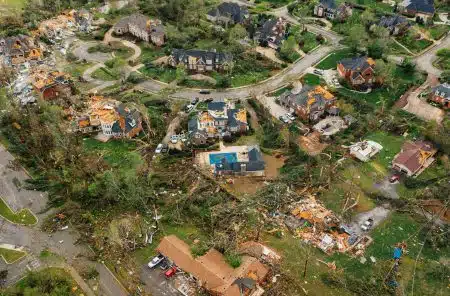
You have probably heard the word FORTIFIED in connection with Louisiana roofing, insurance discounts, or grant programs. What you may not know is exactly what it requires, what it costs above a standard roof, and whether the financial incentives actually make it worth pursuing for your specific home. The answer for most New Orleans homeowners in 2026 is yes, decisively, because Louisiana has stacked three separate financial incentives on top of each other that turn a modest additional investment into years of compounding savings. Big Easy Roofing helps homeowners across the New Orleans metro evaluate whether FORTIFIED makes sense for their next roof project.
FORTIFIED is a voluntary construction standard developed by the Insurance Institute for Business and Home Safety (IBHS), a nonprofit research organization funded by the insurance industry. The standard specifies construction methods that reduce damage from hurricanes, severe thunderstorms, and hail based on decades of laboratory testing and real-world storm damage research.
FORTIFIED has three levels: Roof, Silver, and Gold. Each level adds protection. FORTIFIED Roof, the entry level, focuses on the roof system and is the level that qualifies for Louisiana’s grant program, tax credits, and insurance discounts. Silver and Gold add window, door, garage, and structural upgrades.
The standard is not a product. You cannot buy FORTIFIED shingles. It is a set of installation requirements that apply to how the roof is built, attached, and sealed, regardless of what material you choose. Asphalt shingles, metal roofing, and tile can all achieve FORTIFIED designation if installed to the standard’s specifications.
FORTIFIED Roof requires six specific construction elements beyond standard building code:
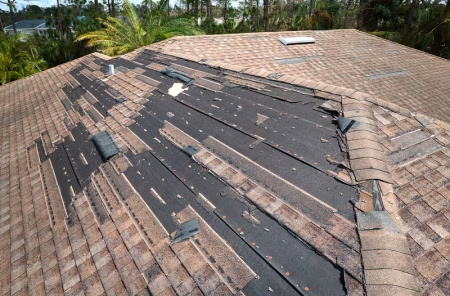
Sealed roof deck: The plywood or OSB decking must be sealed to prevent water intrusion if the roof covering (shingles, metal panels) is blown off during a hurricane. Acceptable methods include self-adhering bitumen tape over deck joints, spray-applied closed-cell foam at deck joints, or full-deck self-adhering membrane. This is the signature FORTIFIED feature. A standard roof relies entirely on the shingles to keep water out. A FORTIFIED roof has a backup layer that protects the home even if every shingle is gone.
Enhanced roof-to-wall connections: The roof trusses or rafters must be connected to the top of the exterior walls with hurricane clips or straps that meet specific load ratings. Toe nails alone do not qualify. The connection must resist both uplift (wind pulling the roof off) and lateral forces (wind pushing the roof sideways).
Proper roof deck attachment: The decking must be fastened to the trusses with the correct fastener type, size, and spacing. Ring-shank nails or screws at 6-inch spacing along panel edges provide stronger attachment than standard smooth-shank nails at wider spacing.
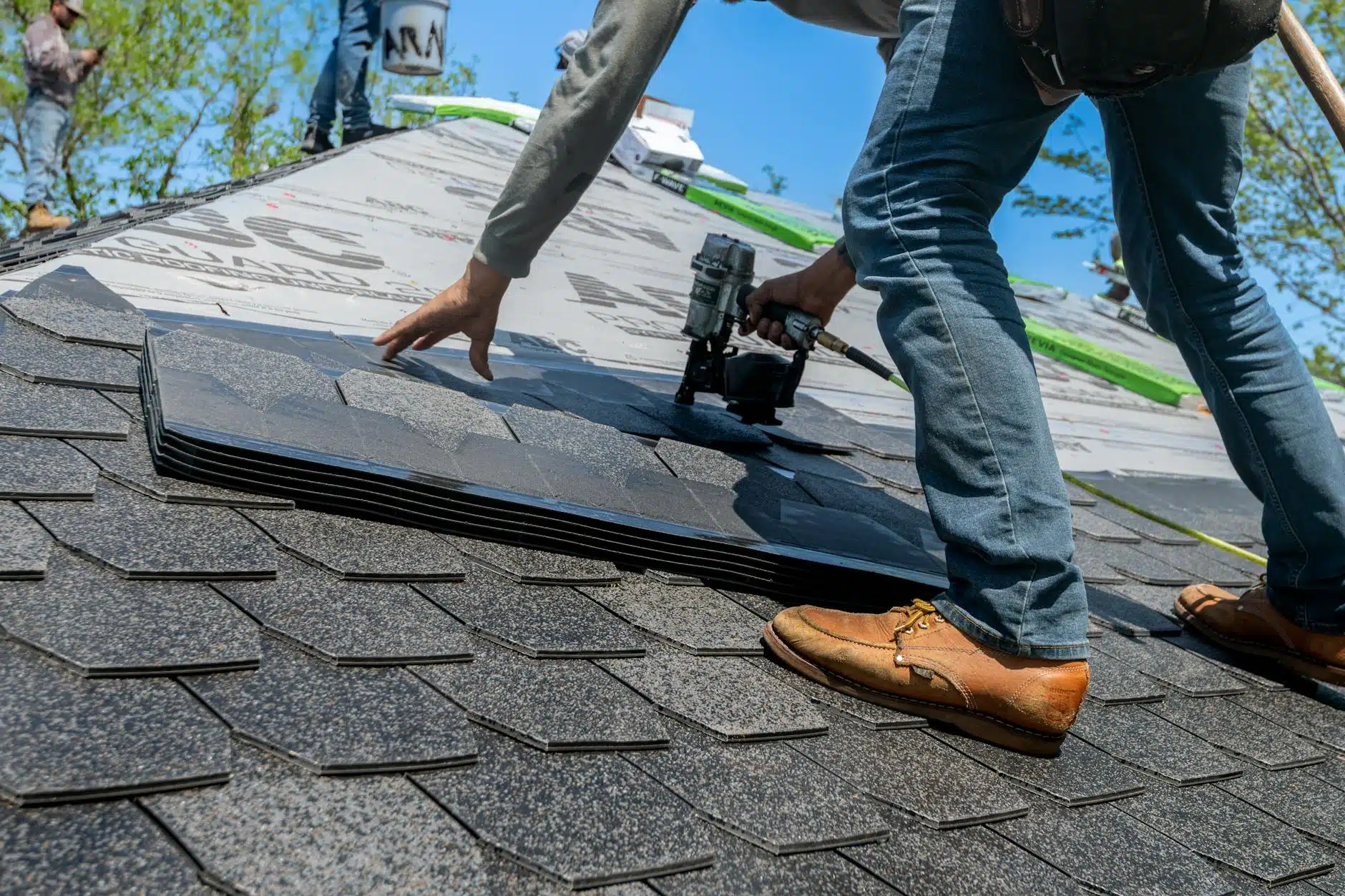
Code-plus shingle installation: Shingles must be installed with an enhanced nailing pattern (6 nails per shingle instead of the standard 4) and with starter strips and drip edge that exceed minimum code requirements.
Drip edge at all roof edges: Metal drip edge must be installed at all eaves and rakes, properly overlapped and fastened. This prevents wind from getting under the roof covering at the edges, which is where wind damage most commonly begins.
Attic ventilation compliance: The attic must meet minimum ventilation ratios to prevent heat buildup that accelerates shingle aging and moisture accumulation that promotes deck rot.
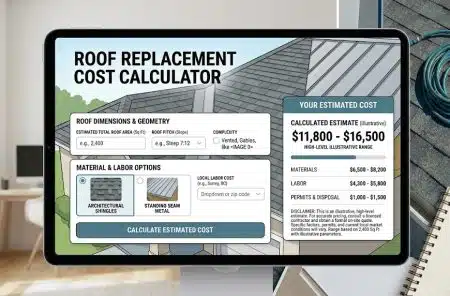
When FORTIFIED upgrades are incorporated into a planned roof replacement, the additional cost is typically $1,000 to $5,000 above a standard installation. The exact amount depends on the home’s existing construction, roof size, and how many FORTIFIED elements are already present.
The sealed roof deck is the largest additional cost, running $500 to $2,500 depending on method and roof area. Enhanced nailing patterns add minimal material cost but some additional labor time. Hurricane clips or straps, if not already present, add $1,500 to $3,000 for a typical residential attic.
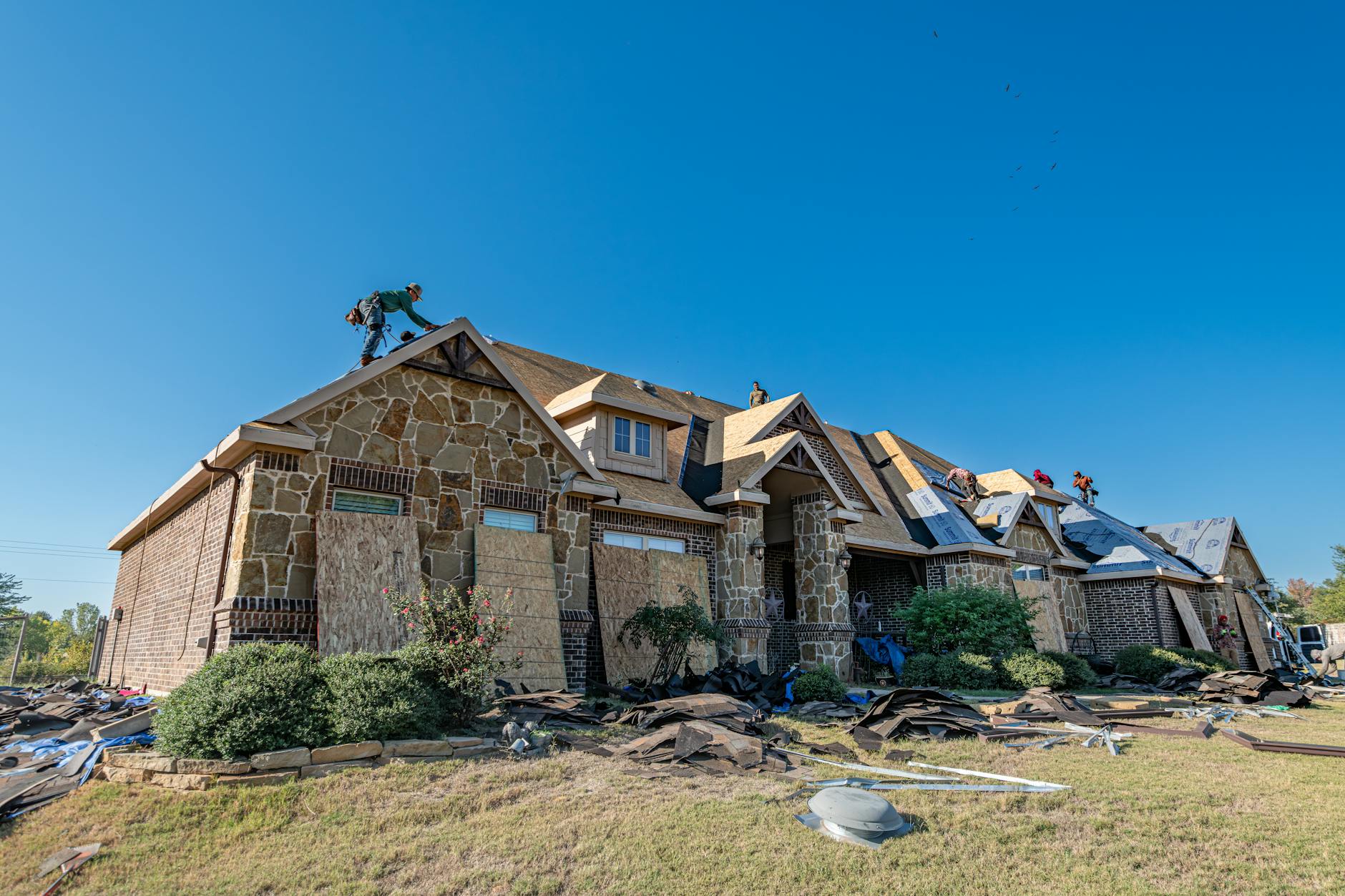
If you are already replacing your roof, the marginal cost of going FORTIFIED is modest because the deck is already exposed (making the sealed deck easy to install), the crew is already on site (reducing mobilization costs), and many of the FORTIFIED requirements overlap with best practices that quality contractors follow anyway.
Retrofitting a FORTIFIED roof on a home that is not currently being reroofed costs significantly more because the existing roof must be partially or fully removed to install the sealed deck and verify deck attachment. This is why the most cost-effective time to go FORTIFIED is during a planned replacement.
Louisiana has three separate incentive programs that stack on top of each other:
Louisiana Fortify Homes Program (LFHP) grants: Up to $10,000 per home for roof upgrades meeting IBHS FORTIFIED Roof standards. The program is administered through the Louisiana Department of Insurance. Funding amounts and application windows change annually, so check ldi.la.gov/fortifyhomes for current availability.
State income tax credit: A nonrefundable Louisiana state income tax credit equal to 100% of qualifying FORTIFIED expenses, up to $10,000 per residence. This credit applies to projects completed on or after July 1, 2025. It applies whether or not you received a grant, meaning you can potentially benefit from both programs on the same project.
Mandatory insurance discounts: Louisiana law requires all admitted insurers to provide actuarially justified discounts for homes with verified FORTIFIED Roof designation. Most discounts range from 15% to 35% of the wind/hail portion of the premium. Louisiana’s proposed Regulation 136 aims to standardize and increase these discount benchmarks further.
When you combine a $10,000 grant, a $10,000 tax credit, and ongoing annual insurance savings of $500 to $2,000, a FORTIFIED roof upgrade that costs $3,000 to $5,000 above standard installation can generate a positive return within the first year.
Insurance savings from FORTIFIED designation depend on your current premium, your insurer’s specific discount schedule, and how large the wind/hail portion of your policy is. In Jefferson and Orleans parishes, where wind/hail premiums are among the highest in the state, FORTIFIED discounts produce the largest dollar savings.
Typical annual savings for New Orleans metro homeowners with FORTIFIED Roof designation range from $500 to $2,000 per year. On a policy with a $5,000 annual premium where $3,000 is the wind/hail portion, a 25% FORTIFIED discount saves $750 per year. Over a 20-year roof lifespan, that is $15,000 in cumulative savings from a single designation.
The FORTIFIED designation, once verified and issued, remains valid as long as the roof is maintained and no modifications compromise the FORTIFIED features. You do not need to renew it annually. One verification, ongoing savings. This stacks with wind mitigation inspection credits, which document many of the same features but through a different process.
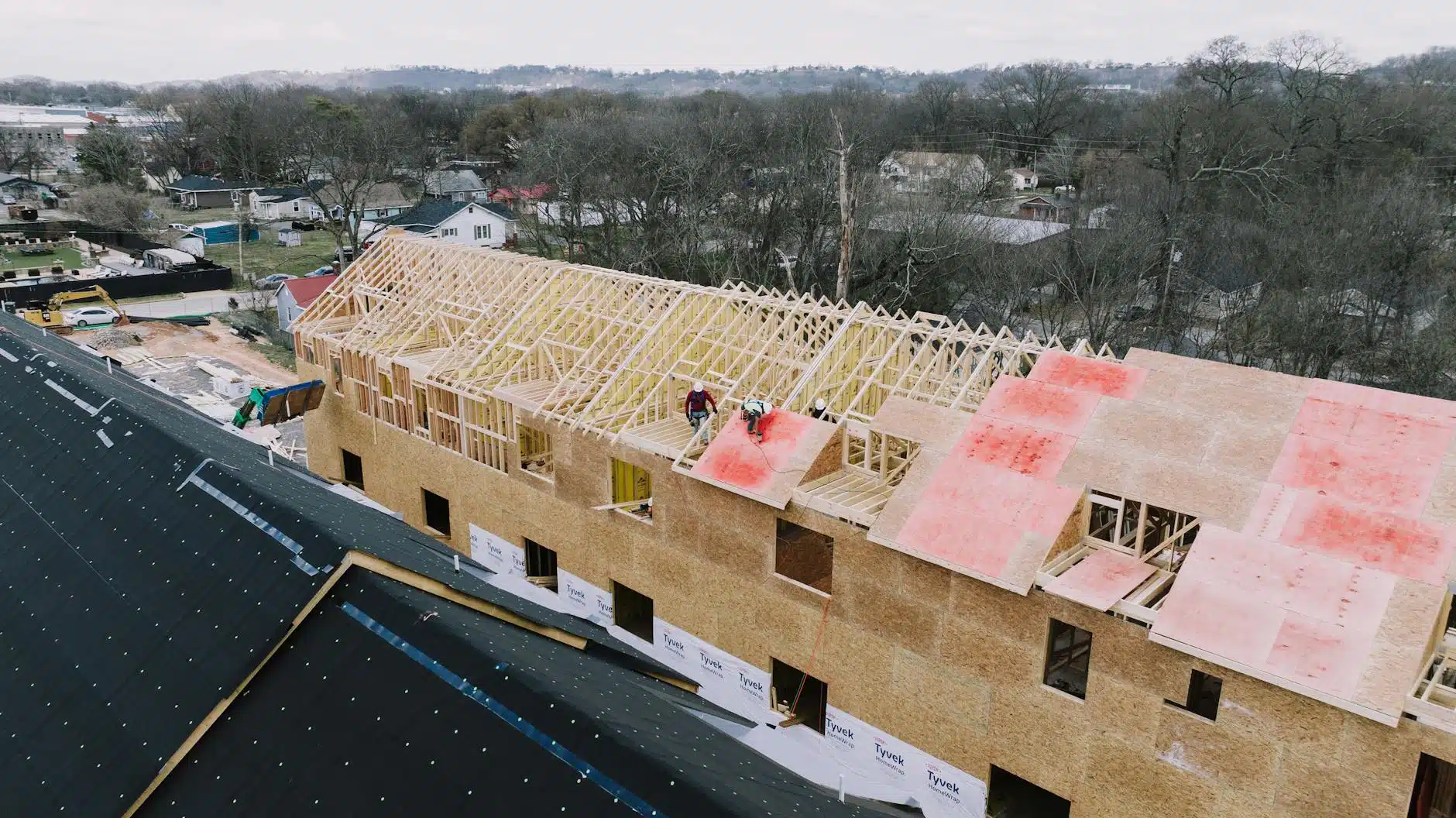
Partial retrofitting is possible but limited. You can add hurricane clips or straps to existing roof-to-wall connections through attic access without removing the roof. This improves your wind mitigation inspection score and earns insurance credits on its own. However, you cannot install a sealed roof deck without removing the existing roof covering to expose the deck surface.
The most practical path for existing homeowners is to plan the FORTIFIED upgrade for your next roof replacement. When the old roof comes off, the deck is exposed, and every FORTIFIED element can be installed efficiently. If your current roof is approaching the 15-year mark, start planning the FORTIFIED replacement now rather than spending money on retroactive upgrades to a roof that will need full replacement within a few years.
FORTIFIED designation requires verification by an IBHS-trained evaluator, not just installation by a qualified contractor. The process has three steps:
The evaluation process adds a few hundred dollars to the project cost but is required for the designation. Without the official IBHS certificate, you cannot claim the FORTIFIED insurance discount, even if the roof was built to FORTIFIED specifications. The certificate is the proof your insurer requires.
No. FORTIFIED exceeds Louisiana building code in several areas: sealed roof deck, enhanced nailing pattern, and specific drip edge requirements go beyond code minimum. A code-compliant roof is legal. A FORTIFIED roof is code-plus, built to resist storm damage that code-minimum roofs do not survive.
Any licensed contractor can install a FORTIFIED roof if they follow the specifications. However, contractors with FORTIFIED training and experience are more likely to get the details right on the first pass. Ask your contractor how many FORTIFIED installations they have completed and whether they have worked with IBHS evaluators before.
Yes. The FORTIFIED designation is attached to the home, not the homeowner. It transfers with the property and provides the new owner the same insurance discount eligibility. This adds resale value in a hurricane-prone market like New Orleans.
The designation remains valid as long as the FORTIFIED roof is maintained and no modifications compromise the qualifying features. If you re-roof the home, a new evaluation is required to maintain the designation.
The grant applies to projects that meet FORTIFIED standards. If your recent replacement was not built to FORTIFIED specifications, the grant would not apply retroactively. If the roof was built to FORTIFIED specs and evaluated but you did not apply for the grant in time, contact the program administrator about current application windows.
No. FORTIFIED Roof addresses wind and rain intrusion damage only. Flood insurance is a separate program (NFIP or private flood) with different criteria. However, a FORTIFIED roof prevents rain from entering through the roof during a hurricane, which eliminates a major source of interior water damage that is often confused with flooding.
In southeastern Louisiana, yes. The wind exposure in Orleans, Jefferson, and St. Tammany parishes is high enough that the insurance savings alone justify the upgrade. For parishes further inland with lower wind/hail premiums, the financial case is weaker but the physical protection is still valuable.
Kenner and the surrounding Jefferson Parish communities sit directly in the ...
Read More
New Orleans is hard on roofs. Between the year-round humidity, summer storms ...
Read More Assessing Your Roofing Needs In the journey towards finding the perfect roof...
Read More We've all heard it: "Roof tiles reduce heat and help keep your house cooler"....
Read More What You Need to Know Roof replacement costs in New Orleans range from $8,500...
Read More A wind mitigation inspection documents the structural features of your home ...
Read More 



 By Big Easy Roofing
  Aug 5, 2026