Call Our Roofing Experts! (504) 800-8196
Quick Summary
Roofing industry estimates put a cedar shake roof in New Orleans at roughly 15 to 25 years, well short of the 30 to 40 years the same roof reaches in a dry climate. The difference is moisture. New Orleans averages 63.35 inches of rain a year against a 70.5 degree average temperature, and warm damp wood is what decay fungi need to establish. Big Easy Roofing inspects, maintains and replaces cedar shake roofs across Orleans, Jefferson, St. Tammany and Tangipahoa parishes, where the deciding factor is rarely the wood itself but whether the roof was allowed to dry between rains.
Last Updated: September 2026
On this page
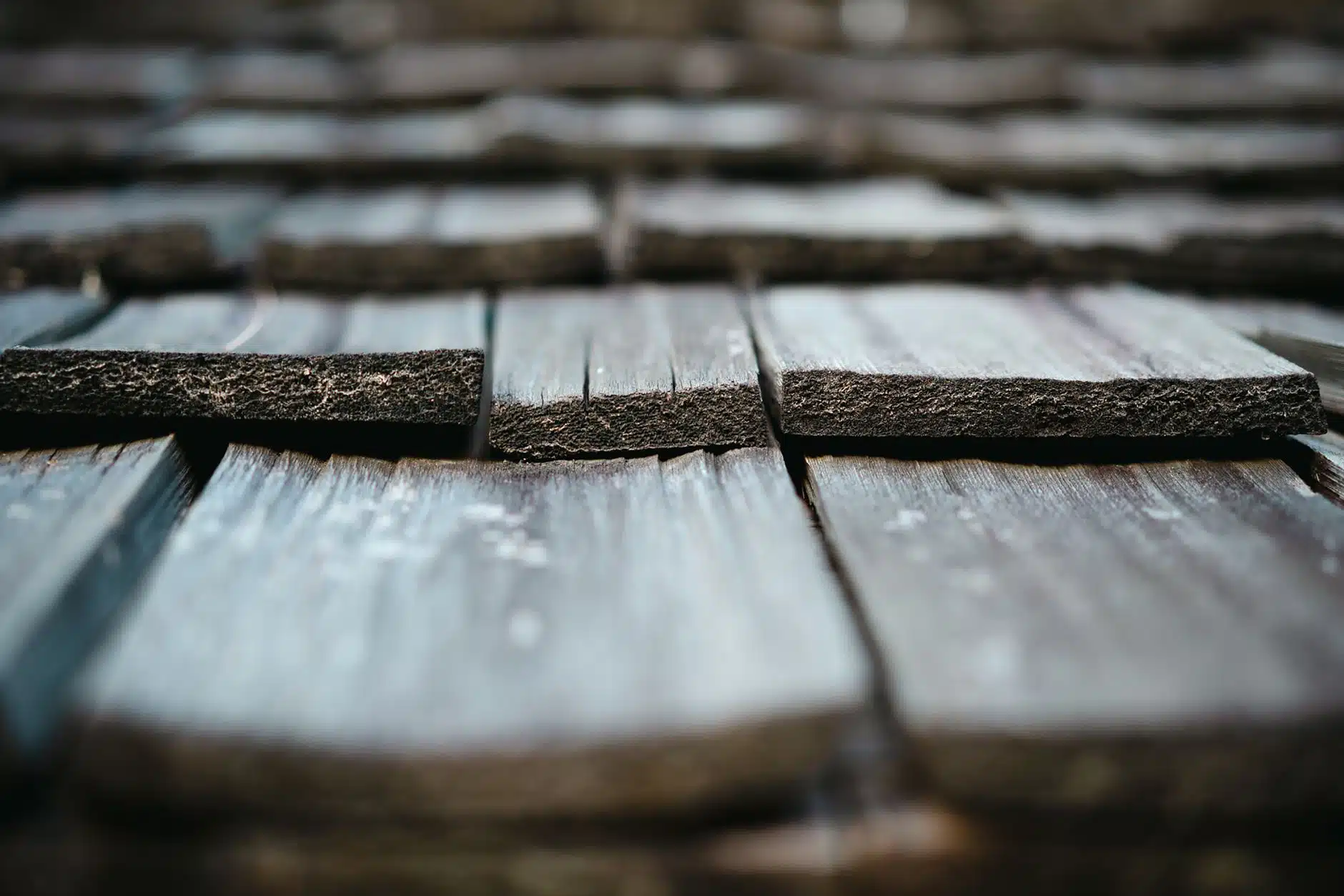
Cedar shake roofs fail early in southeast Louisiana for a reason that has nothing to do with the grade of the wood. The United States Department of Agriculture Forest Products Laboratory states plainly that when shakes or shingles are installed directly on the sheathing in geographical regions having high humidity, they need to be preservative treated. New Orleans is exactly that region, and a large share of the cedar shake roofs across the New Orleans metro were never specified that way.
Industry estimates put cedar shake in New Orleans at roughly 15 to 25 years, against 30 to 40 in a dry western climate. No federal standard sets a figure. A ventilated, preservative treated, regularly cleaned roof reaches the top of that range. One laid tight to solid sheathing with heavy shade falls well below it.
That spread is unusually wide for a roofing material, and it is the most useful thing to understand about cedar here. Two identical roofs installed the same week on the same street routinely reach very different ages. The variable is drying. Cedar tolerates getting wet and does not tolerate staying wet.
Warm wet wood is the growing medium for the fungi that break cedar down. The Forest Products Laboratory notes that higher moisture contents in wood over longer times increase the chance of decay. New Orleans supplies both halves of that condition most of the year, which is why the factors below outrank the grade on the bundle.
Moss, algae and trapped debris come first, and they are not cosmetic. The Forest Products Laboratory is explicit that moss growing on a roof, or leaves and other debris collecting on it, trap moisture and encourage decay, decreasing the life expectancy of the roof. What looks like staining is the start of the failure.
The sequence is fairly predictable. Organic growth takes hold on the shaded northern slope, debris packs into the keyways between shakes, that packed material holds water against the wood after every rain, and individual shakes begin to cup, split and go soft at the butt end. By the time a homeowner notices daylight or a stain on a ceiling, the decay has usually been running for several seasons. The same warm damp conditions drive the dark algae streaking that shows up on so many New Orleans roofs, though on cedar the consequence is structural rather than visual.
Keep the roof clear and let it dry. Nearly every action that extends a cedar roof in this climate comes down to removing what holds moisture against the wood and improving how fast the roof sheds and dries. Most of it costs very little set against a replacement.
Cedar is slippery when damp and the shakes themselves are damaged by foot traffic, so the work below belongs to a roofing contractor or a tree service rather than a homeowner on a ladder. Inspect from the ground where possible.
Homeowners who want the full treatment and cleaning routine will find the step by step cedar shake upkeep schedule covers products and intervals in more detail than belongs here.
Shakes are thicker and handle weather better, but shingles lie flatter and shed water more cleanly. In a humid climate the thickness of a shake is the bigger advantage, because there is more sound wood between the surface and the deck once decay begins. Neither choice survives poor ventilation or a debris packed roof.
| Factor | Cedar shakes | Cedar shingles |
|---|---|---|
| Production | Split, thicker, textured face | Sawn, thinner, smooth and uniform |
| Typical thickness | Greater, so more material before failure | Less, so decay reaches the deck sooner |
| Water shedding | Uneven surface can hold debris in the texture | Flatter lay sheds slightly more cleanly |
| Humid climate note | Extra thickness buys time once decay starts | Must never be interlaid with felt, which the Forest Products Laboratory warns impedes drying and decreases service life |
Grading matters more than the shake against shingle question. Product containing only heartwood resists decay better than product containing sapwood, and the Cedar Shake and Shingle Bureau inspects to the Certigrade, Certi-Split and Certi-Sawn standards that identify what was actually supplied.
Once decay has reached the sheathing, maintenance rarely pays. The signs are decking found soft or spongy during a professional inspection, widespread cupping across whole slopes rather than isolated shakes, and repeat leaks in different locations. At that point the money goes into structure rather than surface, and a replacement usually costs less than repeated repairs.
A cedar roof laid without a secondary water barrier compounds this. Federal guidance notes that where no such barrier exists, the sheathing is likely to decay once the roof begins to leak at the end of its service life, so a late replacement often means paying for deck repair that an earlier one would have avoided. A documented condition assessment before the next storm season separates a planned replacement from an emergency one, and leaves a dated baseline if a claim follows later. Age alone is not the trigger, and a 20 year old cedar roof kept clear and dry can have years left in it.
Can a cedar shake roof reach 30 years in New Orleans?
It is possible but uncommon, and it requires preservative treated product, spaced sheathing or a rain screen, genuine attic ventilation, and debris cleared off the roof at least twice a year. Most cedar roofs in the metro reach 15 to 25 years instead.
Does moss on a cedar roof actually matter or is it just appearance?
It matters. The United States Department of Agriculture Forest Products Laboratory states that moss and collected debris trap moisture and encourage decay, which decreases the life expectancy of the roof.
Should I pressure wash my cedar shake roof?
No. Federal guidance says power washing should not be necessary except in rare cases of extensive moss build up, and pressure stripping the surface drives water into the wood and shortens how long the roof lasts.
Is cedar a bad choice for a New Orleans home?
Not inherently, but it is a maintenance commitment rather than a fit and forget material. Homeowners unwilling to clear the roof and manage tree cover will get noticeably fewer years out of it than the product is capable of.
What can a roofing contractor do about an insurance claim on a cedar roof?
Louisiana law does not allow a contractor to interpret what a policy covers or to adjust a claim, so those questions belong with your insurer or a licensed public adjuster. Big Easy Roofing serves New Orleans, Metairie, Kenner and the surrounding parishes, and its role is to establish the physical cause of the damage, document the roof’s condition and provide a good faith itemized estimate.
How often should a cedar shake roof in Louisiana be inspected?
At least once a year, plus after any named storm or any event that drops limbs on the roof. Shaded slopes under heavy tree cover justify a second look each year.
Who decides what a cedar roof does to my insurance?
Your insurer does, and questions about premium, availability or coverage go to them or to a licensed public adjuster rather than to a roofer. What a roofing contractor can supply is a dated record of the roof’s current condition, which is the evidence those decisions get made against.
Ready to find out how many years your cedar roof has left? Call Big Easy Roofing at 504-800-8196 for a documented cedar shake assessment. The team covers inspection, maintenance, storm damage and full replacement across New Orleans, Metairie, Kenner, Covington, Mandeville and Slidell, and the same visit establishes the condition record that matters if a claim follows. More on how the local climate works against every roofing material sits in this look at what heat and humidity do to roofs in this city, and the wider range of materials handled by this New Orleans roofing contractor is worth comparing before committing to another cedar roof.
About the author: prepared by the roofing team at Big Easy Roofing, a licensed Louisiana contractor that inspects, repairs and replaces cedar shake, slate, tile, metal and shingle roofs throughout Orleans, Jefferson, St. Tammany and Tangipahoa parishes, and documents storm damage for property owners and their insurers.
Your roof is the beating heart of your home or business—it's the primary prot...
Read MoreSummary: New Orleans homeowners have six main siding types to choose from: ...
Read MoreInstalling a flat roof is an important and expensive process that requires kn...
Read MoreFor most New Orleans commercial buildings, TPO is the stronger choice in 202...
Read MoreMost homes across New Orleans, Louisiana still have asphalt shingles — and mo...
Read MoreClay and concrete are the two most popular tile roofing materials in Southeas...
Read More