

Soffit Installation in St. Rose, LA
Big Easy Roofing installs soffits across St. Rose and the east bank of St. Charles Parish. On many vented attics the soffit is where air comes in, and the state code has an eave baffle rule for insulation in vented attics, so the scope looks at both the panel and the attic side.
St. Rose soffit installation at a glance
Soffit is the panel under the roof overhang. On many vented attics it is where intake air enters, so in our experience a soffit installation is an attic question as much as a trim one. Louisiana’s state code also carries an eave baffle rule for air-permeable insulation in vented attics.
Intake is the job
In our experience the soffit is commonly where a vented attic draws its air in. A new soffit with no usable openings, or openings that insulation then blocks, can reduce the airflow the roof vents were meant to work with.
The state has an eave baffle rule
The Louisiana State Uniform Construction Code Council’s rules compilation, dated 1 August 2026, includes an Eave Baffle amendment that begins: “For air-permeable insulation in vented attics, a baffle shall be installed adjacent to soffit and eave vents.”
In our reading, it is about the insulation
The amendment is written about air-permeable insulation in vented attics. In our reading it is a rule about attic insulation next to the vents. We do not say it governs the soffit panel itself, and we do not say it applies to any particular soffit job.
Parishes enforce the state code
The same compilation prints R.S. 37:3737, which says all municipalities and parishes in the state “shall enforce only the Uniform Construction Code provided in this Chapter and as promulgated in the commission’s rules and regulations.”
Permit questions go to the parish
We do not say whether a soffit job needs a permit. The parish’s residential permitting guide says to contact a permit officer on (985) 783-5060 with permit questions and to direct building code questions to a South Central Development plan reviewer.
Your insurer decides cover
Louisiana R.S. 37:2159.1 bars a roofing contractor from acting as a public adjuster or interpreting insurance policy coverage. We write the scope and photograph the work.
Call Big Easy Roofing on (504) 800-8196 to look at the soffit on your St. Rose house.
Four soffit arrangements, and what to check on each
A soffit can be vented along its whole run, vented at intervals, solid, or built over a deeper overhang. The table sets out what each does for the attic and what we check on it, because the arrangement decides whether the panel is also the intake.
| Arrangement | What it does for the attic | Where it tends to fit | What we check |
|---|---|---|---|
| Perforated or vented panels along the run | Lets air in along the whole eave | A vented attic with open framing behind the panel | That the openings are not painted shut or blocked from behind by insulation |
| Solid panels with vents at intervals | Provides intake only through each vent in that run | A house where a solid look is wanted | Whether enough vents are cut in, and that each one opens into the attic |
| Solid panels only | Provides no intake through that soffit run | A house whose intake comes from elsewhere, or an unvented attic, which is a different design | Where the intake does come from, and whether the attic really is unvented, which the ventilation page covers |
| Panel under a deeper overhang | Depends on whether vents are included | Wide overhangs and boxed eaves | The backing, the fastening and how the roof edge sheds water once the panel is on |
The right arrangement is a site visit decision, because it depends on how the attic is built and what is already behind the old soffit.
The state eave baffle rule, and what it does and does not cover
Louisiana’s Uniform Construction Code amendments include an eave baffle rule, printed under two numbers. It is written about air-permeable insulation in vented attics, so we set out its wording, say where it is printed, and put the question of whether it reaches a given job to the parish.
What the amendment says
The text reads: “For air-permeable insulation in vented attics, a baffle shall be installed adjacent to soffit and eave vents. Baffles shall maintain an opening equal to or greater than the size of the vent. The baffle shall extend over the top of the attic insulation. The baffle shall be permitted to be any solid material.”
Where it is printed
The commission’s compilation prints the same wording as “Amend Section N1102.2.3 Eave Baffle” among its residential code amendments and as “Amend Section R402.2.3 Eave Baffle” among its energy conservation code amendments.
Who enforces the code
R.S. 37:3737 says municipalities and parishes shall enforce only the Uniform Construction Code in that Chapter as promulgated in the commission’s rules. St. Rose is unincorporated, so the parish is the local authority.
Who to ask
The residential permitting guide says to contact a permit officer on (985) 783-5060 with building permit questions, and to direct any building code questions to a South Central Development plan reviewer.
What we do behind a vent
Our practice, not a parish rule: where we open or replace a soffit vent we look at the attic side for insulation pushed up against it, and we keep a clear path from the vent into the attic.
Where the attic is vented and has air-permeable insulation, we ask the parish who should answer the baffle question before the soffit is closed up.
What we do not say
We do not say a St. Rose house has or lacks a baffle, and we do not say the amendment applies to a given soffit replacement. The amendment is about insulation in a vented attic, and whether it reaches a given job is a question we put to the parish.
The page quotes the rule so you can read it for yourself and put it to the parish.
Before the old soffit comes off
Some of what decides a soffit installation only shows once the old panels are down, such as rot in the framing behind them. Much of the rest can be checked first: the fascia and edge metal from the ground, and the insulation near each vent from the attic. We look at those first.
The fascia and the edge above
A new soffit fixed under a rotten fascia or a failing edge can be a short-lived repair. We check both before cutting, and our fascia repair page sets out how.
In our experience water that damaged the old soffit often came from above it or beside it.
What the old panels were doing
Whether the old soffit was vented, how far its vents opened into the attic, and whether they were painted shut all tell us what the new arrangement has to do.
We photograph the old arrangement before it comes down, so the scope matches what was there or says why it differs.
The record you keep
The written scope, photographs of the work before and after, and any answer a parish office gives belong together.
Together they show what was fitted and what was asked.
Big Easy Roofing Process
Four steps. The attic side is looked at before the soffit is specified, so the two are planned together.
01 Look at the attic and the eave
Existing soffit, fascia, edge metal and the insulation near each vent.
02 Confirm what to ask the parish
Permit questions to the permit officers on (985) 783-5060, building code questions to a South Central Development plan reviewer.
03 Write the scope
Panel type, vent arrangement, backing and finish, with any open questions named.
04 Fit and photograph
Installed to the scope, with joints and water-entry paths sealed and ventilation openings kept clear, and before and after photographs handed over.
Everything else we do in St. Rose
The rest of the Big Easy Roofing services available in St. Rose, each with its own page and written scope. Soffit work sits beside roof ventilation and fascia repair, so those two pages are worth reading alongside this one.
Roof Replacement in St. Rose
Read More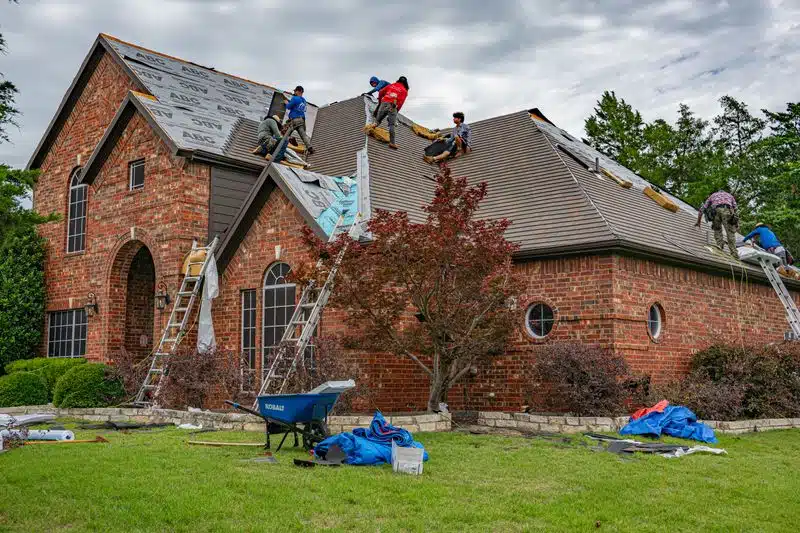
Roof Repairs in St. Rose
Read More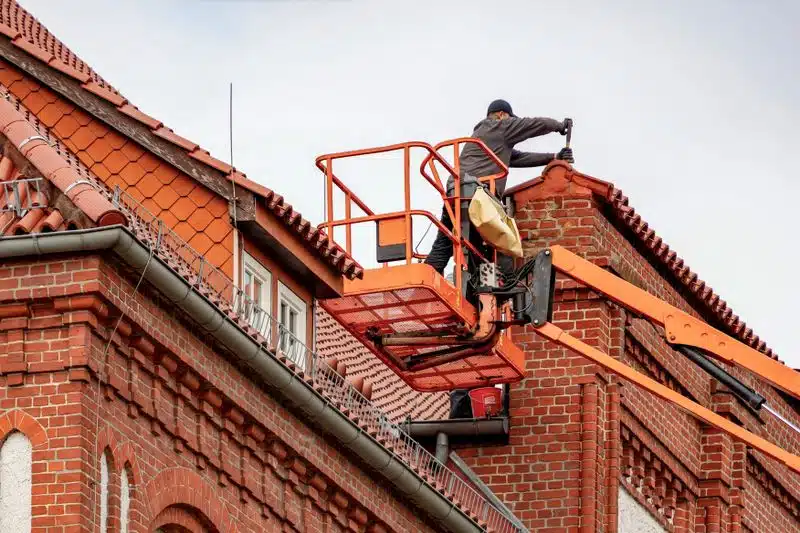
Roof Inspection in St. Rose
Read More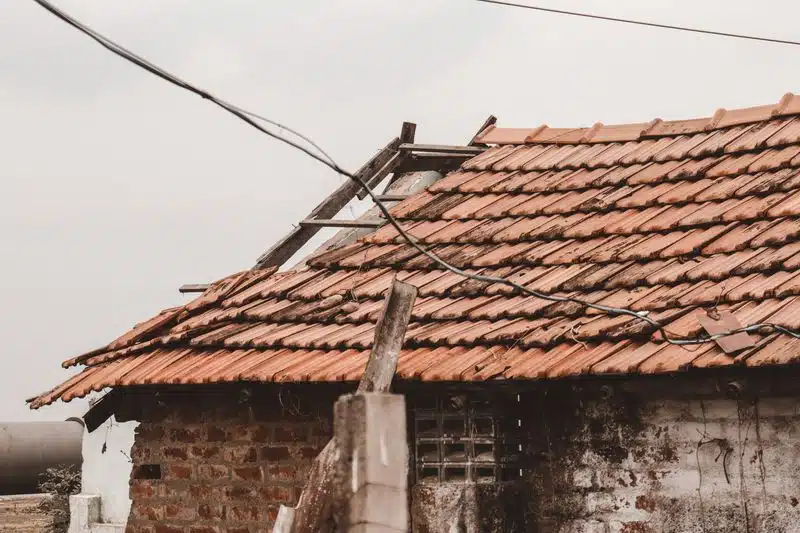
Hail Damage Roof Repair in St. Rose
Read More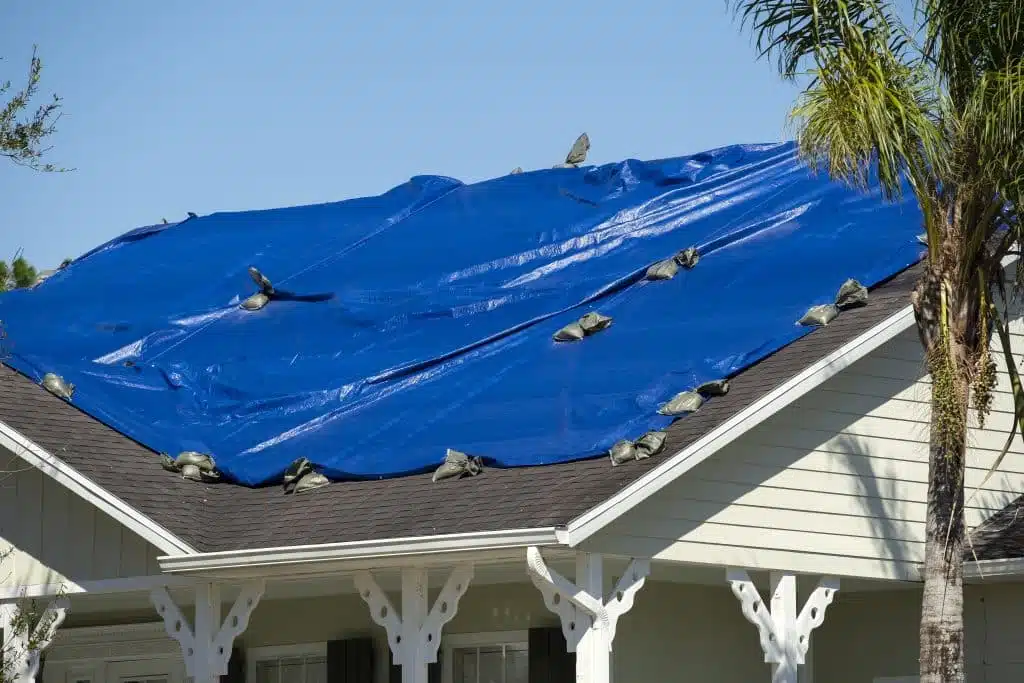
Storm Damage Roof Repair in St. Rose
Read More
Storm Damage Emergency Response in St. Rose
Read More
Emergency Roofing in St. Rose
Read More
Roof Leak Detection in St. Rose
Read More
Roof Maintenance in St. Rose
Read More
Roof Coating in St. Rose
Read More
Roof Ventilation in St. Rose
Read More
Roof Weatherproofing in St. Rose
Read More
Roof Restoration in St. Rose
Read More
Roof Flashing Repair in St. Rose
Read More
Fascia Board Installation and Repair in St. Rose
Read More
Gutters and Downspouts Installation in St. Rose
Read More
Gutters and Downspouts Repair in St. Rose
Read More
Siding Installation in St. Rose
Read More
Asbestos Roof Removal in St. Rose
Read More
Roof Damage Documentation in St. Rose
Read More
Commercial Roof Replacement in St. Rose
Read More
Commercial Roof Repairs in St. Rose
Read More
Commercial Roof Inspections in St. Rose
Read More
Commercial Hail Damage Repair in St. Rose
Read More
Commercial Re-Roofing in St. Rose
Read More
Commercial Roof Coating in St. Rose
Read More
Commercial Elastomeric Coatings in St. Rose
Read More
Commercial Roof Ventilation in St. Rose
Read More
Commercial Roof Leak Detection in St. Rose
Read More
Commercial Siding Installation in St. Rose
Read MoreSt. Rose Soffit Installation FAQs
The questions worth asking before a soffit installation on a St. Rose house.
Topic
Question not here?
Ask us about the soffit on your St. Rose house. No charge and no obligation.
Call (504) 800-8196What is a soffit and why does it matter?
Soffit is the panel under the roof overhang. On many vented attics it is where intake air enters, so in our experience a soffit installation is an attic ventilation question as much as a trim one.
What is an eave baffle?
The state amendment sets out an eave baffle as a baffle installed adjacent to soffit and eave vents for air-permeable insulation in vented attics. It must keep an opening at least as large as the vent, extend over the top of the attic insulation, and may be any solid material.
Does the eave baffle rule apply to my soffit job?
We do not say. The amendment is written about air-permeable insulation in vented attics, and we put the question of whether it reaches a given job to the parish. Building code questions go to a South Central Development plan reviewer, as the parish guide directs.
Does soffit installation need a permit in St. Rose?
That is a question for the permit officers at St. Charles Parish Planning and Zoning on (985) 783-5060. We do not say a soffit job does or does not need one.
Should the soffit be vented or the attic unvented?
In our experience a vented attic usually takes its intake at the eaves, and an unvented attic is a different design. Our roof ventilation page covers the choice.
What material should the soffit be?
The site visit answers that. Aluminum, vinyl, fiber cement and wood are all used for soffits, and the choice depends on the house, the finish wanted and what is behind the panel.
Will my insurance pay for soffit installation?
That is a question for your insurer. Louisiana R.S. 37:2159.1 bars a roofing contractor from acting as a public adjuster or interpreting insurance policy coverage.
Check the intake, check behind the vent then fit the panel
We look at the attic side and the fascia, write the soffit scope, and name the questions that go to the parish before anything is closed up. If you would rather start in writing, tell us what the job involves and we will come back with an estimate.
Call (504) 800-8196