

Roof Ventilation in St. Rose, LA
Big Easy Roofing sorts out attic ventilation across St. Rose and the east bank of St. Charles Parish. For new residential work, additions and renovations, the regional plan checklist asks for new HVAC reports when a change in attic type is not already shown in them, so we write the attic type down first.
St. Rose roof ventilation at a glance
In our experience a vented attic needs air in at the eaves and out near the ridge, and it is usually short of intake rather than exhaust. A regional plan checklist also treats the change between a vented and an unvented attic as something that can mean resubmitted HVAC reports, for the kinds of work it covers.
Estimated correction
Driven by how much intake has to be opened up, what exhaust is already there, the roof shape and access. Every figure here is an estimate, not a quote.
The checklist names attic type changes in its reports
The South Central Planning and Development Commission plan checklist for new residential work, additions and renovations lists “changes in un-vented attic vs. vented attic” among the changes that mean its HVAC reports are resubmitted when they do not already show them. The parish says it uses the commission for plan review.
Spray foam is named too
The same checklist says that if spray foam is used, or chosen after permit approval and the start of construction, new reports are submitted that state the use, including whether it is a vented or unvented attic application, and the type of foam.
Intake decides it
In our experience a ridge vent, turbine or static vent can usually only move about as much air as the soffits let in, while a powered fan can pull air from other places, including the cooled house below.
Blocked soffits are the usual find
In our experience the most common fault is intake blocked by insulation pushed into the eaves, by paint over the perforations, or by soffit never cut open behind the vent.
A written correction
What was found, what changes and the figure, in writing, so you can check it.
Every figure on this page is an estimate, not a quote, and is subject to Big Easy Roofing sign off. Cost and timescale depend on size, pitch, access, weather, materials and whatever is found once work starts, so call Big Easy Roofing on (504) 800-8196 and we will come out and give you an estimate for your own roof.
Every figure on this page is an estimate, not a quote. Call Big Easy Roofing on (504) 800-8196 to have the ventilation on a St. Rose roof looked at.
What each vent does, and what it cannot do
In our experience vents are not interchangeable and they are not cumulative. Here are the vents we are asked about around St. Rose, what each is good at, and the limit that matters before buying another one. The first row is intake, and in our experience every passive exhaust row depends on it.
| Vent type | What it does well | What it cannot do | Only works if |
|---|---|---|---|
| Soffit or eave intake | Lets air in low down, where it should enter | Exhaust air on its own; it is the supply side | It is open behind the vent and not packed with insulation |
| Ridge vent | Exhausts along the highest line, with no moving part | Draw more air than the intake allows | There is matching intake, and no point vent shares its plane |
| Turbine or static vent | Exhausts simply, a turbine adding a small wind assist | Create intake | Intake is adequate and it does not share a plane with a ridge vent |
| Powered attic fan | Moves a lot of air, fast | Make up for a starved attic; in our experience it can instead pull cooled air out of the house | Intake is genuinely adequate first |
| Unvented attic (a sealed alternative to venting) | Insulates at the roof deck instead of venting the attic | Work alongside open attic vents; in our experience an unvented attic is built as a sealed system | It is built as a sealed system |
Every figure on this page is an estimate rather than a quote. After a storm, check that a turbine is still in place; in our experience one that has stopped spinning still acts like a static vent.
What the plan checklist says about the attic
The South Central Planning and Development Commission’s plan submittal checklist (IRC 2021 edition) covers new residential work, additions and renovations. It asks for HVAC compliance reports, and it says they are resubmitted (in its words, in its entirety) when changes such as a change between a vented and an unvented attic are not correctly reflected in them.
The reports it asks for
The mechanical section asks for an HVAC ACCA Manual J, Manual S and Manual D compliance report to be approved before mechanical work begins. See the checklist.
When they are filed again
It says that when changes are not correctly reflected in those reports, they are resubmitted (in their entirety) and approved before mechanical work continues, and its examples include “changes in un-vented attic vs. vented attic”.
What it says about spray foam
If spray foam is chosen after permit approval and the start of construction, new reports must show the use, including whether it is a vented or unvented attic application, and the type of foam, with product information and/or an ICC ES report number.
Who reviews it
A notice in the parish renovation permit packet says the parish currently uses this commission for plan review and on-site inspection. The packet is on the parish permits page.
What the checklist does not say
It is written for new residential work, additions, accessory buildings and renovations, and it says that for work other than new residential or additions, only the areas describing the scope of work apply.
It does not say that adding a vent to an existing roof needs a permit or a compliance report. We do not say so either. The parish guide gives (985) 783-5060 for permit officer questions at Planning and Zoning, and sends building code questions to a South Central Development plan reviewer.
How we use it
In our practice, if a job involves spray foam or a change of attic type, the attic type goes into the scope at the start, so any paperwork the checklist asks for, where it applies, is not an afterthought.
Vents changed during a roof replacement are written into that job’s scope, in our practice.
Where it shows on a St. Rose roof
A starved attic rarely announces itself. In our experience it shows up as damp decking, rusted fixings and shingles that age unevenly, which are often mistaken for a roof leak, so we check the attic from the inside before anyone prices a new covering.
Humidity is the slow load
In our experience, warm moist air in an attic that cannot move air can condense on the underside of the deck when that surface cools, typically overnight.
That is why a ventilation fault can look like a leak, and why a leak detection visit checks the attic as well as the roof.
A roof ages from below too
In our experience heat and trapped moisture work on the deck from inside while the sun works on the covering.
Where the deck is already marked, that goes on the record before any new covering goes on. The weatherproofing page covers the layers above it.
Often easier when the roof is open
In our experience opening intake at the eaves is often easier during a reroof than as a standalone visit.
Between roof jobs, a quick look can confirm the soffits are clear and exhaust is in place.
Big Easy Roofing Process
Four steps. Intake is checked before exhaust, because in our experience every passive exhaust vent depends on it.

01 Look at the deck from the attic
Marks, damp and rusted fixings recorded first.
02 Check the intake
Along the full run of the eaves, for blocked, painted or uncut soffit.
03 Write the correction
Each vent, which plane it serves, the attic type, what changes and the figure.
04 Fix intake, then match exhaust
In that order, photographed for the record.
Everything else we do in St. Rose
The rest of the Big Easy Roofing services available in St. Rose, each with its own page and written scope. In our experience, ventilation is often corrected as part of a larger job, while the roof is open and the intake side is easier to reach.
Roof Replacement in St. Rose
Read More
Roof Repairs in St. Rose
Read More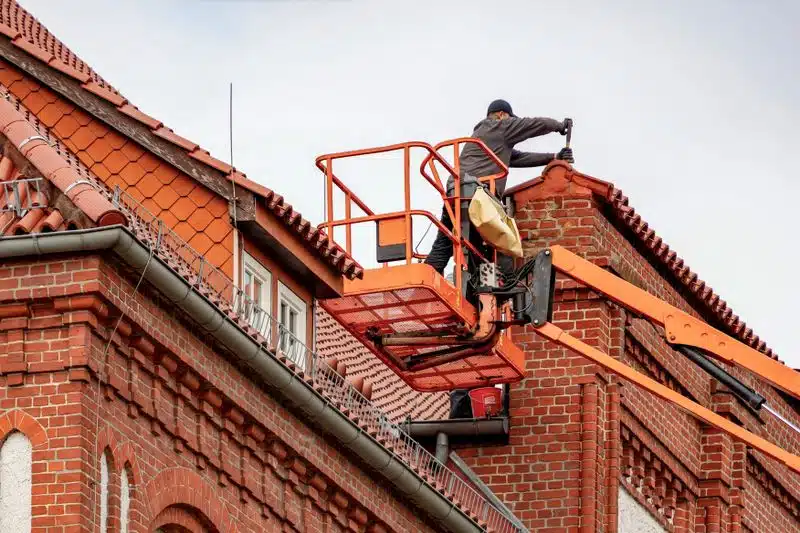
Roof Inspection in St. Rose
Read More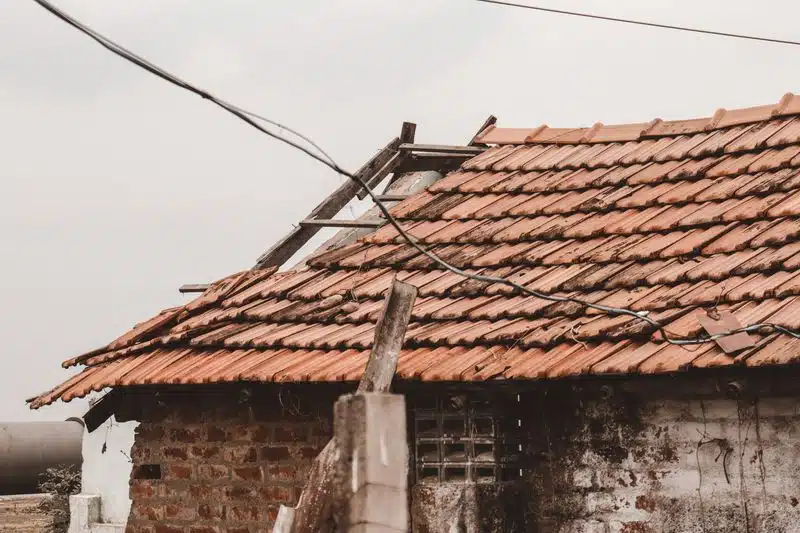
Hail Damage Roof Repair in St. Rose
Read More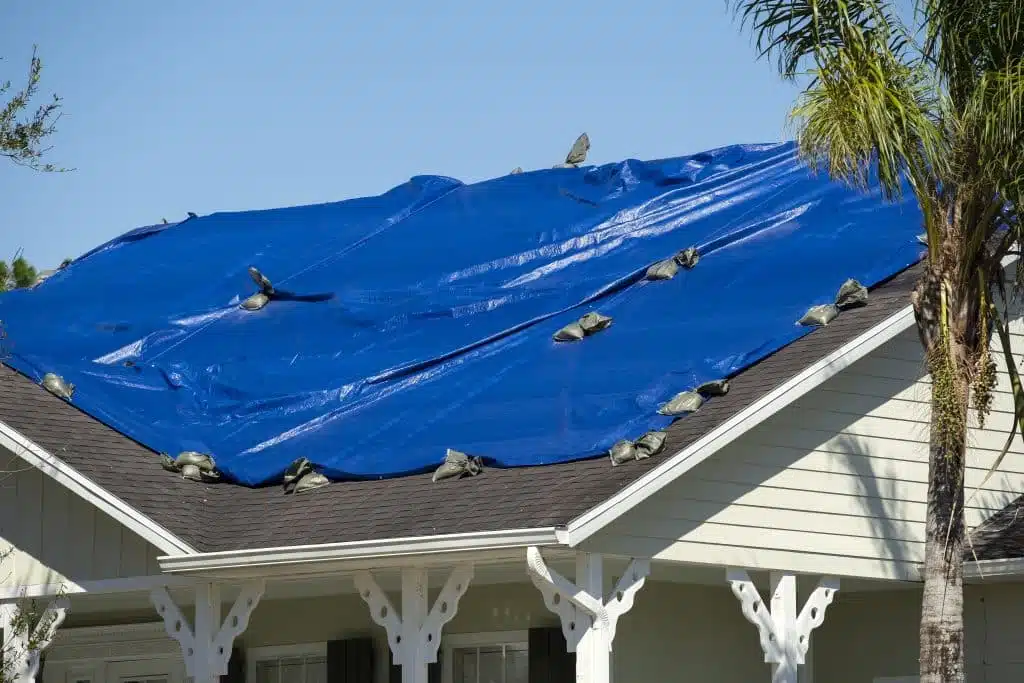
Storm Damage Roof Repair in St. Rose
Read More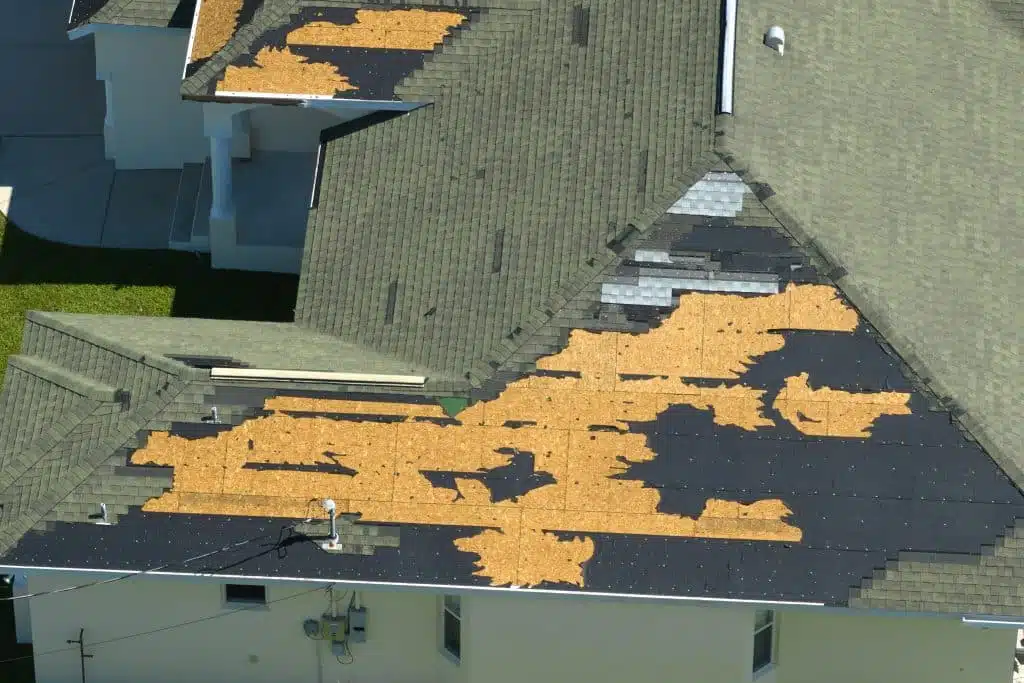
Storm Damage Emergency Response in St. Rose
Read More
Emergency Roofing in St. Rose
Read More
Roof Leak Detection in St. Rose
Read More
Roof Maintenance in St. Rose
Read More
Roof Coating in St. Rose
Read More
Roof Weatherproofing in St. Rose
Read More
Roof Restoration in St. Rose
Read More
Roof Flashing Repair in St. Rose
Read More
Fascia Board Installation and Repair in St. Rose
Read More
Gutters and Downspouts Installation in St. Rose
Read More
Gutters and Downspouts Repair in St. Rose
Read More
Siding Installation in St. Rose
Read More
Asbestos Roof Removal in St. Rose
Read More
Roof Damage Documentation in St. Rose
Read More
Commercial Roof Replacement in St. Rose
Read More
Commercial Roof Repairs in St. Rose
Read More
Commercial Roof Inspections in St. Rose
Read More
Commercial Hail Damage Repair in St. Rose
Read More
Commercial Re-Roofing in St. Rose
Read More
Commercial Roof Coating in St. Rose
Read More
Commercial Elastomeric Coatings in St. Rose
Read More
Commercial Roof Ventilation in St. Rose
Read More
Commercial Roof Leak Detection in St. Rose
Read More
Commercial Siding Installation in St. Rose
Read MoreSt. Rose Roof Ventilation FAQs
What the plan checklist says about vented and unvented attics, what a vented attic is usually short of, and what it costs.
Topic
Question not here?
Ask us about the ventilation on your St. Rose roof. No charge and no obligation.
Call (504) 800-8196Does a change between a vented and an unvented attic mean resubmitted reports on a permitted job in St. Charles Parish?
The South Central Planning and Development Commission plan checklist for new residential work, additions and renovations lists “changes in un-vented attic vs. vented attic” among the changes that, when not reflected in its HVAC reports, mean the reports are resubmitted, for the work the checklist covers. Ask a permit officer at Planning and Zoning on (985) 783-5060 about permits, and put the building code question of whether it applies to your address and scope to a South Central Development plan reviewer, as the parish guide says.
What if spray foam is chosen after permit approval and the start of construction?
For the work the checklist covers, it says that if spray foam is chosen after permit approval and the start of construction, new HVAC reports are submitted that state the use, including whether it is a vented or unvented attic application, with product information and/or an ICC ES report number, and that the applicant or contractor notifies the commission’s building code inspection department of the change.
Does adding a vent to my existing roof need a permit?
The checklist does not say. It says that for work other than new residential or additions, only the areas describing the scope of work apply. Ask the permit officers at Planning and Zoning on (985) 783-5060 about permits, and a South Central Development plan reviewer about building code.
Should I add a second turbine?
Usually not. In our experience, if the first is not achieving much, the usual reason is intake, and a second turbine does not change the air supply. Opening the intake side is usually the fix.
Can I have a ridge vent and a turbine together?
On the same attic plane we advise against it, because in our experience the turbine can draw from the ridge vent a few feet away rather than from the eaves.
What does fixing ventilation cost?
Estimated at $400 to $2,500, driven by how much intake has to be opened up, what exhaust is fitted and the access. A written estimate follows a look in the attic.
Get the attic checked intake first before buying another vent
We look at the deck from the attic, check the soffits along the whole run, and write a correction that names the attic type and is sized to the air that can actually get in. If you would rather start in writing, tell us what the job involves and we will come back with an estimate.
Call (504) 800-8196