

Commercial Roof Replacement in St. Rose, LA
Big Easy Roofing replaces commercial roofs across St. Rose and the east bank of St. Charles Parish. The parish publishes a commercial permitting guide and a regional roofing handout with its own inspection options, so we read both before we write the scope.
St. Rose commercial roof replacement at a glance
A commercial reroof in St. Rose may involve three key references: the parish commercial permitting guide, the regional commission’s roof covering handout, and R.S. 37:3737, under which a parish that issues construction permits must permit and inspect roofing on buildings other than one and two family dwellings under International Building Code Chapter 15. The parish confirms which items apply.
The parish has a commercial guide
The parish publishes a Commercial Permitting Flowchart and Guide that starts with a pre-application meeting through Planning and Zoning on (985) 783-5060. It describes commercial permitting in general, so which items a reroof needs is for the permit officers.
Fire Marshal letter in the guide
The guide lists “A Fire Marshal approval letter” and says it determines that the plans of the building will meet their requirements for approval. Whether a reroof needs one is for the permit officers to say.
Health Department letter in the guide
The guide lists a Department of Health approval letter “when applicable”, and says it is necessary when the project will be providing food to the public.
Two parish pages, two sets of numbers
The parish’s new construction page for commercial and industrial buildings lists the same two approvals with different contact numbers from the guide’s. Ask Planning and Zoning which to call.
The regional handout has a commercial paragraph
The South Central commission’s roof covering handout, which the parish permits page links and which is headed for areas where wind design is required, says that for commercial roofs on slopes from 2:12 up to 4:12 underlayment is two layers, and on slopes of 4:12 or greater one layer with laps of not less than 4 inches. Its wording puts 4:12 in both ranges, so we confirm which applies. For flat roof systems it says to comply with the noted code references and the manufacturer’s instructions.
Recover has limits
The handout says new roof coverings shall not be installed without first removing all existing layers where the roof has two or more applications of coverings, and that attaching a new covering to existing wood shake, slate, clay, cement or asbestos-cement tile is not allowed.
This page addresses roofing on buildings other than one- and two-family dwellings. For a mixed use building, confirm with the parish which rules apply before scoping.
Our practice is to price commercial replacement on the assembly and the access rather than from a published range, so call Big Easy Roofing for a scoped price on your St. Rose building.
Recover or tear off, and what the handout says about each
An early decision on a commercial reroof is whether the old covering comes off. The regional handout sets two limits on a recover, and the table pairs each situation with what the handout says, what that means for the scope, and what we check on the roof before deciding.
| What is on the roof now | What the handout says | What it means for the scope | What we check |
|---|---|---|---|
| Two or more existing coverings | Remove all existing layers first | All existing layers come off | The layer count, at the edge and at a test cut |
| Existing wood shake, slate, clay, cement or asbestos-cement tile | Attaching a new covering to it is not allowed | A recover is not an option over these | What the existing covering is, before anything is specified |
| One existing covering that looks sound | Not stated for a single covering | Not decided by the handout's two sentences, so we ask the building official | Moisture in the insulation and the condition of the deck |
| Wet insulation or a soft deck | Not addressed in the handout | In our experience usually tear off | How far the wet area reaches |
The right answer is a roof decision, made on the building. The handout is headed for areas where wind design is required, and the parish confirms how it applies to a given building and anything that depends on the permit.
What the parish guide lists and the regional handout sets
State law requires a parish that issues construction permits to permit and inspect buildings other than one and two family dwellings for roof construction and reroofing under International Building Code Chapter 15. The parish commercial guide covers commercial permitting, and the regional handout, headed for areas where wind design is required, describes two inspection options. The parish confirms what applies.
State law
The commission’s compilation prints it: a municipality or parish that issues a permit for construction shall do all of the following, starting with: “Permit and inspect all buildings, other than one- and two-family dwellings, for roof construction and reroofing in compliance with the International Building Code Chapter 15 requirements as adopted and promulgated by the commission.” The State Licensing Board says permitting and inspection of reroofing is required for projects beginning on or after 1 August 2025.
The guide's first step
The guide says a meeting with wastewater, waterworks, MS4, planning and drainage staff is scheduled to help answer any questions or concerns about the project. It is requested through Planning and Zoning on (985) 783-5060.
Inspection, option one
The handout says the building department inspects each roof section before the covering is applied, that inspections are scheduled by calling 985-655-1070, and that “Inspections are scheduled for the next business day.”
Inspection, option two
In lieu of on-site inspections the handout points to a separate sheet for submitting geotagged photographs through an online document portal. R.S. 37:3737(H) says the building official “may accept” location-verified photographs or videos for required roofing or reroofing inspections, so whether they are accepted for a given job is for the parish to say.
What we put in the file
Our practice, not a parish rule: for a reroof we prepare a roof plan showing drains, curbs and penetrations, with the new assembly described from deck to membrane, in paper and digital form.
Separately, the commercial guide lists two sets of paper construction plans with a digital copy as a submittal item. Which plans a reroof needs is for the permit officers, and building code questions go to a South Central Development plan reviewer, as the guide directs.
What we do not say
We do not say a reroof needs the Fire Marshal letter or the Health Department letter. The guide and the new construction page describe commercial permitting, and the permit officers say which items a reroof needs.
We do not say which inspection route the parish will accept for a given job. We ask, and write the answer into the scope.
Replacing a roof over a building that stays open
Where a commercial building keeps trading while the roof comes off, the sequence matters as much as the assembly. These are the things we plan with the building before work starts, and the record we keep, which follows the handout’s own photograph checklist.
Phasing around the occupier
A reroof over a shop floor, a kitchen or an office is planned section by section. Our practice is to plan each day’s work so the roof is watertight again at the end of it, weather permitting.
Where a notice to the occupier, a unit shutdown or a crane slot is needed, it is scheduled with the building rather than assumed.
Drains, falls and insulation together
A replacement can be the point at which drainage, falls and insulation are corrected together, depending on the assembly and the scope.
In our experience ponding can shorten the life of a membrane, so drainage is settled with the assembly rather than after it.
The record we keep
The handout’s photograph checklist asks for four photographs of decking where the decking is new, four of underlayment and six of roofing material, including the fastener package and label, the installed fastener pattern and a wide angle of the finished roof with its accessories.
Our practice is to keep a record like that whichever inspection route is used, using the handout’s checklist as our model, with the permit and its inspections, and to hand it over with the scope.
Big Easy Roofing Process
Four steps. We form a view on tear off or recover from the roof, and the parish is asked before the file is lodged.

01 Survey and form a view
Layer count, insulation moisture, deck condition and drainage, then a view on tear off or recover, confirmed with the parish.
02 Ask the parish
Ask Planning and Zoning on (985) 783-5060 how the guide’s first step, a pre-application meeting, works for a reroof, and put the Fire Marshal and health letter questions to the permit officers.
03 File and arrange inspection
Our practice: we ask which inspection route the parish accepts, on site or geotagged photographs, before the file is lodged.
04 Replace and hand over the record
Our practice: work in phases, photographed to the handout’s checklist, with the permit and inspection record kept with the scope.
Everything else we do in St. Rose
The rest of the Big Easy Roofing services available in St. Rose, each with its own page and scope of work. A replacement is where drainage, insulation and rooftop penetrations can be corrected together, so the commercial roof repairs page is worth reading alongside this one.
Roof Replacement in St. Rose
Read More
Roof Repairs in St. Rose
Read More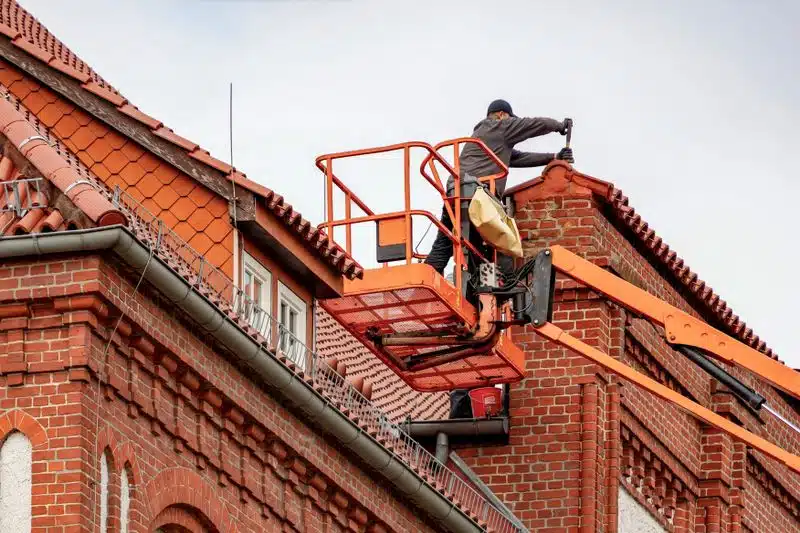
Roof Inspection in St. Rose
Read More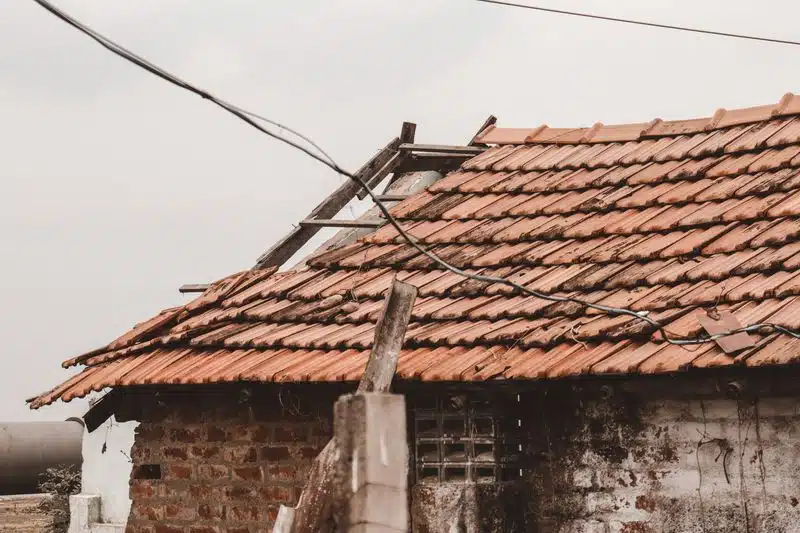
Hail Damage Roof Repair in St. Rose
Read More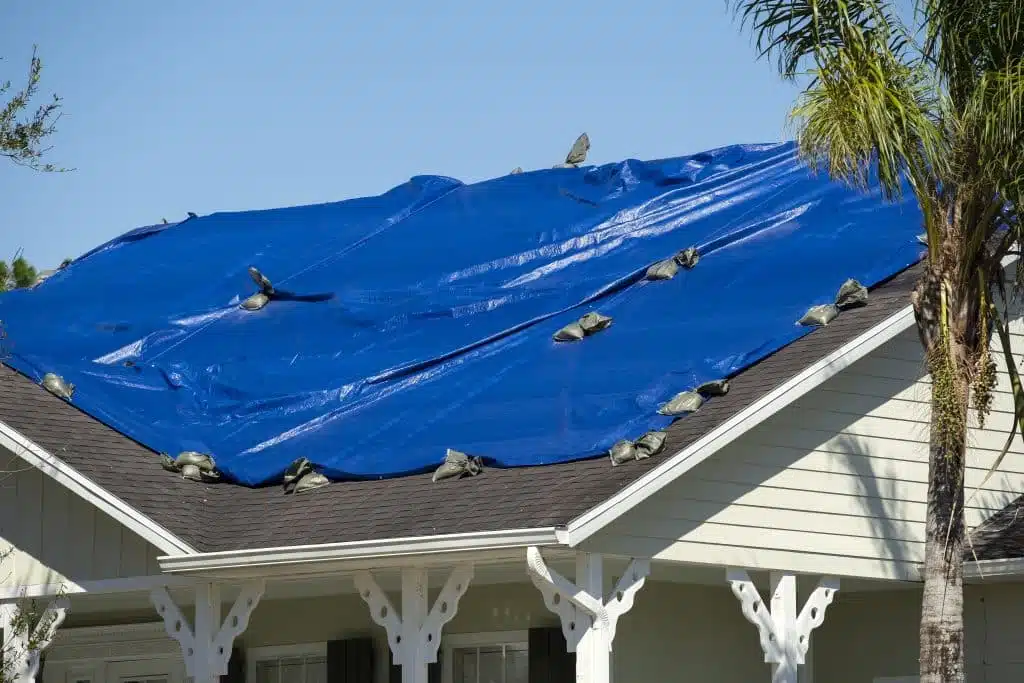
Storm Damage Roof Repair in St. Rose
Read More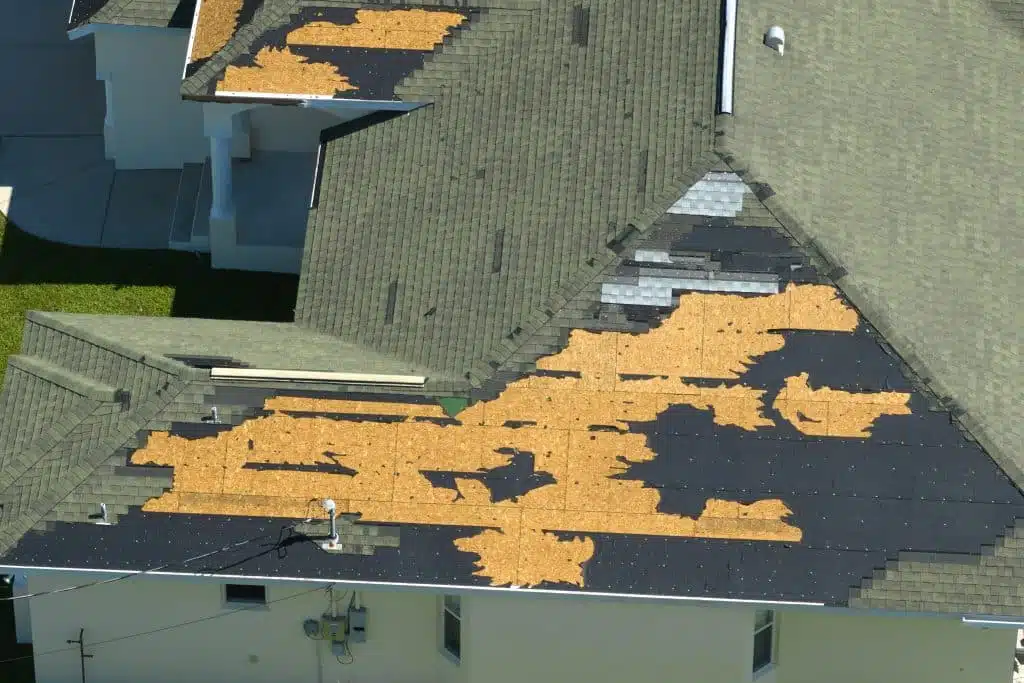
Storm Damage Emergency Response in St. Rose
Read More
Emergency Roofing in St. Rose
Read More
Roof Leak Detection in St. Rose
Read More
Roof Maintenance in St. Rose
Read More
Roof Coating in St. Rose
Read More
Roof Ventilation in St. Rose
Read More
Roof Weatherproofing in St. Rose
Read More
Roof Restoration in St. Rose
Read More
Roof Flashing Repair in St. Rose
Read More
Fascia Board Installation and Repair in St. Rose
Read More
Gutters and Downspouts Installation in St. Rose
Read More
Gutters and Downspouts Repair in St. Rose
Read More
Siding Installation in St. Rose
Read More
Asbestos Roof Removal in St. Rose
Read More
Roof Damage Documentation in St. Rose
Read More
Commercial Roof Repairs in St. Rose
Read More
Commercial Roof Inspections in St. Rose
Read More
Commercial Hail Damage Repair in St. Rose
Read More
Commercial Re-Roofing in St. Rose
Read More
Commercial Roof Coating in St. Rose
Read More
Commercial Elastomeric Coatings in St. Rose
Read More
Commercial Roof Ventilation in St. Rose
Read More
Commercial Roof Leak Detection in St. Rose
Read More
Commercial Siding Installation in St. Rose
Read MoreSt. Rose Commercial Roof Replacement FAQs
The questions worth settling before a commercial reroof on a St. Rose building.
Topic
Question not here?
Ask us anything about reroofing your St. Rose building. No charge and no obligation.
Call (504) 800-8196Who issues the commercial roofing permit in St. Rose?
St. Charles Parish. St. Rose is unincorporated and the parish has no incorporated cities, so Planning and Zoning on (985) 783-5060 is the office to ask.
What code does a commercial reroof answer to?
For buildings other than one- and two-family dwellings, R.S. 37:3737(I)(1) says a municipality or parish that issues a permit for construction shall permit and inspect roof construction and reroofing in compliance with International Building Code Chapter 15 requirements as adopted and promulgated by the commission.
Does a commercial reroof need a Fire Marshal letter?
The parish commercial permitting guide lists a Fire Marshal approval letter. Whether a reroof needs one is for the permit officers to say. We do not print a contact number, because the guide and the parish new construction page list different ones.
Does it need a Health Department letter?
The guide lists one “when applicable” and says it is necessary when the project will be providing food to the public. Ask the permit officers whether it applies to your building.
Can the new roof go over the old one?
The regional handout says all existing layers come off first where there are two or more coverings, and that attaching a new covering to existing wood shake, slate, clay, cement or asbestos-cement tile is not allowed. For a single covering of another type the handout is silent, so we ask the building official before specifying a recover.
How is a commercial reroof inspected?
The handout describes two options: an on-site inspection of each roof section before the covering goes on, scheduled for the next business day, or geotagged photographs submitted in place of it. R.S. 37:3737(H) says the building official may accept photographs, so whether they are accepted for a given job is the parish’s decision, and we ask which route it will accept for yours.
Does my roofer need a state licence for a commercial replacement?
Commercial work carries its own licence threshold, set by the State Licensing Board for Contractors at fifty thousand dollars for property used for commercial purposes (the Board confirms how it is measured), and it is separate from the residential roofing classification that applies to houses. Ask for the Louisiana state licence number and its expiry date and verify both directly with the Board.
Can my roofer act as my public adjuster?
La. R.S. 22:1706(H)(11) bars a public adjuster from acting as a contractor or providing roofing or repair services to the insured on a claim they have processed. On the roofer side, our practice is to document the physical condition of the roof and give an itemised estimate of the work; coverage questions go to the insurer or to a licensed public adjuster.
Survey the roof, ask the parish before any file is lodged
We survey the roof, decide tear off or recover on what we find, and put the parish questions to Planning and Zoning before the file is lodged. If you would rather start in writing, tell us what the job involves and we will come back with an estimate.
Call (504) 800-8196