



Roof Ventilation in Kenner, LA
Big Easy Roofing sorts out attic ventilation across Kenner and east bank Jefferson Parish. Most roofs here already carry plenty of exhaust. What they are short of is intake, and that is why adding another vent so often changes nothing you can feel.
Kenner roof ventilation at a glance
Attic ventilation is one system with two halves, air in at the eaves and air out near the ridge. The half that is usually short is the intake, and adding more exhaust rarely fixes that, because a vent without a motor can only move the air something else lets in.
Estimated correction
Driven by how much intake has to be opened up, what exhaust is already there, the roof shape and access. Every figure here is an estimate, not a quote.
A passive vent cannot exceed intake
A turbine or a ridge vent has no motor, so each can only move the air the soffits let in. A powered fan is another case: it has enough suction to pull air from wherever it can find it, and on a starved attic that includes the conditioned house below.
Ridge vent plus a point vent
A ridge vent runs continuously along the top. Put a turbine or a powered fan on that same plane and the point vent can find the ridge slot before it finds the eaves. Two turbines together, or two static vents, do not have that problem.
A seized turbine still works
One that has stopped turning has not stopped being a vent. It keeps the weather out the way a static vent does, it has just lost the wind assist. What is worth checking after a storm is whether it is still physically there.
Blocked soffits are the usual find
The most common ventilation fault we find is intake that is present on paper and blocked in practice, usually by insulation pushed into the eaves, by paint over the perforations, or by soffit that was never cut open behind the vent.
It is usually part of a bigger job
Doing the intake side properly often means working at the eaves, so ventilation is normally corrected during a reroof or a repair rather than as a standalone visit.
Every figure on this page is an estimate, not a quote, and is subject to Big Easy Roofing sign off. Cost and timescale depend on size, pitch, access, weather, materials and whatever is found once work starts, so call Big Easy Roofing on (504) 800-8196 and we will come out and give you an estimate for your own roof.
Every figure on this page is an estimate, not a quote, and is subject to Big Easy Roofing sign off. Call Big Easy Roofing on (504) 800-8196 to have the ventilation on a Kenner roof looked at properly.
What each vent actually does, and what it cannot do
Vents are not interchangeable and they are not cumulative. These are the ones on roofs around here, what each is genuinely good at, and the limit nobody mentions at the point of sale. The last column is the one that decides whether it will work on your roof.
| Vent type | What it does well | What it cannot do | Only works if |
|---|---|---|---|
| Soffit or eave intake | Lets air into the attic, low down where it should enter | Nothing on its own, it is the supply side | It is actually open behind the vent and not packed with insulation |
| Ridge vent | Exhausts along the highest line, evenly, with no moving part | Draw more than the intake allows | There is matching intake at the eaves, and it is the only exhaust on that plane |
| Turbine | Exhausts, and spins in wind, with a small assist over a static vent | Create intake, or work usefully on a starved attic | Intake is adequate and it is not sharing a plane with a ridge vent |
| Static box or louvre vent | Exhausts simply and cheaply, nothing to seize | Cover a large attic on its own | Enough of them are fitted high enough, with intake to match |
| Powered attic fan | Moves a lot of air, fast | Be harmless on a starved attic, where it can pull conditioned air out of the house | Intake is genuinely adequate first, which is the part usually skipped |
Every figure on this page is an estimate rather than a quote. The pattern across all five rows is the same: four of them are exhaust, only one is intake, and the intake row is the one most roofs are short of.
Turbines, honestly
Turbines are everywhere on roofs in this region and they are the vent people ask about most. They are not a con and they are not a cure. A turbine is an exhaust vent with a moving part, and what it can achieve is set by the intake underneath it rather than by the turbine itself.
What it is genuinely doing
When wind crosses the cowl it spins, and a spinning turbine moves somewhat more air than a static vent of the same opening. That is a real benefit and it is a modest one. On a still, humid day it is close to a static vent with a lid.
What it cannot do
No exhaust vent creates air. If the soffits are blocked or were never opened, a turbine pulls against a closed system and achieves very little, and a second turbine doubles the hardware without changing the air supply. A powered fan on that same attic is the one to watch, because its motor can find makeup air from inside the house.
The pairing that actually backfires
A ridge vent runs in a continuous line along the top of the plane. Put a turbine or a powered fan on that same plane and the point vent can end up drawing from the ridge slot a few feet away instead of from the eaves, which cuts into what either one is doing for that section. Two turbines together, or two static vents, are ordinary and not a fault.
Where this fits the paperwork
Louisiana requires any municipality or parish that issues construction permits to permit and inspect roof construction and reroofing, at R.S. 37:3737(I), so vents changed during a reroof sit inside that job. For a standalone vent change the Kenner Permitting Office answers it, on (504) 468-4062 option 1, Monday to Friday 8:30 AM to 4:30 PM.
How to tell whether yours is doing anything
Look at it from the ground on a breezy day and see whether it turns freely. Then go into the attic on a hot afternoon, and check whether daylight is visible at the eaves along the run, not just at one end. Blocked intake is far more common than broken exhaust.
If the attic is noticeably hotter than the outside air and the soffits are dark, the fault is almost certainly the intake side, whatever is fitted at the top.
What bad ventilation looks like from inside
Sheathing that is stained or damp on the underside, rusted nail points, insulation that is matted down, and a musty smell that is worse in summer. Those are moisture signs rather than heat signs and they are the expensive ones.
They also look like a leak, which is why it is worth having the difference settled. Leak detection separates water coming in from water condensing inside, and the two have completely different fixes.
Why this matters more on a Kenner roof
Kenner is hot and humid for most of the year, and an attic that cannot move air holds that humidity against the underside of the roof. The damage from that is slow, hidden and usually found during another job rather than reported by the homeowner.
Humidity is the real load, not just heat
Warm moist air rises into the attic from the house below and, with nowhere to go, condenses on the coolest surface it can find, which is generally the underside of the sheathing overnight.
That is why ventilation problems show up as damp decking and rusted fixings rather than as a temperature complaint, and why they are so often mistaken for a roof leak.
A sealed up attic ages the roof from below
Sustained heat and trapped moisture work on the deck and the underlayment from the inside while the sun works on the covering from the outside. The covering usually gets the blame.
Where the deck is already marked, that belongs on the record before any new covering goes over it, which is what a roof inspection is for.
It is cheapest to fix when the roof is open
Opening up intake at the eaves is straightforward while a reroof is in progress and fiddly as a standalone visit, so the sensible time to correct ventilation is when other work is already scheduled.
Between times, keeping the soffits clear and the exhaust turning is ordinary maintenance, and it costs nothing to check.
Big Easy Roofing Process
Four steps, and the first two happen in the attic rather than on the roof, because that is where the fault almost always is.

01 Check the intake first
In the attic, along the full run of the eaves. Blocked, painted or uncut soffit is the most common finding and it changes everything downstream.
02 Record what exhaust is already fitted, and where
Ridge, turbines, static vents, powered fans, and which attic plane each one serves, because a ridge vent sharing a plane with another exhaust vent is the usual fault, rather than simply having more than one.
03 Write the correction and the value
What intake is being opened, what exhaust stays, what comes off, and the figure, with any damp or marked decking named before the work starts.
04 Correct the intake side, then match the exhaust
In that order. Exhaust is sized to the air that can actually get in, not the other way round, and the finished arrangement is photographed for the record.
Everything else we do in Kenner
The other Big Easy Roofing services we run in Kenner, each with its own crew and written scope, and more of them going live here page by page. Ventilation is usually corrected as part of a larger job rather than on its own, because the roof has to be open to do the intake side properly.
Roof Replacement in Kenner
Read More
Roof Repairs in Kenner
Read More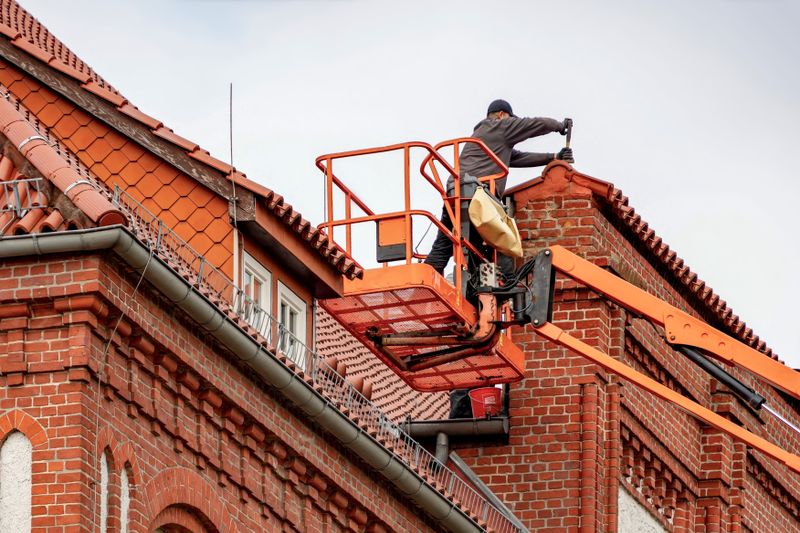
Roof Inspection in Kenner
Read More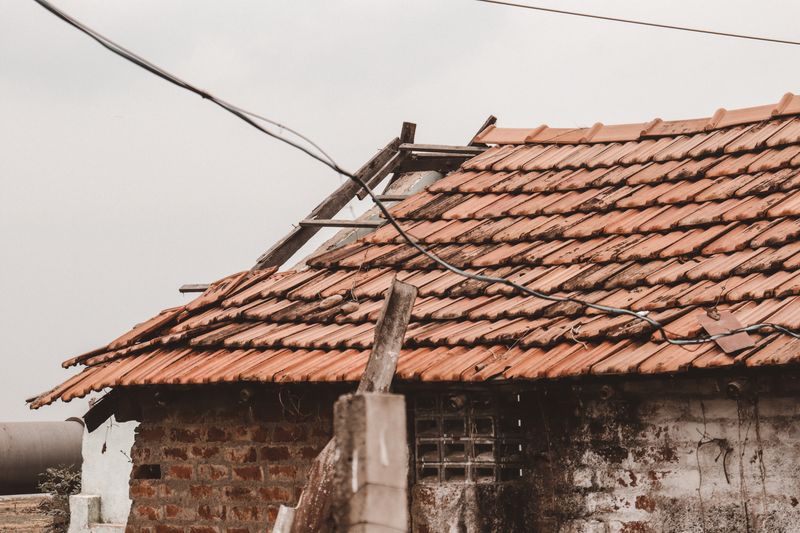
Hail Damage Roof Repair in Kenner
Read More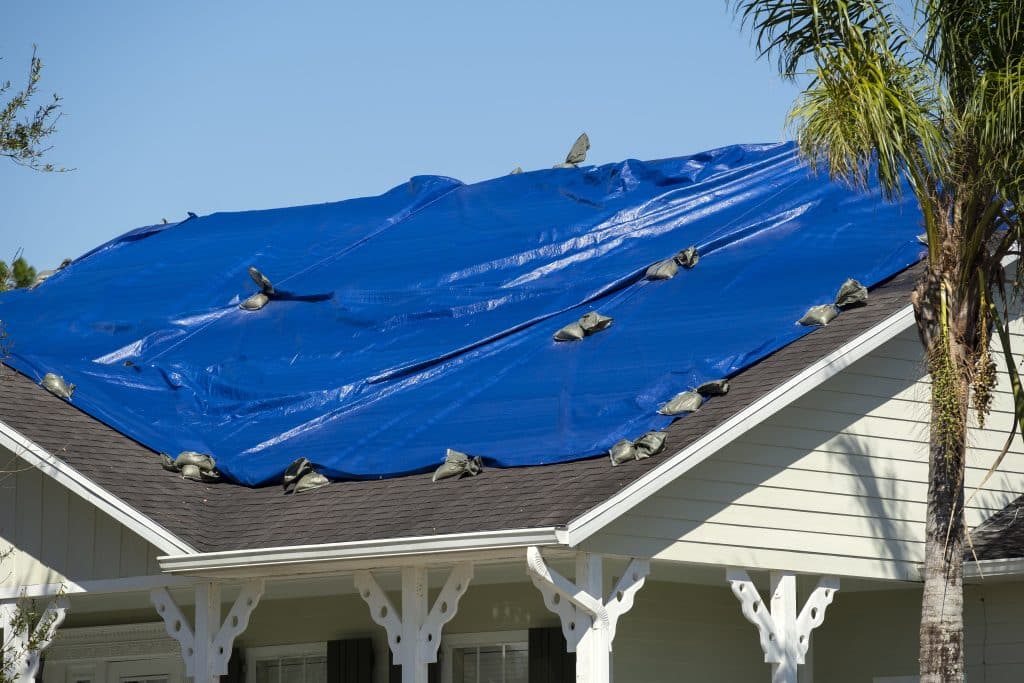
Storm Damage Roof Repair in Kenner
Read More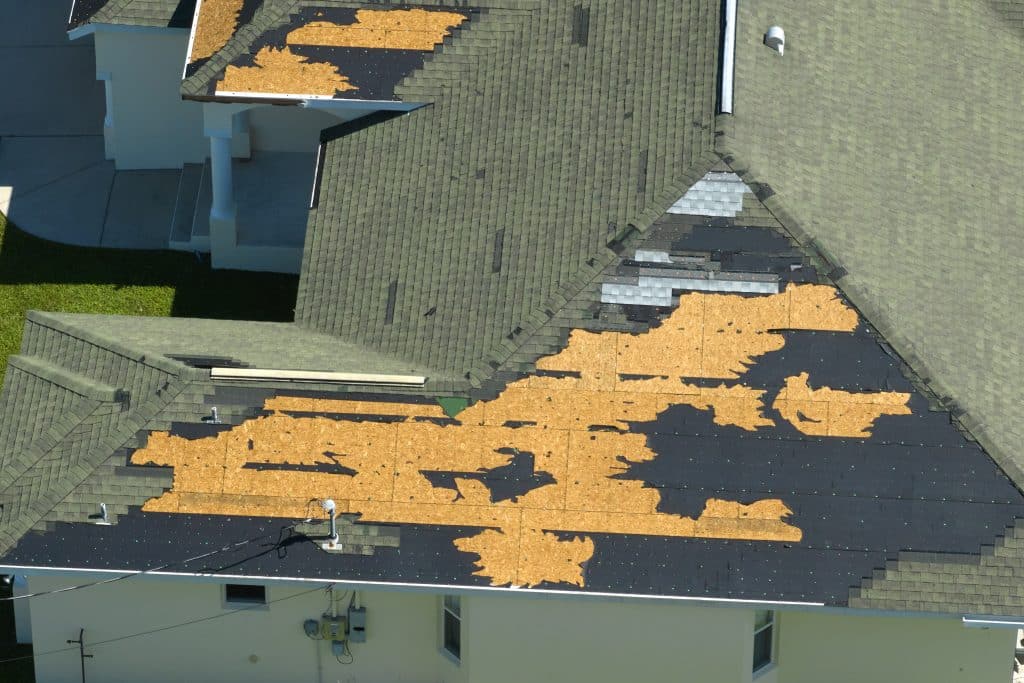
Storm Damage Emergency Response in Kenner
Read More
Emergency Roofing in Kenner
Read More
Roof Leak Detection in Kenner
Read More
Roof Maintenance in Kenner
Read More
Roof Coating in Kenner
Read More
Roof Weatherproofing in Kenner
Read More
Roof Restoration in Kenner
Read More
Roof Flashing Repair in Kenner
Read More
Fascia Board Installation and Repair in Kenner
Read More
Gutters and Downspouts Installation in Kenner
Read More
Gutters and Downspouts Repair in Kenner
Read More
Siding Installation in Kenner
Read More
Asbestos Roof Removal in Kenner
Read More
Roof Insurance Claims in Kenner
Read More
Soffit Installation in Kenner
Read More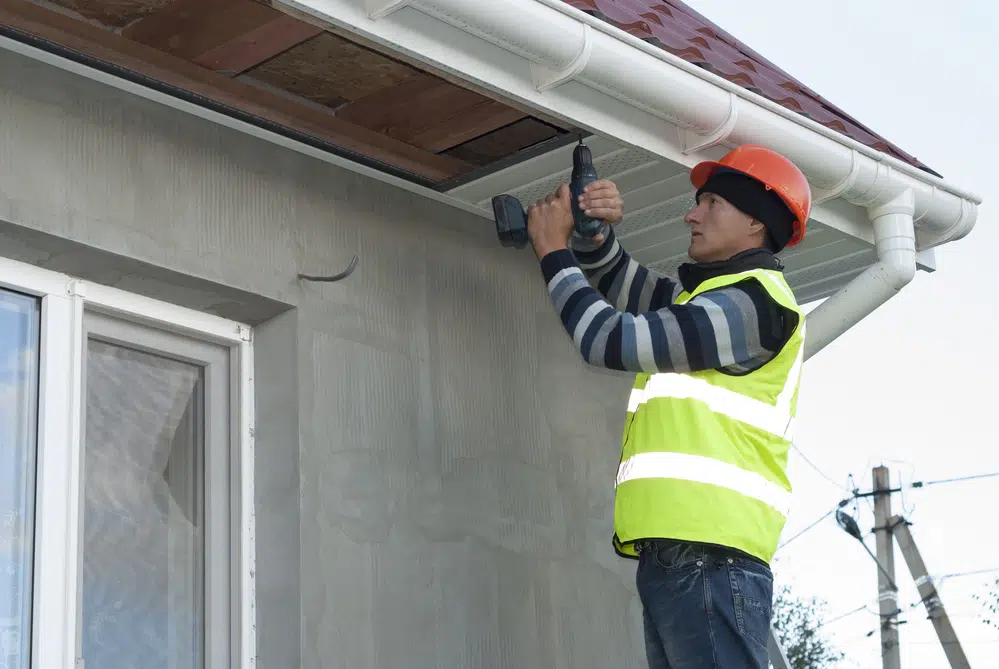
Soffit Repair in Kenner
Read More
Commercial Roof Replacement in Kenner
Read More
Commercial Roof Repairs in Kenner
Read More
Commercial Roof Inspections in Kenner
Read More
Commercial Hail Damage Repair in Kenner
Read More
Commercial Re-Roofing in Kenner
Read More
Commercial Roof Coating in Kenner
Read More
Commercial Elastomeric Coatings in Kenner
Read More
Commercial Roof Ventilation in Kenner
Read More
Commercial Roof Leak Detection in Kenner
Read More
Commercial Siding Installation in Kenner
Read MoreKenner Roof Ventilation FAQs
What a turbine really does, why adding another one rarely helps, and how to tell whether the fault is the intake.
Topic
Question not here?
Ask us about the ventilation on your Kenner roof. No charge and no obligation.
Call (504) 800-8196Do roof turbines actually work
Yes, within a limit that is rarely explained. A turbine is an exhaust vent that spins in wind, and a spinning turbine moves somewhat more air than a static vent of the same opening. What it cannot do is create intake. On an attic whose soffits are blocked it pulls against a closed system and achieves very little.
Should I add a second turbine
Usually not. If the first one is not achieving much the reason is almost always intake, and a second turbine doubles the hardware without changing the air supply. Opening the intake side is the fix, and in most of the jobs we price it costs less than adding another vent.
Can I have a ridge vent and a turbine together
On the same attic plane it is a bad idea. The nearer opening becomes the easiest air source, so the turbine can end up drawing from the ridge vent rather than from the eaves, which cuts into what either one is doing there. Two turbines together, or two static vents, are ordinary.
My turbine has stopped spinning, does it matter
Not in the way people expect. A seized turbine still works like a static vent and keeps the weather out, it has just stopped getting the extra wind driven pull. What actually matters is whether it is still intact after a storm, because one that is missing or visibly damaged can leave the base exposed.
How do I know if my intake is blocked
Go into the attic on a bright day and look along the eaves for daylight at the soffits across the whole run rather than at one end. Insulation pushed into the eaves, paint across the perforations, and soffit that was never cut open behind the vent are the three usual causes.
What does a ventilation problem look like
Damp or stained sheathing on the underside, rusted nail points, matted insulation and a musty smell that is worse in summer. Those are moisture signs, and they look enough like a roof leak that it is worth having the difference settled before anyone prices a repair.
Does changing vents need a permit in Kenner
Where vents are changed as part of a reroof it sits inside that job, and Louisiana requires any authority that issues construction permits to permit and inspect reroofing, at R.S. 37:3737(I). For a standalone vent change, ask the department on (504) 468-4062, option 1, Monday to Friday 8:30 AM to 4:30 PM, rather than taking a roofer's word for it.
What does fixing ventilation cost in Kenner
Estimated at $400 to $2,500, driven by how much intake has to be opened up, what exhaust is already fitted and the access. Every figure here is an estimate and a written price follows a look in the attic.
Fix the half of the system that is actually short before buying another vent
Almost every attic we open is short of intake rather than exhaust, and almost every quote a homeowner has already been given is for more exhaust. We check the soffits first, record what is fitted at the top and which plane it serves, and write a correction that sizes exhaust to the air that can actually get in. If your turbine is doing nothing, we will tell you why rather than sell you a second one. If you would rather start in writing, tell us what the job involves and we will come back with an estimate.
Call (504) 800-8196