

Roof Ventilation in Slidell, LA
Big Easy Roofing works on roof ventilation across Slidell and the eastern north shore of Lake Pontchartrain. A vent change can touch the roofing permit path, the OTPDC Certificate of Appropriateness route for visible exterior vents in Olde Towne, and the mechanical and electrical sub-trade permits for a powered fan.
Slidell roof ventilation at a glance
Roof ventilation moves warm, moist attic air out and lets cooler, drier air in. On a Slidell roof the design is routine roofing; the complication is paperwork, because a single vent upgrade can touch up to three city permit paths at once, and which ones apply depends on where the vent is and whether it is powered.
Intake first, then exhaust
Exhaust at the ridge or gable depends on balanced intake somewhere lower, usually at the eaves or soffit. Adding exhaust without matching intake can leave the attic no better than it was, or draw air out of the house instead, so intake comes first in the design.
A visible vent is an exterior change
Ridge vents on the roof plane, gable vents on the gable face, dormer vents and visible soffit changes are exterior-facing on a structure in the Olde Towne area. The city OTPDC page publishes the review basis in city code Sec. 2.2217.
A powered fan is mechanical
The city adopts the 2021 International Mechanical Code. A powered attic fan is a piece of mechanical equipment, which can bring the mechanical code path into a scope that would otherwise be roofing only.
A powered fan is also electrical
The city adopts the 2020 National Electrical Code. The wiring for a powered attic fan is an electrical sub-trade scope with its own permit path, which the City Building Safety office at 250 Bouscaren Street confirms for a specific scope.
A passive vent is roofing only
A passive ridge, gable or dormer vent, without a motor, is roofing scope. The mechanical and electrical paths do not apply, and whether a permit is needed at all is the City Building Safety office’s call under the 2021 IRC.
What we will not interpret
Under R.S. 37:2159.1 a Louisiana roofing contractor may not interpret your insurance cover. Whether an insurer treats a vent change as maintenance or improvement is a question for the insurer.
Every figure on this page is an estimate, not a quote, and is subject to Big Easy Roofing sign off. Call Big Easy Roofing on (504) 800-8196 to look at ventilation on your Slidell roof.
Which Slidell permit path applies to your vent
The ventilation design is the same question on every address: intake first, then exhaust, sized to the attic. The paperwork is where the addresses diverge, because a visible-exterior vent in Olde Towne and a powered fan anywhere add permit paths that a passive vent outside Olde Towne does not share.
| Scope | Primary code book | Who confirms the permit | Added paths |
|---|---|---|---|
| Passive vent, outside Olde Towne | 2021 IRC roofing | City Building Safety at 250 Bouscaren Street | None beyond the roofing path |
| Visible exterior vent, Olde Towne address | 2021 IRC roofing | Building Safety plus the OTPDC review route under Sec. 2.2217 | Whether a visible vent is administrative or commission review is the city's call |
| Powered attic fan, outside Olde Towne | 2021 IRC + 2021 IMC | Building Safety plus the mechanical permit path | 2020 NEC electrical sub-trade |
| Powered attic fan, Olde Towne address | 2021 IRC + 2021 IMC + 2020 NEC | Building Safety plus the OTPDC review route plus mechanical and electrical | Up to three paths may apply |
Every figure is an estimate and none of it is a quote. Whether a specific vent scope needs a permit at all is the city’s call, and the OTPDC conversation under Sec. 2.2217 is a scope-by-scope question that the city answers, not us.
The three permit paths, in order
A vent upgrade can touch the roofing permit under the 2021 IRC, the OTPDC Certificate of Appropriateness route under city code Sec. 2.2217 for visible exterior vents in Olde Towne, and the 2021 IMC plus 2020 NEC paths for a powered fan. The written scope names which paths the city confirms apply.
Path one
The city adopts the 2021 International Residential Code. A passive vent on an ordinary residence is roofing scope under the IRC, and whether a vent-only scope needs a permit at all is a question for City Building Safety at 250 Bouscaren Street on (985) 646-4323.
Path two
For an address in the Olde Towne area, a visible vent can be a Certificate of Appropriateness question that gates the roofing permit under city code Sec. 2.2217. Whether a specific vent counts as administrative or commission review is the city’s call, scope-by-scope.
Path three
For a powered attic fan, the 2021 International Mechanical Code brings the mechanical permit path into scope, and the 2020 National Electrical Code brings the electrical sub-trade in. Both are adopted by the city and both are confirmed at Building Safety.
Who decides which paths apply
Whether a vent scope on a specific Slidell address needs a permit, whether it engages OTPDC, and whether a sub-trade permit applies are scope-by-scope questions for the City Building Safety office. We name the paths that may apply; the city answers which ones do.
Why we scope the paperwork at the start
Quoting a Slidell vent upgrade without checking Olde Towne status can run the project late. The written scope names the review paths that may apply, so the timeline is honest from day one.
Where the city confirms a path does not apply, the project reverts to the shorter route and the schedule shortens with it. The city is the office set up to make that call.
What we do not interpret
The OTPDC design guidance is the commission’s document, not ours. Whether a given visible vent is acceptable in a specific Olde Towne setting is the commission’s call, not a contractor opinion.
What we can do is design the ventilation to work, scope it clearly, and leave the review decisions to the office set up to make them.
Humidity and attic air on the eastern north shore
North-shore air can carry a lot of moisture, and Slidell sits where Lake Pontchartrain meets Lake Borgne. An attic without working ventilation can hold that moisture against the underside of the deck, depending on temperature, dew point, insulation and air leakage, which can shorten the life of the covering and feed the condensation that reads as a leak.
Humidity and attic air in summer
Warm air holds more water than cool air. In Louisiana summer heat an unventilated attic can trap warm, moist air against the underside of the roof, which is the reason balanced intake and exhaust are the standard roofing answer.
Whether moisture condenses on the deck depends on temperature, dew point, insulation and air leakage, so the design is attic-specific rather than a brochure specification.
Passive exhaust and lake exposure
Ridge and gable vents are passive exhaust that uses pressure differences across the ridge or the gable face to move air. Lake exposure can help on some roofs; it depends on wind direction, geometry and shielding.
Intake at the eaves is where passive ventilation often fails. If soffit vents are painted shut or blocked by insulation, the ridge vent is not working regardless of the exposure.
Older housing in Olde Towne
Older houses can have small or missing soffit intake, and where that is the case on an Olde Towne structure, adding intake is a visible exterior change on the house.
That is where the OTPDC conversation starts under city code Sec. 2.2217. For a modern address outside the Olde Towne area, the same intake upgrade is routine roofing without the review step.
Big Easy Roofing Process
Four steps. The site visit decides what the attic needs, and the city confirms the permit paths before anything visible is added.

01 Walk the attic and the roof
Measure the attic area, look at existing intake and exhaust, check for signs that the current ventilation is working or not. Note any blocked soffits and whether any existing fan is powered.
02 Check Olde Towne status
The written scope flags whether the address sits in the Olde Towne area, which can bring the OTPDC Certificate of Appropriateness path into scope for visible exterior changes under city code Sec. 2.2217.
03 Scope and quote
Intake and exhaust sized to the attic, the proposed locations, and the permit paths the scope expects. The OTPDC step, the mechanical path and the electrical sub-trade are named where they may apply.
04 Permit and install
City permit for the vent scope where a permit applies, OTPDC Certificate of Appropriateness where the commission’s review is triggered, mechanical and electrical sub-trade permits for a powered fan, then the install work with photographs of the finished detail.
Everything else we do in Slidell
The rest of the Big Easy Roofing services available in Slidell, each with its own page and written scope. A ventilation upgrade is sometimes a stand-alone job, and sometimes it is best done at the next roof replacement on the house, where the vent scope rolls into the reroof permit.
Roof Replacement in Slidell
Read More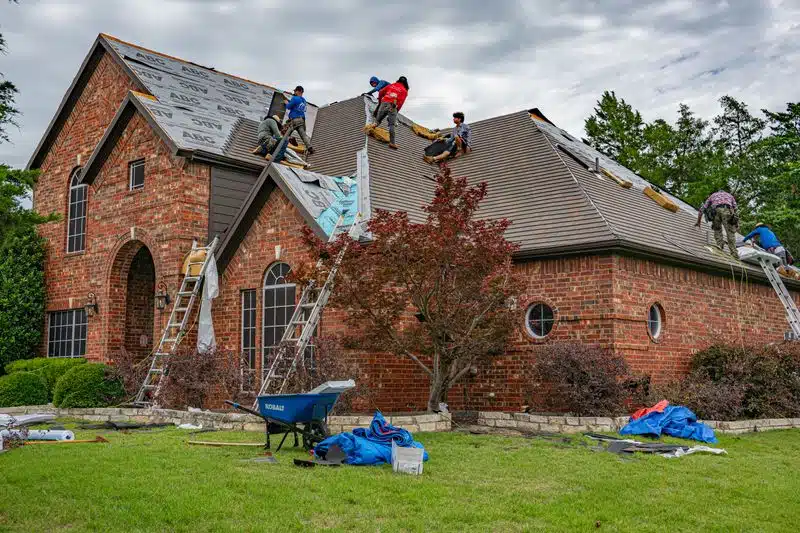
Roof Repairs in Slidell
Read More
Roof Inspection in Slidell
Read More
Hail Damage Roof Repair in Slidell
Read More
Storm Damage Roof Repair in Slidell
Read More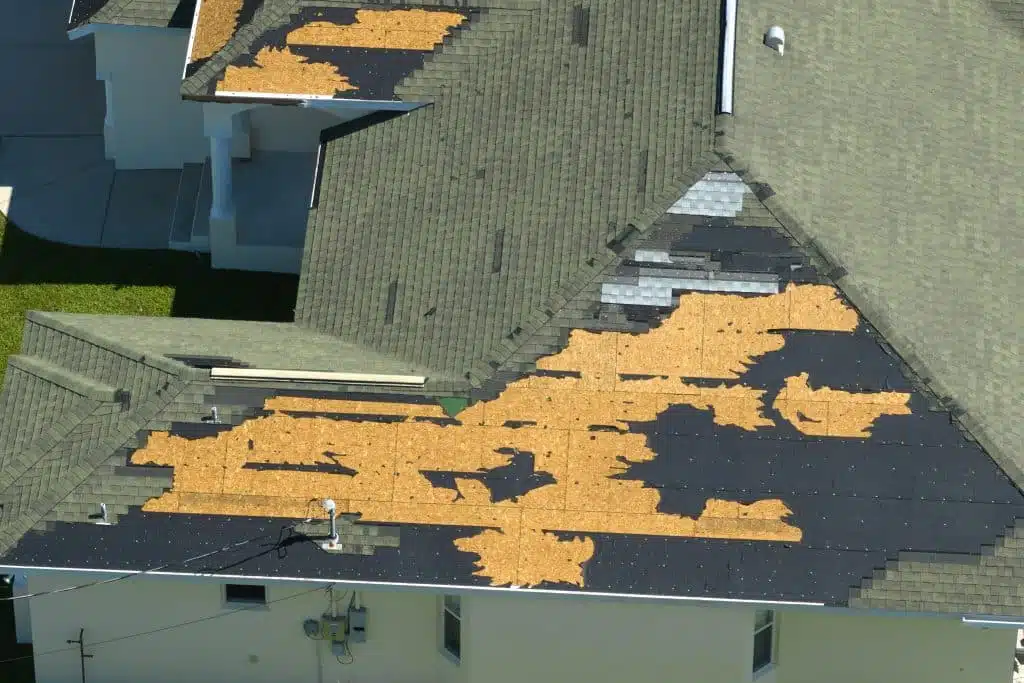
Storm Damage Emergency Response in Slidell
Read More
Emergency Roofing in Slidell
Read More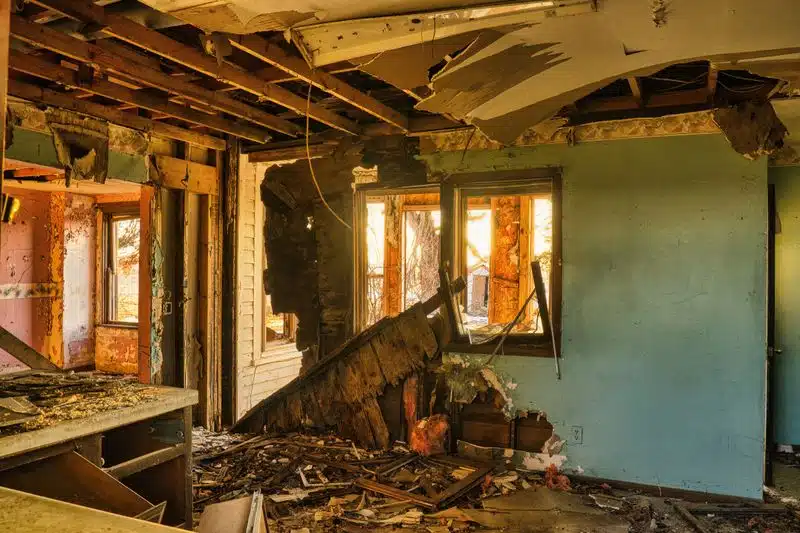
Roof Leak Detection in Slidell
Read More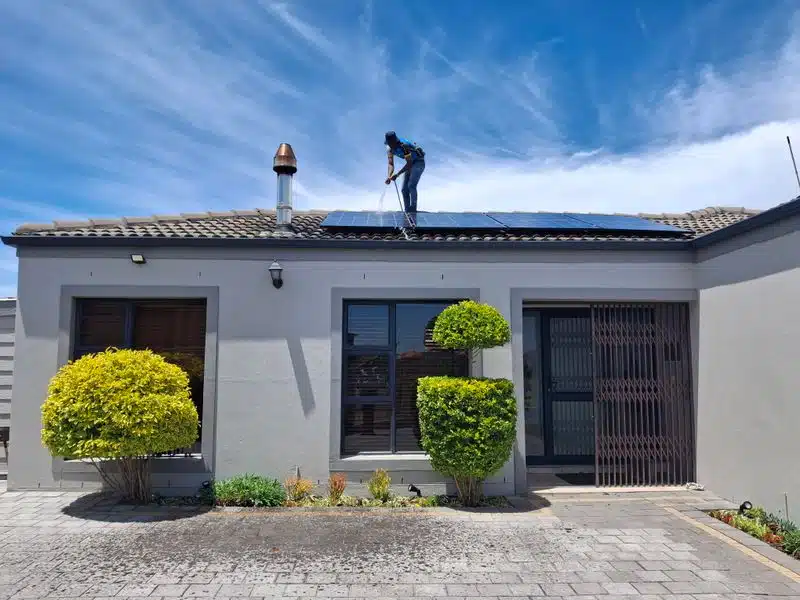
Roof Maintenance in Slidell
Read More
Roof Coating in Slidell
Read More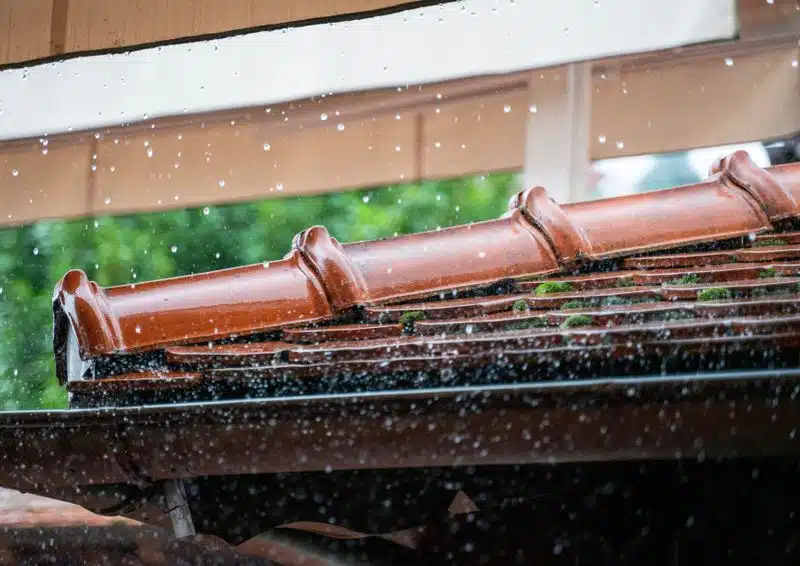
Roof Weatherproofing in Slidell
Read More
Roof Restoration in Slidell
Read More
Roof Flashing Repair in Slidell
Read More
Fascia Board Installation and Repair in Slidell
Read More
Gutters and Downspouts Installation in Slidell
Read More
Gutters and Downspouts Repair in Slidell
Read More
Siding Installation in Slidell
Read More
Asbestos Roof Removal in Slidell
Read More
Roof Damage Documentation in Slidell
Read More
Commercial Roof Replacement in Slidell
Read More
Commercial Roof Repairs in Slidell
Read More
Commercial Roof Inspections in Slidell
Read More
Commercial Hail Damage Repair in Slidell
Read More
Commercial Re-Roofing in Slidell
Read More
Commercial Roof Coating in Slidell
Read More
Commercial Elastomeric Coatings in Slidell
Read More
Commercial Roof Ventilation in Slidell
Read More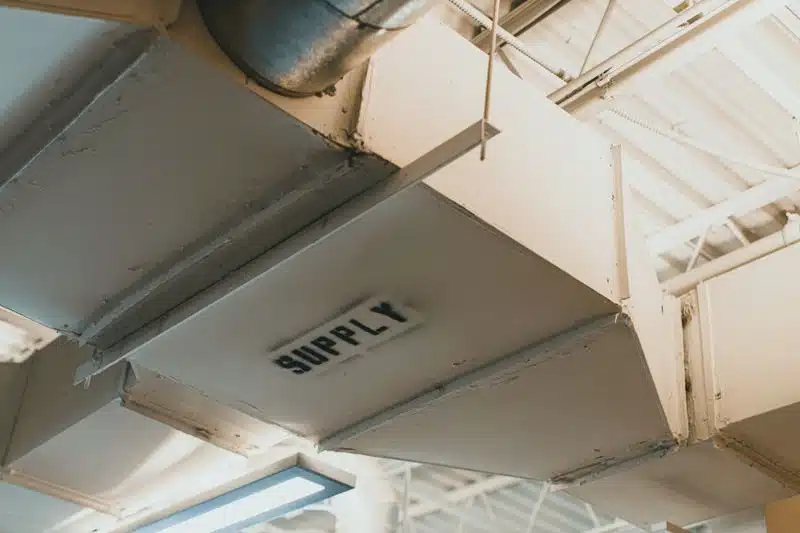
Commercial Roof Leak Detection in Slidell
Read More
Commercial Siding Installation in Slidell
Read MoreSlidell Roof Ventilation FAQs
The questions worth asking before adding ventilation on a Slidell roof, including what the three permit paths look like.
Topic
Question not here?
Ask us anything about ventilation on your Slidell roof. No charge to ask.
Call (504) 800-8196Why does intake come first on a Slidell vent design?
Exhaust at the ridge or gable depends on balanced intake somewhere lower, usually at the eaves or soffit. Without enough intake, the exhaust can draw air out of the house instead of the attic. The intake side is also where older Slidell houses often fall short.
My Slidell house is in Olde Towne, does that change the ventilation job?
It can. For an Olde Towne address, visible exterior work may be a Certificate of Appropriateness question under city code Sec. 2.2217. The city OTPDC page lists exterior alterations as a category the commission reviews, administratively or at the commission. Whether a specific vent scope engages that step is a scope-by-scope question for the City Building Safety office at (985) 646-4323.
How often does the OTPDC meet?
The city OTPDC page we reviewed does not publish a meeting schedule, so we do not quote one. The city confirms the current schedule, and the written scope names the review as a step that may apply rather than committing to a date.
Does a powered attic fan need an extra permit?
It can. The city adopts the 2021 International Mechanical Code, which brings a mechanical permit path into a powered fan scope, and the 2020 National Electrical Code brings the electrical sub-trade in. The City Building Safety office at (985) 646-4323 confirms which sub-trade permits apply for a specific scope.
What if my address is not in Olde Towne and the vent is passive?
Then the paperwork is simpler. The scope is roofing under the 2021 International Residential Code, and whether a vent-only scope needs a city permit is a question for the City Building Safety office at 250 Bouscaren Street. The OTPDC path does not apply, and the mechanical and electrical paths do not apply either.
Can I add ventilation at the next reroof instead?
Yes, and it is often the cleanest route. A reroof is already a permitted scope, and the vent design can be rolled into the reroof scope, which keeps the paperwork on one permit rather than scheduling a stand-alone vent job.
Can you quote me an attic temperature drop?
No. Attic temperature depends on roof colour, insulation, ducting and the shade the attic has. The ventilation design works to the attic you have; a specific temperature figure is a brochure number, not a roofing commitment.
Will my insurance pay for a Slidell vent upgrade?
That is a question for your insurer. Under R.S. 37:2159.1 a Louisiana roofing contractor may not interpret your insurance cover.
Intake first, exhaust second, permit paths named at the start
A ventilation design that works moves air out and lets air in, sized to the attic on your house. The scope names any OTPDC review, any mechanical path and any electrical sub-trade at the start, so the schedule is honest from day one. If you would rather start in writing, tell us what the job involves and we will come back with an estimate.
Call (504) 800-8196