

Roof Leak Detection in Slidell, LA
Big Easy Roofing traces leaks across Slidell and the eastern end of the Lake Pontchartrain north shore in St. Tammany Parish. The trace keeps roof water and ground-level water on separate pieces of paper, because the City floodplain programme owns the second one and we do not.
Slidell roof leak detection at a glance
A leak trace is a methodical photographic record of where water is entering the house. On a Slidell roof we also note whether the water is coming from above or from below, because at the eastern end of the Lake Pontchartrain north shore the 2020 St. Tammany Hazard Mitigation Plan put Slidell flooding at 83 percent annual probability, so both are possible after the same storm.
A written trace with photographs
Every accessible ceiling stain, attic dampness point and roof-surface finding is photographed and dated, with the location on the house noted. A verbal diagnosis is not a trace.
Roof water or ground water
Water through the roof typically shows from above: wet decking, line of drips, stained ceiling. Water from the floodplain typically shows from below: wet floors, wall stains that start low. We photograph both patterns separately.
The City floodplain programme handles the other half
If the trace shows water came in from ground level, the City of Slidell hazard-mitigation page names Joe France, CFM, as the Certified Floodplain Manager in Building Safety on (985) 646-4323. That is a different office than ours, and the detail of the City’s grant programme for Repetitive Loss and Severe Repetitive Loss properties sits on the Slidell gutter-repair page.
"All properties are potentially at risk"
The City hazard-mitigation page states that all properties are potentially at risk, so a trace does not assume the leak is only from the roof even where the stain reads that way on the ground floor.
Elevations noted on each photo
Each photograph has the floor and the vertical position recorded, so a later reader can see at a glance whether water was coming down from a roof entry or up from a ground entry.
What we do not interpret
Under R.S. 37:2159.1 a Louisiana roofing contractor may not interpret your insurance cover. The trace records the leak and its path; your insurer and any public adjuster read your policy.
Every figure on this page is an estimate, not a quote, and is subject to Big Easy Roofing sign off. Call Big Easy Roofing on (504) 800-8196 to trace a leak on your Slidell roof.
Roof water or ground water, kept on separate paper
A Slidell house on the eastern north shore can see water from a roof failure, from the floodplain, or from both after one bad storm. The table is how our trace separates them in the written record.
| What we see | Reads as | Who owns the next step | Why |
|---|---|---|---|
| Wet decking, line of drips, stained ceiling | Roof entry | Big Easy Roofing | The water came through the covering, that is our scope |
| Wet floor, wall stain that starts low, no attic moisture | Ground entry | City floodplain programme, (985) 646-4323 | That is not a roofing scope |
| Both patterns in the same house | Both | Both offices, in parallel | They are separate records and separate paperwork |
| Condensation on attic surfaces, no roof entry | Ventilation or vapour issue | Big Easy Roofing, as ventilation | That is a different conversation than a leak trace |
| Water entry at a chimney or dormer | Flashing failure | Big Easy Roofing | That is a flashing repair; see the flashing-repair page |
The trace puts each photograph into one of these rows, with the elevation on the photograph. The reader can see on one page where the water came from and whose conversation the next step is.
What the City floodplain programme owns, and what we do
The City of Slidell runs its own floodplain programme with a Certified Floodplain Manager in Building Safety. On a leak question, that office matters because it owns ground-level water. We own the roof scope.
Joe France, CFM
The City of Slidell hazard-mitigation page names Joe France, CFM, as the Certified Floodplain Manager, sitting in Building Safety on (985) 646-4323 and reachable at buildingsafety1@cityofslidell.org. That is the contact the City publishes for a floodplain question on a specific address.
The City's floodplain programme
The City hazard-mitigation page states that all properties are potentially at risk. The deeper framework around grants and Repetitive Loss properties sits on the Slidell gutter-repair page; whether a specific address has a floodplain question is the City’s call, not ours.
What we hand the City
Our trace is written specifically about the roof entry: the location on the roof, the path to the stain, the fix. That makes the City floodplain conversation about the OTHER water, cleanly, not about our scope.
What the City hands us
Where a specific address has a floodplain question, the City Floodplain Administrator answers it. We do not. Our scope is written independently and does not depend on that answer.
Why the paperwork separation matters
Mixing roof water and ground water in one scope is how insurance claims and City floodplain assessments end up contradicting each other. Keeping the two records separate is cheap on our side and expensive if it is not done.
A homeowner can file the roof scope with the insurer and any floodplain record with the City independently, which is how the two systems are meant to work.
What the leak trace actually produces
A written document with dated photographs, elevations noted, the identified entry point and the recommended fix. Any flashing-repair scope follows from this document.
A larger repair goes to a Slidell roof-repair scope, priced separately.
Lakeside leaks on a Slidell house
Lake Pontchartrain humidity near the Rigolets and the north-shore wind pattern give lakeside houses their own leak signatures. The trace reads for the ones the inland cities do not see.
Wind-driven rain against the lake-facing wall
A roof detail that sheds rain going straight down can still take water driven horizontally against a vent, a chimney flashing or a wall junction. On the eastern end of the north shore near the Rigolets, lake-facing penetrations and wall tie-ins are what the trace photographs first.
The stain inside is often at the opposite end of the house from the entry point, because water tracks along framing before it drops.
Humidity in the attic
North-shore air carries moisture. An attic without working ventilation condenses that moisture on the underside of the deck, which reads as a leak to a visual inspection but is not a roof entry.
The trace separates the two with elevation notes and whether moisture is at the highest attic point (condensation) or on the deck below a known penetration (roof entry).
Older housing stock, newer housing stock
Many Olde Towne Slidell houses were built with construction details that differ from the post-2000 construction around the Fremaux Avenue and Gause Boulevard corridors, so common leak points often look different between the two. The trace adapts to the housing on site; one checklist does not fit both.
A chimney flashing on an older house and a modern pipe boot on a newer house can produce the same stain pattern and have completely different repair scopes.
Big Easy Roofing Process
Four steps. The trace runs top-down from the roof, and bottom-up from any stain, so the two meet in the middle at the actual entry point.

01 Walk the ceiling stains
Each stain is photographed, dated and marked with its elevation and the direction of the house. The pattern (drip, spread, wall-start) is noted.
02 Enter the attic where reachable
The underside of the deck is photographed above and around each stain. Moisture at the highest point reads as condensation; moisture below a penetration reads as roof entry.
03 Walk the roof
The exterior of each penetration, flashing and wall tie-in above the attic signs is photographed, with the lake-facing side given extra attention on north-shore addresses near the Rigolets.
04 Write the trace
A single document with the ceiling, attic and roof photos matched up, the identified entry point, the recommended fix, and a note on whether the City floodplain programme is the next conversation for a parallel ground-water record.
Everything else we do in Slidell
The rest of the Big Easy Roofing services available in Slidell, each with its own page and written scope. A leak trace often ends in a flashing repair or a repair scope; sometimes it ends in a call to the City floodplain office instead.
Roof Replacement in Slidell
Read More
Roof Repairs in Slidell
Read More
Roof Inspection in Slidell
Read More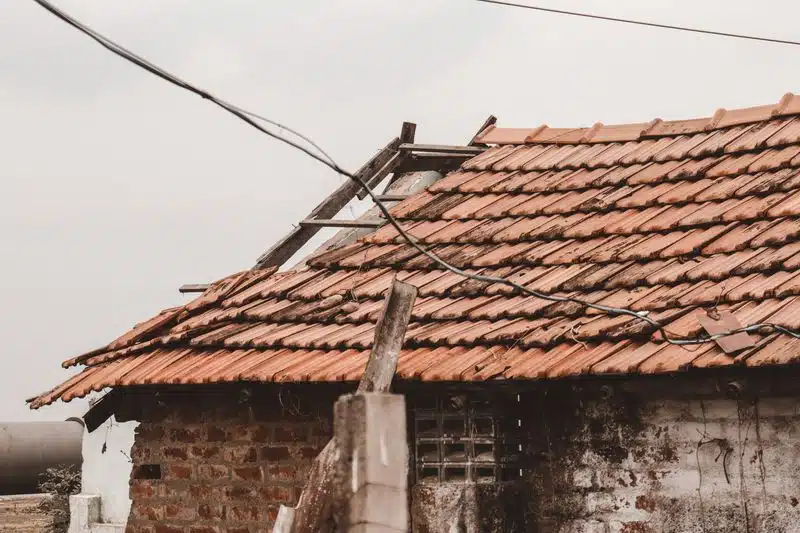
Hail Damage Roof Repair in Slidell
Read More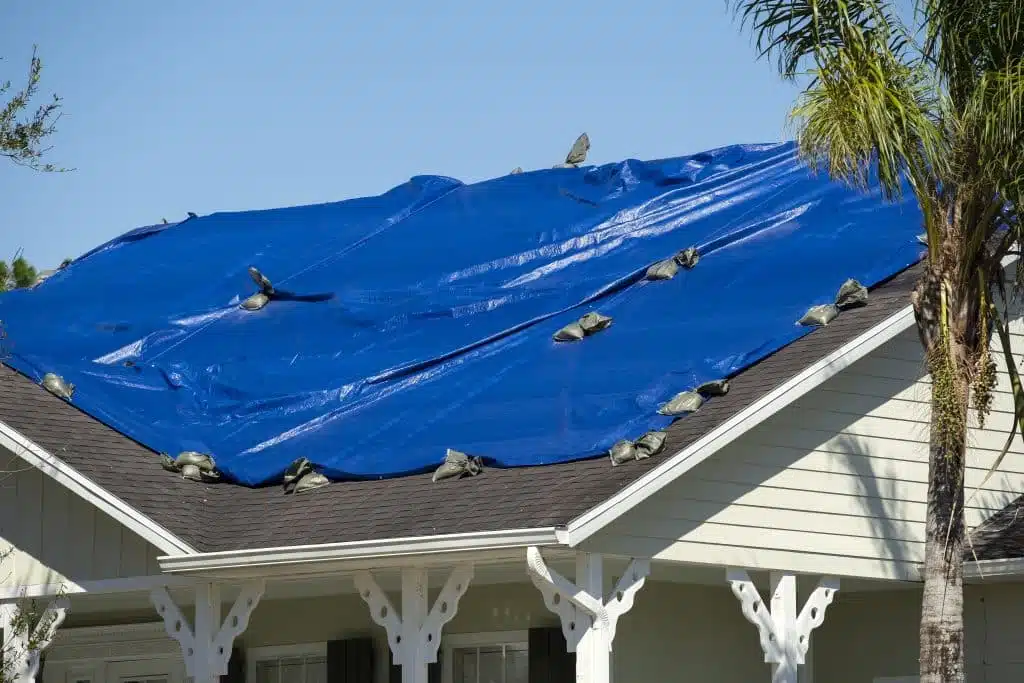
Storm Damage Roof Repair in Slidell
Read More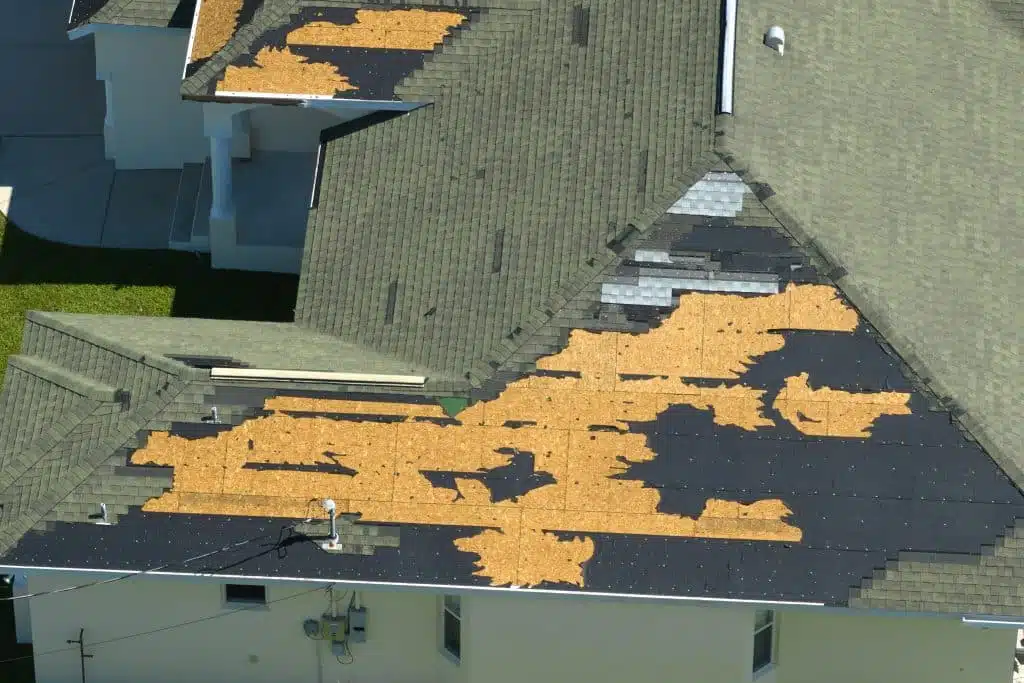
Storm Damage Emergency Response in Slidell
Read More
Emergency Roofing in Slidell
Read More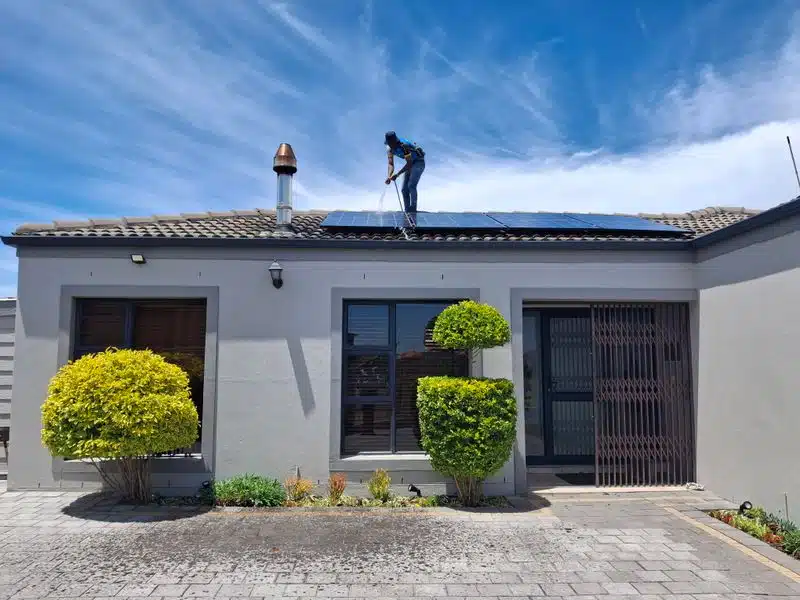
Roof Maintenance in Slidell
Read More
Roof Coating in Slidell
Read More
Roof Ventilation in Slidell
Read More
Roof Weatherproofing in Slidell
Read More
Roof Restoration in Slidell
Read More
Roof Flashing Repair in Slidell
Read More
Fascia Board Installation and Repair in Slidell
Read More
Gutters and Downspouts Installation in Slidell
Read More
Gutters and Downspouts Repair in Slidell
Read More
Siding Installation in Slidell
Read More
Asbestos Roof Removal in Slidell
Read More
Roof Damage Documentation in Slidell
Read More
Commercial Roof Replacement in Slidell
Read More
Commercial Roof Repairs in Slidell
Read More
Commercial Roof Inspections in Slidell
Read More
Commercial Hail Damage Repair in Slidell
Read More
Commercial Re-Roofing in Slidell
Read More
Commercial Roof Coating in Slidell
Read More
Commercial Elastomeric Coatings in Slidell
Read More
Commercial Roof Ventilation in Slidell
Read More
Commercial Roof Leak Detection in Slidell
Read More
Commercial Siding Installation in Slidell
Read MoreSlidell Roof Leak Detection FAQs
The questions worth asking before booking a leak trace on a Slidell roof.
Topic
Question not here?
Ask us anything about tracing a leak on your Slidell roof. No charge to ask.
Call (504) 800-8196What do I get from a leak trace?
A written document with dated photographs of every ceiling stain, every attic finding and every roof-side detail that could be the entry point, with elevations noted on each photograph.
Why keep roof water and ground water separate?
Because the City floodplain programme owns ground water and we own the roof. Mixing them in one scope is how insurance and floodplain records end up contradicting each other.
Who handles ground-level water in Slidell?
The City of Slidell has a Certified Floodplain Manager, Joe France, CFM, sitting in Building Safety on (985) 646-4323 and reachable at buildingsafety1@cityofslidell.org. The deep detail on the City’s Repetitive Loss and Severe Repetitive Loss grants programme sits on the Slidell gutter-repair page.
Is condensation a leak?
Not technically. Condensation on the underside of the deck or on attic surfaces reads to a visual inspection like a leak but is a ventilation or vapour issue. The trace tells them apart with elevation notes.
Why is the stain nowhere near the roof damage?
Water tracks along framing and decking before it drops, so the entry point and the stain may not be directly above one another. The trace starts top-down and bottom-up and meets in the middle.
What usually comes after a trace?
A flashing repair, a boot replacement, a sealing detail or a wider repair, depending on what the trace identifies. The scope is written from the photographs.
Will my insurance pay for a leak repair?
That is a question for your insurer. Under R.S. 37:2159.1 a Louisiana roofing contractor may not interpret your insurance cover. We provide the trace and the scope; your insurer reads your policy.
What if the City floodplain programme needs the roof report?
The written trace is yours to pass to the City Floodplain Administrator or any other office. It is specific to the roof, so it does not depend on floodplain findings.
Trace the leak top-down and bottom-up before paper gets contradictory
A written trace with dated photographs identifies the entry point, separates roof water from ground-level water, and makes the City floodplain conversation about the other water, cleanly. If you would rather start in writing, tell us what the job involves and we will come back with an estimate.
Call (504) 800-8196