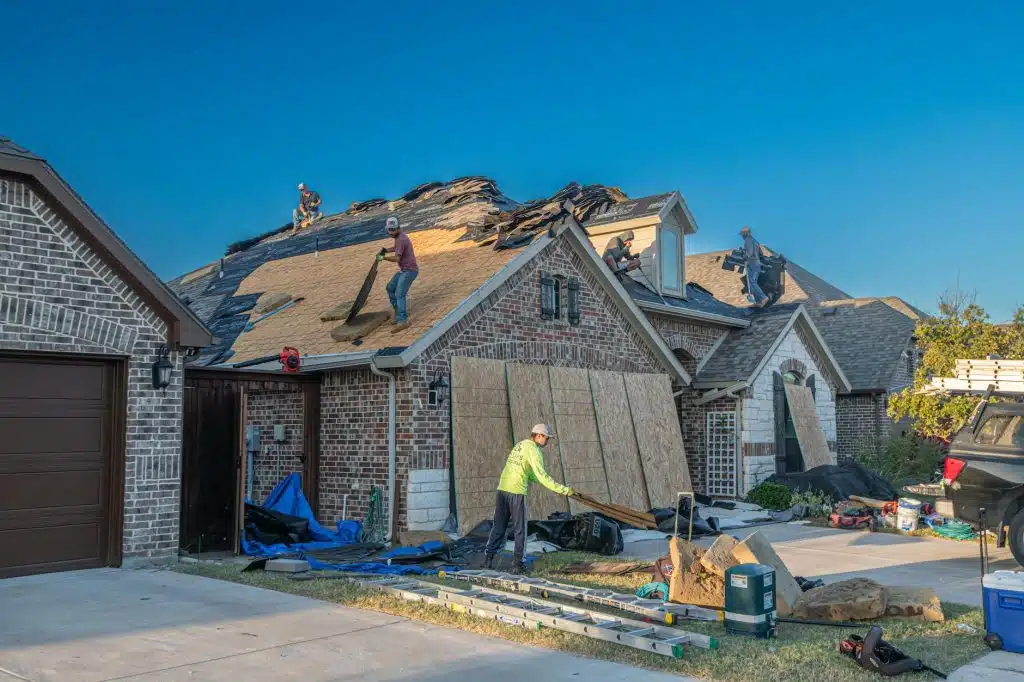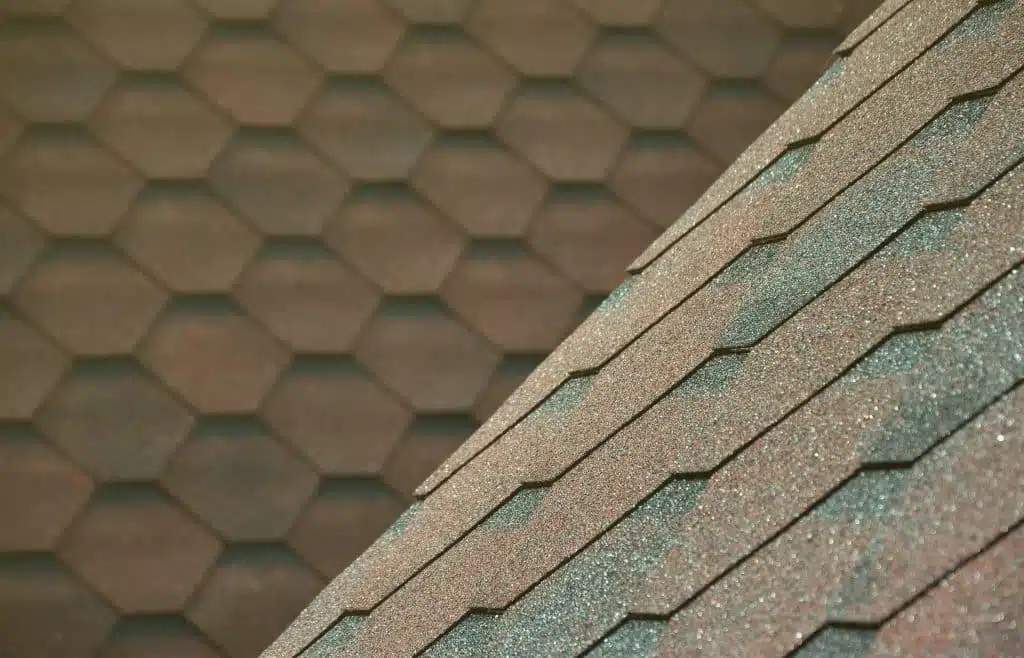


Hail Damage Roof Repair in Slidell, LA
Big Easy Roofing works hail damage across Slidell and the eastern end of the Lake Pontchartrain north shore in St. Tammany Parish. The 2020 St. Tammany Hazard Mitigation Plan carried hail at 77 percent annual probability for the city, so hail is a known regional hazard, and what matters on a given day is what the dated photographs show on your roof.
Slidell hail damage inspection at a glance
A hail inspection is a dated photographic record of every slope, flashing, vent and gutter after a hailstorm. The hazard plan says hail happens in Slidell; the photographs say whether your roof took damage from the storm you want looked at.
A photographic record
Each slope, flashing, vent, pipe boot and gutter is photographed, with the date on each file. A verbal all clear is not a record and no help later if the leak is slow to appear.
The 2020 parish plan rated hail
The 2020 St. Tammany Parish Hazard Mitigation Plan Table 2-4 (page 2-5) put hail annual probability at 77 percent for Slidell. Hail is a known regional hazard; it does not follow that a given storm damaged a given roof.
The 2026 plan reclassified hail
The 2026 parish plan update declined to profile hail per the National Risk Index selection rule, so the 2020 plan is the last one that profiled hail for the city. That is a parish-wide statistical judgement, not a finding about any one roof.
What we do not read off a hazard plan
A probability is a probability. Dated photographs are what tie a specific storm to a specific roof, so the repair scope is written from what was seen, not from the plan.
What we will not tell you about hail cover
Under R.S. 37:2159.1 a Louisiana roofing contractor may not interpret your insurance cover. We record the damage and photograph the roof; your insurer and any public adjuster read your policy, not us.
What we recommend after a near miss
When a storm passes close by, a Slidell roof inspection records the roof on a known day. If damage then appears months later, the baseline exists.
Every figure on this page is an estimate, not a quote, and is subject to Big Easy Roofing sign off. For a hail check on your Slidell roof call (504) 800-8196.
What a hail trace does and does not include
A hail trace documents the roof, each slope, and the hard-to-see items like flashings, vents and gutter runs. The table says what is in scope on the visit and what is not, so the scope is clear before any repair figure is written.
| On the hail visit | In scope | Why | What follows |
|---|---|---|---|
| Photograph every slope | Yes | Hail bruises can be subtle from one angle | Repair scope written from the photos |
| Photograph flashings, vents, pipe boots | Yes | These fail first and leak first | A boot or flashing may be the only repair |
| Photograph gutter runs and downspouts | Yes | Metal gutters show hail impact clearly | Gutter repair or replacement priced separately |
| Note any pre-existing wear | Yes | Hail did not cause what was already there | Keeps the storm scope honest |
| Interpret your insurance cover | No, never | R.S. 37:2159.1 bars us from doing it | Your insurer or a public adjuster reads your policy |
| Give a verdict without photographs | No, deliberately | A verbal is not a record | The report is the record; the photos are the evidence |
Every figure is an estimate and none of it is a quote. A hail inspection is a record of condition on the day of the visit; it is not a warranty on future performance.
What the parish plans say about hail in Slidell
Two different parish hazard plans describe hail differently. The 2020 plan is the last one that profiled hail for Slidell. We cite both so a reader can see the shift, because the shift is not a reason to stop looking for hail on a Slidell roof.
2020 HMP, Table 2-4
The 2020 St. Tammany Parish Hazard Mitigation Plan Table 2-4 on page 2-5 put hail annual probability at 77 percent in Slidell. Tropical cyclones were at 100 percent and coastal hazards at 100 percent.
2026 HMP update
The 2026 St. Tammany Parish Hazard Mitigation Plan update declined to profile hail per the National Risk Index selection rule. That is a parish-wide statistical judgement, not a finding about any one roof.
Why we still look
A hazard plan speaks in probabilities and in parish averages. A specific hailstorm either dinged a specific roof or it did not. We settle that with photographs taken on that roof, after that storm.
When a replacement follows
If a hail-damaged roof needs replacement, the Slidell roof replacement page covers the city permit route, which is the same route a non-storm reroof uses.
The probability does not survive the photograph
A hazard plan tells the city what to prepare for. A hail inspection tells you what happened to your roof. Those are two different documents and two different questions.
A plan that no longer profiles hail still does not mean a hail event in town leaves no damage. It means the plan does not profile hail, which says nothing about any one roof.
What we do not read into the shift
A parish re-ranking of hail does not forgive our scope guard. We still do not interpret your insurance cover under R.S. 37:2159.1, and the City of Slidell Building Safety office still permits roofing work under the International codes the city adopts, which include the 2021 IBC, the 2021 IRC and the 2021 IEBC.
Where a hail scope becomes a reroof, the permit route runs through the Building Safety office, same as any other reroof in town.
What hail does to a Slidell roof
Slidell sits on the eastern end of the Lake Pontchartrain north shore near the Rigolets, where Pontchartrain meets Lake Borgne. When a hailstorm has wind behind it, ice can hit the vertical face of a vent, a chimney, a wall junction as well as the open field of the roof, so the trace covers both the slopes and the penetrations.
Hail with wind behind it does more than ding
When a hailstorm is wind-driven, ice can mark the side of a vent cap, the back of a chimney flashing, the exposed face of a soffit vent. Those are the items the hail trace photographs along with the slopes.
A roof that photographs clean across the field and badly at the penetrations may point to a penetration repair rather than a replacement, though the final call waits on what is found at tear off.
Direction varies by storm, so we photograph each side
Wind direction in any one hailstorm depends on the storm, so the trace does not assume which side of the house took the hit. Each side of every vent, chimney and dormer is photographed.
That is cheap to do and saves a repair call later when a side that looked clean turns out to have a bruise.
A dated record outlasts a verdict
Six months after a hailstorm, a slow leak may appear and the storm date is hard to reconstruct. The photographs on the first visit are what tie the damage to the storm.
That is the whole value of the inspection report: a record of condition on a known day, independent of what the roof looks like a season later.
Big Easy Roofing Process
Four steps. The photographs are taken before any scope is written, because the photographs are the record the scope is written from.
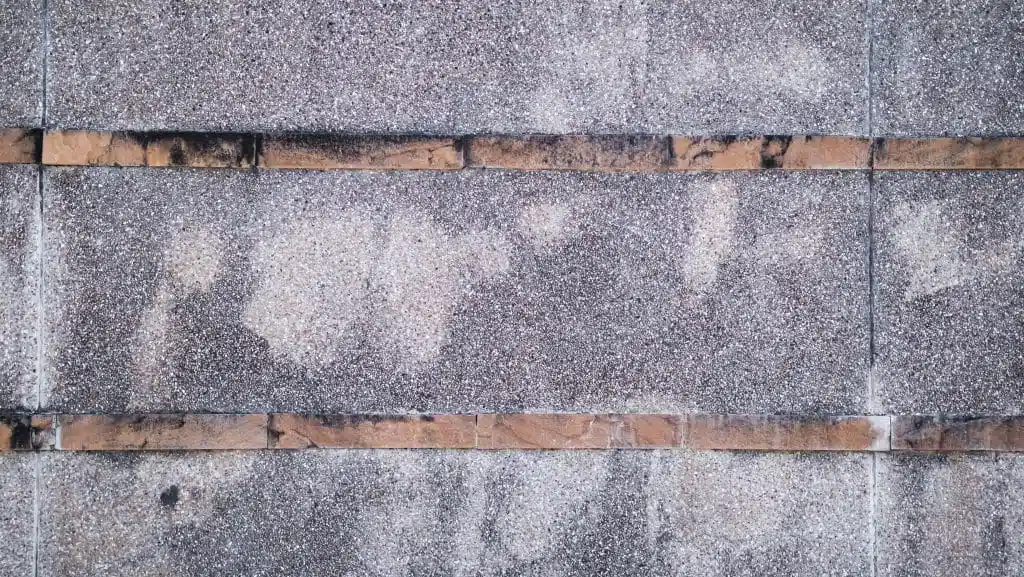
01 Photograph every slope and detail
Each slope of the field, each flashing, each vent, each pipe boot, each gutter and each downspout, photographed and dated.
02 Note what was already there
Pre-existing wear is marked so the storm scope is not padded with items that were there before the storm.
03 Write the scope with the photos attached
Repair or replacement, priced in writing. The photographs are the evidence attached to the figure.
04 Permit and repair, if the scope needs it
The City of Slidell Building Safety office at (985) 646-4323 permits reroofs inside city limits; St. Tammany Parish permits outside them. A boot or a flashing may not need a permit; the office that would permit a reroof confirms what a smaller repair needs.
Everything else we do in Slidell
The rest of the Big Easy Roofing services available in Slidell, each with its own page and written scope. A hail inspection often leads to a repair, sometimes a replacement; the decision belongs to what is found on the roof, not to the hazard plan.
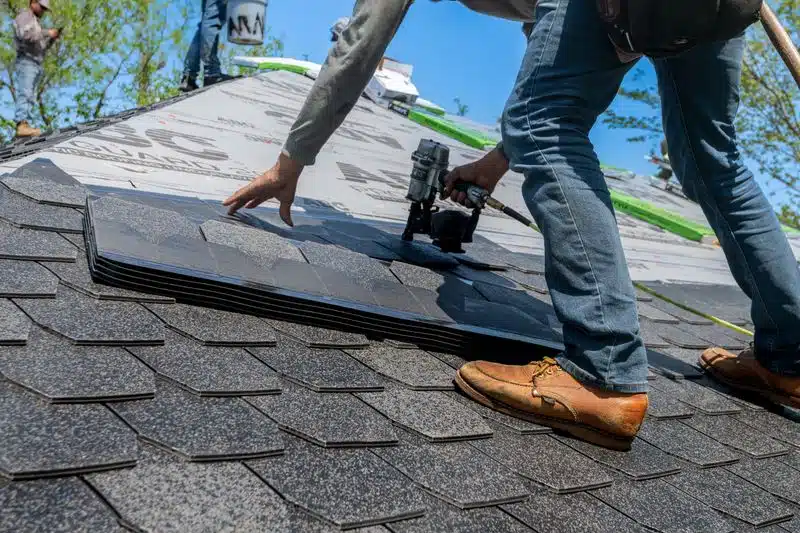
Roof Replacement in Slidell
Read More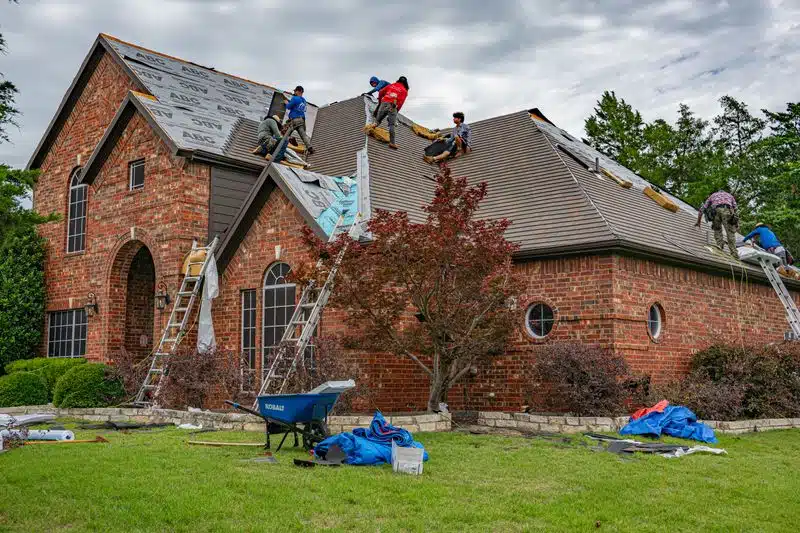
Roof Repairs in Slidell
Read More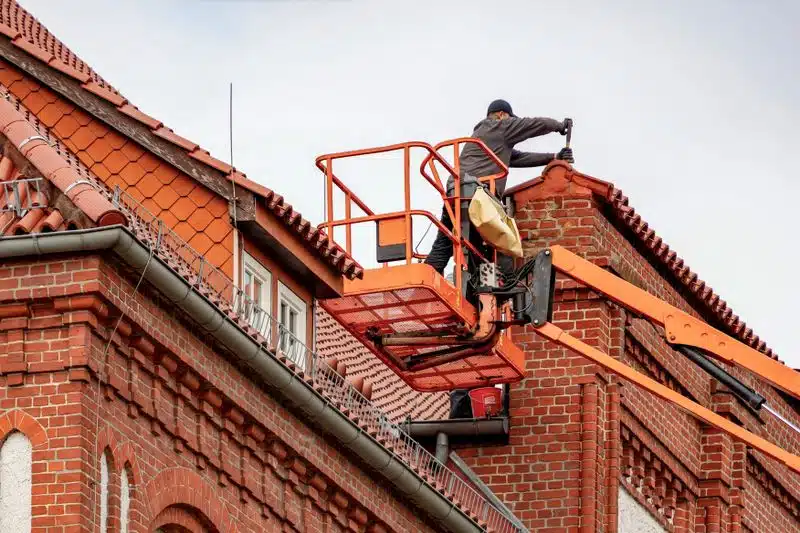
Roof Inspection in Slidell
Read More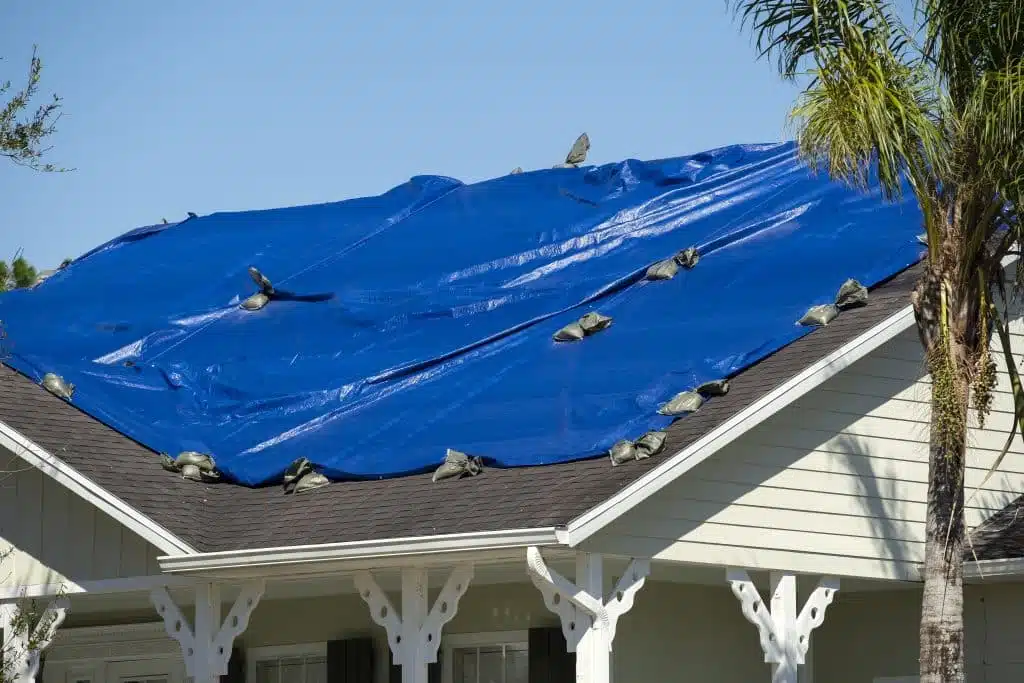
Storm Damage Roof Repair in Slidell
Read More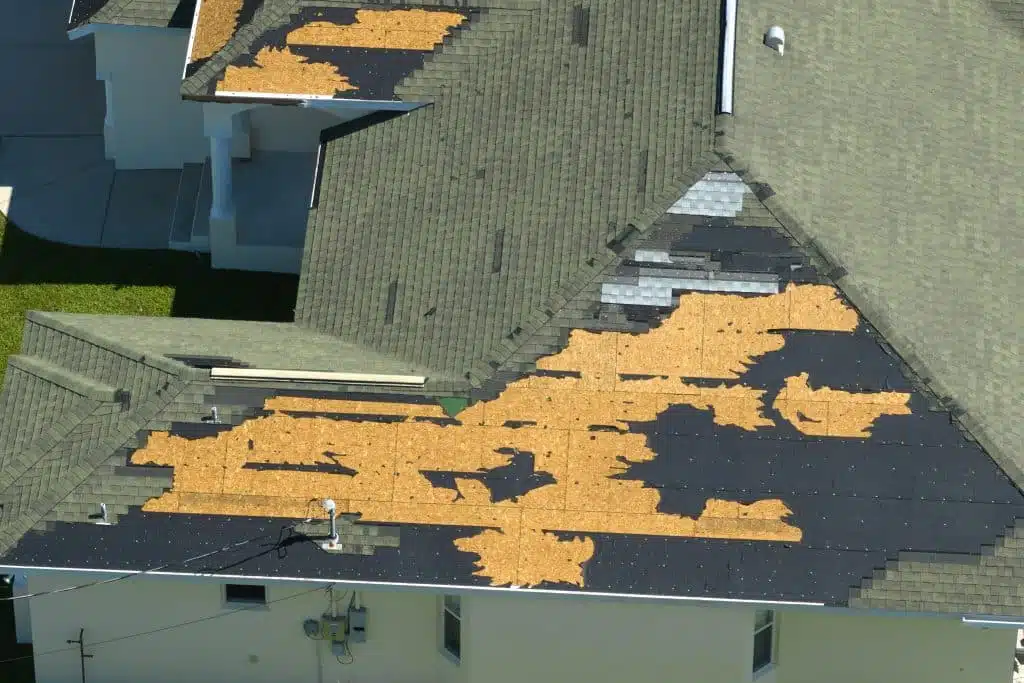
Storm Damage Emergency Response in Slidell
Read More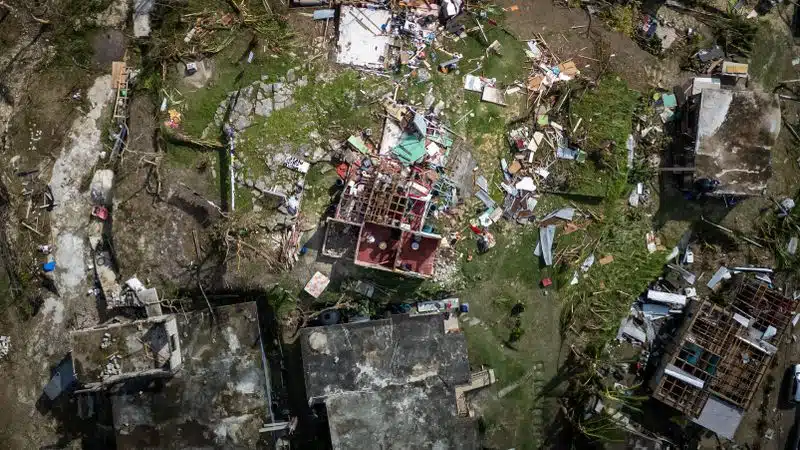
Emergency Roofing in Slidell
Read More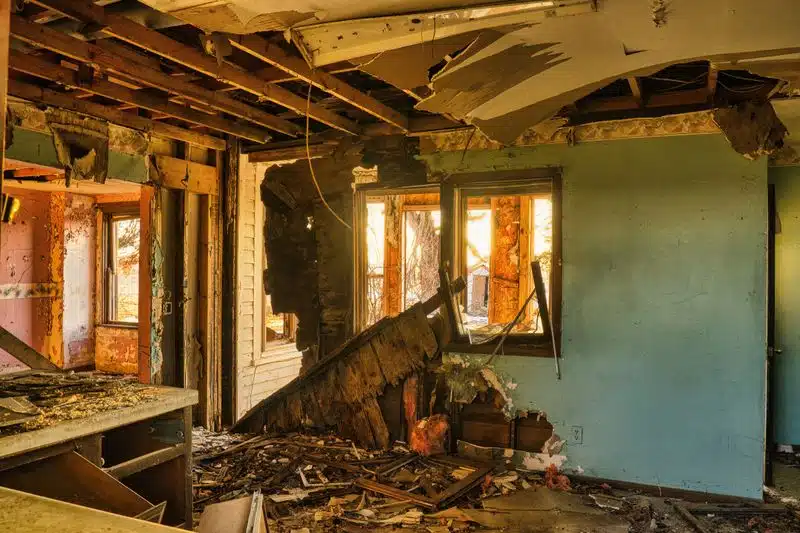
Roof Leak Detection in Slidell
Read More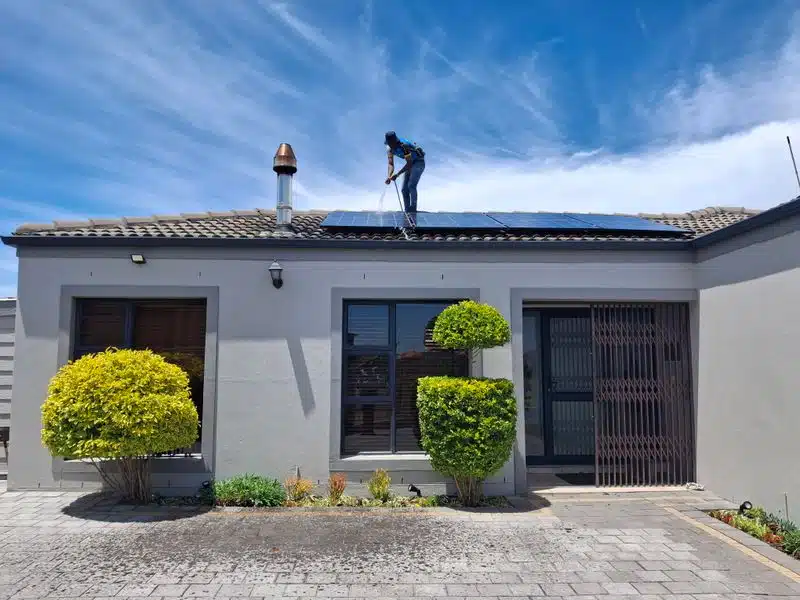
Roof Maintenance in Slidell
Read More
Roof Coating in Slidell
Read More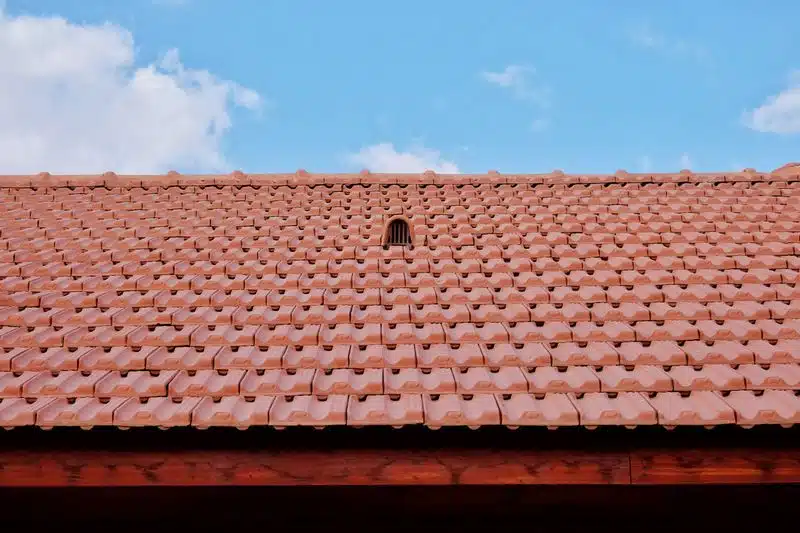
Roof Ventilation in Slidell
Read More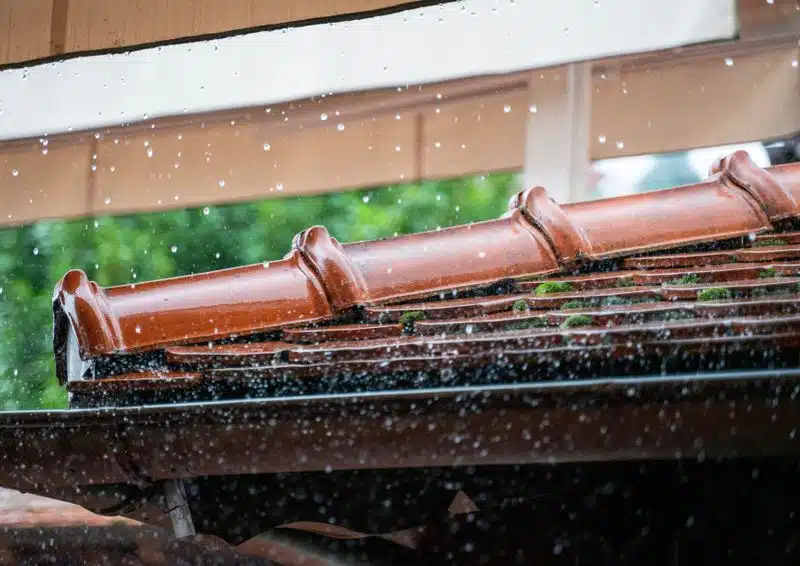
Roof Weatherproofing in Slidell
Read More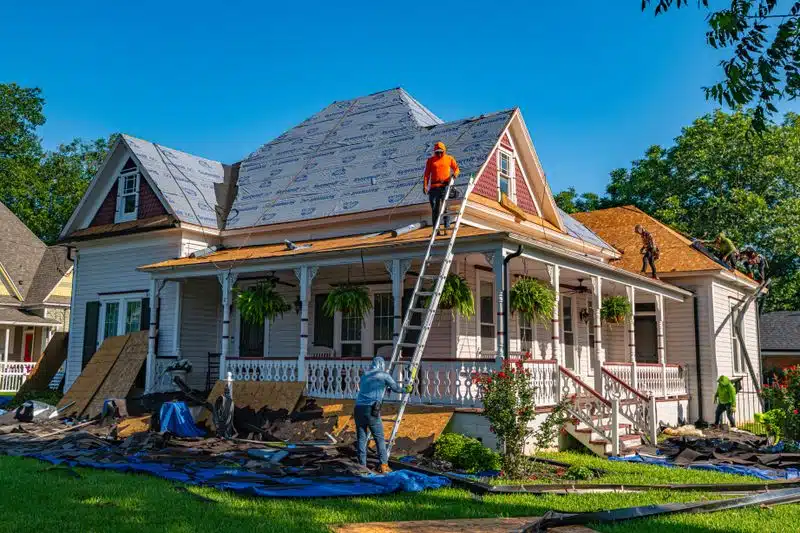
Roof Restoration in Slidell
Read More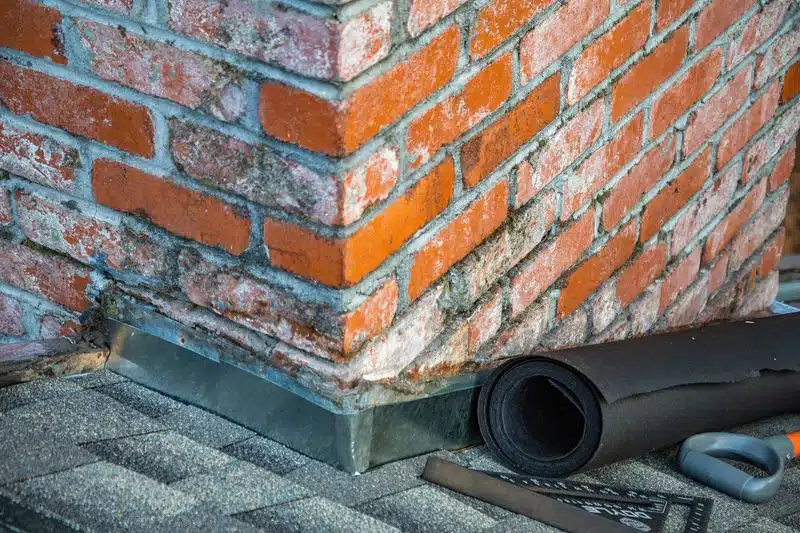
Roof Flashing Repair in Slidell
Read More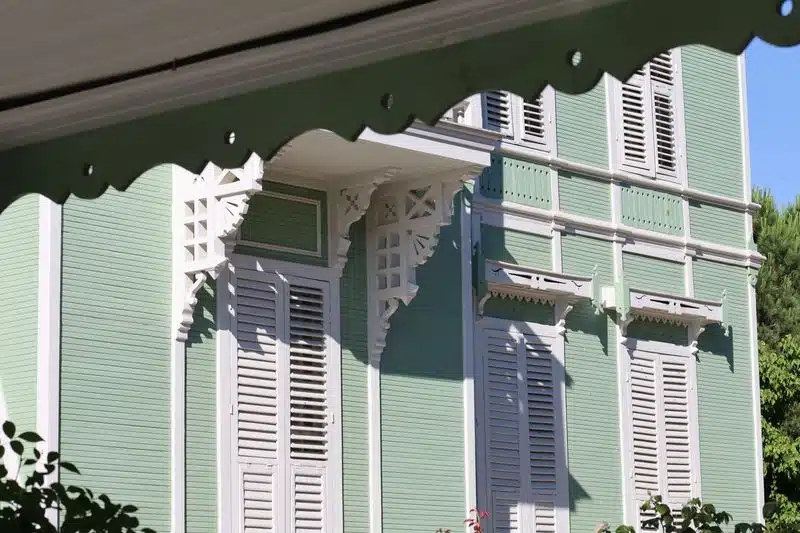
Fascia Board Installation and Repair in Slidell
Read More
Gutters and Downspouts Installation in Slidell
Read More
Gutters and Downspouts Repair in Slidell
Read More
Siding Installation in Slidell
Read More
Asbestos Roof Removal in Slidell
Read More
Roof Damage Documentation in Slidell
Read More
Commercial Roof Replacement in Slidell
Read More
Commercial Roof Repairs in Slidell
Read More
Commercial Roof Inspections in Slidell
Read More
Commercial Hail Damage Repair in Slidell
Read More
Commercial Re-Roofing in Slidell
Read More
Commercial Roof Coating in Slidell
Read More
Commercial Elastomeric Coatings in Slidell
Read More
Commercial Roof Ventilation in Slidell
Read More
Commercial Roof Leak Detection in Slidell
Read More
Commercial Siding Installation in Slidell
Read MoreSlidell Hail Damage Roof Repair FAQs
The questions worth asking after a hailstorm on a Slidell roof, including what the parish plans say about hail here.
Topic
Question not here?
Ask us anything about hail damage on your Slidell roof. No charge to ask.
Call (504) 800-8196Does the parish still say hail is a hazard here?
The 2020 St. Tammany Parish Hazard Mitigation Plan Table 2-4 put hail at 77 percent annual probability for Slidell. The 2026 plan update declined to profile hail per the National Risk Index selection rule, so the 2020 plan is the last one that profiled hail for the city.
Does the 2026 reclassification mean hail cannot damage my roof?
No. A parish-wide probability change is not a verdict about any one house. Whether a specific hailstorm damaged your roof is settled on that roof, with dated photographs, not from the hazard plan.
What do I actually get from a hail inspection?
A written report with dated photographs of every slope, flashing, vent, pipe boot, gutter and downspout, with any pre-existing wear noted separately. Big Easy Roofing writes the scope from those photographs.
Will you handle my hail insurance claim?
No. Under R.S. 37:2159.1 a Louisiana roofing contractor may not interpret your insurance cover. What we can do is photograph the damage and write a scope with a value, which your insurer or a licensed public adjuster can read.
How soon after a hailstorm should I look?
As soon as the weather has passed and a qualified roofer can safely access the roof; a homeowner should not walk a damaged or wet roof. The sooner the photographs are taken, the easier it is to tie the damage to the storm.
What if the hail damage shows up months later?
Dated photographs from an inspection taken soon after the storm are the record that keeps the storm date on the paperwork. If no inspection was done then, we document what the roof shows today.
Does a hail repair need a city permit?
A reroof needs a permit from the City of Slidell Building Safety office at (985) 646-4323 inside city limits, or from St. Tammany Parish at (985) 898-2574 outside them. A smaller repair, such as a single flashing or a pipe boot, is a question for that office.
Is a hail inspection a warranty on the roof?
No. It is a record of condition on the day of the visit, with dated photographs. It does not guarantee future performance.
Get the hail damage photographed and dated before the weather turns again
A hail trace photographs every slope, flashing, vent, pipe boot, gutter and downspout, with pre-existing wear noted separately, so the scope and its value are written from the record, not from the hazard plan. If you would rather start in writing, tell us what the job involves and we will come back with an estimate.
Call (504) 800-8196