

Commercial Elastomeric Coatings in Slidell, LA
Big Easy Roofing provides commercial elastomeric coatings in Slidell and across St. Tammany Parish. The substrate is the first screen on which chemistry is eligible; the leading failure mode narrows what is left.
Slidell commercial elastomeric coatings at a glance
An elastomeric coating is a flexible liquid-applied film over a sound commercial roof. On a Slidell commercial roof the substrate (modified bitumen, single-ply, metal panel or poured concrete deck) is the first screen on which chemistries are eligible; the leading failure mode on the specific roof then narrows the shortlist, and the product datasheet governs for the specific job.
Substrate screens first
The survey identifies the covering, together with any existing coating, drainage and moisture condition. Each substrate helps determine which chemistries are eligible and which are not as the first screen; existing coatings, preparation and manufacturer approval are read in the same step.
Modified bitumen
SBS and APP modified bitumen is often found on older Slidell commercial roofs. Silicone and acrylic chemistries are usually eligible on a sound mod-bit field; compatibility with the surface granule and any prior coat is checked first.
Single-ply membrane
TPO, PVC and EPDM each have their own prep rules. TPO may require approved cleaning and primer per the coating system; EPDM has adhesion limits that rule some chemistries out. The datasheet governs.
Metal panel
Exposed-fastener panels want fastener re-torque where loose; both standing seam and exposed-fastener panels want rust pre-treatment and seam detailing per the system spec. Silicone and acrylic chemistries are commonly eligible on metal; the finish and any pre-existing coat decide.
Poured concrete deck
A poured concrete deck is primer-dependent. The product datasheet names the primer, and substrate moisture, cure condition and vapor-related conditions are checked before coating.
What we will not interpret
A written scope documents what we found and the chemistry we propose. We do not interpret your insurance coverage; that is for your insurer and your policy.
Elastomeric coating is priced on area and system, so call Big Easy Roofing for a scoped price.
The four focus substrates against the three common chemistries
The substrate is the first screen on the shortlist. The table reads as a general trade starting point; the product datasheet governs the specific chemistry on a specific roof, and compatibility with any existing coat is checked before a new coat goes on. Where a row says “usually”, there is no categorical rule, only a tendency the survey confirms.
| Substrate | Silicone | Acrylic | Polyurethane |
|---|---|---|---|
| Modified bitumen (SBS, APP) | Usually eligible on a sound field | Usually eligible where the field drains | Often chosen where a traffic-rated system is specified |
| Single-ply (TPO, PVC, EPDM) | Datasheet rules per membrane | Limited on EPDM; datasheet governs on TPO and PVC | Often chosen where a traffic-rated system is specified |
| Metal panel (standing seam, R-panel) | Common on metal with prep | Common on metal with prep | Often chosen where a traffic-rated system is specified |
| Poured concrete deck | Primer and moisture checks first | Primer and moisture checks first | Primer-dependent, datasheet governs |
These are general trade tendencies. The product datasheet governs the specific chemistry on a specific roof, and compatibility with any existing coat is checked before a new coat goes on. Traffic suitability depends on the complete traffic-coating or walkway system, not chemistry alone.
Substrate against the chemistry, on a Slidell commercial roof
Once the substrate has filtered the shortlist, the leading failure mode on the specific roof (standing water, UV with dirt pickup, or foot traffic with abrasion) narrows what is left. The office path (City Building Safety inside the city, St. Tammany Parish outside) is confirmed by address in the same scope.
Where ponding leads
Where standing water on a flat roof after rain is the leading failure, silicone chemistry usually tolerates it better than acrylic. The product datasheet governs for the specific job.
Where UV leads
Where the field drains cleanly and UV with dirt pickup is the leading failure, acrylic is often chosen when a cleanable, re-coatable reflective finish is wanted. Acrylic is generally a poor fit on a roof that ponds, subject to the specific product’s datasheet.
Where traffic leads
Where foot traffic across HVAC servicing paths is the leading failure, a traffic-rated system or separate walkway assembly is specified after the substrate and preparation review, alongside whichever chemistry suits the field.
Where the office sits in the sequence
City Building Safety at 250 Bouscaren Street on (985) 646-4323 covers in-city addresses, and St. Tammany Parish on (985) 898-2574 covers outside-city addresses. Ask the office that covers the address whether a permit applies to the specific scope.
How the shortlist is ranked
The survey reads the substrate first and lists the chemistries that are eligible on it. The leading failure mode on the specific roof then picks from that list.
Where two or more failure modes compete, the field is specified for one chemistry and the traffic lane or detail for another.
The state licence side
Whether a specific commercial coating project in Louisiana requires state licensing depends on the contract value and the classification. Verify with the Louisiana State Licensing Board for Contractors, which lists its licence types, and ask any crew for its licence number and classification.
When Olde Towne review may apply
Where the building sits in the Olde Towne Preservation District and the coating may be a visible change on the street-facing roof, the Olde Towne Design Guidelines (Sec. 2.2217) may apply as a second route, with administrative or commission review on top of the normal permit question. Ask the office which route applies.
Why it matters on a Slidell commercial building
Slidell’s commercial stock often spans modified bitumen on older downtown buildings, single-ply membrane on retail and newer builds, metal panel on industrial and warehouse buildings, and poured concrete deck where it was poured. The chemistry chosen for the substrate on a specific roof, then narrowed to the leading failure mode, is evaluated together with the datasheet rather than from a datasheet figure read in isolation.
Substrate before failure mode
A coating that is a poor fit for the substrate underperforms even where the datasheet reads well against the failure mode. The survey reads the covering first.
Any leak is traced and repaired as its own scope before any coating goes down.
Coating is not a replacement
A coating does not substitute for repairing active leaks, wet insulation or inadequate drainage. The commercial coating page covers when a coating is not the fit.
The written scope says what the coating does and does not do.
Re-coating over an existing coat
Compatibility with any existing coating is checked before a new coat goes on. Some chemistries do not bond to others, and the datasheet governs.
A re-coat is scoped alongside the preparation that is required.
Big Easy Roofing Process
Four steps. The substrate picks the shortlist; the failure mode picks from it; the office confirms the route.

01 Survey the substrate
Covering identified; standing water, UV exposure and traffic paths noted.
02 Shortlist the chemistries
List the chemistries eligible on that substrate, with datasheet compatibility confirmed against any existing coat.
03 Confirm the office
City Building Safety at 250 Bouscaren Street on (985) 646-4323 inside city limits; St. Tammany Parish on (985) 898-2574 outside them. Ask that office whether a permit applies to the specific scope.
04 Prepare and apply
Repairs, detailing, then the field coat, with the record handed over.
Everything else we do in Slidell
The rest of the Big Easy Roofing services available in Slidell, each with its own page and scope. The commercial coating page covers when a coating is the right scope at all, including when an elastomeric is the wrong fit.
Roof Replacement in Slidell
Read More
Roof Repairs in Slidell
Read More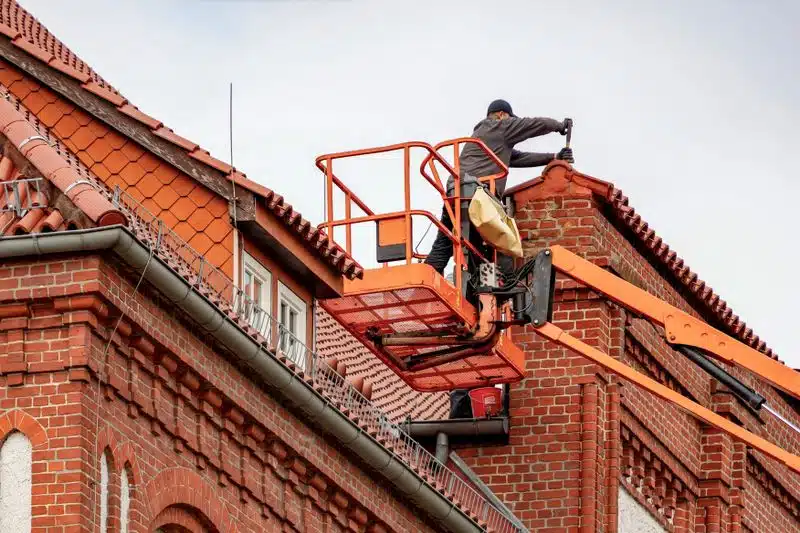
Roof Inspection in Slidell
Read More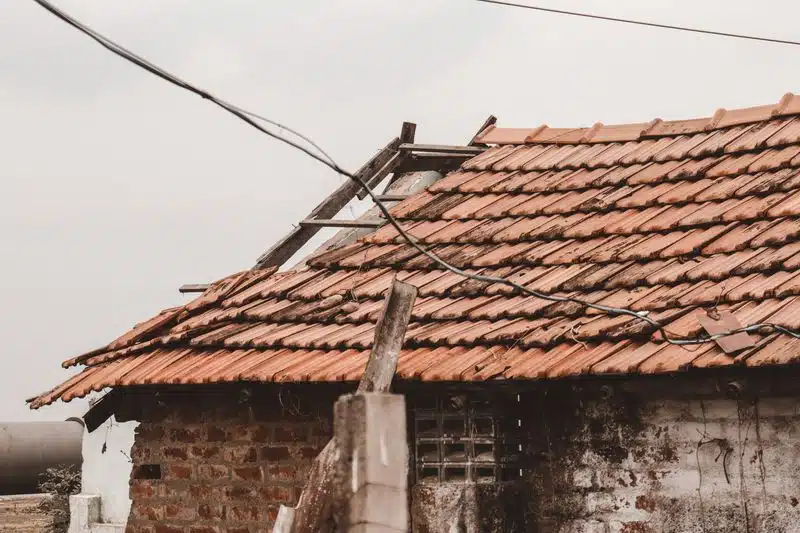
Hail Damage Roof Repair in Slidell
Read More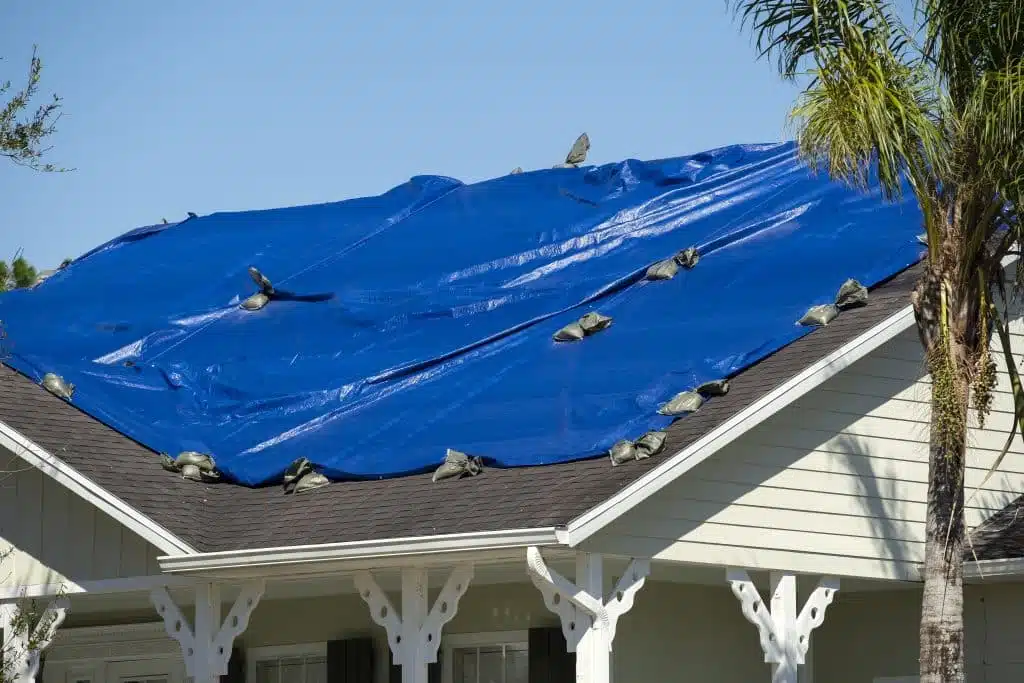
Storm Damage Roof Repair in Slidell
Read More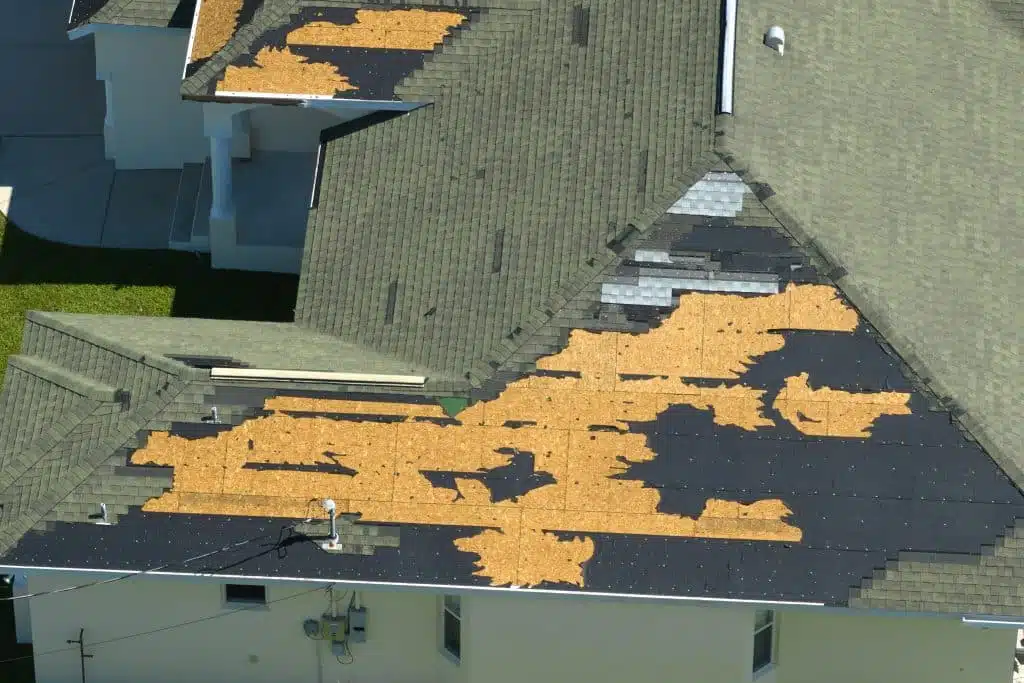
Storm Damage Emergency Response in Slidell
Read More
Emergency Roofing in Slidell
Read More
Roof Leak Detection in Slidell
Read More
Roof Maintenance in Slidell
Read More
Roof Coating in Slidell
Read More
Roof Ventilation in Slidell
Read More
Roof Weatherproofing in Slidell
Read More
Roof Restoration in Slidell
Read More
Roof Flashing Repair in Slidell
Read More
Fascia Board Installation and Repair in Slidell
Read More
Gutters and Downspouts Installation in Slidell
Read More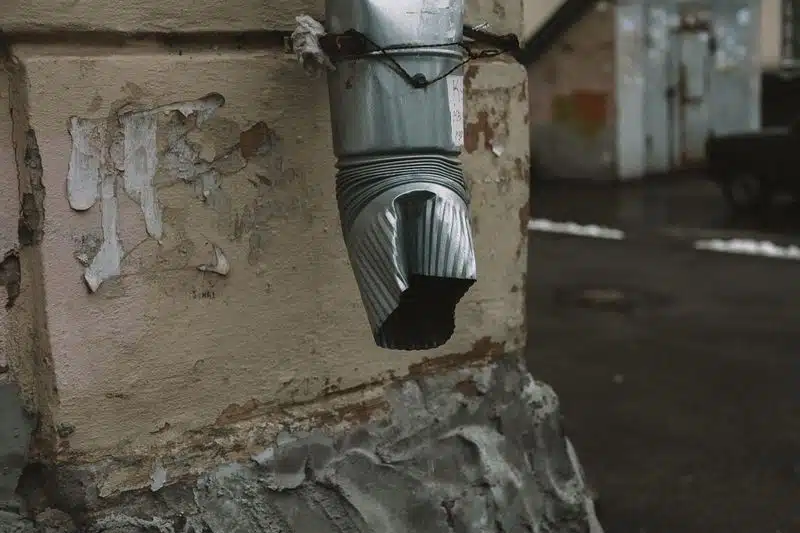
Gutters and Downspouts Repair in Slidell
Read More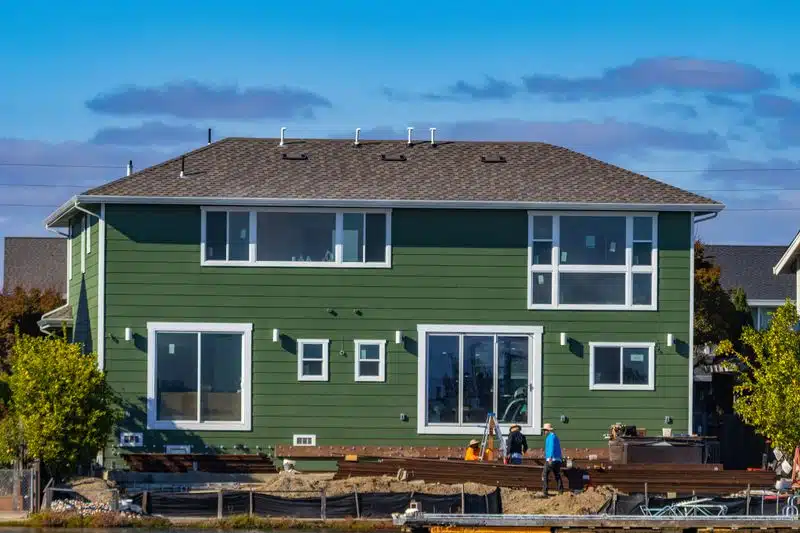
Siding Installation in Slidell
Read More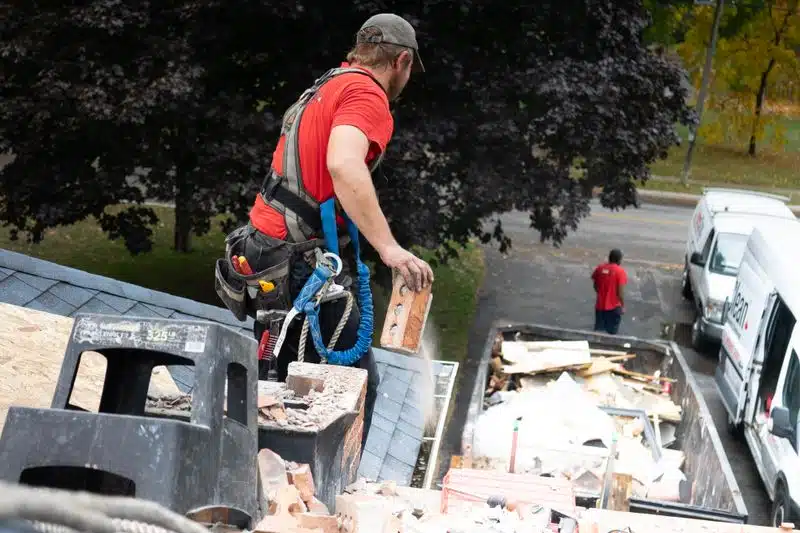
Asbestos Roof Removal in Slidell
Read More
Roof Insurance Claims in Slidell
Read More
Commercial Roof Replacement in Slidell
Read More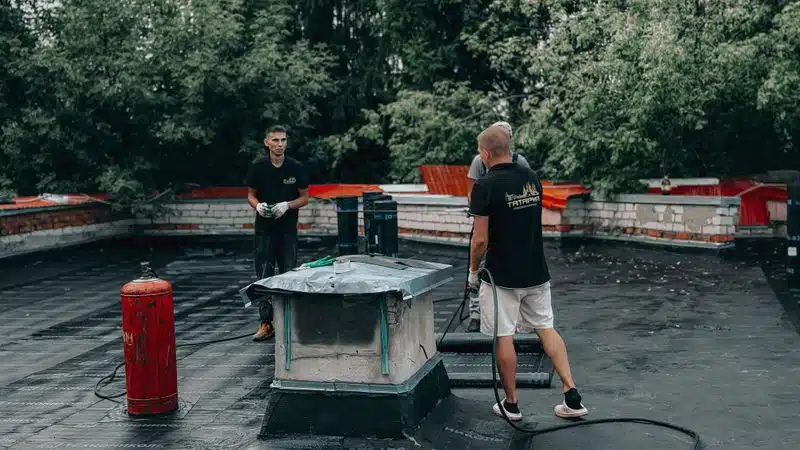
Commercial Roof Repairs in Slidell
Read More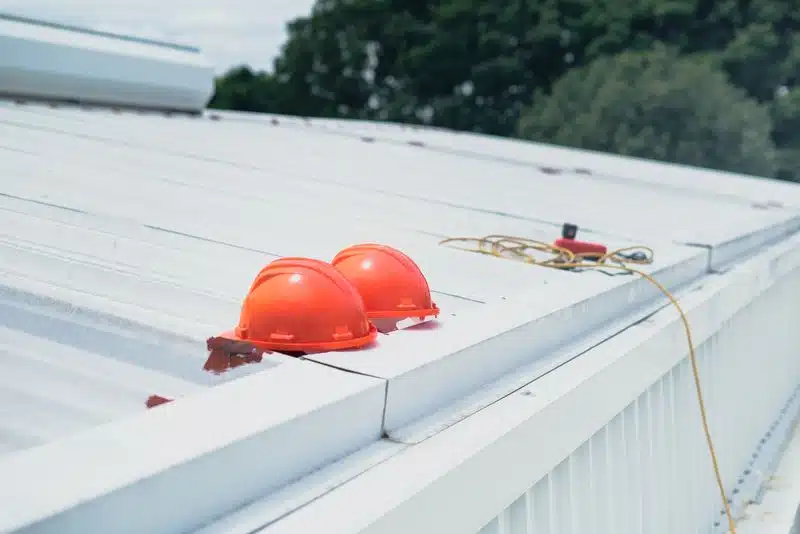
Commercial Roof Inspections in Slidell
Read More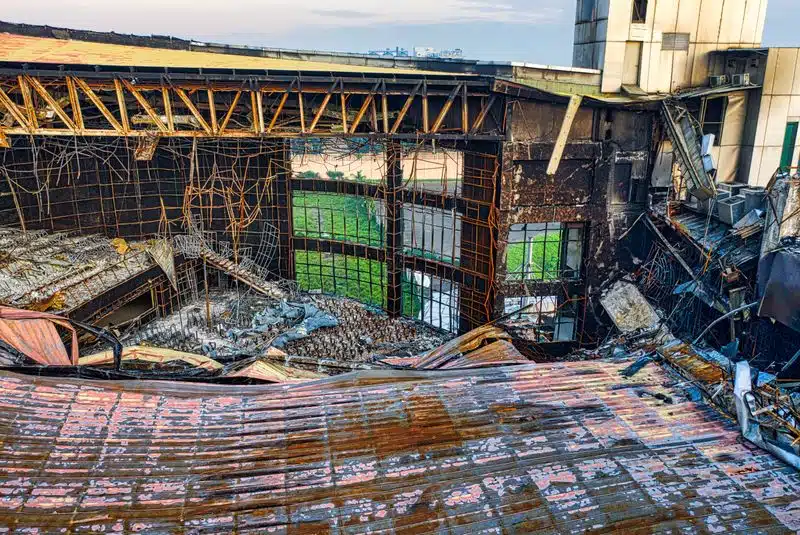
Commercial Hail Damage Repair in Slidell
Read More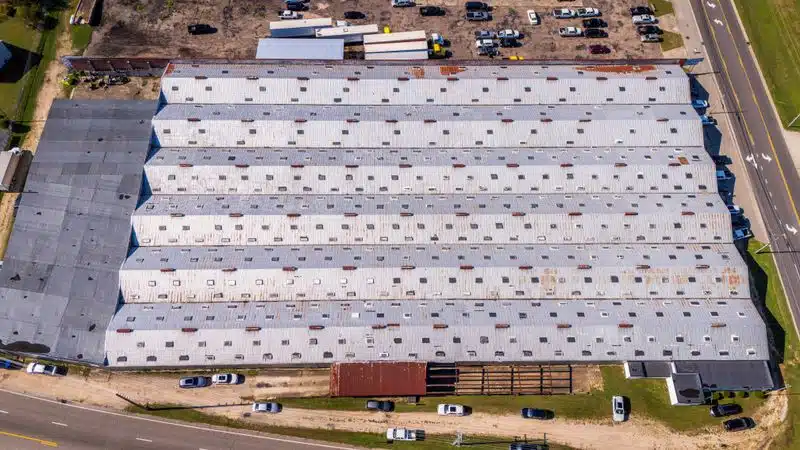
Commercial Re-Roofing in Slidell
Read More
Commercial Roof Coating in Slidell
Read More
Commercial Roof Ventilation in Slidell
Read More
Commercial Roof Leak Detection in Slidell
Read More
Commercial Siding Installation in Slidell
Read MoreSlidell Commercial Elastomeric Coatings FAQs
How the substrate screens the chemistry shortlist, which office covers the address, and how the work is priced.
Topic
Question not here?
Ask us about an elastomeric coating in Slidell. No charge and no obligation.
Call (504) 800-8196Why does the substrate come first on a Slidell commercial roof
The covering (modified bitumen, single-ply, metal panel or poured concrete deck) is the first screen on which elastomeric chemistries are eligible. Existing coatings, preparation and manufacturer approval are read in the same step, then the leading failure mode on the specific roof narrows the shortlist, with the product datasheet governing the specific job.
Can an elastomeric coat go over an older coating
Sometimes. Compatibility is checked first, because some chemistries do not bond to others. The datasheet governs the specific pair.
Which chemistry fits a Slidell roof that ponds
Silicone chemistry usually tolerates standing water better than acrylic. The product datasheet governs for a specific job.
Which chemistry handles foot traffic
A traffic-rated system or separate walkway assembly is specified for the traffic path after the substrate and preparation review, alongside whichever chemistry suits the field.
Which office covers a commercial elastomeric coating in Slidell
Inside city limits the City of Slidell Building Safety office at 250 Bouscaren Street on (985) 646-4323. Outside city limits St. Tammany Parish on (985) 898-2574. Ask the office that covers the address whether a permit applies to the specific scope.
Does Olde Towne review apply to a commercial coating
Where the building sits in the Olde Towne Preservation District and the coating may be a visible change on the street-facing roof, the Olde Towne Design Guidelines (Sec. 2.2217) may apply with administrative or commission review on top of the normal permit question. Ask the office which route applies.
Does my coating crew need a state licence
Whether a specific commercial coating project in Louisiana requires state licensing depends on the contract value and the classification. Verify with the Louisiana State Licensing Board for Contractors, and ask any crew for its licence number and classification.
What does an elastomeric coating cost
It is priced on area and system after the roof is surveyed.
Get the chemistry matched to the substrate on a Slidell commercial roof
We survey the substrate, shortlist the chemistries that fit it, narrow by the leading failure mode and confirm the office path before the field coat goes down. If you would rather start in writing, tell us what the job involves and we will come back with an estimate.
Call (504) 800-8196