

Commercial Roof Leak Detection in River Ridge, LA
Big Easy Roofing traces commercial roof leaks across River Ridge and the east bank of Jefferson Parish. The membrane chemistry on the roof decides the test. The scope size question routes through the parish East Bank building permits office rather than a city office, because River Ridge is unincorporated.
River Ridge commercial roof leak detection at a glance
Finding a commercial roof leak starts with the membrane. The chemistry decides the test: TPO, EPDM and PVC are non-conductive and take an electronic method on a wetted surface; modified-bitumen often takes a controlled flood or a direct water test; any foil-faced or aluminium-pigmented surface changes the reading regardless of chemistry. The scope size question routes through the parish East Bank building permits office for a River Ridge address.
Membrane chemistry
TPO, EPDM and PVC are each non-conductive membranes; low-voltage scanning works on them where the deck below is conductive and the surface is wetted first. Modified-bitumen multi-ply has asphalt plies that complicate electronic reading, so a controlled flood or a direct water test is often the honest method on it.
Foil facers and aluminium pigmented surfaces
Any membrane with a foil facer or an aluminium-pigmented coating is conductive on its surface, which can neutralise low-voltage scanning regardless of what the membrane under it is. The surface is read first; the method follows the read.
Entry-point map
The map records where the water got in, with each point dated and photographed. On a membrane the map names the instrument method that found each point; on a shingle, slate or roll-roofing covering the trace reads from the edges and the penetrations inward.
Wet-insulation extent survey
A leak that has run for a while can wet the insulation under the membrane. The commercial inspection page covers the moisture-survey methods (infrared, capacitance, nuclear hydrogen, destructive core cut) that measure the extent. The two documents together size the scope.
No city office
River Ridge is unincorporated, so the scope-size question routes through the Jefferson Parish Department of Building Permits East Bank office on (504) 736-6957. The commercial roof repairs page covers what the parish has published on commercial reroof work and what it has not.
What we will not interpret
A written scope documents what we found and what fixes it. Under R.S. 37:2159.1 a Louisiana roofing contractor may not interpret your insurance cover.
Commercial leak detection is scoped to the roof, the method mix and the access, so call Big Easy Roofing on (504) 800-8196 for a trace on your River Ridge commercial building.
Method by membrane, and which test fits each chemistry
The membrane chemistry is read before any instrument goes on the roof, and the manufacturer’s own notes are read against it first. The table sets out the method that fits each common commercial membrane, where it works well, and where it does not.
| Membrane / covering | Method that fits | Where it works well | Where it does not |
|---|---|---|---|
| TPO single-ply (non-conductive) | Low-voltage scanning on a wetted surface | A field area with a conductive deck below | Foil-facer or aluminium-pigmented top coat; thin wet layer above intact insulation |
| EPDM single-ply (non-conductive rubber) | Low-voltage scanning on a wetted surface | Field areas; defined seam probing where a seam is suspect | A seam that has already released and lets water through without a breach above |
| PVC single-ply (non-conductive) | Low-voltage scanning, or high-voltage spark testing where the manufacturer accepts it | Perimeter and penetrations where high-voltage spark testing is the quicker read | Any membrane the manufacturer says a spark test may damage |
| Modified-bitumen multi-ply | Controlled flood test on a defined area, or direct water test | A defined low-slope area where the structure can carry the load of the flood | Large areas; spaces below that cannot take water |
| Shingle, roll roofing, slate or wood | Read from the edges and the penetrations inward | The coverings that take a sloped-roof leak path | Membrane test methods |
Membrane suitability for electronic testing and spark testing is checked with the manufacturer before any instrument goes on the roof; a destructive confirmation at a point is agreed with the manufacturer in advance on a warranted roof.
Two documents, the entry-point map and the wet-insulation extent survey
A commercial leak scope on a River Ridge building returns two separate documents: the entry-point map says where the water got in, and the wet-insulation extent survey says how far the water has already travelled. Neither on its own sizes the repair; the two sit together and the office that covers the address answers the scope question.
The entry-point map
Points marked, photographed and dated on the roof, with the method named for every point found by instrument. The map is the roof-side answer to the question “where did the water get in”, and it is the first document the owner, the parish inspector and (where it applies) the manufacturer warranty administrator will each want to see.
The wet-insulation extent survey
The moisture-survey methods on the commercial inspection page measure how far wet insulation reaches below the membrane. The reading is often the deciding economics on a repair-versus-reroof conversation, because wet insulation that has run across a large area turns a seam repair into a bigger scope.
The parish permit record
River Ridge is unincorporated, so the scope question goes to the Jefferson Parish Department of Building Permits East Bank office at 1221 Elmwood Park Blvd., Suite 101, Jefferson LA 70123, on (504) 736-6957. The commercial roof repairs page carries what the parish has published on commercial reroof work and what it has not.
Our role on a commercial leak scope
We identify the covering, pick the method the chemistry calls for, trace the entry point, measure the wet-insulation extent where it applies, and route the scope question to the parish East Bank office. The design engineer of record stamps any plans that follow.
How the two documents sit
A trace that stops at the entry point and skips the extent often undersells the scope. An extent survey without a trace often leaves the owner with a wet reading and no action on the source. The two are written together so the scope is sized against both facts.
A defined entry point with no wet-insulation reading beyond it is often within the scope of a repair. A traced entry point with wet insulation across the field changes the conversation; the East Bank office confirms what the specific scope engages.
Membrane manufacturer suitability
Low-voltage scanning or high-voltage spark testing is checked against the membrane manufacturer before it goes on the roof.
On a warranted roof a destructive test is agreed with the manufacturer in advance.
Why it matters on an east-bank Jefferson Parish commercial roof
A commercial membrane on the east bank of Jefferson Parish takes sun, rain and the wind off the river and the lake. Perimeter wind can pull at edge terminations, and water that enters at a released seam can travel sideways under the covering before it shows below. The trace follows the water back to the entry point rather than guessing where it shows inside.
Water follows the deck slope under the membrane
Water that enters at a point can travel along the deck slope before it drops through a seam or a penetration. The point where the ceiling is wet is often downslope of the entry on the roof.
The map records the entry on the roof, not the symptom in the ceiling, and the trace is honest about which is which.
Perimeter and penetrations fail first
Low-slope roofs commonly fail at the perimeter and at the penetrations before they fail in the field. A released seam at a parapet termination, a cracked boot at a vent, a split at a drain sump: these are the usual entry points.
The scope names the detail and the fix, not just the general area.
Residential and commercial sit on different pages
The River Ridge residential leak detection page covers how a leak is found on a one or two family dwelling, with the 2:12 shingle slope line and the thermal-imaging-as-one-clue pattern.
The commercial scope here uses different methods and routes through a different licensing threshold; the two pages do not overlap.
Big Easy Roofing Process
Four steps. The membrane decides the method; the entry point and the wet-insulation extent are both written up; the parish office is the single office route.

01 Identify the covering
TPO, EPDM, PVC, modified-bitumen multi-ply, or a sloped-roof covering such as shingles, slate or wood. The surface is read for foil facers or aluminium-pigmented coatings before the instrument is chosen.
02 Choose the method
Low-voltage scanning on a wetted surface, high-voltage spark testing, controlled flood test or reading from the edges in; manufacturer suitability checked first.
03 Find the entry point and measure the extent
The entry point is marked, photographed and dated on the roof; the wet-insulation extent is measured by moisture survey where it applies.
04 Write the scope and route the office
What let the water in, how far the water went, what fixes it, and which parish office answers the scope question for the address. The scope question goes to the Jefferson Parish East Bank building permits office on (504) 736-6957; there is no city office in the sequence.
Everything else we do in River Ridge
The rest of the Big Easy Roofing services available in River Ridge, each with its own page and written scope. Where the trace finds wet insulation, the moisture-survey methods on the commercial inspection page measure the extent, and the repair is scoped once both reports are in hand.
Roof Replacement in River Ridge
Read More
Roof Repairs in River Ridge
Read More
Roof Inspection in River Ridge
Read More
Hail Damage Roof Repair in River Ridge
Read More
Storm Damage Roof Repair in River Ridge
Read More
Storm Damage Emergency Response in River Ridge
Read More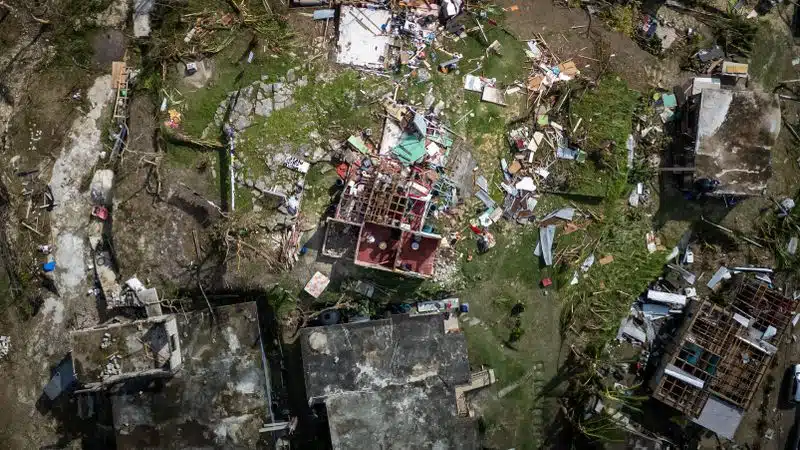
Emergency Roofing in River Ridge
Read More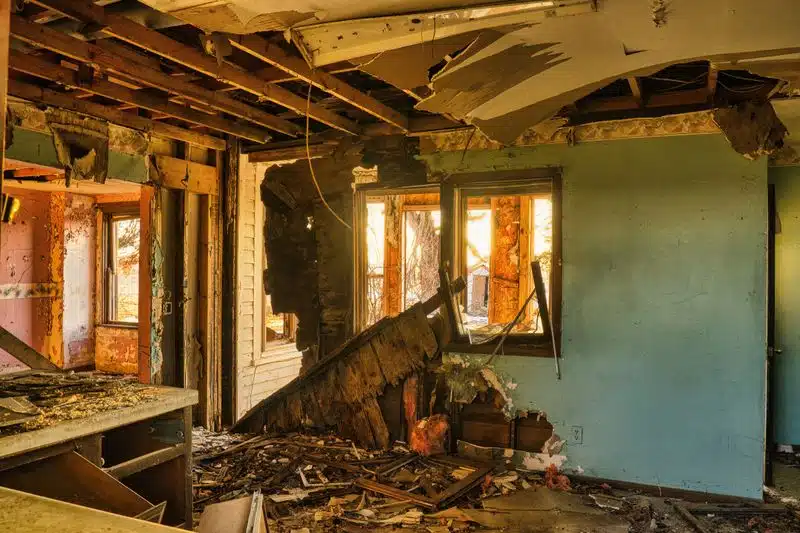
Roof Leak Detection in River Ridge
Read More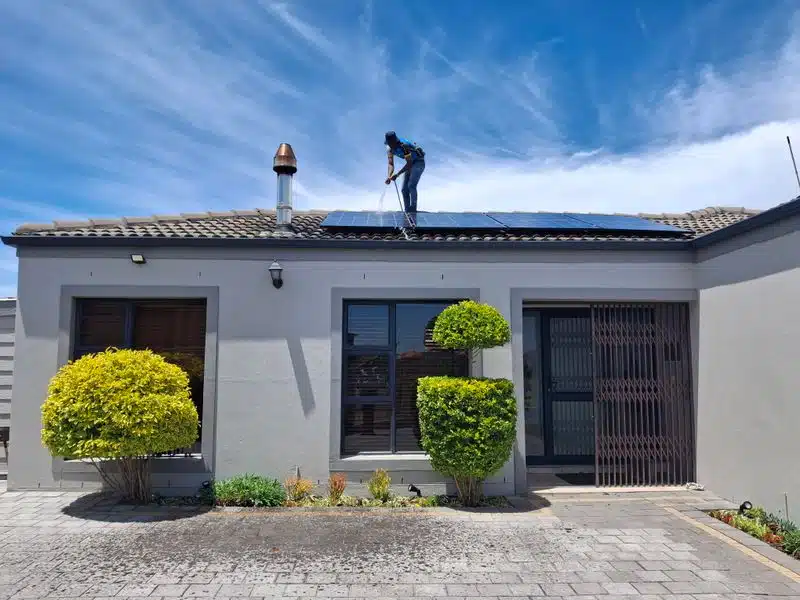
Roof Maintenance in River Ridge
Read More
Roof Coating in River Ridge
Read More
Roof Ventilation in River Ridge
Read More
Roof Weatherproofing in River Ridge
Read More
Roof Restoration in River Ridge
Read More
Roof Flashing Repair in River Ridge
Read More
Fascia Board Installation and Repair in River Ridge
Read More
Gutters and Downspouts Installation in River Ridge
Read More
Gutters and Downspouts Repair in River Ridge
Read More
Siding Installation in River Ridge
Read More
Asbestos Roof Removal in River Ridge
Read More
Roof Damage Documentation in River Ridge
Read More
Commercial Roof Replacement in River Ridge
Read More
Commercial Roof Repairs in River Ridge
Read More
Commercial Roof Inspections in River Ridge
Read More
Commercial Hail Damage Repair in River Ridge
Read More
Commercial Re-Roofing in River Ridge
Read More
Commercial Roof Coating in River Ridge
Read More
Commercial Elastomeric Coatings in River Ridge
Read More
Commercial Roof Ventilation in River Ridge
Read More
Commercial Siding Installation in River Ridge
Read MoreRiver Ridge Commercial Roof Leak Detection FAQs
The method-by-membrane matrix, the two-document deliverable, the parish East Bank office and how the scope is priced.
Topic
Question not here?
Ask us about a commercial roof leak in River Ridge. No charge and no obligation.
Call (504) 800-8196Which leak detection method is best for a commercial membrane roof?
It depends on the membrane. TPO, EPDM and PVC are each non-conductive and take low-voltage scanning on a wetted surface where the deck below is conductive. Modified-bitumen multi-ply often takes a controlled flood or a direct water test. Any foil-facer or aluminium-pigmented surface changes the reading regardless of what is under it. Manufacturer suitability is checked first.
What is low-voltage scanning?
A small voltage is placed on a wetted non-conductive membrane; a scanner finds where current passes to the conductive deck below through a breach. The method needs a conductive deck under the membrane and a surface that is not itself conductive.
What is a controlled flood test?
Water is dammed to a controlled depth over a defined area while the space below is watched. It works where the structure can carry the load of the flood; it does not work on large areas or where the space below cannot take water.
Which office covers a commercial leak repair in River Ridge?
The Jefferson Parish Department of Building Permits East Bank office at 1221 Elmwood Park Blvd., Suite 101, Jefferson LA 70123, on (504) 736-6957. River Ridge is unincorporated, so there is no city permits office in the sequence.
Does a leak repair always need a permit?
That is a scope-and-address question for the East Bank building permits office. The commercial roof repairs page covers what the parish has published on commercial reroof work and what it has not; the office confirms what a specific scope engages.
When does a leak repair become a bigger scope?
When the wet-insulation extent survey finds wet insulation across a larger area rather than at one defined entry point. At that point the East Bank office confirms what the specific scope engages, and the commercial roof repairs page covers the wet-insulation test that tips the economics.
Will my insurance cover the leak repair?
That is a question for your insurer. Under R.S. 37:2159.1 a Louisiana roofing contractor may not interpret your insurance cover, so we document the physical condition and provide a good-faith itemised estimate.
What does commercial leak detection cost?
It is scoped to the roof, the method mix and the access, so the price follows a look at the building. A flood-test scope on a larger building is a different conversation from a seam-probe scope on a defined area.
Identify the covering, match the method to the chemistry, write the two documents together
A River Ridge commercial leak scope opens with the membrane chemistry, picks a method the manufacturer accepts, writes the entry-point map and the wet-insulation extent survey together, and routes the scope question to the Jefferson Parish East Bank building permits office rather than a city office. If you would rather start in writing, tell us what the job involves and we will come back with an estimate.
Call (504) 800-8196