



Storm Damage Emergency Response in Metairie, LA
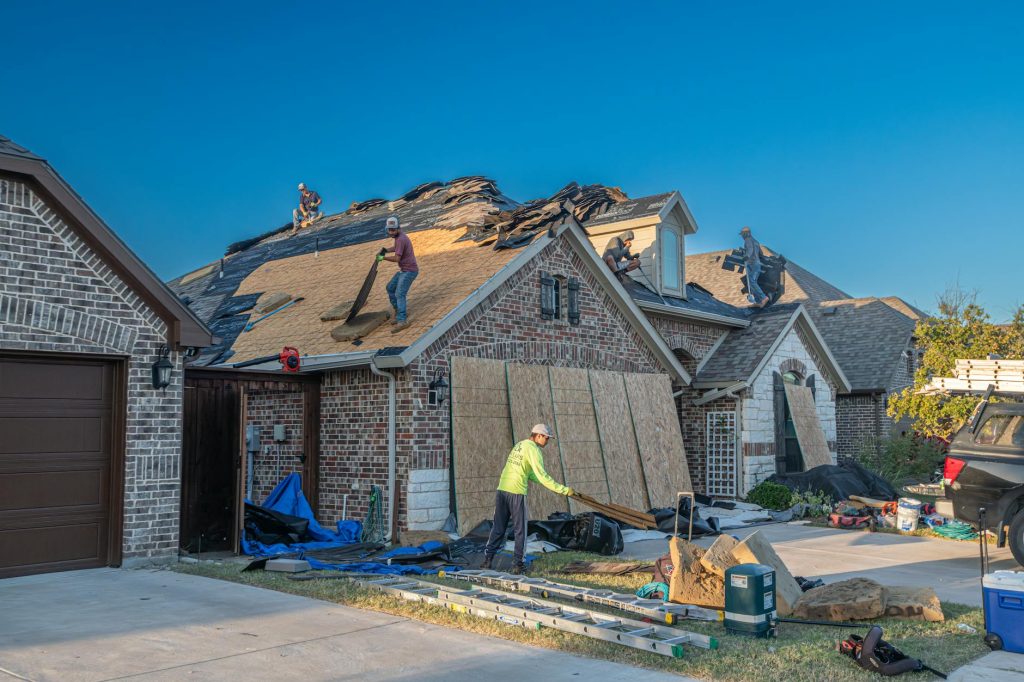
Big Easy Roofing answers Metairie storm calls around the clock. The first job on arrival is not the roof, it is deciding whether the structure is safe to be on and whether the building is safe to be in. Once that is settled we make the property safe, stop the water, clear what is dangerous and photograph everything as we found it.
Metairie storm damage emergency response at a glance
Emergency response is triage, not repair. The order is people first, then structure, then water, then weatherproofing, and no crew goes onto a Metairie roof until the deck and the framing under it have been judged safe to carry them. Repair is scoped afterwards, in daylight.
Emergency line
A real person takes the call at any hour. Where conditions are unsafe to travel we log the address, give you what to do in the meantime and dispatch as soon as it is safe.
First check on arrival
Deck sheathing, rafters and trusses, and any ceiling holding water. A roof that looks walkable from the ground can have lost the decking that would carry a person.
Response cost
Emergency work is priced from what is actually found, so we do not publish a rate. Call Big Easy Roofing on (504) 800-8196 and we will tell you what the visit involves.
What we make safe
Hazard exclusion around the property, emergency weatherproofing to stop water entering, and removal of material that is unstable or in the way. Full clearance follows.
Record taken
The crew records the conditions it works on before material is moved, so there is a clear account of what was done during the emergency visit and why.
What follows
Emergency response ends when the hazards are controlled and further water entry has been stopped. Materials already wet still need a restoration contractor. The permanent repair is surveyed and written up as its own scope.
The hours straight after a storm are the ones where the most damage gets done and the most people get hurt, and almost none of that is about roofing skill. It is about sequence. A Metairie property that has just taken a named storm can have a live conductor lying in the side yard, a gas riser sheared by a limb, standing water over an unseen kerb, and a roof deck that will not hold a person, all at once, and none of those are visible from a phone call.
So the first thing a crew does on arrival is not climb. It is walk the perimeter, judge what is live, what is unstable and what is holding water, and decide whether anyone should be on the roof or in the building at all. On a house where the ceiling is bowed and heavy with water, the honest answer is sometimes that nobody goes inside until it is dropped deliberately and safely.
Only after that does roofing work start, and even then it is temporary by design. The aim in the first visit is to stop water entering, remove what is dangerous and record the property exactly as we found it. Repair is a separate job done in daylight with a written scope, and treating the two as one is how people end up paying emergency rates for work that was never urgent.
What actually happens in the first 48 hours
Five stages, in this order, and the order is the point. Each one has to be settled before the next is safe to start, which is why a crew that arrives and goes straight up a ladder is not doing you a favour. Timings assume access to the street is open.
| Stage | What happens | Typical timing | Why it comes in this order |
|---|---|---|---|
| 1. Hazard sweep on arrival | Perimeter walked for live conductors, gas, standing water and unstable material | First 15 minutes | Nothing else is safe until this is done |
| 2. Structural stability evaluation | Deck, rafters and trusses judged, plus any ceiling holding water inside | Same visit | Decides whether anyone can be on the roof or in the building |
| 3. Emergency weatherproofing | Water stopped at the point it is entering, once the structure will carry a crew | Same visit where safe | Every hour of water in is more damage inside |
| 4. Debris clearance and make safe | Dangerous and obstructing material removed, nails and sharp debris cleared | Same or next visit | The property has to be usable before repair can be planned |
| 5. Documented handover | Photographed record of the property as found, then a written repair scope | Within days | Repair is a daylight job, priced properly, not an emergency rate |
Timings are typical for a single property with street access. After a widespread named storm the queue across Metairie is prioritised by risk, not by call order. Call (504) 800-8196 and we will tell you where you sit and what to do meanwhile.
Safety, the law and what we will not do in the dark
Emergency work carries hazards ordinary roofing does not, and some of the rules that apply are not roofing rules at all. Utilities, structural safety and what a contractor may say about your insurance all bear on the first visit, and each is handled the same way every time.
Downed conductors
Entergy says to assume every downed line is energised, and that a line can kill even if it does not spark, hum or move. Stay away from anything touching it, a tree, a fence or a vehicle, and watch for lines hard to see in puddles. If you must move away, shuffle with your feet together rather than taking large steps, because voltage spreads out through the ground. Report it to Entergy on 1-800-968-8243. Our crew stays out of the area and works nowhere near it until the utility has attended.
Structure before access
Storm damaged or displaced decking, impact damaged framing and a ceiling loaded with water can all have badly reduced load capacity, and some of that cannot be judged reliably from ground level. The deck and framing are evaluated before a ladder goes up, and where they will not safely carry a crew we say so rather than risk it.
Generators after the storm
Entergy is explicit that you must never power house wiring by plugging a generator into a wall outlet. Backfeeding can electrocute utility crews and the neighbours on your transformer, and it bypasses the built in circuit protection. Keep the generator dry and out of the rain, plug appliances directly into it, and if it has to feed the house wiring have a qualified electrician install the proper equipment first.
What we record and what we will not say
We photograph the property as found and write a good faith itemised estimate. Louisiana law prohibits a contractor from interpreting policy coverage or duties, so what your policy does is a question for your insurer or a licensed public adjuster, not for us.
The water inside is a different trade, and we will say so
A roofer stops water coming in and documents what came in. Drying a saturated structure, running dehumidification, lifting floors and dealing with what grows afterwards is water restoration work, and it is a different trade with different equipment.
Being clear about that boundary matters, because a wet building that is closed up and left develops problems that cost more than the roof did. We tell you plainly what we have stopped, what is still wet, and what needs a restoration contractor rather than implying the roof work covers it.
What to do before we arrive, and what not to
Useful and safe: get everyone out from under any bowed or dripping ceiling, and move what you can from under the leak. If water is reaching sockets or fittings and you can reach a completely dry breaker panel without walking through water, switch off the main breaker. If the panel is wet or damaged, or you would have to cross water to get to it, leave the building and call an electrician or the emergency services instead. Never touch a panel while standing in water.
Not safe, and worth saying plainly: do not get on the roof, and do not go into the attic if the ceiling below is loaded with water. On generators, Entergy is explicit that you must never power the house wiring by plugging a generator into a wall outlet, which is called backfeeding and can electrocute utility crews and neighbours on the same transformer. Keep it dry and out of the rain, plug appliances straight into it or into a properly rated outdoor cord, and if it has to connect to the house wiring have a qualified electrician fit the right equipment first. Debris on the ground can be left for us, it is not worth an injury in the dark.
Why the queue works the way it does across Metairie after a storm
After a widespread event several hundred Metairie properties call in the same night, and no contractor can reach them all at once. Understanding how the order is set is the difference between waiting anxiously and knowing what to do meanwhile.
Risk sets the order, not call time
Occupied properties with an active hazard come first: exposed conductors, a compromised structure, or water reaching electrics. Then occupied properties taking water. Then unoccupied and secondary damage, then everything else.
That means a call at two in the morning about a dripping ceiling in an empty rental may be reached after one at six about a bowed ceiling over a bedroom. It is not first come first served, and being told that honestly is more useful than being given an arrival time nobody can keep.
We do not send crews up during the event
Wind is the reason. Working at height while a named storm is still passing is how people are killed, so the line stays open, the address is logged and advice is given, but nobody is dispatched onto a roof until wind speed drops to a safe working range.
The same applies to lightning within striking distance and to standing water around a property where the ground underneath cannot be seen. Waiting is not reluctance, it is the only responsible answer.
The first visit is deliberately temporary
Emergency weatherproofing is sized to the opening rather than to the roof, and it is not meant to be a repair. Trying to do permanent work in poor light, in wind, on a deck that has not been properly surveyed produces work that has to be redone.
So the visit ends with the property safe, dry and photographed, and the real repair is measured and written up afterwards. Where the roof turns out to need replacing rather than repairing, that is priced on the Metairie emergency roofing page and in the repair scope.
Big Easy Roofing Storm Emergency Response
Four steps, and the first two happen before any roofing work starts, because after a storm the question is whether it is safe to work at all before it is what the work costs. Every step is photographed as we go.
Call answered and triaged
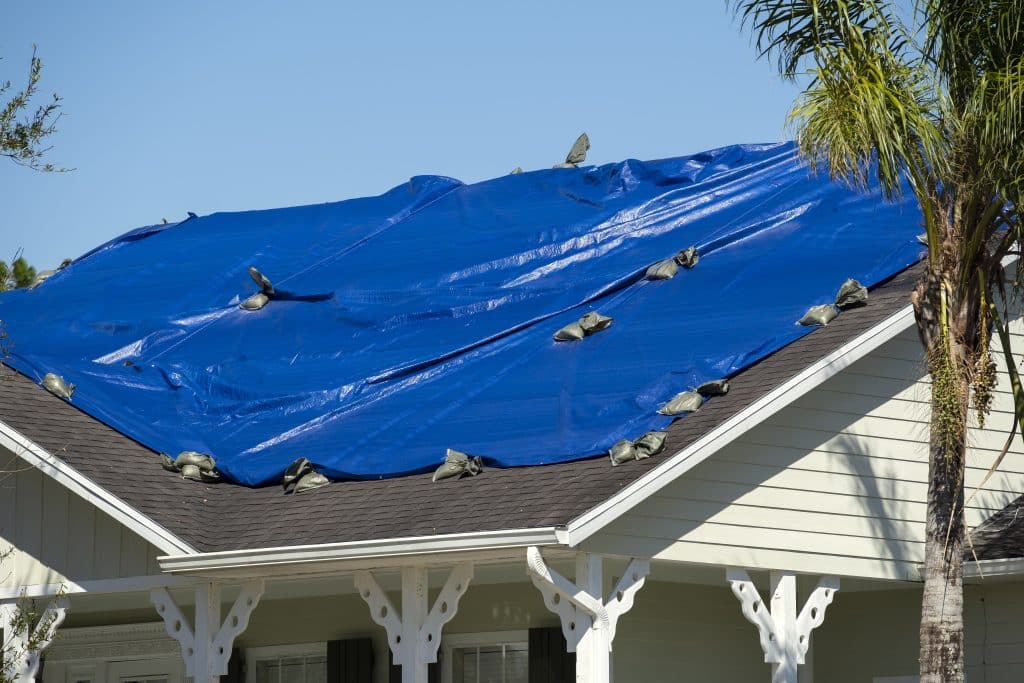
A person takes the call at any hour, logs the address and the hazards, tells you what to do meanwhile, and places you in the queue by risk. If it is not safe to travel or to work at height yet, we say so rather than promise a time we cannot keep.
Hazard sweep and structural check on arrival
The perimeter is walked before anything else. Conductors, gas, standing water and unstable material are identified and controlled, then the deck, rafters and any water loaded ceiling are judged. Nobody goes up until that is settled.
Made safe, water stopped, conditions recorded
Emergency weatherproofing at the point water is entering, and dangerous or obstructing debris removed. The crew records the conditions affected by that work before material is moved, so there is a clear account of what was done and why.
Written scope for the permanent repair
Once the hazards are cleared and the water is stopped the roof is surveyed properly and the repair is measured, itemised and priced as its own scope for you to approve. Emergency response and repair are never billed as one undifferentiated job.
Everything else we do in Metairie
The rest of the Big Easy Roofing services available in Metairie, each with its own page, crew and written scope. Emergency response ends once the hazards are controlled and the water is stopped, and the permanent work that follows is measured and priced on the Metairie storm damage repair page instead.
Roof Replacement in Metairie
Read More
Roof Repairs in Metairie
Read More
Roof Inspection in Metairie
Read More
Hail Damage Roof Repair in Metairie
Read MoreStorm Damage Roof Repair in Metairie
Read More
Emergency Roofing in Metairie
Read More
Roof Leak Detection in Metairie
Read More
Roof Maintenance in Metairie
Read More
Roof Coating in Metairie
Read More
Roof Ventilation in Metairie
Read More
Roof Weatherproofing in Metairie
Read More
Roof Restoration in Metairie
Read More
Roof Flashing Repair in Metairie
Read More
Fascia Board Installation and Repair in Metairie
Read More
Gutters and Downspouts Installation in Metairie
Read More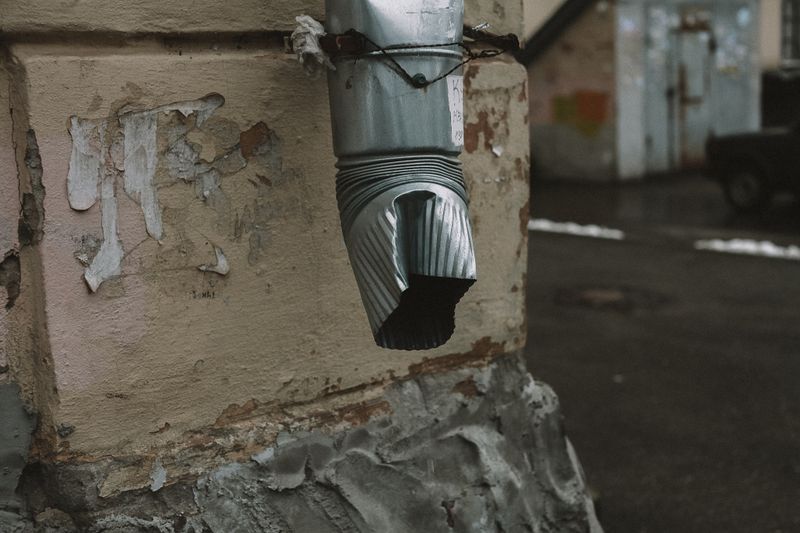
Gutters and Downspouts Repair in Metairie
Read More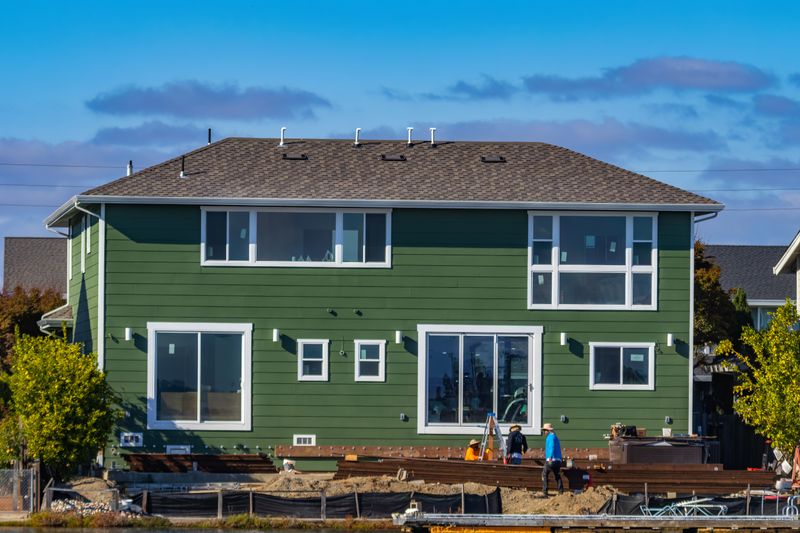
Siding Installation in Metairie
Read More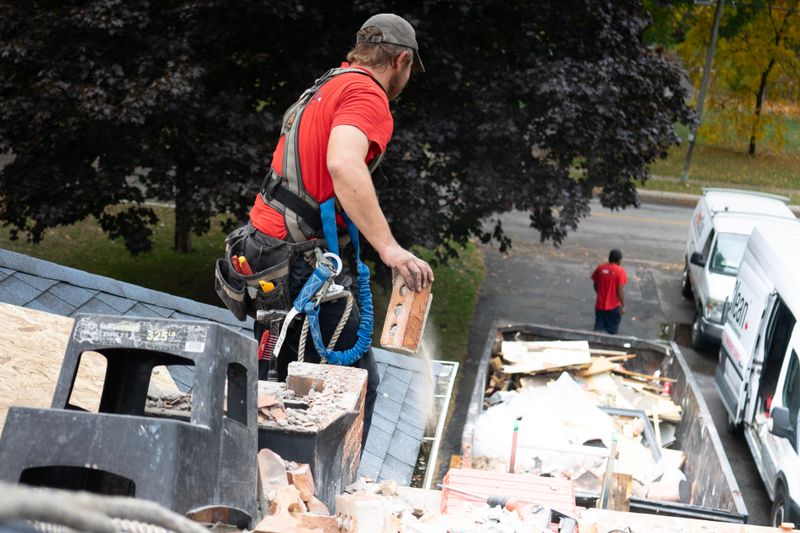
Asbestos Roof Removal in Metairie
Read More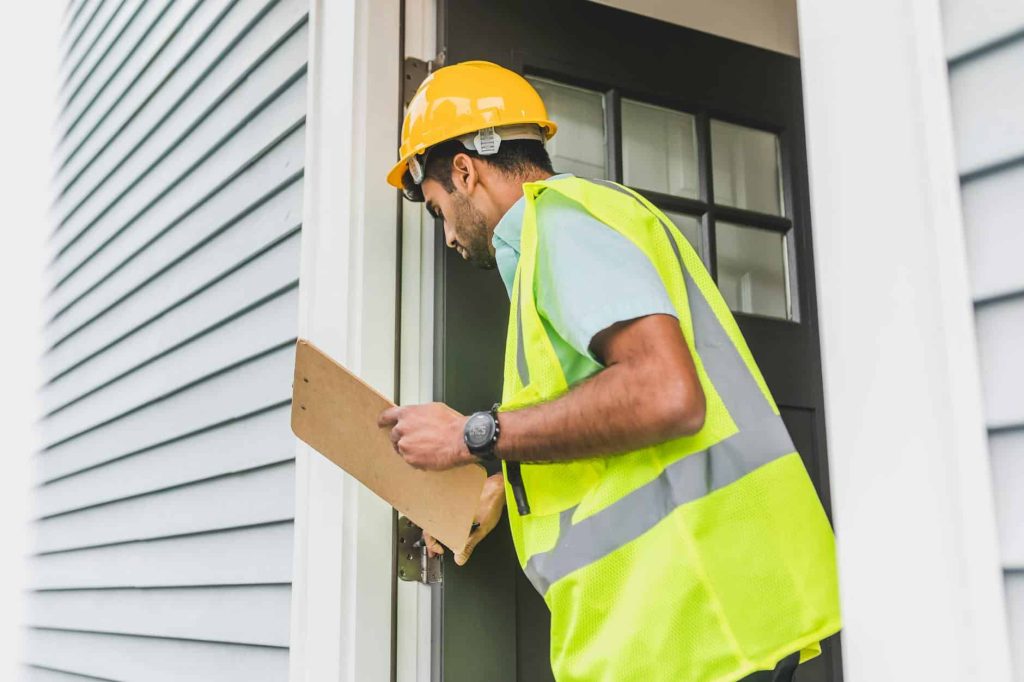
Roof Insurance Claims in Metairie
Read More
Soffit Installation in Metairie
Read More
Soffit Repair in Metairie
Read More
Commercial Roof Replacement in Metairie
Read More
Commercial Roof Repairs in Metairie
Read More
Commercial Roof Inspections in Metairie
Read More
Commercial Hail Damage Repair in Metairie
Read More
Commercial Re-Roofing in Metairie
Read More
Commercial Roof Coating in Metairie
Read More
Commercial Elastomeric Coatings in Metairie
Read More
Commercial Roof Ventilation in Metairie
Read More
Commercial Roof Leak Detection in Metairie
Read More
Commercial Siding Installation in Metairie
Read MoreMetairie Storm Damage Emergency Response FAQs
The questions Metairie homeowners ask in the hours after a storm, answered before you have to pick up the phone.
Topic
Question not here?
Ask us anything about your Metairie roof. The emergency line is answered at any hour, no charge and no obligation.
Call (504) 800-8196How quickly can you get to a Metairie property after a storm
The line is answered at any hour and the address is logged immediately. How fast a crew reaches you depends on how widespread the event was and whether it is safe to travel and to work at height. After an isolated incident it is usually same day. After a named storm affecting the whole parish, the queue is worked by risk and we will tell you honestly where you sit rather than give you a time we cannot keep.
Why does the crew not go straight onto the roof
Because a storm damaged roof deck is the thing most likely to injure someone, and it looks normal from the ground. Lost or lifted sheathing, impact damaged framing and a ceiling heavy with water can all have badly reduced load capacity, and some of it cannot be judged reliably from below. The deck and framing are evaluated first, and where they will not safely carry a crew we say so rather than risk it.
What should I do while I wait
Get everyone out from under any bowed or dripping ceiling and move what you can from under the leak. If water is reaching sockets or fittings and you can reach a completely dry breaker panel without walking through water, switch off the main breaker. If the panel is wet or damaged, or you would have to cross water to reach it, leave the building and call an electrician or the emergency services instead, and never touch a panel while standing in water. Do not get on the roof and do not enter the attic if the ceiling below is loaded. On a generator, Entergy is explicit that you must never power the house wiring by plugging it into a wall outlet, which is called backfeeding.
There is a power line down at my property, can you still come
Our crew will stay out of the area and will not work near it until Entergy has attended, and nobody touches or moves the line. Entergy says to assume every downed line is energised, that it can kill even if it does not spark, hum or move, and to stay away from anything touching it such as a tree, a fence or a vehicle. Report it on 1-800-968-8243. If you have to move away from one, shuffle with your feet together rather than taking large steps, because the voltage spreads out through the ground. This is not negotiable and no contractor should tell you otherwise.
What does the emergency visit actually include
Hazard control around the property, the structural evaluation, emergency weatherproofing where the structure allows it, and removal of debris that is dangerous or in the way. It deliberately stops short of permanent repair, which is surveyed and quoted as its own scope afterwards so you are not paying an emergency rate for work that was never urgent. Call Big Easy Roofing on (504) 800-8196 for an estimate.
Do you deal with the water damage inside the house
We stop water coming in and we document what came in. Drying a saturated structure, dehumidification, lifting floors and dealing with what grows afterwards is water restoration, which is a different trade with different equipment. We will tell you plainly what we have stopped, what is still wet and what needs a restoration contractor, rather than leaving you to discover the gap later.
Do you clear the debris as well
Material that is dangerous or in the way is removed on the emergency visit, along with nails and sharp debris where we have been working. A full clearance of tree limbs and blown material across a property is scoped separately, because after a large storm it can be a bigger job than the roof work and it is fairer to price it on its own.
Will you come out during the hurricane itself
No, and no responsible contractor will. Working at height while a named storm is passing is how people are killed. The line stays open through the event, we log the address and give you advice, and crews are dispatched once wind speed drops into a safe working range. The same applies to lightning nearby and to standing water where the ground cannot be seen.
What do you document, and will you deal with my insurer
We record the conditions the emergency work affected, before material is moved, and write a good faith itemised and detailed estimate for the permanent work. What your policy does about any of it is a question for your insurer or a licensed public adjuster, because Louisiana law prohibits a contractor from interpreting policy coverage or duties.
Do you cover Old Metairie, Bucktown and the lakeside streets
Yes. Big Easy Roofing answers storm emergency calls across all of Metairie, including Old Metairie, Bucktown, the Lake Vista side and the streets off Veterans and Metairie Road, with coverage extending to Kenner, Harahan, River Ridge and the rest of Jefferson Parish.
Storm damage now? Call the Metairie emergency line
Answered at any hour. We will tell you what to do while you wait, where you sit in the queue, and get a crew to you as soon as it is safe to work.
Call (504) 800-8196